U.S. Considers $20 Billion Cash-For-Uranium Deal With Iran/ Newslooks/ WASHINGTON/ J. Mansour/ Morning Edition/ The U.S. and Iran are negotiating a potential $20 billion deal. Talks focus on limiting Iran’s nuclear program and ending conflict. Major disagreements remain despite reported progress this week.
US Iran Nuclear Deal Talks Quick Looks
- U.S. considers releasing $20 billion in frozen funds
- Iran could give up enriched uranium stockpile
- Talks mediated by Pakistan with regional support
- Key disagreements remain over nuclear restrictions
- Proposal includes limits on uranium enrichment
- Strait of Hormuz and sanctions also under discussion
- Trump signals deal may be close but uncertain
Deep Look
U.S. and Iran Weigh Major Cash-for-Uranium Deal
According to multiple sources familiar with the talks, the proposal is part of a broader three-page memorandum of understanding aimed at ending the ongoing conflict between the two countries. While progress has been made, officials caution that significant differences remain unresolved.
High-Stakes Negotiations Continue
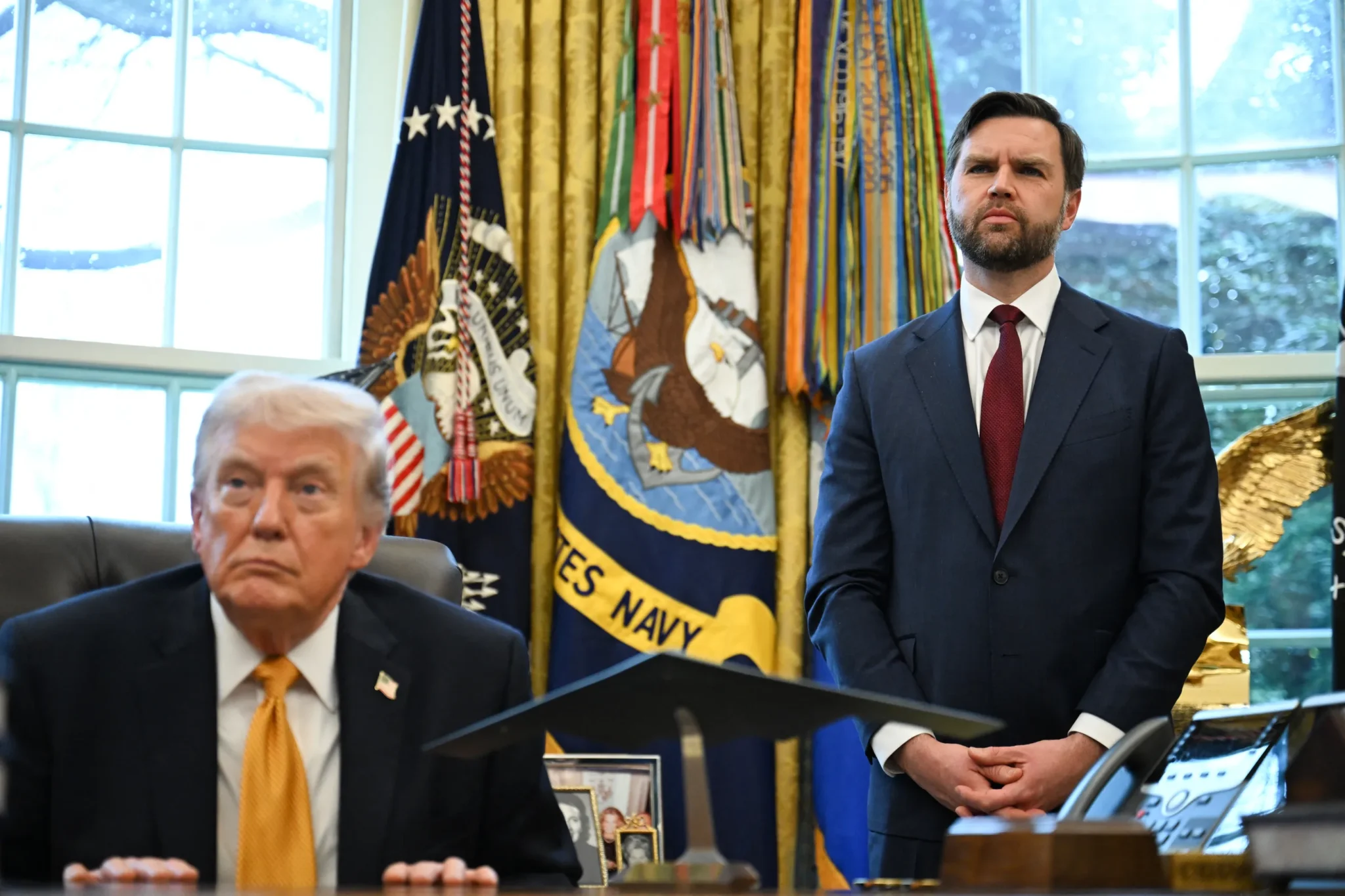
Diplomatic efforts intensified this week, with another round of negotiations expected soon. President Donald Trump indicated that U.S. and Iranian officials may meet again shortly to finalize terms.
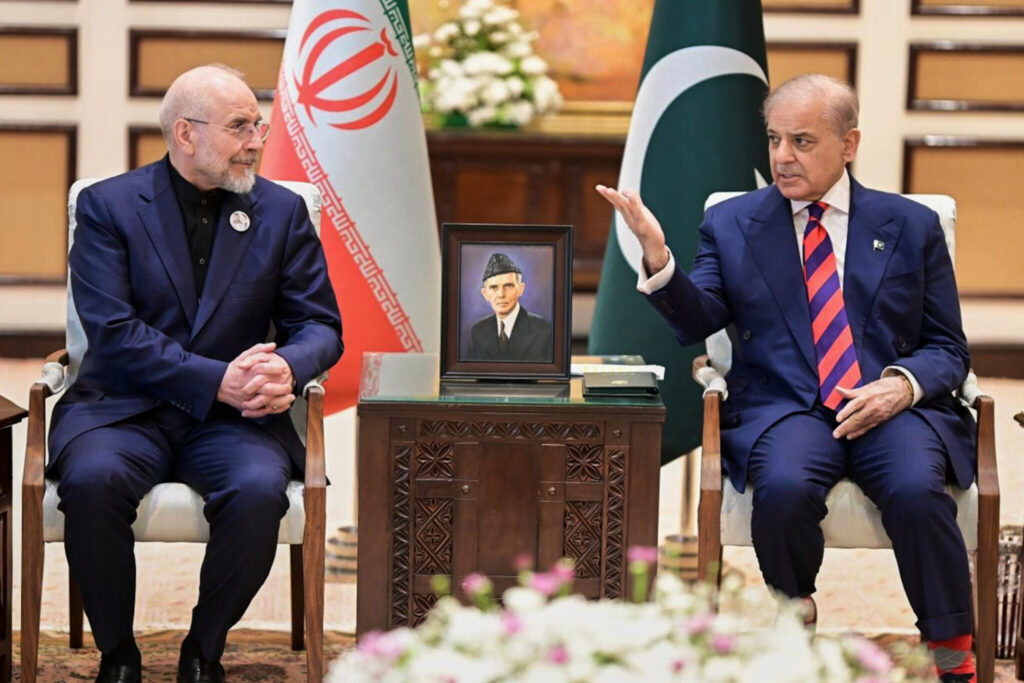
The discussions are being mediated by Pakistan, with additional support from Egypt and Turkey, and are expected to take place in Islamabad.
Trump suggested optimism about the negotiations, stating, “We are very close to making a deal. If no deal, fire resumes.”
Disputes Over Uranium and Financial Relief
At the core of the talks is Iran’s stockpile of enriched uranium, estimated at nearly 2,000 kilograms, including a significant portion enriched to 60% purity.
The U.S. has pushed for Iran to transfer its nuclear material out of the country, while Iran has resisted, proposing instead to reduce enrichment levels domestically under international supervision.
A compromise under discussion would involve sending some highly enriched uranium to a third country while down-blending the rest within Iran.
Financial terms remain another major sticking point. Earlier proposals suggested releasing $6 billion for humanitarian use, while Iran initially demanded $27 billion. The current figure under discussion stands at $20 billion.
One U.S. official described the proposal as “one of many discussions,” indicating that no final agreement has been reached.
Conflicting Messages on Financial Terms
After reports of the potential deal surfaced, Trump appeared to downplay the financial component.
He wrote that “no money will change hands,” though he did not directly address the proposal to unfreeze Iranian assets.
This discrepancy highlights the fluid nature of the negotiations and the political sensitivities surrounding any financial concessions to Iran.
Nuclear Restrictions and Long-Term Commitments
The proposed agreement includes provisions for a “voluntary” moratorium on Iran’s nuclear enrichment activities. However, the duration of this restriction remains under debate.
The United States has sought a 20-year moratorium, while Iran has countered with a five-year limit. Mediators are working to bridge the gap.
The plan would also allow Iran to maintain nuclear research reactors for medical purposes, while requiring that all nuclear facilities be located above ground. Existing underground facilities would be decommissioned.
Broader Issues Remain Unresolved
Beyond nuclear concerns, the negotiations also touch on other contentious issues, including the Strait of Hormuz and regional security dynamics.
It remains unclear whether the agreement will address Iran’s ballistic missile program or its support for regional groups, both of which have been key concerns for Israel and U.S. lawmakers.
“Iran has moved. But not far enough. What it takes to make them move forward, we will see,” one U.S. official said.
Another official added: “Iran clearly wants the $20 billion — and a lot more. They clearly want to sell oil at free-market rates without sanctions. They want to participate in the global financial system. But they also want to have this nuclear weapons program. They want to fund terrorists like Hamas. And they don’t want to give that up enough to get the things we’re offering.”
White House and Political Reactions
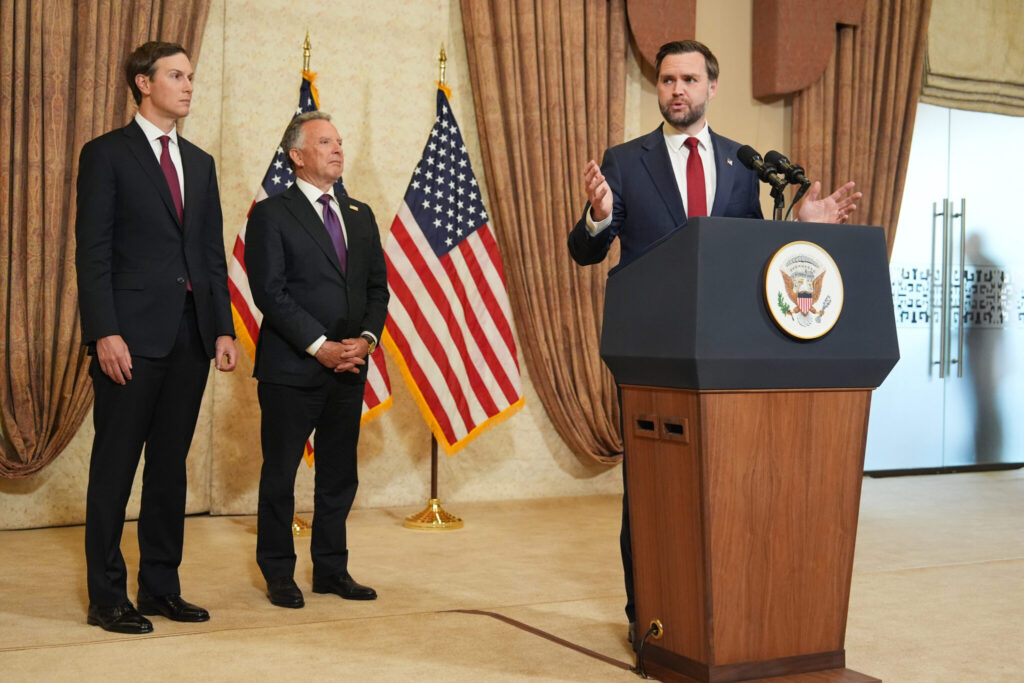
The White House has acknowledged progress in the negotiations but declined to provide detailed updates.
“Anonymous sources who claim to know about sensitive diplomatic discussions have no idea what they are talking about,” said spokesperson Anna Kelly.
Meanwhile, political reactions in Washington have been mixed. Some lawmakers have expressed skepticism, recalling past criticism of similar agreements.
Sen. Lindsey Graham noted that Trump has been directly engaged in negotiations, describing a recent exchange with Iranian officials as “sporty.”
Next Steps in Diplomatic Efforts
Further talks are expected to continue, with regional mediators coordinating additional meetings involving Saudi Arabia and other stakeholders.
Trump also claimed that Iran had agreed to a major concession regarding its nuclear ambitions, saying the country committed to “a very, very powerful statement… that they will not have nuclear weapons.”
He added that Iran would hand over “the nuclear dust,” referring to its enriched uranium stockpile.
The coming days are expected to be critical as negotiators attempt to finalize a deal that could reshape the geopolitical landscape and potentially bring an end to the conflict.
This Story was first published on Axios and CNN.