Trump Maintains Iran Blockade Despite Strait of Hormuz Reopening/ Newslooks/ WASHINGTON/ J. Mansour/ Morning Edition/ Iran reopens the Strait of Hormuz to global shipping. Trump insists U.S. blockade on Iranian assets remains. Ceasefire in Lebanon raises cautious hopes for wider peace.
Strait of Hormuz Reopening Quick Looks
- Iran declares key oil route fully open
- Trump keeps blockade on Iranian ships and ports
- Lebanon ceasefire offers potential diplomatic breakthrough
- Oil markets respond with falling prices
- Israel maintains military pressure in southern Lebanon
- U.S. and Iran remain divided on nuclear negotiations
- Casualties across region continue to rise
Deep Look
Iran Reopens Strait but U.S. Maintains Pressure
Iran announced Friday that it has fully reopened the Strait of Hormuz to commercial shipping, a major development for global energy markets. However, President Donald Trump quickly made clear that U.S. pressure on Tehran would not ease.
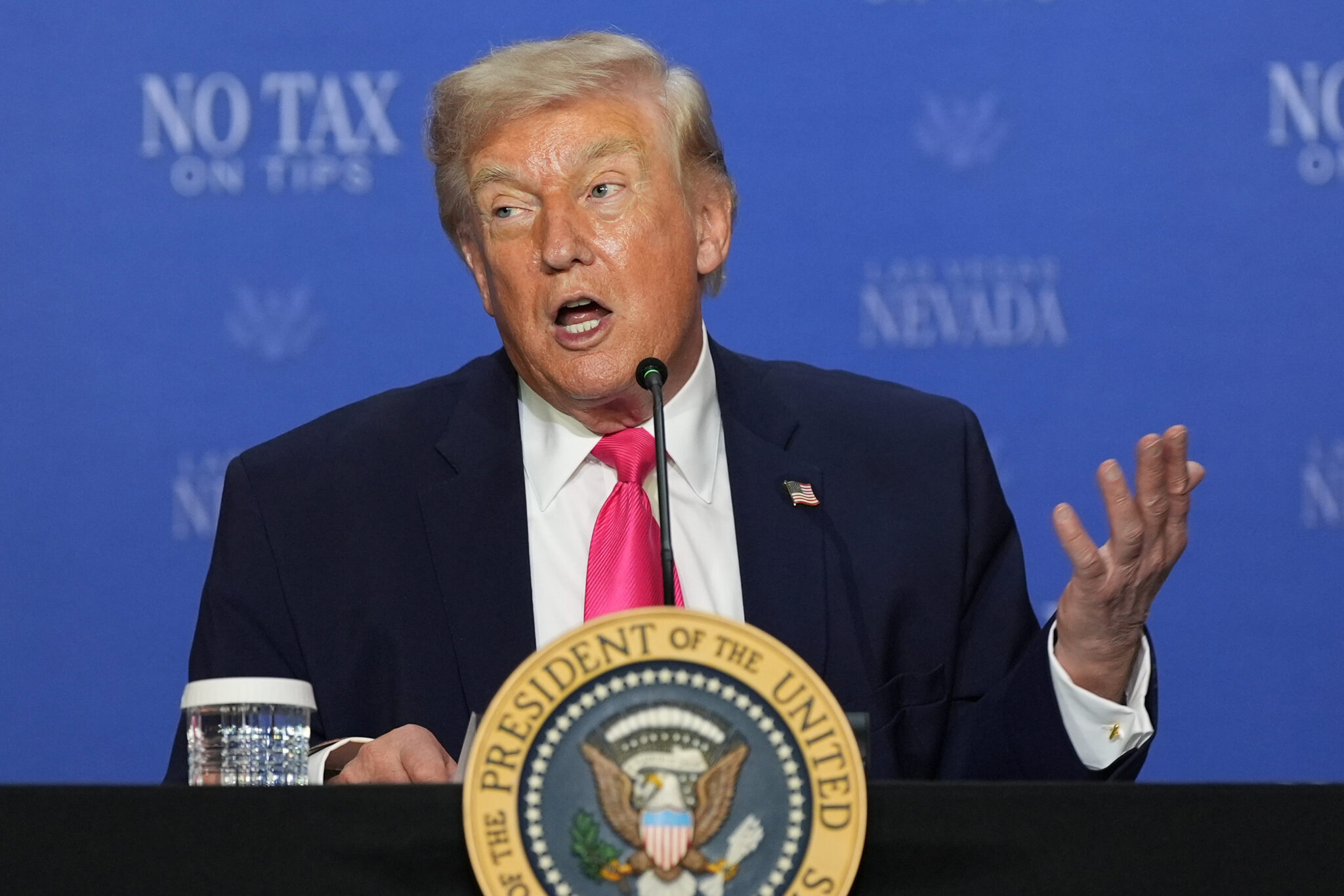
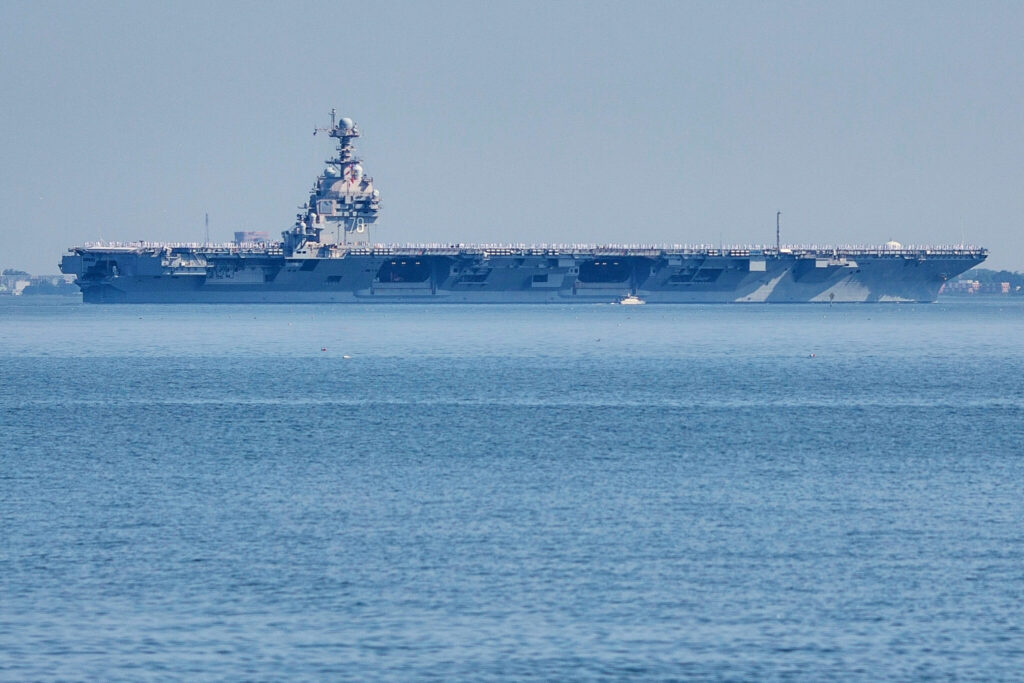
Trump stated the American blockade on Iranian ships and ports “will remain in full force” until a broader agreement is reached with Iran, particularly regarding its nuclear program.
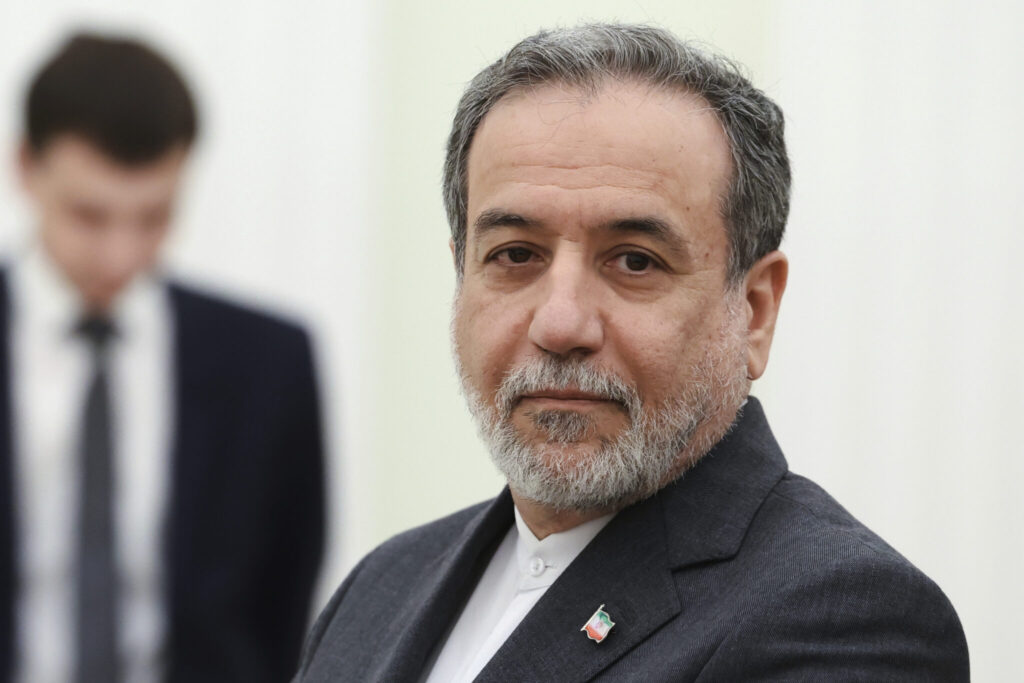
Iranian Foreign Minister Abbas Araghchi confirmed the reopening, noting that the vital waterway—responsible for about 20% of global oil shipments—is now accessible again to commercial vessels.
Initially welcoming the move, Trump wrote that the strait was “fully open and ready for full passage.” But he soon reinforced the U.S. stance, saying the blockade would continue “UNTIL SUCH TIME AS OUR TRANSACTION WITH IRAN IS 100% COMPLETE.”
Strategic Pressure Amid Ongoing Negotiations
The decision to maintain the blockade signals Washington’s intent to keep leverage over Tehran despite the reopening. Trump also noted that Iran is working with U.S. support to clear naval mines from the strait.
The blockade had been imposed earlier in response to Iran restricting access during intensified fighting in Lebanon, which Tehran argued violated a ceasefire agreement brokered by Pakistan.
Direct talks between the United States and Iran have so far failed to produce a breakthrough, with disagreements persisting over Iran’s nuclear program and other key issues.
Lebanon Ceasefire Offers Fragile Hope
A 10-day truce between Israel and Hezbollah appears to be holding, raising cautious optimism that broader peace efforts could gain traction. The ceasefire could remove a major obstacle to negotiations involving the U.S., Iran, and Israel.
Trump emphasized U.S. efforts to contain the conflict, stating that Israel is “prohibited” from launching further strikes on Lebanon and adding that “enough is enough” in the ongoing war.
Israeli Prime Minister Benjamin Netanyahu confirmed the ceasefire was accepted “at the request of my friend President Trump,” but stressed that military operations are not complete. He said Israeli forces “have not finished yet” dismantling Hezbollah’s capabilities.
Celebrations and Uncertainty in Beirut
In Beirut, the ceasefire sparked celebrations, with residents firing gunshots into the air. Displaced families began returning to their homes despite official warnings to wait until stability is assured.
U.N. peacekeepers reported no airstrikes after midnight but accused Israeli forces of violating Lebanese airspace and conducting artillery fire. Israel has not responded to those claims.
Trump praised the truce, calling it a “historic day for Lebanon,” and expressed confidence in a broader resolution.
“I will say the war in Iran is going along swimmingly,” Trump said. “It should be ending pretty soon.”
Rising Human Toll and Regional Tensions
The conflict has resulted in heavy casualties across the region. At least 3,000 people have been killed in Iran, more than 2,290 in Lebanon, and dozens more across Israel and Gulf Arab states. Thirteen U.S. service members have also died.
Despite the ceasefire, tensions remain high. Israel continues to hold territory in southern Lebanon, maintaining what it describes as a security buffer zone.
Israeli Defense Minister Israel Katz said the country would retain control of its current positions, with plans that include destroying many structures in the area and preventing residents from returning.
Hezbollah, meanwhile, stated that Lebanese people have “the right to resist” occupation and that future actions “will be determined based on how developments unfold.”
Diplomatic Efforts Continue Behind the Scenes
International diplomacy is intensifying as mediators work to extend the ceasefire and address unresolved issues. Pakistan has played a role in facilitating talks, while regional officials report progress toward an extended agreement.
According to sources, negotiators are focusing on three main issues: Iran’s nuclear program, control of the Strait of Hormuz, and compensation for wartime damages.
Trump suggested a potential breakthrough on the nuclear front, claiming Iran may be willing to make significant concessions.
“The U.S.A. will get all Nuclear ‘Dust,’ created by our great B2 Bombers — No money will exchange hands in any way, shape, or form,” he said.
He added that Iran had “agreed to give us back the nuclear dust.”
If confirmed, such a move would represent a major shift in negotiations, though no independent verification has been provided by Iran or mediating countries.