Iran Closes Strait of Hormuz Again over US Blockade, Fires on Ships/ Newslooks/ WASHINGTON/ J. Mansour/ Morning Edition/ Iran has once again closed the Strait of Hormuz after briefly reopening it, escalating tensions with the United States during the ongoing regional conflict. Iranian forces reportedly fired on commercial ships as Washington maintained its blockade of Iranian ports. The renewed standoff threatens global oil supplies, international shipping, and fragile ceasefire negotiations.
Iran Closes Strait of Hormuz Quick Looks
- Iran reversed its decision to reopen the Strait of Hormuz
- Revolutionary Guard gunboats fired on ships attempting passage
- India summoned Iran’s ambassador after attacks on India-flagged vessels
- The U.S. continues its blockade of Iranian ports despite ceasefire efforts
- Oil market fears rise as one-fifth of global oil passes through the strait
- Pakistan is mediating fresh talks between Washington and Tehran
- Iran refuses to hand over enriched uranium stockpile
- Hezbollah ceasefire in Lebanon may support broader diplomatic efforts
Deep Look: Iran Closes Strait of Hormuz Again over US Blockade, Fires on Ships
The Strait of Hormuz crisis intensified sharply on Saturday after Iran shut down the critical global shipping route once again and opened fire on vessels attempting to pass through the waterway. The move came as Tehran responded to the United States’ continued blockade of Iranian ports, raising fears of a worsening global energy crisis and renewed military escalation across the Middle East.
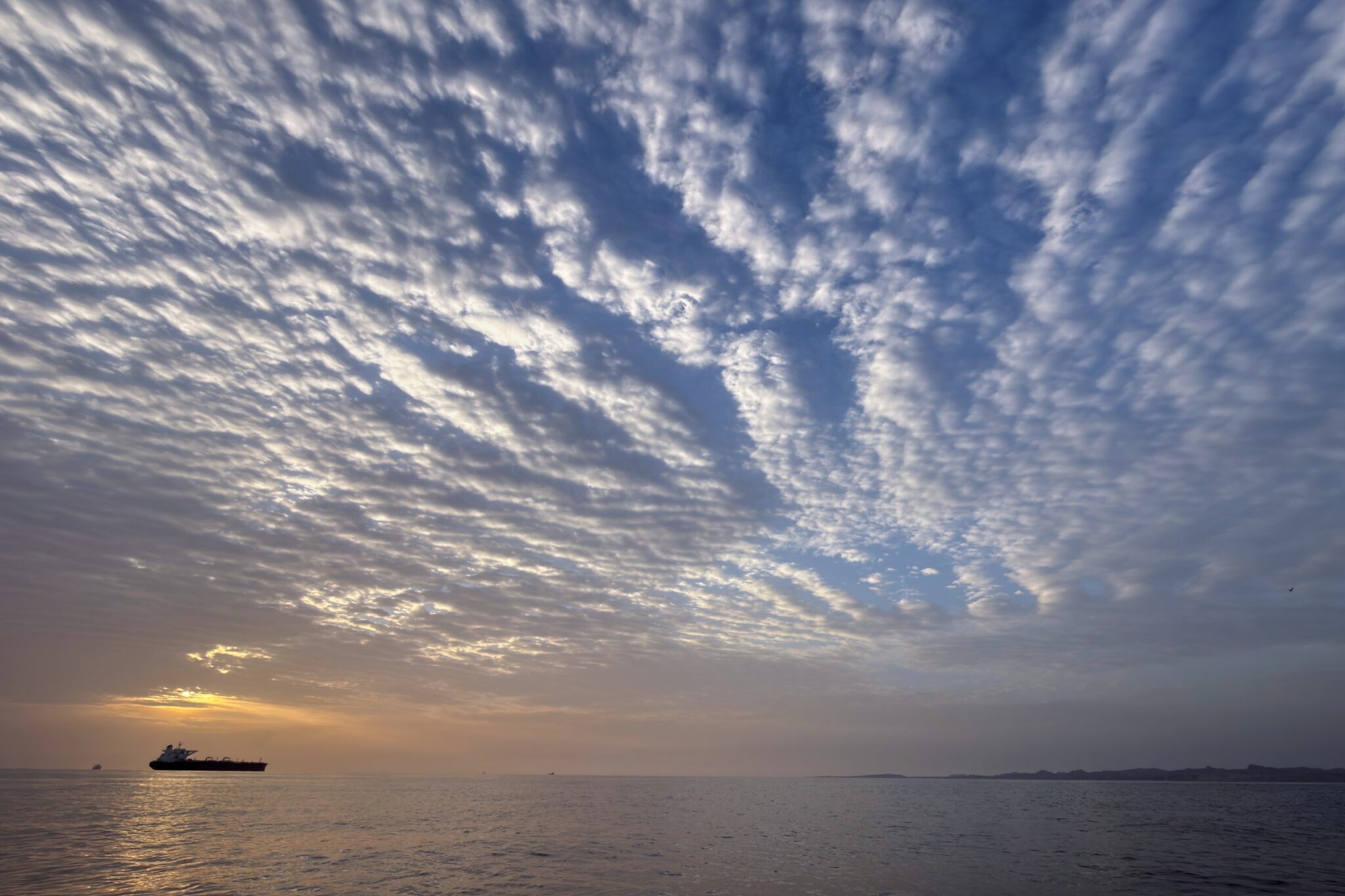
The Strait of Hormuz remains one of the world’s most strategically important waterways, carrying nearly 20% of global oil shipments. Any disruption to traffic through the narrow passage immediately sends shockwaves through international energy markets, shipping routes, and diplomatic relations.
Iran had announced only one day earlier that the strait would reopen to commercial traffic following a temporary 10-day ceasefire between Israel and the Iranian-backed Hezbollah group in Lebanon. That reopening briefly eased global concerns and pushed oil prices downward.
However, the optimism was short-lived.
After U.S. President Donald Trump declared that America’s blockade of Iranian ports would remain fully in place until Tehran agreed to a broader deal, Iranian authorities reversed course.
Iran’s joint military command announced that full control over the Strait of Hormuz had returned to military forces under what it described as “strict management and control.” Officials warned that shipping traffic would remain restricted for as long as the U.S. blockade continued.
Soon after the announcement, serious incidents were reported at sea.
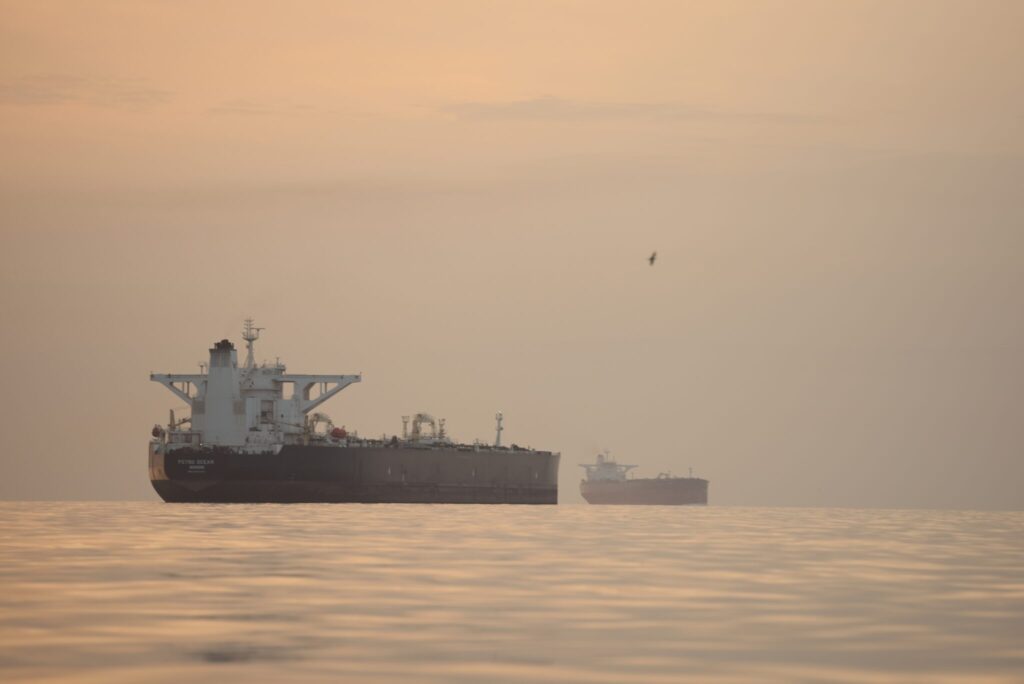
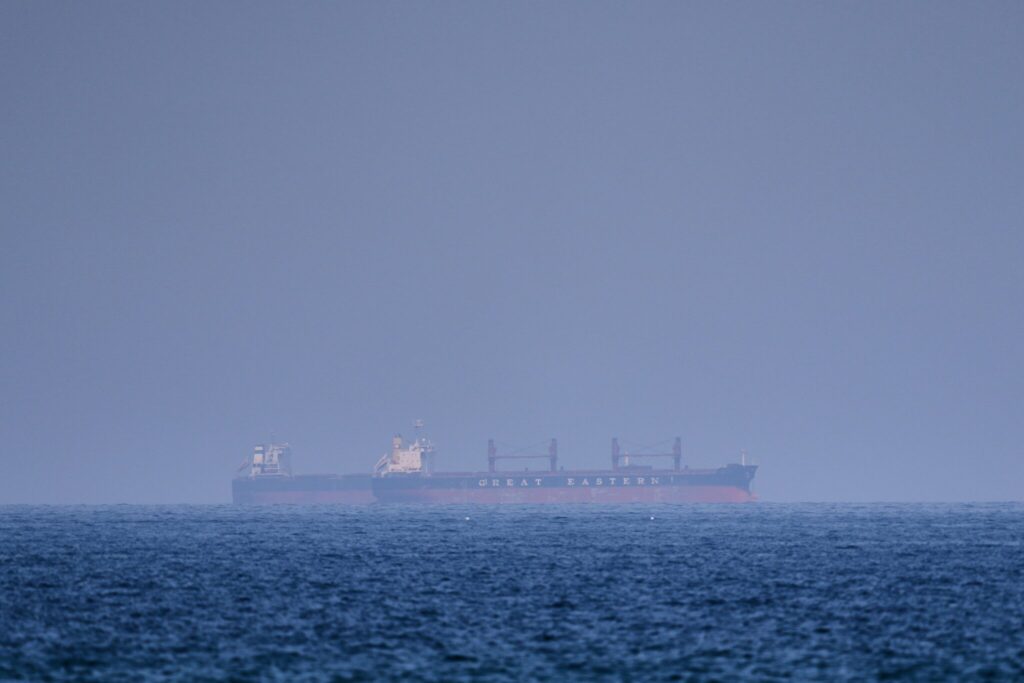
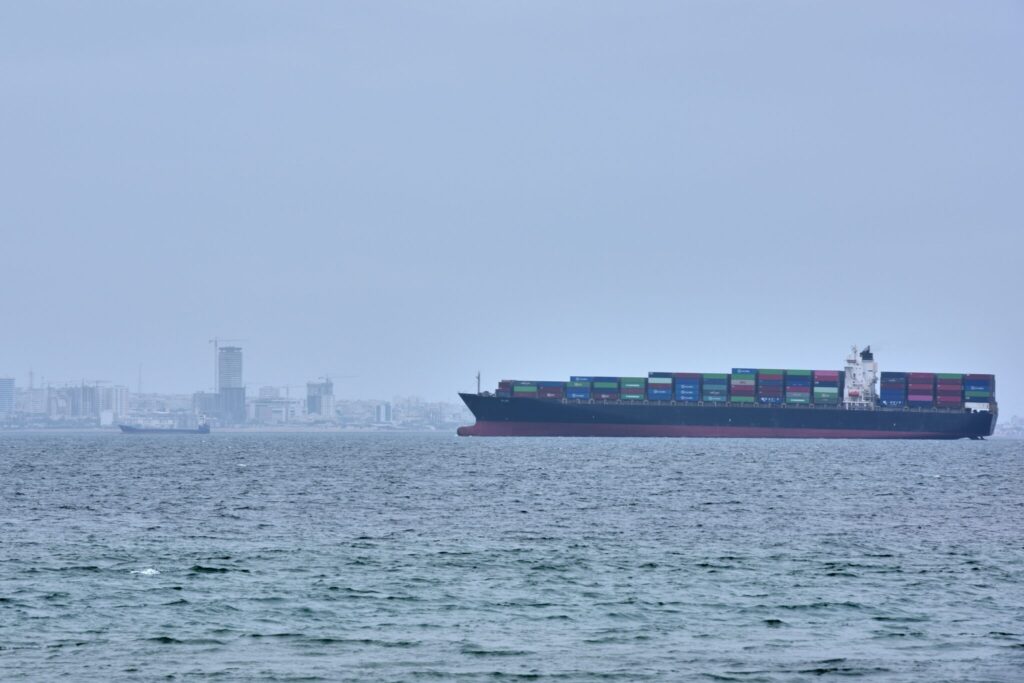
According to the British military’s United Kingdom Maritime Trade Operations center, Revolutionary Guard gunboats opened fire on an oil tanker, while another projectile struck a container ship, damaging multiple cargo containers. India’s foreign ministry reacted strongly, summoning Iran’s ambassador after two India-flagged merchant ships came under fire.
The diplomatic backlash intensified because Iran had previously allowed several India-bound vessels to pass safely through the strait, making the sudden attacks particularly alarming for New Delhi.
For Tehran, shutting down the Strait of Hormuz remains one of its strongest strategic tools. The move places enormous economic pressure on Western governments by threatening oil supplies and disrupting the global economy.
For Washington, the continued blockade of Iranian ports is intended to deepen pressure on Iran’s already struggling economy and force concessions in nuclear negotiations.
Iran’s newly installed supreme leader, Ayatollah Mojtaba Khamenei, delivered a defiant message on Saturday, stating that Iran’s navy was fully prepared to “inflict bitter defeats on its enemies.”
His remarks marked one of his strongest public statements since taking power following the death of his father during Israel’s initial military strikes that launched the conflict on February 28.
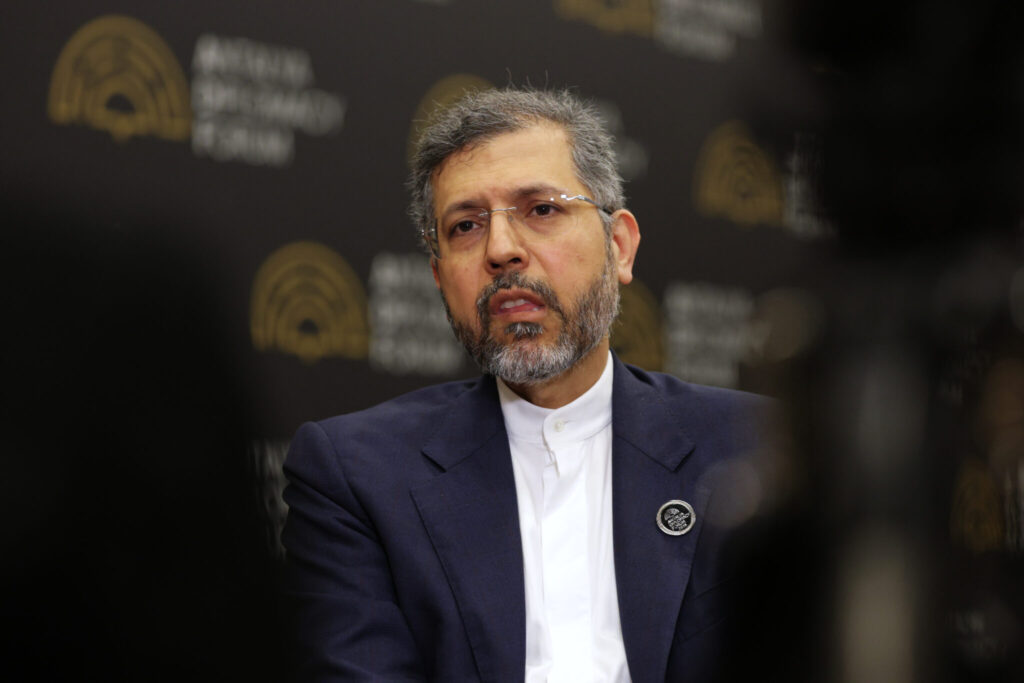
Iranian Deputy Foreign Minister Saeed Khatibzadeh criticized Washington’s actions, warning that the United States was putting both the global economy and the fragile ceasefire at risk.
He said America’s strategy represented dangerous “miscalculations” and warned that the blockade could collapse the entire ceasefire framework currently holding the region together.
Iran’s Supreme National Security Council also condemned the U.S. blockade, calling it a direct violation of ceasefire terms. The council has increasingly functioned as the country’s highest decision-making authority during the conflict.
Officials stated that Iran would reject any “conditional and limited reopening” of the strait and would instead maintain strict oversight over all maritime traffic. This includes enforcing Iran-designated shipping routes, collecting fees, and issuing transit certificates for vessels.
The council also pointed to the fact that many U.S. military bases across the Gulf region rely heavily on supplies moving through the Strait of Hormuz, giving Tehran additional leverage.
Meanwhile, Pakistan has emerged as a central diplomatic player in efforts to prevent a broader war.
Pakistani Foreign Minister Ishaq Dar said Islamabad is actively working to bridge differences between Tehran and Washington and is preparing to host a second round of direct negotiations early next week.
Iran confirmed that Pakistan’s army chief recently visited Tehran carrying new proposals from the United States, which are now under review.
Despite that, Iranian officials remain cautious.
Khatibzadeh said Iran is not ready for another round of face-to-face negotiations because Washington has not abandoned what he described as its “maximalist position.”
He also firmly rejected U.S. demands regarding Iran’s stockpile of enriched uranium.
Iran currently holds approximately 970 pounds, or 440 kilograms, of enriched uranium. Khatibzadeh called any proposal requiring Iran to hand over that material to the United States “a nonstarter.”
President Trump responded by saying Iran had “got a little cute” but claimed positive discussions were still taking place. He added that “they can’t blackmail us,” signaling that Washington would continue applying pressure.
The broader regional conflict also saw renewed violence in Lebanon.
French President Emmanuel Macron announced that a French peacekeeper serving with U.N. forces in southern Lebanon was killed and three others were wounded during an attack. Macron stated that early evidence pointed toward Hezbollah responsibility, though the militant group has not commented.
Pakistan’s foreign minister noted that Hezbollah’s fighting with Israel had been a major obstacle in U.S.-Iran negotiations, and the recent Lebanon ceasefire could create a path toward broader diplomatic progress.
Still, uncertainty remains high, especially as Israeli troops continue occupying parts of southern Lebanon and Hezbollah was not directly involved in negotiating the ceasefire.
As displaced families in Beirut and southern Lebanon begin returning home, many officials warn that the peace remains extremely fragile.
So far, the wider Iran war has caused devastating casualties across the region, with thousands killed in Iran and Lebanon, deaths reported in Israel and Gulf Arab states, and U.S. military casualties continuing to rise.
With ceasefire deadlines approaching and the Strait of Hormuz once again becoming a flashpoint, the risk of a much larger regional confrontation remains dangerously high.