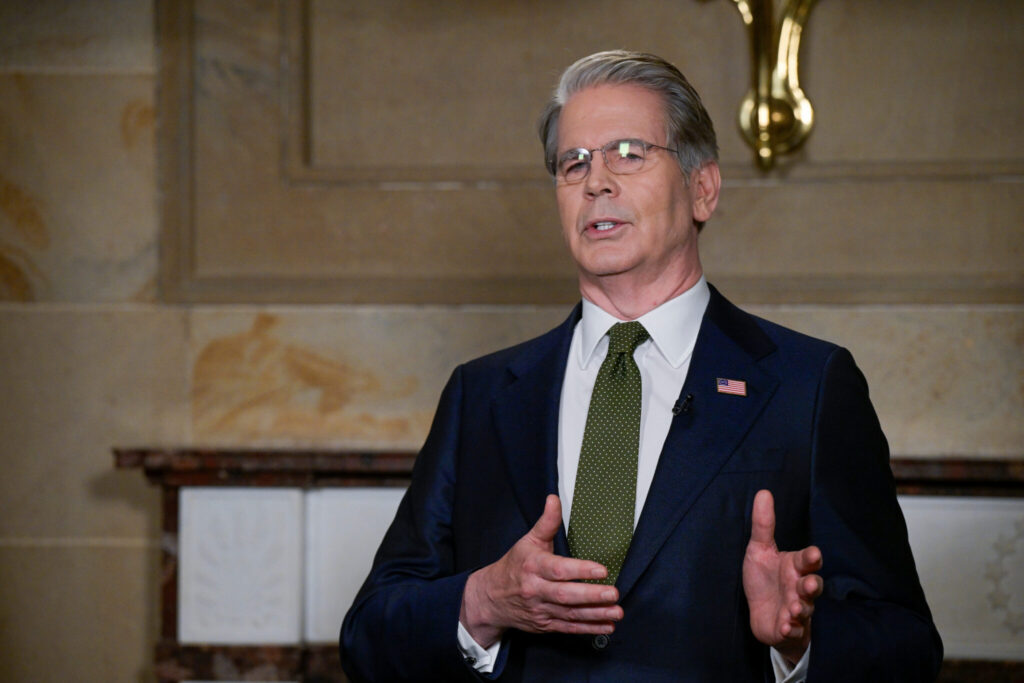
US Extends Russian Oil Sanctions Waiver Amid Iran War/ Newslooks/ WASHINGTON/ J. Mansour/ Morning Edition/ The U.S. Treasury Department extended a temporary waiver on sanctions for Russian oil shipments to help ease supply shortages caused by the Iran war. The move came just days after Treasury Secretary Scott Bessent publicly said the administration would not renew the license. The reversal highlights how the Iran conflict is reshaping global energy markets and creating new opportunities for Russia’s oil exports.
Russian Oil Sanctions Waiver Quick Looks
- The U.S. extended a 30-day waiver on Russian oil sanctions
- The waiver applies to oil loaded onto tankers by Friday
- Treasury had issued a similar license in March
- Scott Bessent previously said the waiver would not be renewed
- The Iran war has created new global oil shortages
- Russian oil exports are benefiting from market disruptions
- U.S. sanctions pressure on Moscow has temporarily eased
- The White House has not explained the policy reversal
Deep Look
Treasury Extends Russian Oil Sanctions Waiver
The U.S. Treasury Department has extended its temporary pause on sanctions targeting Russian oil shipments, allowing deliveries to continue for another 30 days as Washington responds to energy shortages created by the ongoing Iran war.
The decision applies to Russian oil that had already been loaded onto tankers as of that day.
Under the so-called general license, U.S. sanctions will not be enforced during that period, giving global markets short-term relief as energy supplies remain under pressure from conflict in the Middle East.
The move extends a similar 30-day waiver first issued in March, which had applied to Russian oil loaded by March 11.
The latest extension reflects how disruptions caused by the Iran war are forcing difficult choices for the Trump administration, particularly when it comes to balancing sanctions policy with global energy stability.
Iran War Reshapes Global Oil Markets
The decision underscores how the war involving Iran has created major ripple effects across international oil markets.
With instability surrounding the Strait of Hormuz and fears of supply disruptions from the Gulf region, global demand for alternative energy supplies has increased sharply.
That has made Russian oil more strategically valuable, despite the heavy sanctions imposed on Moscow since its invasion of Ukraine.
The waiver effectively allows Russia to continue profiting from oil exports that had previously been more restricted under U.S. sanctions policy.
Analysts say the Iran conflict has created a situation where Washington must prioritize short-term supply stability even if it temporarily weakens pressure on the Kremlin.
This development highlights the complicated connection between Middle East conflict and global sanctions enforcement.
Bessent Had Publicly Rejected Extension
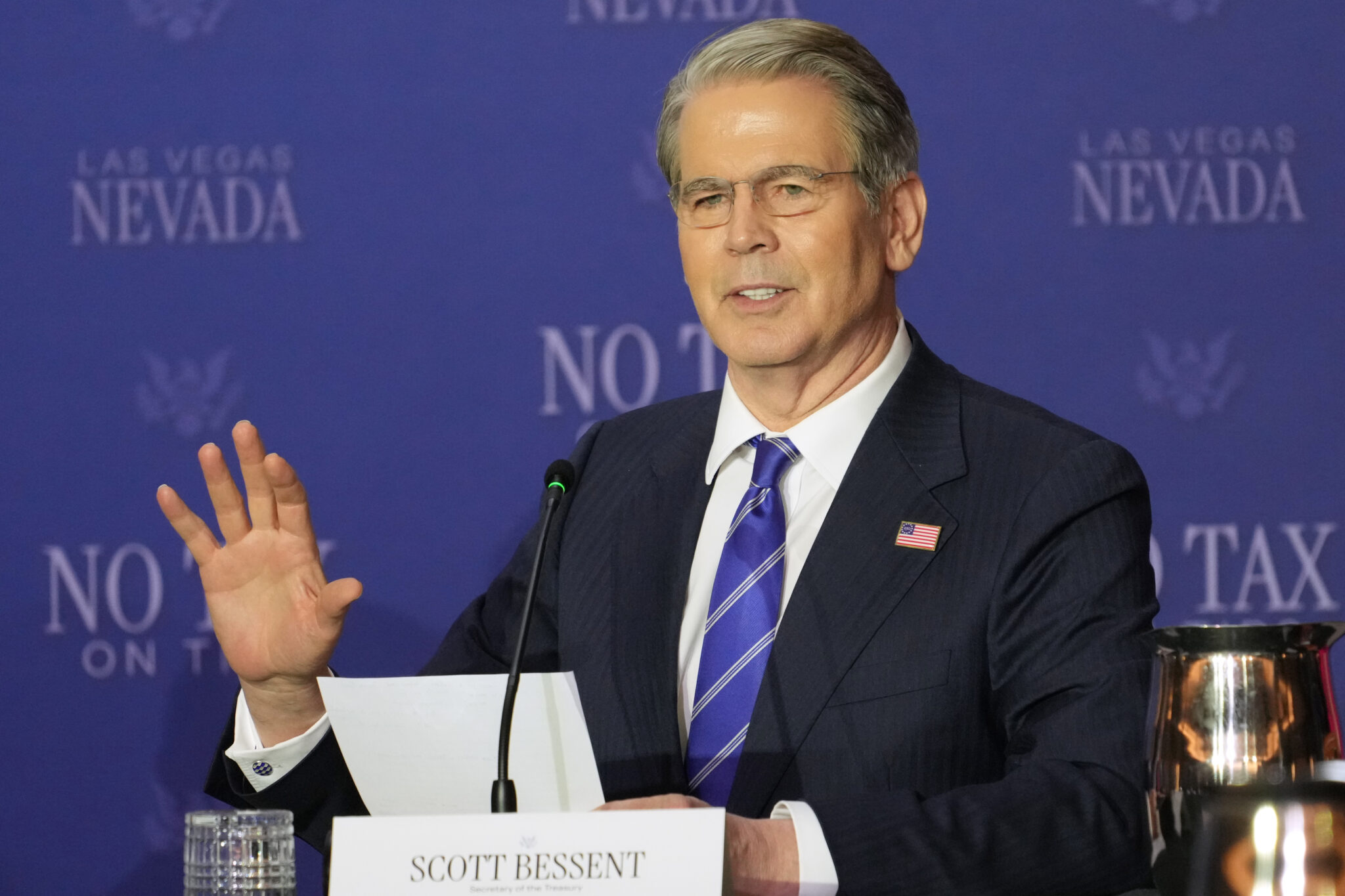
The most surprising part of the decision was that it directly contradicted public comments made just days earlier by Treasury Secretary Scott Bessent.
Speaking at the White House on Wednesday, Bessent had clearly ruled out extending either the Russian oil waiver or a similar license involving Iranian oil.
“We will not be renewing the general license on Russian oil, and we will not be renewing the general license on Iranian oil,” he said.
That statement made Friday’s reversal especially notable.
The administration did not immediately explain why the policy changed or whether the decision came directly from President Donald Trump after new developments in the Iran crisis.
The lack of explanation has fueled questions about internal disagreements over energy strategy and sanctions enforcement.
Russia Gains From Energy Market Shift
The extension is widely seen as a financial win for Moscow.
Since Russia’s invasion of Ukraine, Western sanctions were designed to limit the Kremlin’s ability to profit from global energy sales and reduce funding for its war efforts.
However, the Iran war has changed market conditions by creating new shortages and increasing the value of available oil supplies.
As a result, Russian exports have become more attractive to buyers seeking stable supply outside the conflict zone.
The temporary easing of sanctions gives Russia additional room to sell oil while prices remain elevated.
For U.S. officials, the decision likely reflects the challenge of maintaining sanctions pressure while avoiding a broader global energy crisis.
Political and Economic Pressure Ahead
The short-term waiver does not mean sanctions policy has permanently changed, but it signals how quickly geopolitical crises can force policy adjustments.
Trump’s administration continues to maintain strong public pressure on both Iran and Russia while also trying to prevent spikes in fuel prices and broader economic instability at home.
With the Strait of Hormuz remaining unstable and ceasefire talks with Iran still uncertain, energy markets are expected to remain volatile.
That leaves the White House facing difficult decisions about whether temporary sanctions relief should continue if the regional conflict worsens.
For now, the extension buys time for oil markets and U.S. consumers—but it also raises new questions about America’s broader sanctions strategy.
As the Iran war continues to reshape global diplomacy, even long-standing policies toward Russia are being forced to adapt.