Trump Reclassifies State-Licensed Medical Marijuana as Less-Dangerous Drug/ Newslooks/ WASHINGTON/ J. Mansour/ Morning Edition/ President Donald Trump’s administration has officially reclassified state-licensed medical marijuana as a less-dangerous drug under federal law. The move shifts medical cannabis from Schedule I to Schedule III, easing regulations, research barriers, and tax burdens for operators. While marijuana remains federally illegal for recreational use, the decision marks one of the biggest federal cannabis policy shifts in decades.
Trump Reclassifies Medical Marijuana Quick Looks
- Trump’s acting attorney general signed an order moving state-licensed medical marijuana from Schedule I to Schedule III
- The change does not legalize marijuana federally for recreational or medical use
- Medical marijuana businesses will receive major federal tax benefits
- Cannabis research restrictions will be reduced under the new policy
- The administration also launched a broader marijuana reclassification process with hearings starting in late June
- Supporters called it the biggest cannabis policy breakthrough in over 50 years
- Critics called the move “a tax break to Big Weed” and warned of public health risks
Deep Look
Trump Administration Makes Historic Marijuana Policy Shift
WASHINGTON — President Donald Trump’s administration has made one of the most significant federal cannabis policy changes in decades by reclassifying state-licensed medical marijuana as a less-dangerous drug.
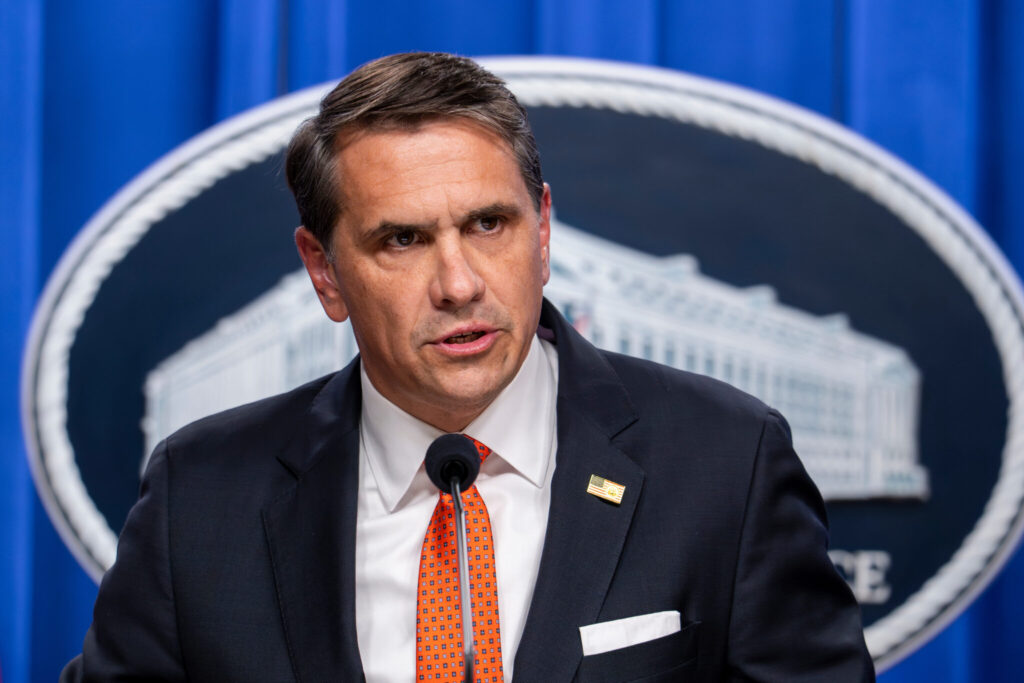
On Thursday, acting Attorney General Todd Blanche signed the order that moves licensed medical marijuana from Schedule I to Schedule III under federal drug regulations.
Schedule I drugs are classified as having no accepted medical use and a high potential for abuse. Marijuana had long been listed alongside heroin under that category.
The new classification shifts state-licensed medical cannabis into Schedule III, where substances are considered to have accepted medical use and lower abuse potential.
The move does not legalize marijuana for medical or recreational use under federal law, but it significantly changes how it is regulated and treated by federal agencies.
What the New Marijuana Order Changes
The decision largely legitimizes medical marijuana systems already operating in 40 states across the country.
Under the new order, state-licensed medical marijuana producers and distributors will have access to a faster registration system through the U.S. Drug Enforcement Administration.
It also removes major barriers for scientific research involving cannabis.
Researchers will no longer face penalties for obtaining state-licensed marijuana or marijuana-derived products for legitimate studies.
In addition, medical marijuana businesses will now be allowed to deduct business expenses on their federal taxes for the first time — a major financial benefit for operators across the industry.
Any marijuana-derived medicine already approved by the Food and Drug Administration is similarly listed under Schedule III.
Blanche said the Department of Justice was acting on Trump’s promise to improve access to treatment options.
“This rescheduling action allows for research on the safety and efficacy of this substance, ultimately providing patients with better care and doctors with more reliable information,” he said in a statement.
Trump Pushes Faster Federal Action
Trump had instructed his administration in December to move quickly on marijuana reclassification.
Last weekend, while signing an unrelated executive order focused on psychedelics, the Republican president appeared frustrated by the pace of the process.
The administration responded by not only reclassifying licensed medical marijuana but also accelerating broader efforts to review marijuana’s overall federal status.
Officials announced a formal hearing process beginning in late June to examine broader marijuana rescheduling.
This signals the White House may be preparing for wider cannabis reforms beyond the medical system.
Supporters Call It a Landmark Victory
Cannabis advocates have pushed for years to remove marijuana from the same federal category as heroin, arguing the classification ignored medical evidence and state legalization efforts.
The United States has maintained marijuana prohibition since the Marihuana Tax Act of 1937, even as most states moved toward legalization in some form.
Currently, two dozen states plus Washington, D.C., allow recreational marijuana use for adults.
Forty states have medical marijuana programs, while eight others allow low-THC cannabis products or CBD oil for medical treatment.
Only Idaho and Kansas still ban marijuana completely.
Blanche highlighted how much state regulation has evolved since California became the first state to legalize medical marijuana in 1996.
“Today the vast majority of States maintain comprehensive licensing frameworks governing cultivation, processing, distribution, and dispensing of marijuana for medical purposes,” Blanche wrote.
“Taken as a whole, they demonstrate a sustained capacity to achieve the public-interest objectives … including protecting public health and safety and preventing the diversion of controlled substances into illicit channels.”
Michael Bronstein, president of the American Trade Association for Cannabis and Hemp, praised the decision.
He called it “the most significant federal advancement in cannabis policy in over 50 years.”
“This action recognizes what Americans have long known, cannabis is medicine,” he said.
Critics Warn of Public Health Risks
Not everyone welcomed the decision.
Kevin Sabet, chief executive of Smart Approaches to Marijuana and a longtime legalization opponent, strongly criticized the move.
While he agreed marijuana research should continue, he argued the administration was sending the wrong message.
“There are many ways to increase our knowledge without giving a tax break to Big Weed and sending a confusing message about marijuana’s harms to the American public,” Sabet said.
He went even further in his criticism.
“With this move, we are now confronted with the most pro-drug administration in our history,” Sabet said.
“Policy is now being dictated by marijuana CEOs, psychedelics investors, and podcasters in active addiction.”
Critics also argue that legalization across states has led to stronger cannabis products that require more research, not lighter regulation.
Legal Questions Still Remain
Marijuana or marijuana-derived products that are not sold through state medical marijuana programs will remain classified under Schedule I.
That means recreational marijuana still remains federally illegal, despite legalization in many states.
It is also unclear how the order will affect states where recreational dispensaries also serve medical patients.
In Washington state, one of the first states to legalize adult-use marijuana, hundreds of stores also sell tax-free cannabis products to registered medical users.
Many Republicans remain opposed to easing marijuana restrictions.
More than 20 Republican senators, including several close Trump allies, previously urged the president to keep marijuana under its current classification.
Broader Drug Policy Contradictions
Trump’s marijuana move comes as he continues taking an aggressive stance against other drugs, especially fentanyl.
His second term has included military actions targeting Venezuelan and other boats accused of transporting narcotics.
He also signed another executive order declaring fentanyl a weapon of mass destruction.
The contrast between loosening marijuana rules while escalating anti-fentanyl enforcement highlights how the administration is drawing sharp distinctions between cannabis and harder narcotics.
For now, the marijuana reclassification represents a major shift in federal drug policy — one that could reshape the cannabis industry, research landscape, and future political battles over legalization.