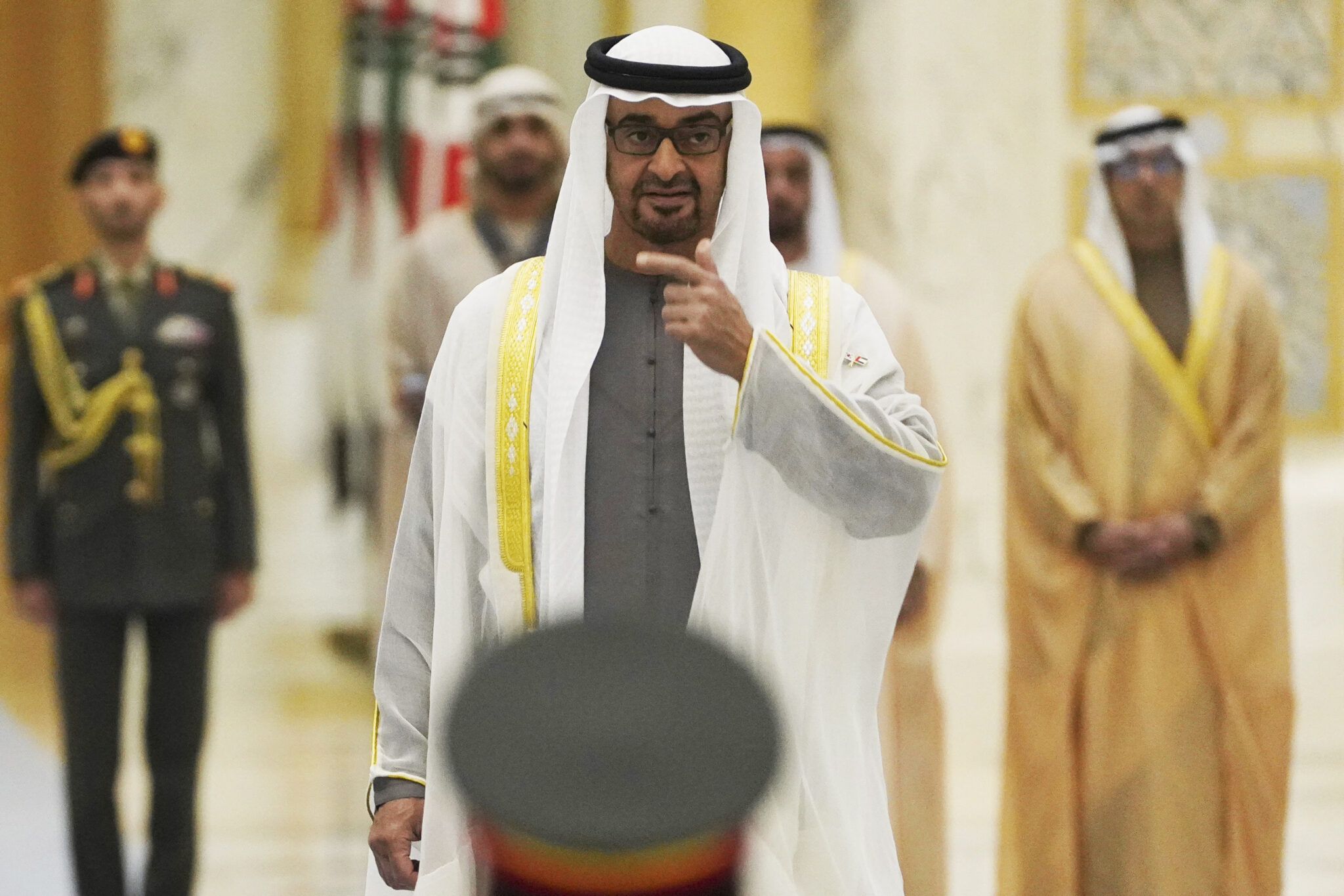
United Arab Emirates to Leave OPEC, OPEC+ May 1 Amid Saudi Tensions/ Newslooks/ WASHINGTON/ J. Mansour/ Morning Edition/ The United Arab Emirates announced it will officially leave OPEC and the wider OPEC+ alliance effective May 1. The move follows growing frustration over production limits and increasingly tense relations with neighboring Saudi Arabia. UAE leaders say the decision reflects a long-term strategy focused on expanding domestic energy production and greater independence in global oil markets.
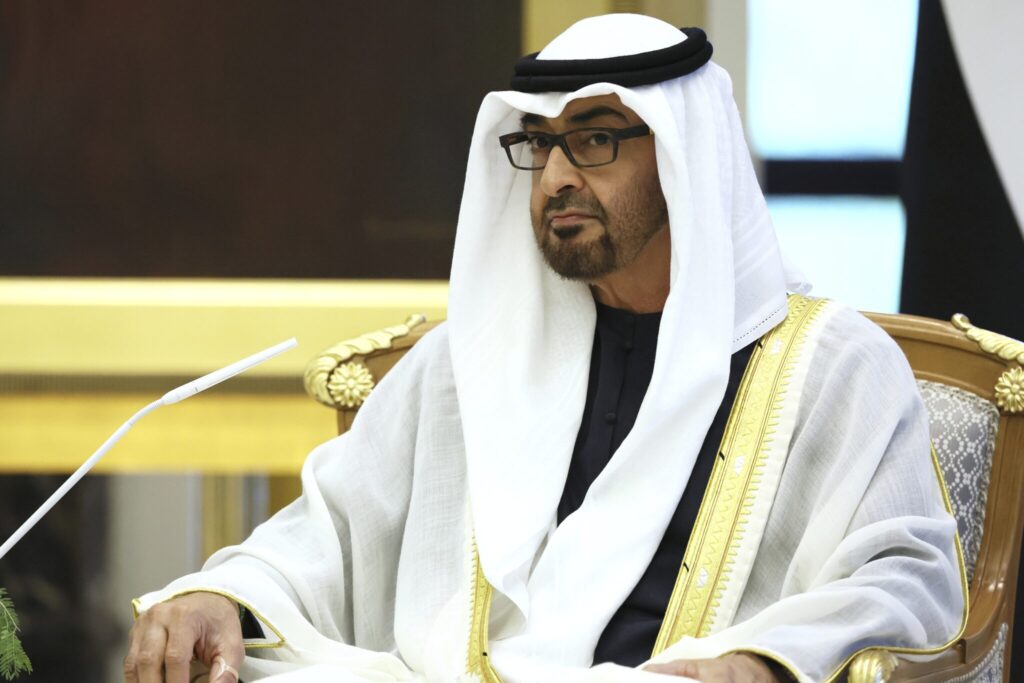
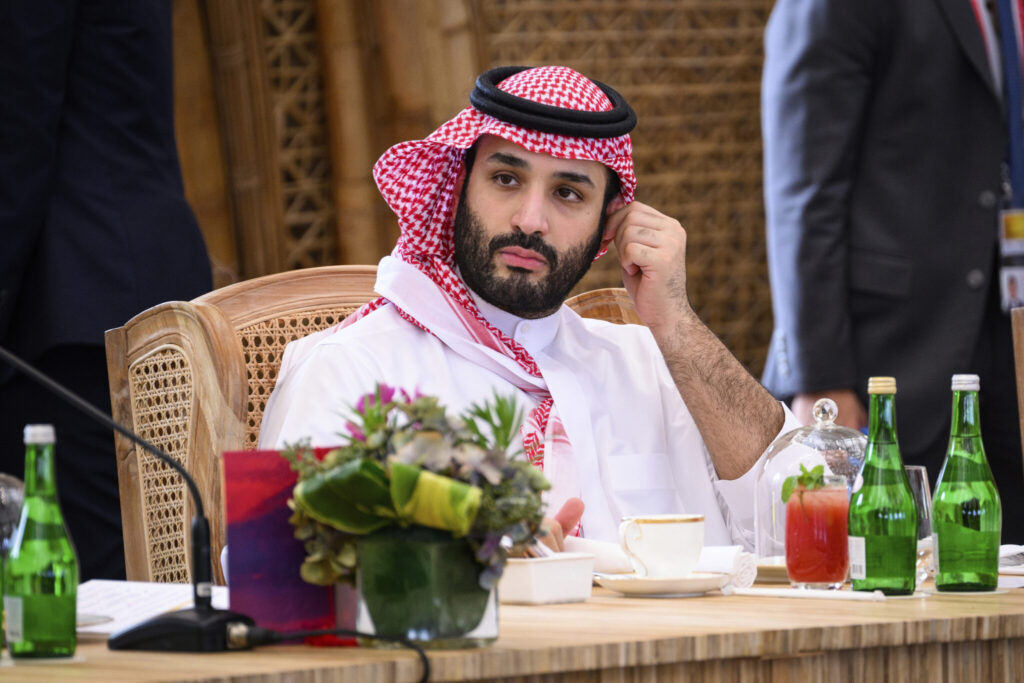
UAE OPEC Exit Quick Looks
- UAE to leave OPEC and OPEC+ on May 1
- Country cites long-term strategic and economic vision
- Move follows years of frustration over output restrictions
- Tensions with Saudi Arabia have grown over regional influence
- UAE wants greater flexibility in oil production policy
- Saudi Arabia remains OPEC’s dominant power
- UAE was a longtime OPEC member since 1967
- Exit could reshape Middle East energy dynamics
Deep Look
UAE Announces Historic Exit From OPEC
The United Arab Emirates has announced it will leave OPEC and the broader OPEC+ alliance effective May 1, marking one of the most significant changes to the global oil landscape in years.
The decision had been rumored for months as the UAE increasingly expressed frustration over production restrictions imposed by the oil cartel and as its political relationship with neighboring Saudi Arabia became more strained.
The announcement was made Tuesday through the UAE’s state-run WAM news agency.
Officials said the move reflects the country’s long-term strategic direction and its evolving role in international energy markets.
Why the UAE Is Leaving
In its official statement, the UAE said the decision is tied to its broader economic and energy ambitions.
“This decision reflects the UAE’s long-term strategic and economic vision and evolving energy profile,” the statement said.
The government highlighted accelerated investments in domestic energy production and its desire to play what it called a “responsible, reliable, and forward-looking role” in global markets.
In simple terms, the UAE wants more control over how much oil it produces and when it brings that oil to market.
OPEC membership often requires countries to accept production limits designed to stabilize prices, and the UAE has increasingly pushed back against those restrictions.
A Longtime OPEC Member Steps Away
The UAE has deep roots inside OPEC.
It first joined through Abu Dhabi in 1967, before the modern UAE was officially formed in 1971.
For decades, it remained one of the organization’s most important Gulf producers alongside Saudi Arabia, Kuwait, and Iraq.
Its departure is symbolically significant because it signals growing cracks within the alliance, especially among its wealthiest and most strategically important members.
Leaving OPEC does not mean the UAE will stop producing oil—it means it will no longer be bound by cartel production agreements.
Saudi Arabia and UAE Relations Have Changed
A major reason behind the split is the increasingly complicated relationship between the UAE and Saudi Arabia.
For years, the two countries were seen as close strategic allies, often acting together on major regional issues.
But that relationship has shifted as both countries compete more aggressively for economic influence, investment, and political leadership in the Middle East.
That has created direct competition with Dubai and Abu Dhabi, which have long served as the region’s primary financial and investment hubs.
Competition Beyond Oil
The rivalry extends far beyond crude production.
Both nations want to be seen as the dominant economic power in the Gulf.
That competition has made cooperation inside OPEC more difficult.
The UAE has grown less willing to accept policies that it believes primarily serve Saudi Arabia’s leadership position inside the cartel.
Yemen Conflict Exposed Deeper Fractures
The political divide became even more visible through the war in Yemen.
But over time, that alliance weakened as both countries backed different groups inside Yemen.
Tensions escalated further late last year when Saudi Arabia bombed what it described as a weapons shipment bound for Yemeni separatists supported by the UAE.
That incident deepened mistrust between the two governments and highlighted how far their strategic interests had diverged.
Saudi Arabia Still Dominates OPEC
Despite the UAE’s departure, Saudi Arabia remains the undisputed heavyweight inside OPEC.
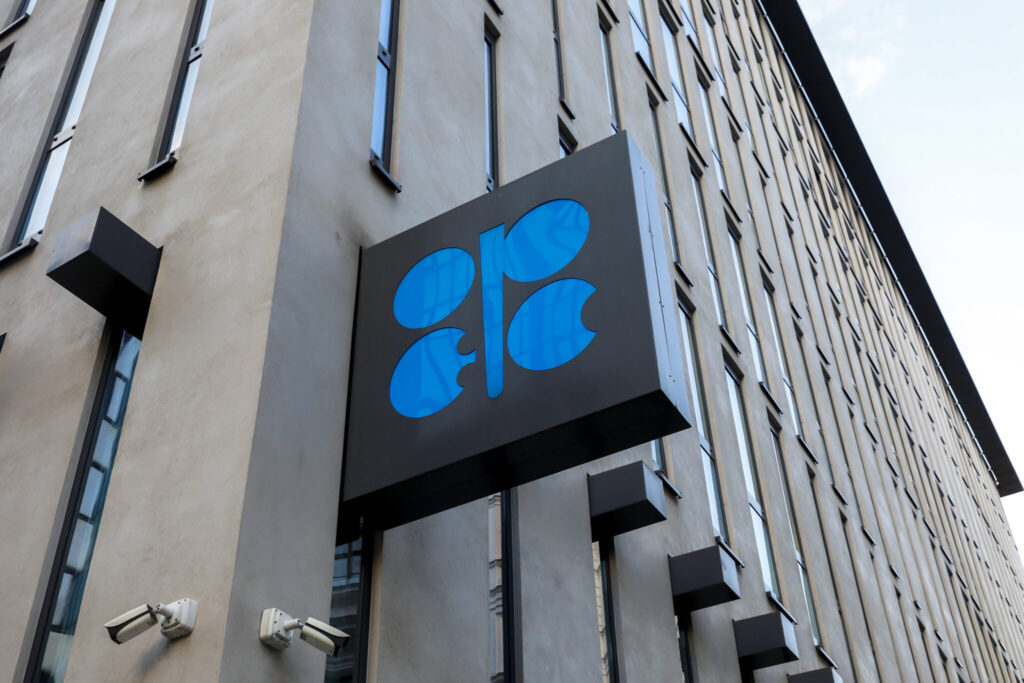
The cartel, headquartered in Vienna, has historically relied on Saudi production decisions to stabilize global oil prices.
However, OPEC’s overall power has weakened in recent years as the United States dramatically increased domestic oil production.
American shale production has reduced OPEC’s ability to fully control global supply and pricing.
That shift has made internal unity even more important for the group.
The UAE leaving adds new uncertainty to that balance.
What Happens to OPEC+?
The UAE is not only leaving OPEC but also the wider OPEC+ framework, which includes major non-member producers like Russia.
OPEC+ became especially important after global energy disruptions tied to wars, sanctions, and inflation reshaped oil markets.
The group has coordinated output decisions to keep prices stable and protect revenues for producing nations.
The UAE stepping away raises questions about whether other countries could eventually consider similar moves if internal tensions continue.
Global Markets Watching Closely
The UAE said it will continue increasing oil production “in a gradual and measured manner” based on demand and market conditions.
That wording is important because it suggests the country does not want to trigger a price war or create sudden market instability.
Still, traders and governments will closely watch how much additional oil the UAE actually releases once it is fully outside cartel restrictions.
Even small changes in Gulf production can have major effects on energy prices worldwide.
Saudi Media Pullback Signals Tension
Another sign of worsening relations is the shift in Saudi media operations.
This reflects broader efforts by Riyadh to reduce dependence on UAE business infrastructure and strengthen Saudi domestic industries.
It also shows that the tension is not limited to politics—it is affecting business strategy across the region.
A Turning Point for Gulf Power Politics
The UAE’s decision to leave OPEC is about much more than oil quotas.
It signals a major realignment in Gulf politics and economic strategy.
Abu Dhabi is making it clear that it wants more independence, more production flexibility, and less dependence on Saudi-led regional structures.
For Saudi Arabia, it is a reminder that even longtime allies are increasingly willing to challenge Riyadh’s leadership.
For global markets, it introduces fresh uncertainty at a time when energy prices are already under pressure from conflict and supply disruptions.
What Comes Next
May 1 will officially mark the end of the UAE’s OPEC membership, but the larger consequences will unfold over time.
How Saudi Arabia responds—and whether other OPEC members follow the UAE’s example—could determine the future of the cartel itself.
For now, one thing is clear:
One of OPEC’s most important members has decided it no longer wants to play by OPEC’s rules.
That decision could reshape the global oil market for years to come.