FCC Challenges ABC Licenses as Trump Demands Jimmy Kimmel Be Fired/ Newslooks/ WASHINGTON/ J. Mansour/ Morning Edition/ The Trump administration has escalated pressure on ABC by ordering early license renewal reviews for its TV stations amid controversy involving late-night host Jimmy Kimmel. The FCC says the move is tied to an investigation into Disney’s diversity programs, but critics call it political retaliation over Kimmel’s criticism of President Donald Trump. Disney says ABC fully complies with FCC rules and is prepared to defend its licenses through legal channels.
ABC Jimmy Kimmel FCC Fight Quick Looks
- FCC orders early renewal review for ABC stations
- Trump pressures ABC to fire Jimmy Kimmel
- Disney faces legal fight over station licenses
- FCC cites DEI investigation as official reason
- Critics call move political retaliation
- Kimmel defends free speech in monologue
- Disney publicly backs ABC and its stations
- Experts say license revocation is highly unlikely
Deep Look
Trump Administration Escalates Pressure on ABC Over Jimmy Kimmel
The Trump administration has sharply increased pressure on ABC and its parent company The Walt Disney Company by launching an extraordinary review of the network’s television station licenses.
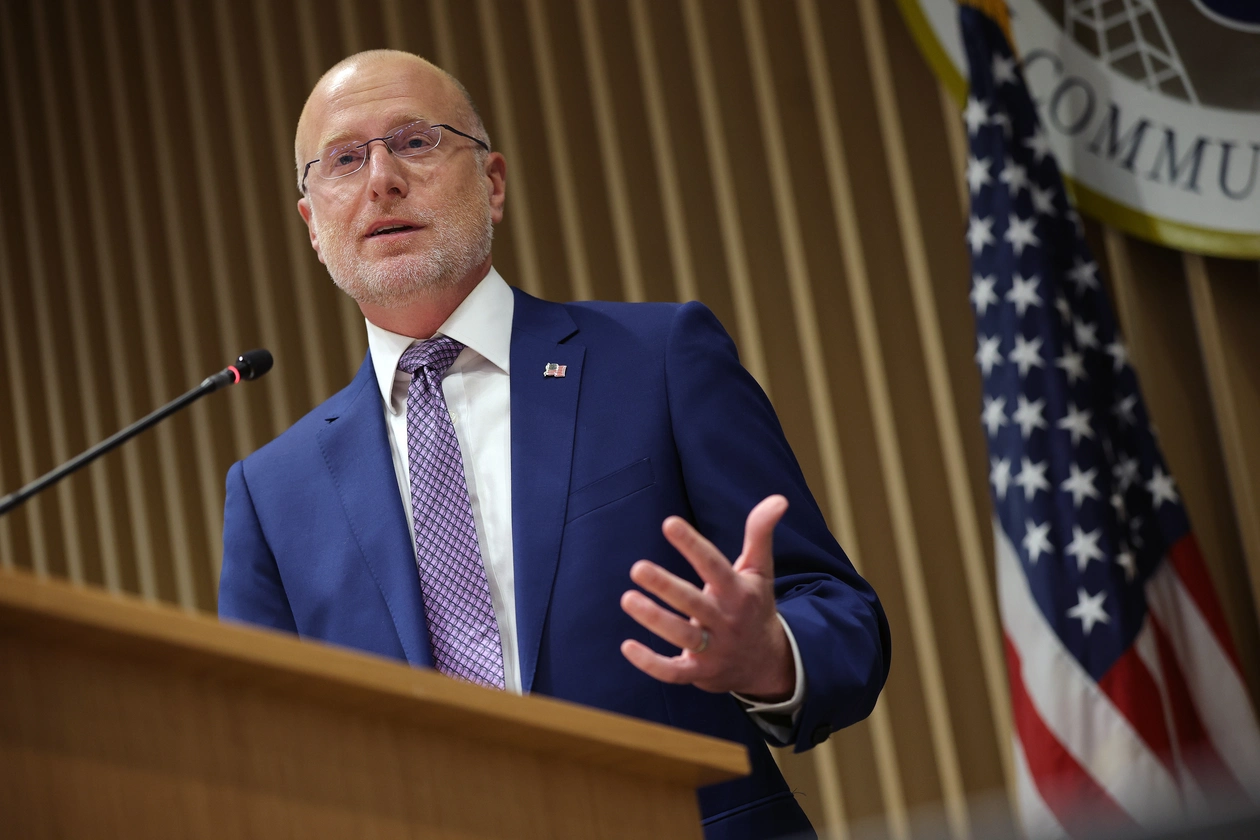
The Federal Communications Commission (FCC), led by Trump-aligned Chairman Brendan Carr, issued an order directing Disney’s ABC to file early license renewals for all of its owned and operated television stations within 30 days.
That means ABC must submit renewal filings by May 28, even though the licenses are not due for renewal for years.
The move follows growing political pressure from President Donald Trump, who has publicly demanded that late-night host Jimmy Kimmel be fired after comments tied to the White House Correspondents’ Dinner controversy.
The decision is being viewed as one of the most aggressive government actions taken against a major broadcaster in decades.
Trump Wants Jimmy Kimmel Fired
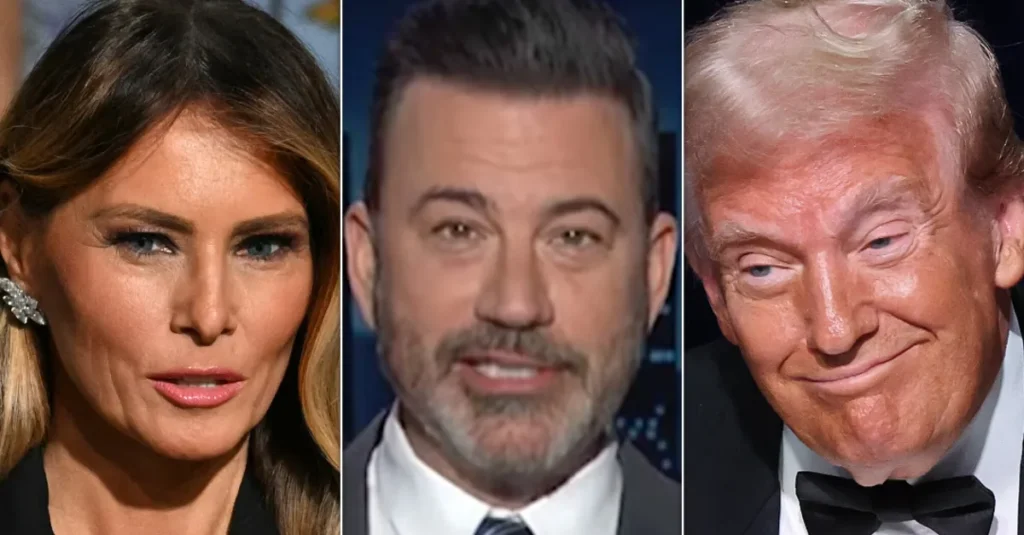
The immediate political backdrop involves Trump’s anger over Kimmel’s recent jokes and comments about First Lady Melania Trump.
Following the shooting incident outside the White House Correspondents’ Dinner, Trump used Truth Social to blame Kimmel and declared that the ABC host “should be immediately fired.”
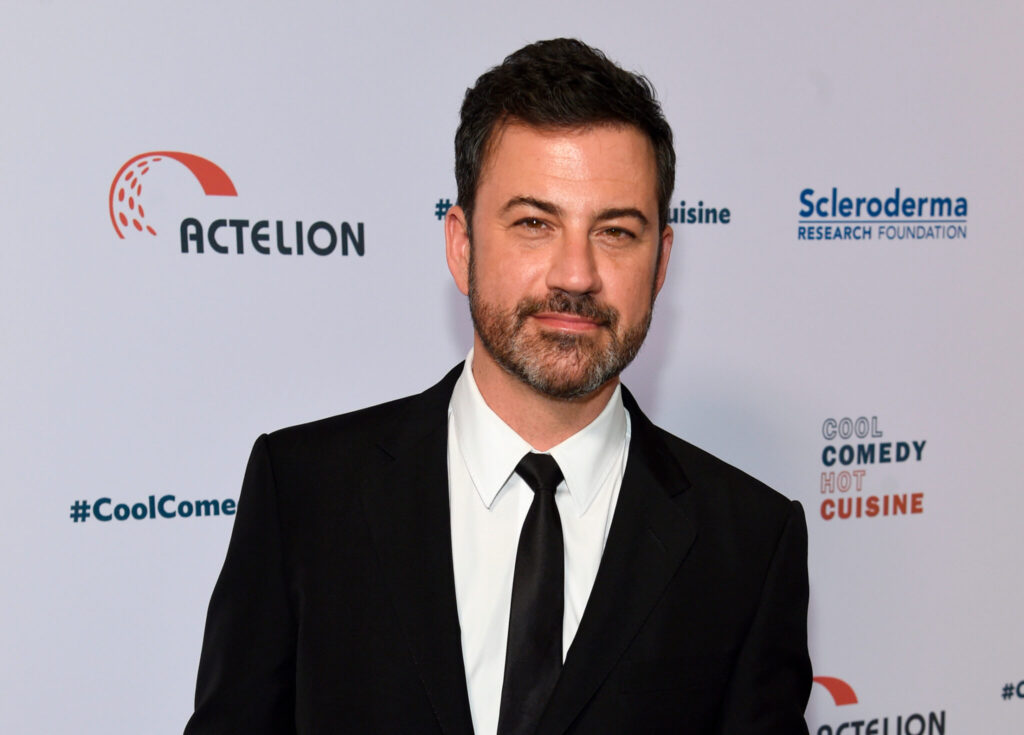
Rather than back down, Kimmel addressed the issue directly during his Monday night monologue.
He defended his remarks and explained that his joke about Melania Trump looking like an “expectant widow” was a reference to the president’s age and their age difference—not a violent suggestion.
Kimmel also strongly defended free speech.
“Trump is allowed to say whatever he wants to say, as are you and as am I,” he told viewers.
“Because under the First Amendment we have as Americans the right to free speech.”
The monologue quickly gained millions of views online and drew praise from free speech advocates and media critics.
Disney Responds by Standing Behind ABC
While Disney chose not to immediately respond to Trump’s public demand to fire Kimmel, its actions sent a clear message.
The company aired Kimmel’s show Monday night as usual, which many observers saw as its strongest form of support.
Disney later issued a formal statement defending ABC’s broadcast operations and its record with the FCC.
“ABC and its stations have a long record of operating in full compliance with FCC rules and serving their local communities,” the company said.
Disney added that it is confident its stations remain fully qualified under both the Communications Act and the First Amendment and is prepared to defend that record in court if necessary.
The company made clear that it does not intend to fold under political pressure.
FCC Says It’s About DEI, Critics Say It’s About Retaliation
Officially, the FCC says the early renewal order is tied to an ongoing investigation into Disney’s diversity, equity, and inclusion (DEI) programs.
The agency claims it is examining whether ABC may have violated federal communications law related to unlawful discrimination.
Chairman Brendan Carr has repeatedly argued that DEI programs at large corporations may violate FCC standards and create “character” concerns for broadcast license holders.
Carr recently said evidence from the Disney investigation suggests the company may have categorized employees based on race and gender.
That, he argued, could justify deeper scrutiny of ABC’s licenses.
But critics widely reject that explanation.
Many believe the real reason is retaliation over Kimmel’s criticism of Trump and ABC’s refusal to silence him.
A Rare FCC Move With Little Modern Precedent
Legal experts say the FCC’s early renewal demand is almost unheard of for a major broadcaster.
Public interest lawyer Andrew Jay Schwartzman said this kind of regulatory weapon “hasn’t been deployed against a major broadcaster in many decades.”
Normally, local TV station licenses are renewed every eight years, and revocations are extremely rare.
The eight licenses involved belong to ABC-owned stations in major cities such as New York and Chicago—not the hundreds of affiliate stations owned by outside companies.
Even more unusual is that the licenses are not even close to expiring.
Carr had hinted at the move earlier when he posted online that the Communications Act allows the FCC to call in licenses for early renewal.
Now, that power is being tested in one of the highest-profile media fights of Trump’s second term.
The Process May Be the Punishment
Many analysts believe the FCC may not expect to actually revoke the licenses.
Instead, they argue the goal is pressure itself.
FCC Commissioner Anna Gomez called the move “unprecedented, unlawful, and going nowhere.”
She said:
“This political stunt won’t stick. Companies should challenge it head-on. The First Amendment is on their side.”
Other legal observers say the long review process—along with hearings, investigations, and legal expenses—creates the punishment even if ABC ultimately wins.
“The legal standard for denying a license renewal is almost insurmountable,” Schwartzman said.
The broadcaster can continue operating normally during the lengthy legal process, which could take years.
Free Press Advocates Warn of Dangerous Precedent
Press freedom organizations have also strongly criticized the FCC action.
Freedom of the Press Foundation said the government cannot use broadcast licenses to punish constitutionally protected content.
Its chief advocacy officer, Seth Stern, said:
“The FCC is neither the journalism police nor the humor police.”
He accused Carr of abandoning long-standing legal principles to please Trump politically.
Many media watchdogs warn that allowing governments to threaten broadcasters over content decisions would create a dangerous precedent for press freedom in the United States.
They argue that if comedians, journalists, or networks fear license retaliation, independent journalism itself becomes vulnerable.
ABC Also Facing Scrutiny Over “The View”
The Kimmel controversy is not the only area where ABC is under FCC scrutiny.
Earlier this year, the FCC sent a letter of inquiry regarding ABC’s daytime talk show The View.
The agency signaled a possible investigation into whether “equal time” rules were violated because of the show’s frequent liberal political commentary.
Conservative critics have long targeted The View as an example of media bias.
That investigation, combined with the DEI probe and now the station license review, suggests a much broader pressure campaign against Disney’s news and entertainment operations.
A Larger Fight Over Media Power
At its core, this is no longer just a Jimmy Kimmel controversy.
It is becoming a major test of how far a White House can use federal regulatory power against a media company it views as hostile.
Trump’s critics see political intimidation.
His supporters argue broadcasters should not be shielded from accountability.
Either way, ABC now faces a major legal and constitutional battle—one that could shape the future relationship between government power, television networks, and the First Amendment.
And for Disney, the message from Washington is unmistakable:
The fight is no longer just on television.
It is now in federal court.