US to Withdraw 5,000 Troops from Germany in 6-12 Months After Trump’s Threat/ Newslooks/ WASHINGTON/ J. Mansour/ Morning Edition/ The United States will withdraw 5,000 troops from Germany within a year. The move follows rising tensions between President Donald Trump and Germany’s leadership. Critics warn the decision could weaken NATO and benefit geopolitical rivals.
US Troop Withdrawal Germany Quick Looks
- 5,000 U.S. troops set to leave Germany within 6–12 months
- Decision tied to Pentagon’s strategic force posture review
- Move follows tensions between Donald Trump and German leadership
- Germany hosts key U.S. military bases and nuclear assets
- Critics warn of risks to NATO strength and European security
- European leaders call for greater regional defense responsibility
Deep Look
Pentagon Confirms Planned Troop Withdrawal
The United States has announced plans to withdraw approximately 5,000 troops from Germany over the next six to twelve months, marking a significant shift in its military presence in Europe. The Pentagon confirmed the move Friday, stating it aligns with broader strategic evaluations and evolving global priorities.
Pentagon spokesman Sean Parnell emphasized that the decision is rooted in careful analysis, noting that the “decision follows a thorough review of the Department’s force posture in Europe and is in recognition of theater requirements and conditions on the ground.”
This withdrawal represents roughly 14% of the 36,000 U.S. service members currently stationed in Germany, signaling a notable reduction in American military footprint in one of its most critical European hubs.
Tensions Between Trump and Germany Escalate
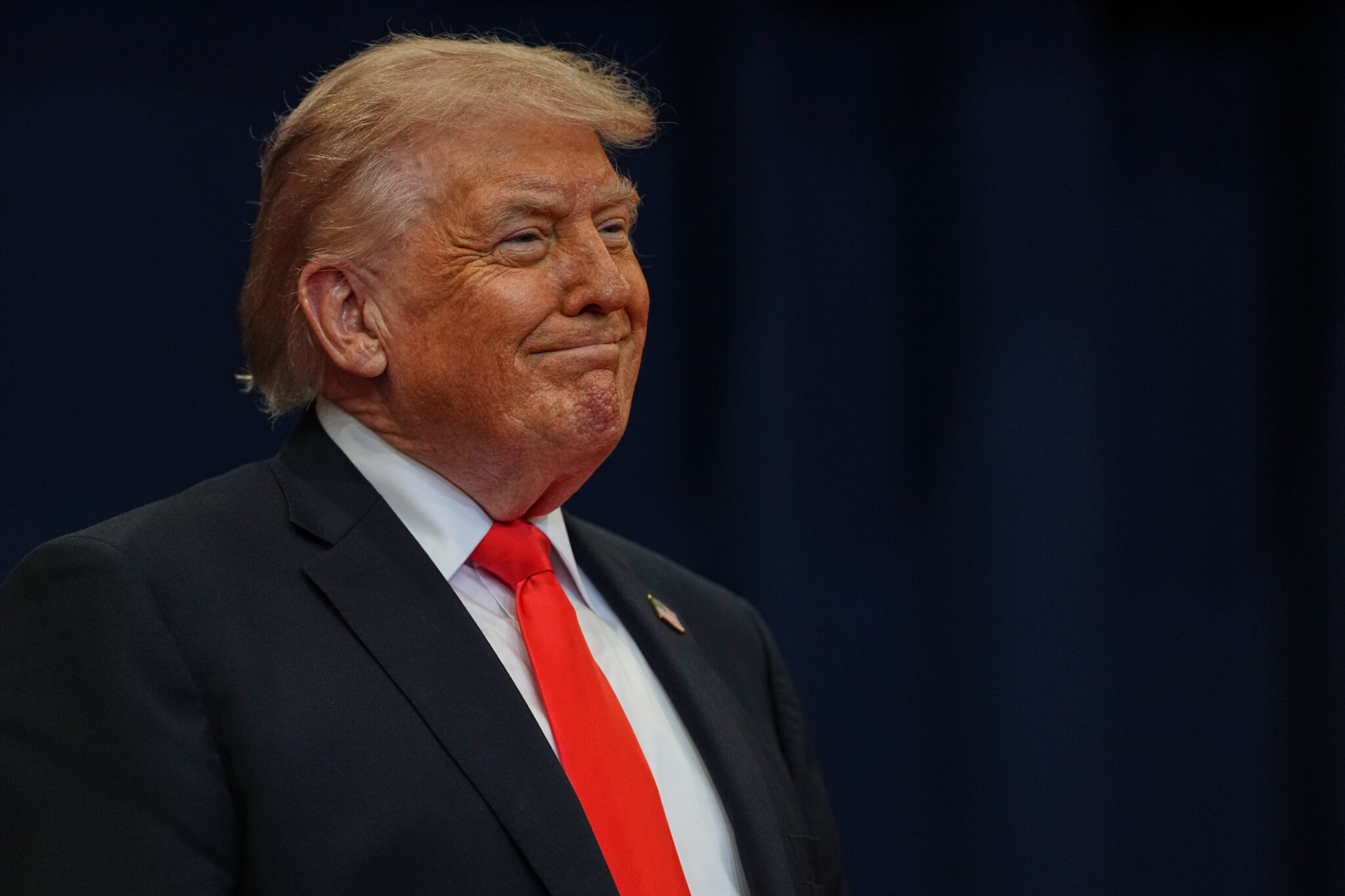
The decision comes amid escalating political friction between President Donald Trump and German Chancellor Friedrich Merz. Earlier in the week, Trump threatened troop reductions after Merz sharply criticized U.S. strategy in the ongoing war with Iran.
Merz described the United States as being “humiliated” by Iranian leadership, highlighting growing transatlantic disagreements over military and diplomatic approaches.
Trump has repeatedly expressed frustration with NATO allies, accusing them of failing to provide adequate support during conflicts. His administration has increasingly pushed European nations to take greater responsibility for their own defense.
Germany’s Strategic Role in U.S. Military Operations
Germany has long served as a cornerstone of U.S. military operations in Europe. It hosts critical infrastructure, including major command headquarters, Ramstein Air Base, and a medical facility in Landstuhl that has treated casualties from conflicts in Afghanistan and Iraq.
Additionally, U.S. nuclear weapons are stationed in Germany, underscoring the country’s importance in NATO’s deterrence strategy.
Despite the planned withdrawal, German Defense Minister Boris Pistorius acknowledged that the move was not entirely unexpected. He called it “foreseeable” while emphasizing the mutual benefits of the U.S. military presence.
“The presence of American soldiers in Europe, and especially in Germany, is in our interest and in the interest of the U.S.,” Pistorius said.
He also stressed the need for Europe to step up its defense capabilities, adding: “We Europeans must take on more responsibility for our security.”
Concerns Over NATO and Global Security
The announcement has drawn immediate criticism from U.S. lawmakers and defense experts, who argue that reducing troop levels could weaken NATO and embolden adversaries such as Russia.
Sen. Jack Reed voiced strong opposition, stating the withdrawal “suggests American commitments to our allies are dependent on the president’s mood.”
“The president should immediately cease this reckless action before he causes irreversible consequences for our alliances and long-term national security,” Reed said.
Defense analysts echoed these concerns. Bradley Bowman of the Foundation for Defense of Democracies noted that U.S. forces in Europe play a crucial role beyond regional defense.
The presence, he said, “not only strengthens deterrence against additional Kremlin aggression but also facilitates the projection of American military power into the Mediterranean, the Middle East, and Africa.”
A Continuation of Longstanding Policy Debates
This is not the first time Trump has proposed reducing U.S. troop levels in Germany. During his first term, he suggested withdrawing nearly 9,500 troops, though the plan was never fully implemented. Former President Joe Biden later halted the proposal after taking office in 2021.
Trump has consistently criticized NATO allies for what he sees as insufficient contributions, particularly during military conflicts. The current war involving Iran, which began on Feb. 28 with U.S.-Israeli strikes, has intensified these disagreements.
In recent remarks, Trump reiterated his stance, suggesting Germany should focus more on European conflicts. He commented that the German leader should “spend more time on ending the war with Russia/Ukraine” and “fixing his broken Country” rather than focusing on Iran.
Europe Prepares for Strategic Shift
European nations have been anticipating a potential reduction in U.S. military presence since Trump returned to office. Washington has increasingly signaled that Europe must take primary responsibility for its own defense, including support for Ukraine.
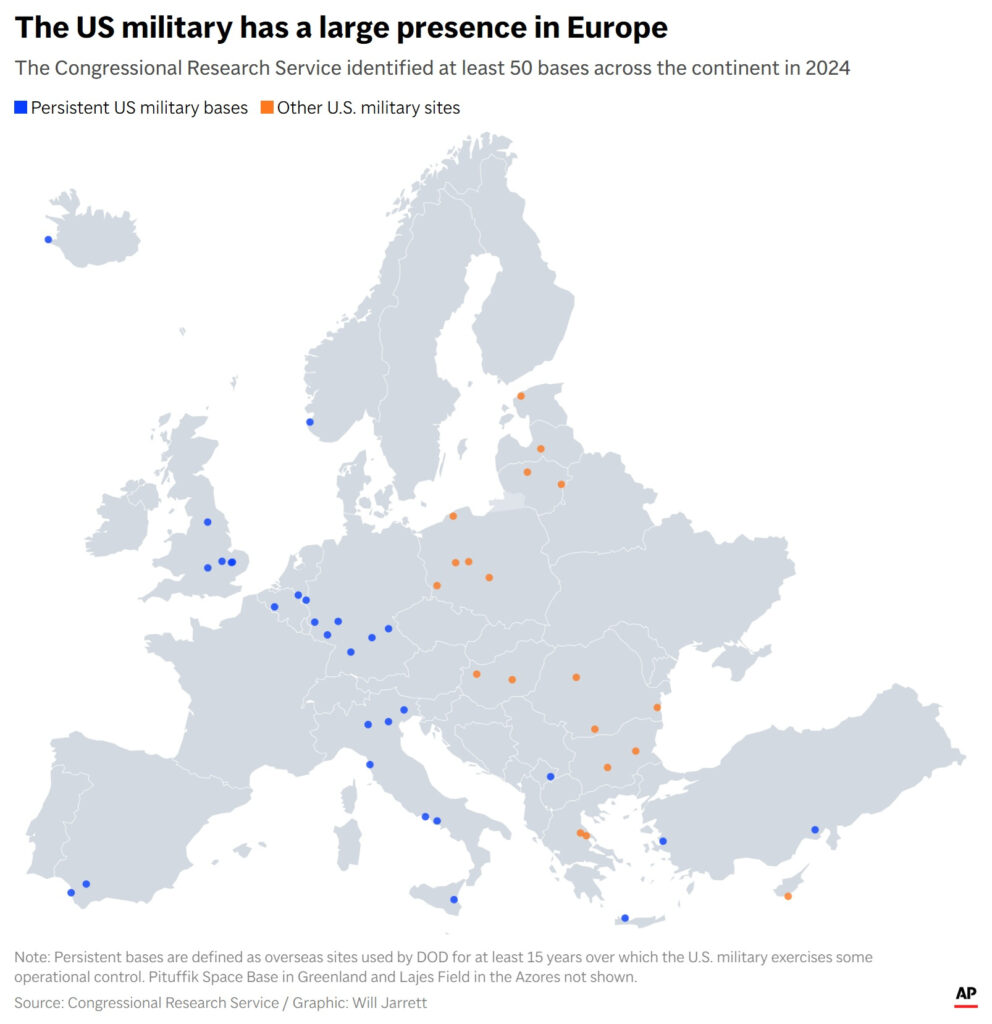
Currently, between 80,000 and 100,000 U.S. personnel are stationed across Europe, depending on deployments and rotations. Analysts believe that troops sent after Russia’s 2022 invasion of Ukraine may be among the first to be withdrawn.
Security experts also point to additional concerns, such as the possible redeployment of U.S. missile systems and military resources from Europe to the Middle East, which could further alter regional defense dynamics.
Broader Implications for NATO Allies
The troop withdrawal could have ripple effects across NATO, particularly for countries that rely heavily on U.S. military support. Past reductions have already caused unease among allies, including Romania, where NATO operates key facilities.
As the U.S. recalibrates its global military strategy, European nations face increasing pressure to strengthen their own defenses and coordinate more closely within the alliance.