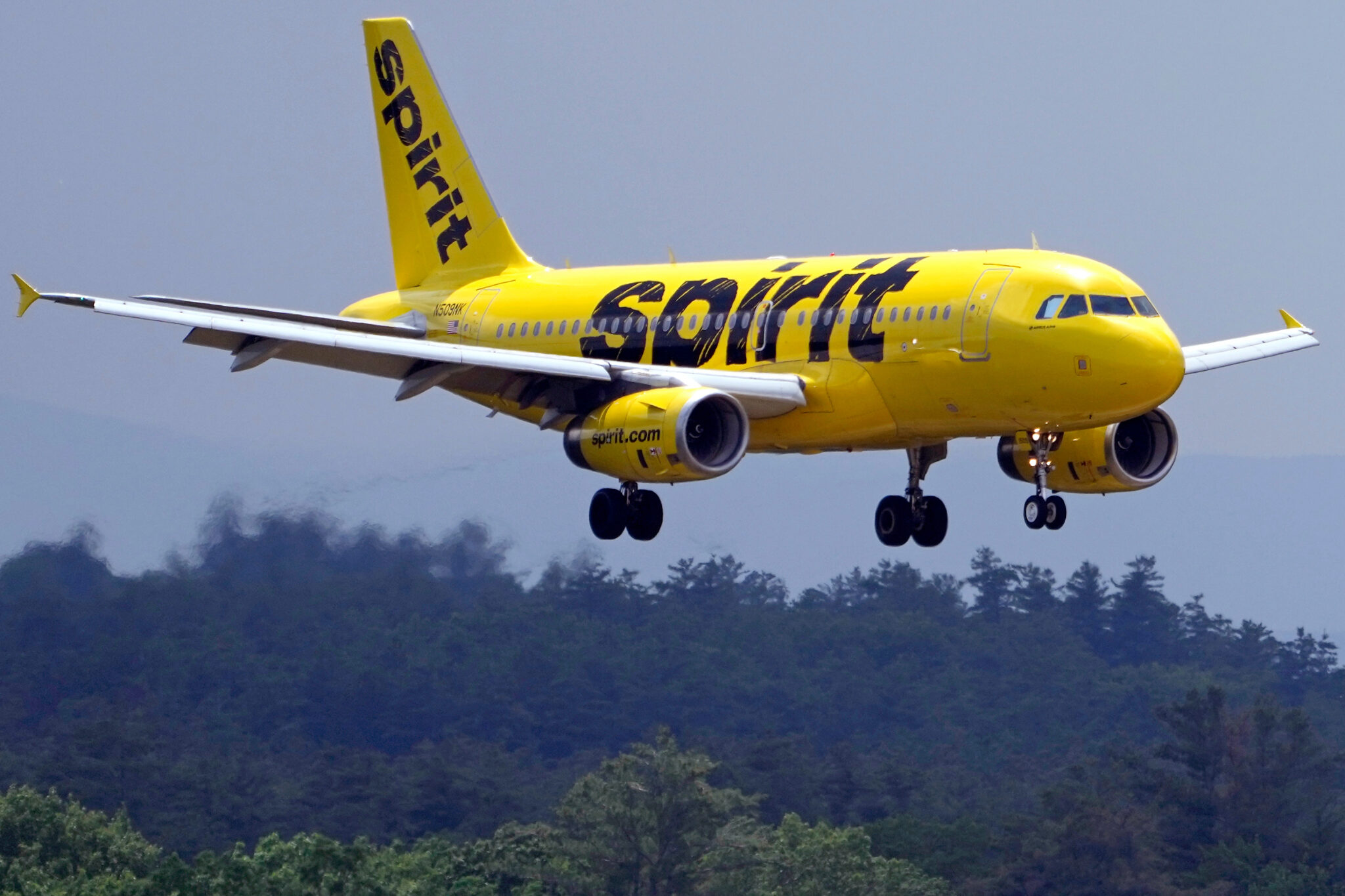
Spirit Airlines Shuts Down After 34 Years Operations/ Newslooks/ WASHINGTON/ J. Mansour/ Morning Edition/ Spirit Airlines has shut down after 34 years of operations. All flights are canceled, leaving passengers and employees stranded. The collapse follows financial struggles and a failed bailout effort.
Spirit Airlines Shutdown Quick Looks
- Spirit Airlines ends operations immediately after 34 years
- All flights canceled; customer service shut down
- About 17,000 employees impacted nationwide
- Government bailout talks failed before shutdown
- Other airlines offering limited $200 rescue fares
- Rising costs and debt led to financial collapse
Deep Look
Spirit Airlines Announces Immediate Shutdown
Spirit Airlines, long known for its bright yellow planes and ultra-low fares, has officially ceased operations after more than three decades in business. The company confirmed Saturday that it had begun “an orderly wind-down of our operations, effective immediately.”
The sudden shutdown means all flights have been canceled, and customer service channels are no longer available, leaving passengers scrambling for alternatives.
“We are proud of the impact of our ultra-low-cost model on the industry over the last 34 years and had hoped to serve our guests for many years to come,” the airline said in its final statement.
Passengers Left Stranded Nationwide
The immediate halt in operations has created widespread disruption for travelers across the United States. Transportation Secretary Sean Duffy issued a blunt warning to customers who had booked flights.
“If you have a flight scheduled with Spirit Airlines, don’t show up at the airport. There will be no one here to assist you,” Duffy said.
To ease the disruption, several major airlines — including United, Delta, JetBlue, and Southwest — are offering temporary $200 one-way fares for affected passengers who can provide proof of their Spirit bookings.
However, customers who purchased tickets through third-party vendors must seek refunds through those providers, adding another layer of complication.
Employees Face Uncertainty
The shutdown is expected to impact approximately 17,000 employees, including pilots, flight attendants, and ground crew. Spirit confirmed it is working to return more than 1,300 crew members to their home bases.
Meanwhile, other airlines have signaled they may offer job opportunities, including expedited hiring processes for displaced workers.
Despite these efforts, the sudden loss of jobs underscores the broader economic impact of the airline’s collapse.
Final Flights and Operational Wind-Down
Spirit’s final flight landed at Dallas Fort Worth International Airport, marking the end of an era for the budget carrier. The airline had once operated hundreds of daily flights and served millions of passengers annually.
In recent months, however, its operations had already been shrinking significantly as financial pressures mounted.
Failed Bailout and Government Consideration
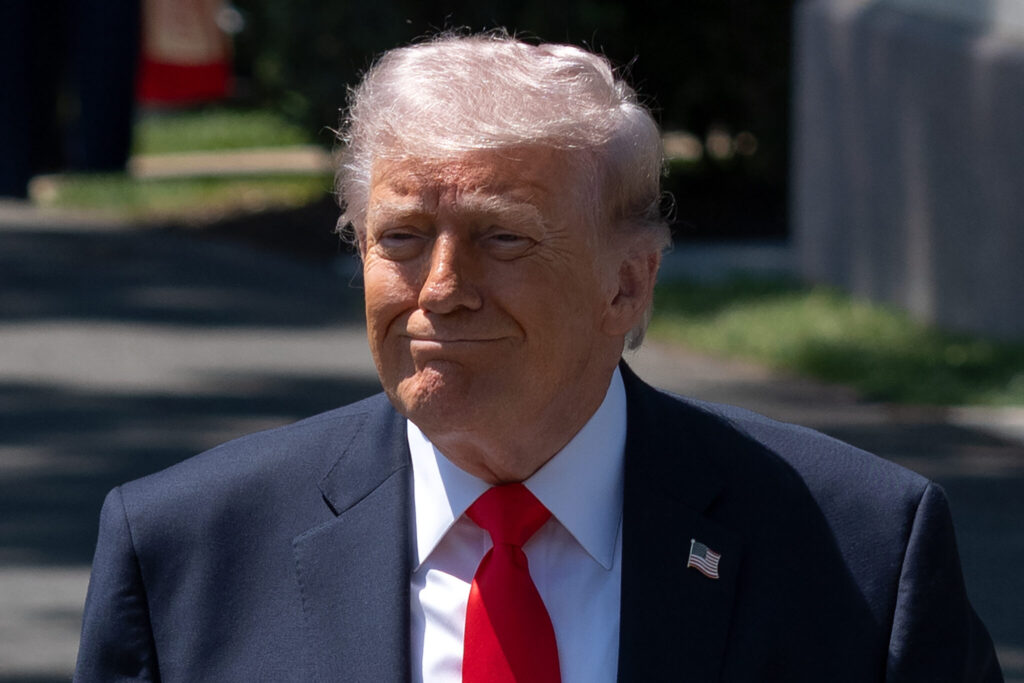
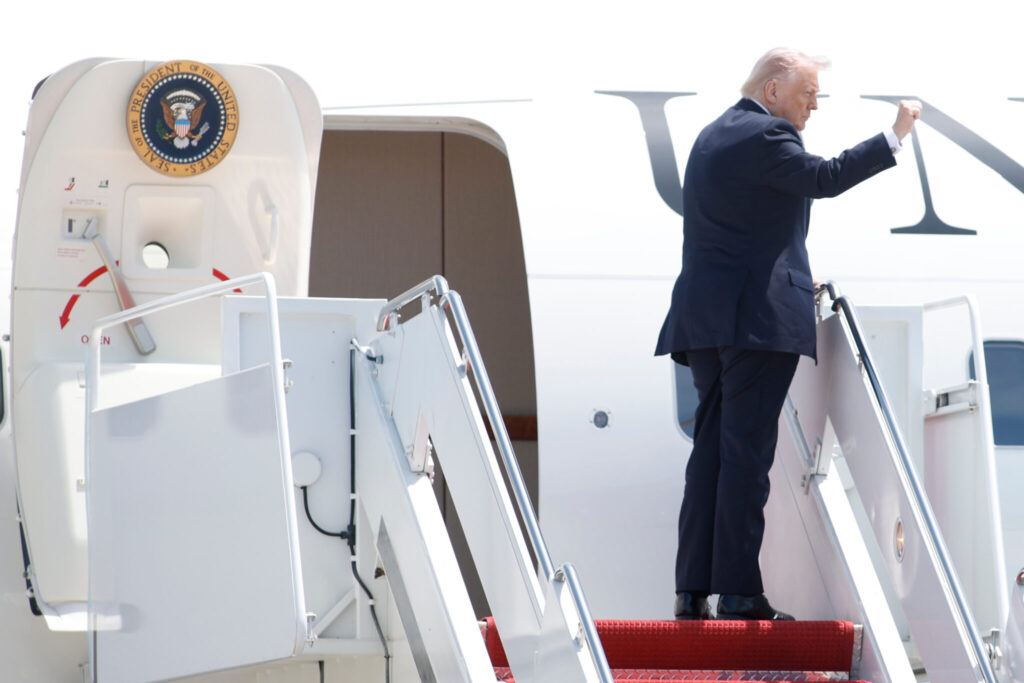
In the days leading up to the shutdown, the Trump administration had considered a potential government bailout to keep Spirit afloat. Discussions reportedly involved a $500 million proposal in exchange for a government stake in the airline.
President Donald Trump indicated interest in the deal, stating as recently as Friday that “we’re looking at it” and describing a “final proposal” under review.
However, no agreement was reached before the airline ceased operations.
Transportation Secretary Duffy acknowledged the financial constraints, saying, “we often times don’t have half a billion dollars laying around.”
Years of Financial Struggles
Spirit Airlines had been battling financial difficulties for years, with challenges intensifying after the COVID-19 pandemic. Rising operating costs, including surging jet fuel prices tied to the Iran war, further strained the company’s finances.
By November 2024, Spirit had filed for Chapter 11 bankruptcy protection after accumulating more than $2.5 billion in losses since 2020.
The airline sought bankruptcy protection again in August 2025, reporting $8.1 billion in debt against $8.6 billion in assets.
These ongoing financial pressures ultimately proved insurmountable.
Political Blame and Industry Impact
The airline’s collapse quickly became a point of political debate. The Trump administration criticized policies from the previous administration, including the decision to block a proposed merger between Spirit and JetBlue in 2023.
Supporters of a bailout, including labor unions, argued that saving the airline would preserve jobs and maintain competition in the airline industry.
Without Spirit, analysts warn that reduced competition could lead to higher ticket prices, particularly for budget-conscious travelers.
Impact on Travelers and Key Markets
Spirit’s absence is expected to hit leisure travelers hardest, especially in cities where the airline had a strong presence, including Las Vegas, Fort Lauderdale, and Orlando.
The carrier had already seen declining passenger numbers, flying about 1.7 million domestic travelers in February — significantly fewer than the previous year.
Capacity had also dropped sharply, with about half as many seats available compared to the same period in 2024.
End of a Disruptive Industry Player
Spirit Airlines built its reputation as a disruptor, offering low base fares while charging for extras. Its model forced competitors to adjust pricing strategies and opened air travel to millions of cost-conscious passengers.
With its closure, the airline industry loses one of its most recognizable and controversial players.