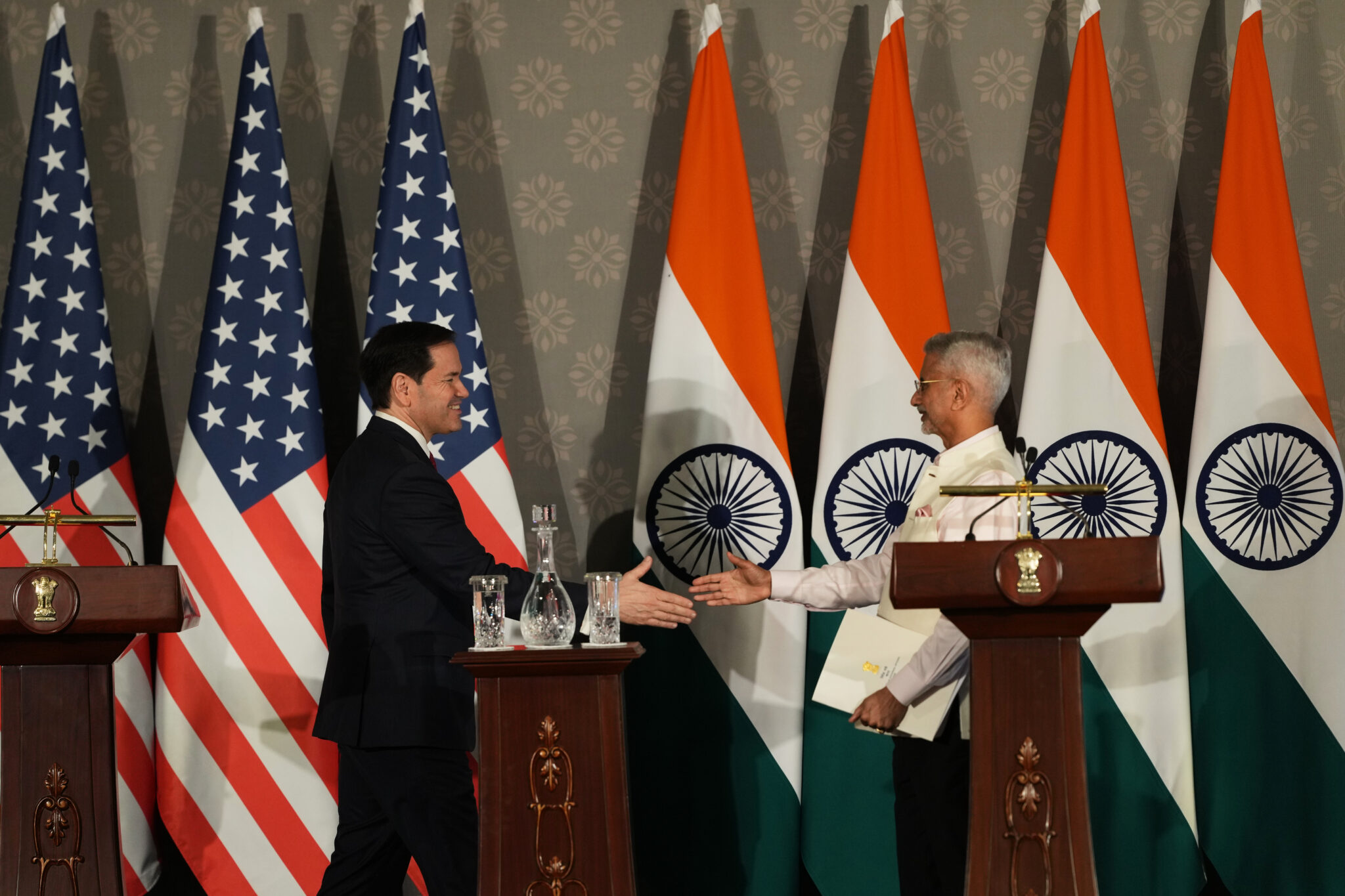
Marco Rubio Pushes Stronger India Alliance During New Delhi Visit/ Newslooks/ WASHINGTON/ J. Mansour/ Morning Edition/ U.S. Secretary of State Marco Rubio visited India to strengthen ties strained by tariffs, regional conflicts, and shifting global alliances. Rubio and Indian Foreign Minister Subrahmanyam Jaishankar emphasized strategic cooperation despite growing economic and diplomatic friction. The talks highlighted concerns over China, energy security, Pakistan, and the future of the Quad alliance.
US-India Relations Quick Looks
- Rubio made his first official India visit.
- US-India ties face growing trust issues.
- Trump tariffs strained economic relations.
- India continues diversified energy partnerships.
- Quad alliance remains strategically important.
- China remains a shared security concern.
- India uneasy over renewed US-Pakistan ties.
- Russian oil purchases fueled tensions.
- Both countries stress “national interests” first.
- Rubio optimistic about future trade agreement.
Deep Look
Rubio Visits India Amid Diplomatic Strains
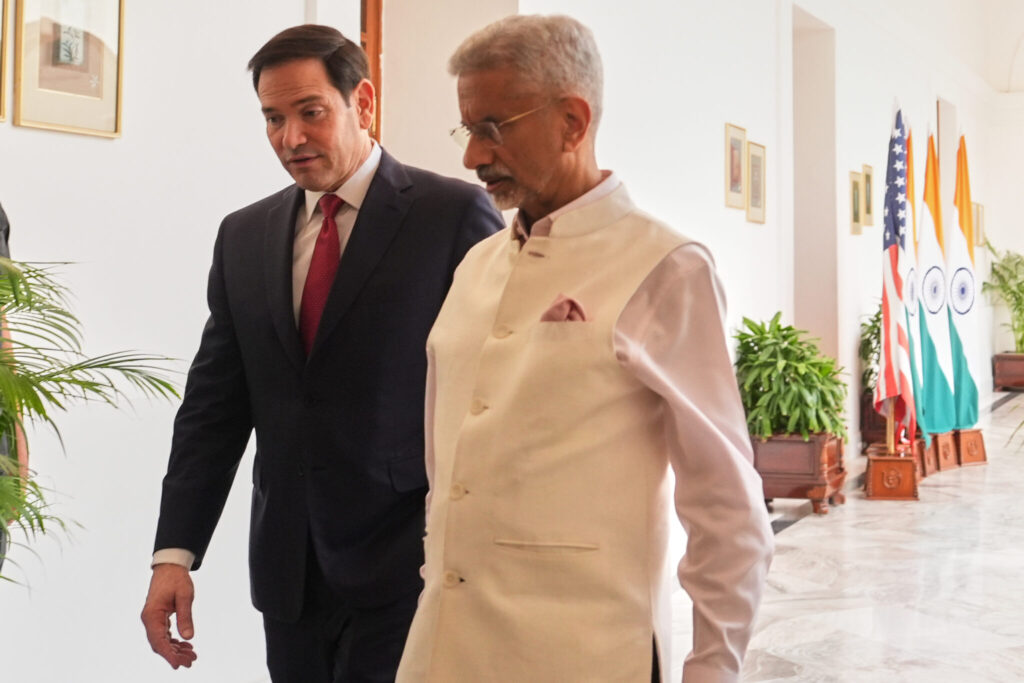
U.S. Secretary of State Marco Rubio traveled to New Delhi this weekend in an effort to stabilize relations between the United States and India, which officials and analysts say have deteriorated to their lowest point in more than 20 years.
Rubio’s trip comes amid:
- Trade disputes linked to Trump-era tariffs
- Rising tensions over energy policy
- Diverging approaches toward Pakistan and China
- Broader geopolitical shifts across Asia
The visit also included preparations for meetings involving the Quad alliance — made up of the United States, India, Japan, and Australia.
Rubio Calls India a Key Strategic Partner
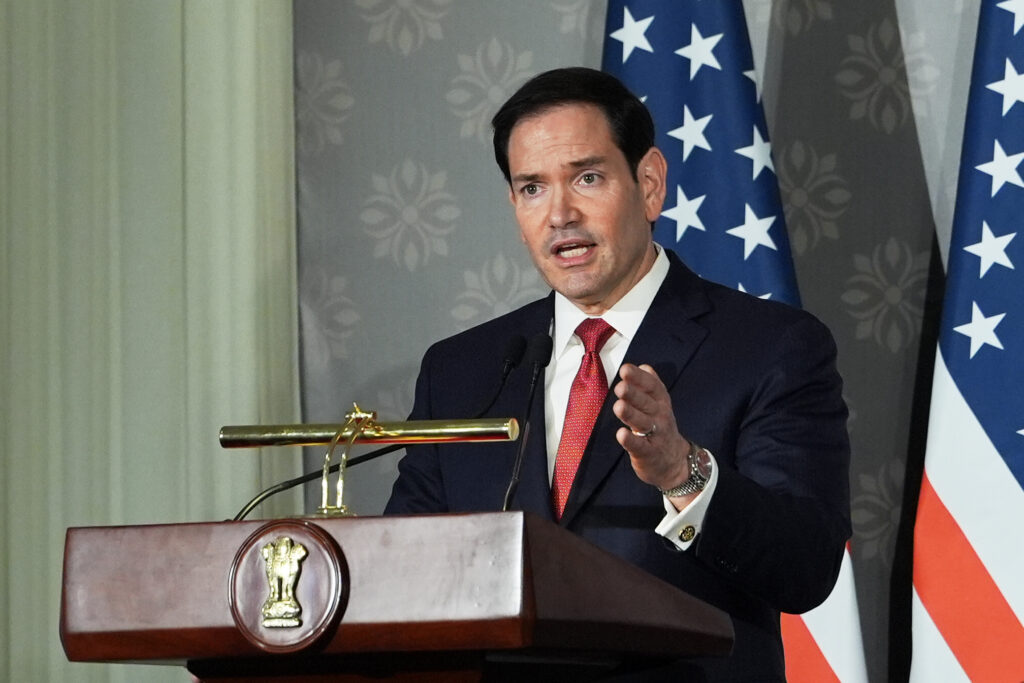
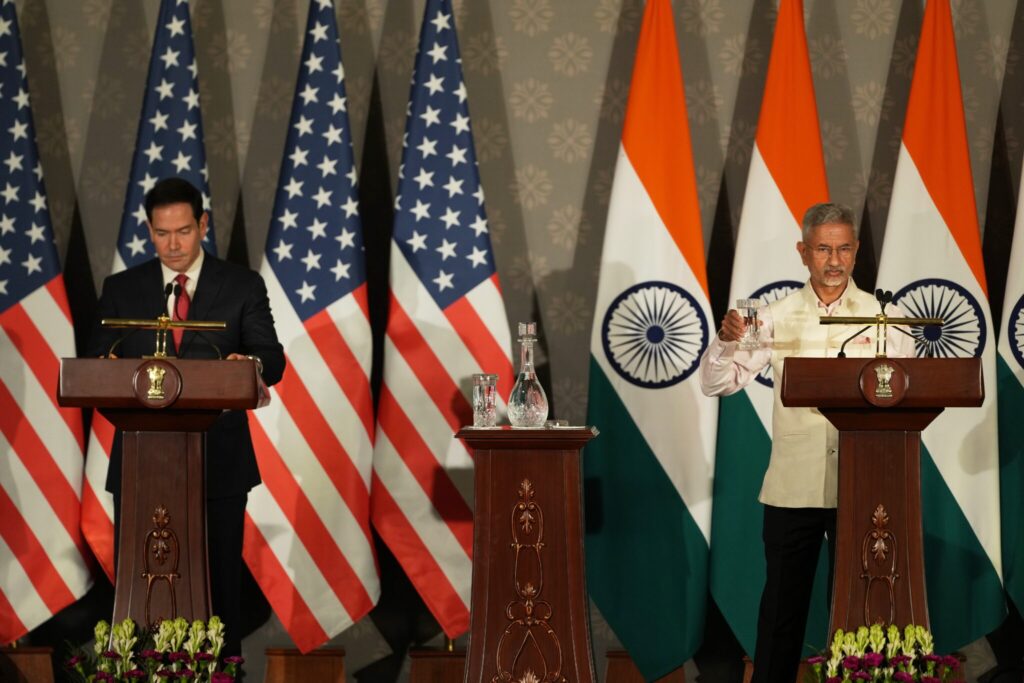
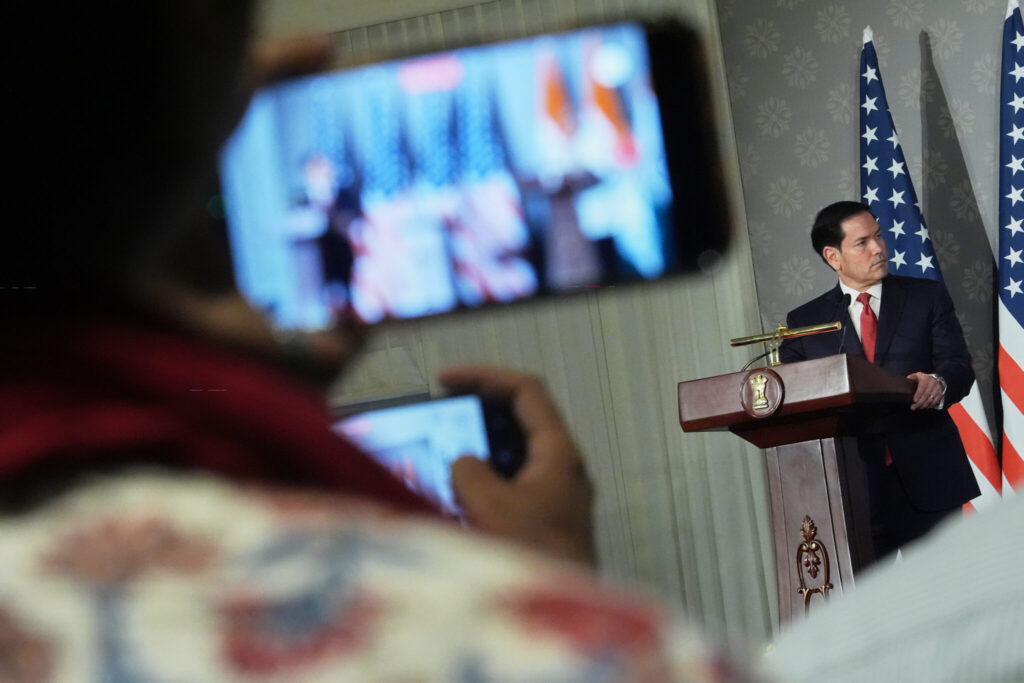
During joint remarks with Indian Foreign Minister Subrahmanyam Jaishankar, Rubio stressed that India remains one of America’s most important global partners.
“I don’t view our relation with any country in the world as coming at the expense of our strategic alliance with India,” Rubio said.
He also expressed optimism that both countries could eventually finalize a bilateral trade agreement despite ongoing economic disagreements.
Rubio emphasized that recent US tariff actions were part of a broader global economic strategy rather than policies specifically targeting India.
India Pushes “India First” Foreign Policy
Jaishankar responded by emphasizing that New Delhi, like Washington, prioritizes its own national interests.
“The Trump administration has been very forthright in putting forward its foreign policy outlook as America first,” Jaishankar said. “We have a view of India first.”
India has increasingly sought to balance relationships with multiple global powers while protecting its own strategic independence.
That includes maintaining ties with:
- Russia
- The European Union
- Gulf nations
- The United States
Energy and Oil Remain Sensitive Issues
One major source of tension between Washington and New Delhi has been India’s continued purchase of discounted Russian oil.
The Trump administration imposed tariffs on India partly in response to those purchases, increasing strain between the two countries.
Jaishankar defended India’s approach, saying the country must ensure affordable and reliable energy for its population of 1.4 billion people.
“The United States fits the bill in many respects. So do some other countries,” he said.
India also remains heavily focused on ensuring stable maritime trade and energy supplies amid ongoing instability in the Strait of Hormuz.
Quad Alliance Still Anchors Partnership
Despite current tensions, the US and India continue to cooperate closely through the Quad alliance.
The Quad has increasingly served as a strategic counterbalance to China’s growing military and economic influence across the Indo-Pacific region.
The group has repeatedly criticized Beijing over:
- South China Sea militarization
- Maritime territorial disputes
- Regional security pressure tactics
China has accused the Quad of attempting to contain its rise.
India Uneasy About US-Pakistan Engagement
Relations between Washington and New Delhi have also been complicated by renewed US engagement with Pakistan.
After the Iran war erupted earlier this year, Pakistan positioned itself as a mediator between Washington and Tehran, leading to increased diplomatic coordination with the Trump administration.
That development has unsettled Indian officials, particularly following the 2025 India-Pakistan military clashes linked to attacks in Kashmir.
Analysts say India remains deeply wary of Pakistan’s growing diplomatic relevance.
Analysts Warn of Growing Trust Deficit
Indian policy experts say rhetoric from Washington over the past year has created a “trust deficit” between the two countries.
Ashok Malik, a former adviser in India’s Foreign Ministry, said recent US statements regarding India’s security concerns and trade issues have not been well received.
“Certain misgivings will remain,” Malik said.
Other analysts argue that India increasingly views itself as an independent middle power rather than a formal US ally.
Trump’s China Outreach Also Raises Concerns
India has also watched closely as President Donald Trump increased diplomatic outreach toward China in recent months.
Trump’s recent high-profile visit to Beijing added to unease in New Delhi, where officials worry about shifts in American regional priorities.
At the same time, India remains cautious about becoming too dependent on Washington due to longstanding historical distrust dating back to the Cold War.
Strategic Partnership Faces New Complexity
Experts say the US-India relationship remains strong overall but is entering a far more complicated phase.
Shared concerns over China continue to drive cooperation, but competing national interests are creating new friction points involving:
- Trade policy
- Military strategy
- Energy partnerships
- Pakistan relations
- Regional diplomacy
Analysts believe India may increasingly adopt a strategy of “strategic patience” while waiting to see how US foreign policy evolves beyond Trump’s presidency.
Markets and Allies Watching Closely
The future of US-India relations carries major implications for global trade, security, and Indo-Pacific stability.
Both countries remain deeply interconnected economically and strategically, even as disagreements become more visible.
Rubio’s visit signals that Washington still sees India as central to its long-term regional strategy despite mounting political and economic challenges.