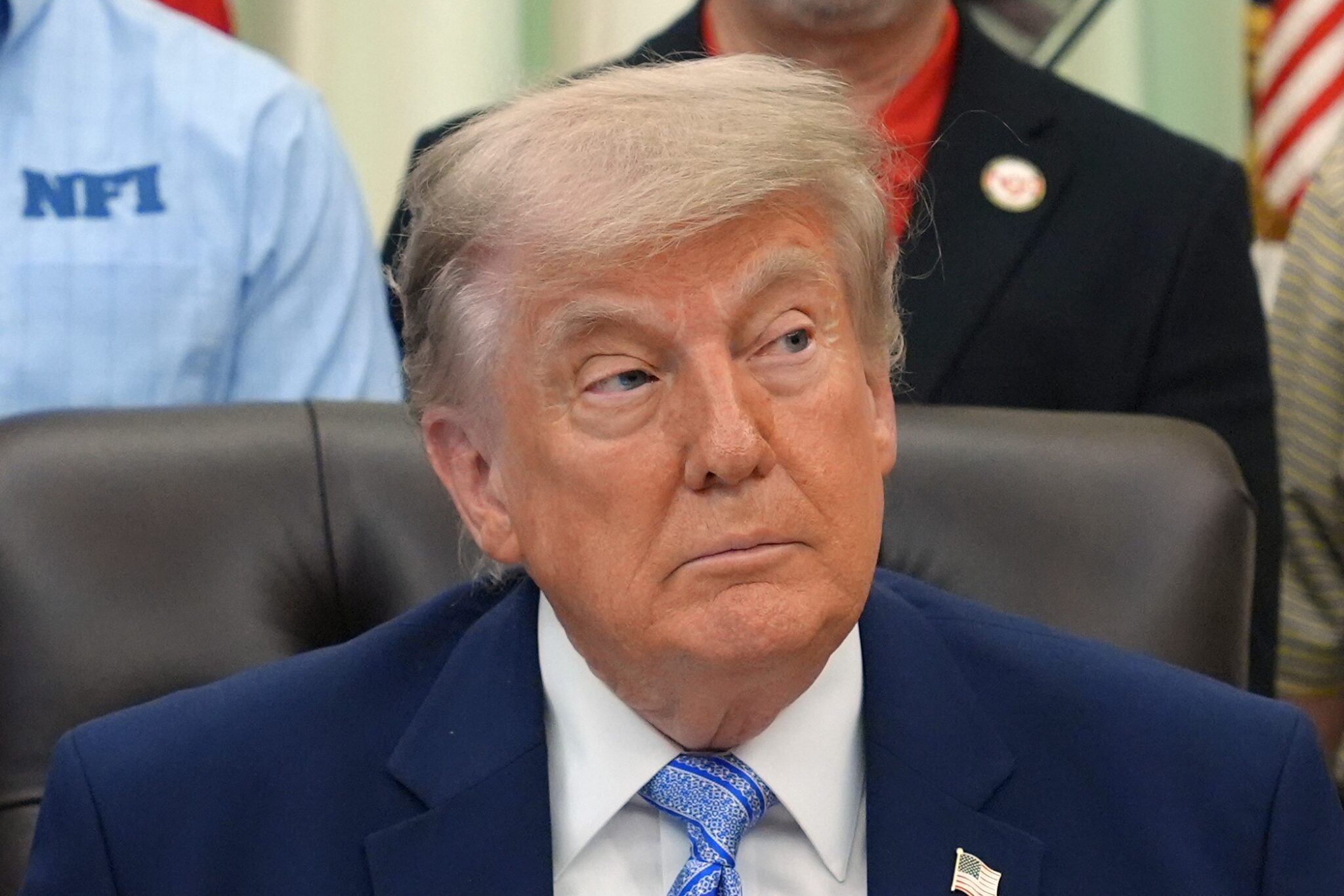
Trump Says Iran Deal Progressing but Warns Against Rushing/ Newslooks/ WASHINGTON/ J. Mansour/ Morning Edition/ President Donald Trump said negotiations with Iran are advancing but cautioned officials not to rush into a final agreement. The proposed deal would reopen the Strait of Hormuz and require Iran to surrender its highly enriched uranium stockpile. Regional officials say sanctions relief and broader nuclear negotiations would follow during a 60-day implementation period.
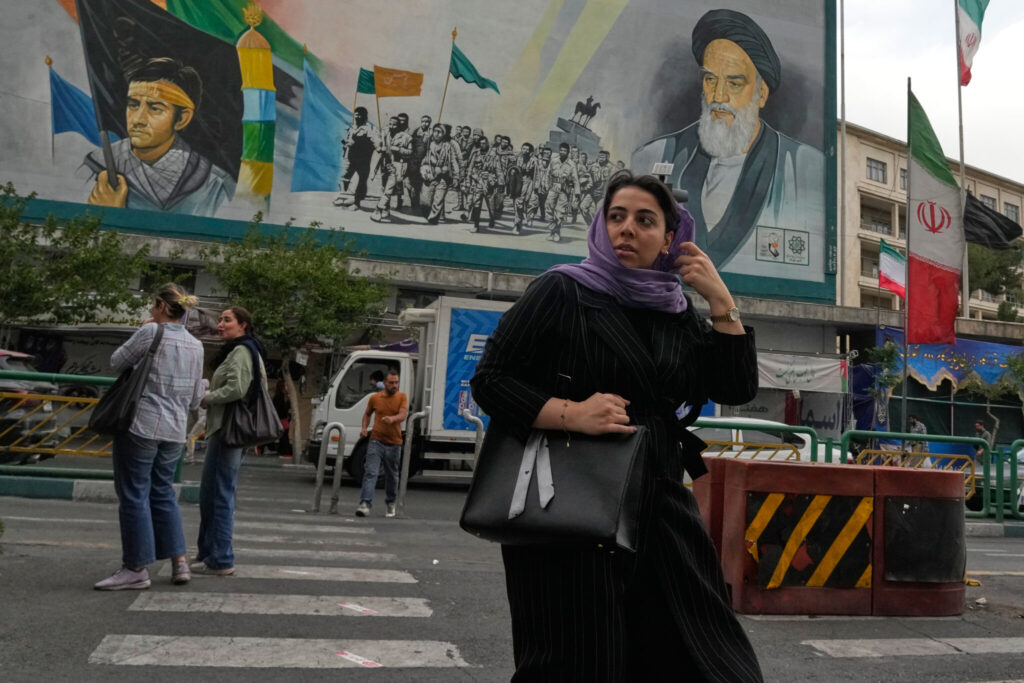
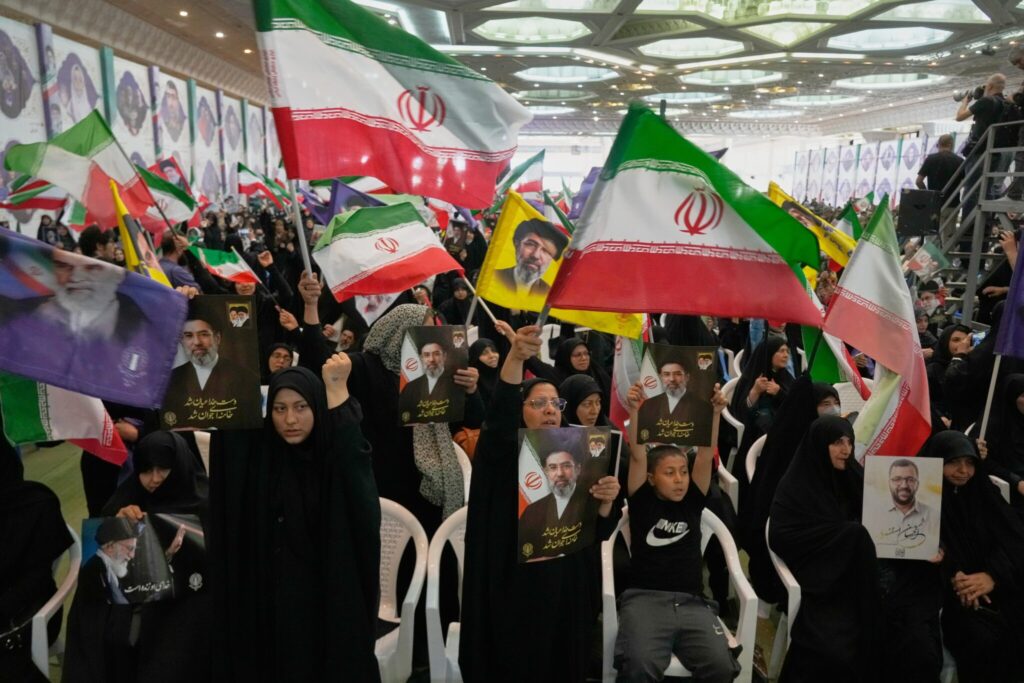
Trump Iran Deal Quick Looks
- Trump says talks are “constructive.”
- Iran deal may reopen Strait of Hormuz.
- Tehran could surrender enriched uranium.
- Russia may take part of Iran’s uranium stockpile.
- US blockade on Iranian ports remains active.
- Marco Rubio says “significant progress” achieved.
- Iran demands sanctions relief.
- Israel still concerned about Hezbollah threats.
- Lebanon ceasefire tied to broader agreement.
- Energy markets watching negotiations closely.

Deep Look
Trump Signals Caution Despite Major Progress
President Donald Trump said Sunday that the United States and Iran are nearing a potential agreement to end the war, but emphasized that negotiators should not rush the process.
Trump described the discussions as “orderly and constructive” and said relations with Iran had become “much more professional and productive.”
The U.S. has blockaded Iranian ports for over a month, and Trump said it “will remain in full force and effect until an agreement is reached, certified, and signed.”
Still, he insisted the current US blockade on Iranian ports would remain in place until any agreement is officially finalized and certified.
Strait of Hormuz Reopening Central to Agreement
One of the most important aspects of the proposed deal involves reopening the Strait of Hormuz, the critical maritime route disrupted during the war.
The closure of the strait following US and Israeli attacks on Iran earlier this year caused major global energy disruptions and fueled sharp increases in oil and gas prices.
Officials familiar with negotiations said the waterway would gradually reopen as the United States eases its naval blockade of Iranian ports.
Experts caution, however, that restoring normal shipping traffic could take weeks or even months after any agreement is signed.
Iran Could Give Up Highly Enriched Uranium
Regional officials said the draft framework includes Iran agreeing to surrender its stockpile of highly enriched uranium.
Iran currently possesses:
- 440.9 kilograms of uranium enriched to 60%
- Material technically close to weapons-grade purity
- One of the most contentious elements in negotiations
According to officials, the uranium issue would be handled during a 60-day implementation period.
Some material may be diluted, while the remainder could potentially be transferred to another country. Russia has reportedly offered to accept portions of the stockpile.
Trump Demands Tougher Terms Than Obama-Era Deal
The emerging agreement would go beyond the terms of the 2015 nuclear deal negotiated during the Obama administration.
Secretary of State Marco Rubio said the negotiations aim to ensure Iran can never develop nuclear weapons.
Rubio outlined three key priorities:
- A permanent pledge against nuclear weapons
- Long-term restrictions on uranium enrichment
- Removal or transfer of highly enriched uranium
“Significant progress, although not final progress, has been made,” Rubio said during a visit to India.
Iran Continues to Deny Nuclear Weapons Ambitions
Iranian President Masoud Pezeshkian reiterated that Tehran does not seek nuclear weapons.
“We are ready to assure the world that we are not after a nuclear weapon,” Pezeshkian said on state television.
Iran has long maintained its nuclear program is intended for peaceful purposes, despite enriching uranium to near weapons-grade levels.
Foreign Ministry spokesman Esmail Baghaei acknowledged that differences between Washington and Tehran have narrowed but warned that Iran remains cautious after being attacked during prior negotiation periods.
Sanctions Relief a Major Incentive for Tehran
Officials said the proposed agreement would eventually permit Iran to resume oil exports through sanctions waivers issued by the United States.
Negotiations over broader sanctions relief and the release of frozen Iranian assets would continue during the 60-day implementation phase.
Iran views sanctions relief as essential to stabilizing its economy following months of war and international isolation.
Israel Still Focused on Hezbollah Threat
Israeli Prime Minister Benjamin Netanyahu emphasized that any final agreement must “eliminate the nuclear danger.”
Netanyahu also said Trump reaffirmed Israel’s right to defend itself “on every front, including Lebanon.”
The proposed framework reportedly includes efforts to end the parallel conflict between Israel and the Iran-backed Hezbollah group in Lebanon.
A US-brokered ceasefire in Lebanon remains fragile, with ongoing clashes continuing in southern areas.
Israeli officials remain deeply concerned about Hezbollah’s military capabilities and Lebanon’s ability to disarm the group.
War’s Impact Continues Across the Region
The current conflict began after coordinated US and Israeli strikes on Iran on February 28 killed top Iranian leaders and disrupted earlier nuclear negotiations.
Although a ceasefire has technically held since April 7, tensions remain extremely high.
The war has contributed to:
- Global inflation pressures
- Higher oil and gas prices
- Maritime security concerns
- Regional instability across the Middle East
Global Markets Await Final Agreement
Financial markets and world leaders are watching closely for signs of a finalized agreement.
If completed, the deal could:
- Stabilize global energy markets
- Ease inflation concerns
- Reopen critical shipping lanes
- Reduce risks of renewed regional war
But officials caution that previous negotiation breakthroughs have collapsed at the last minute, meaning significant uncertainty still remains.