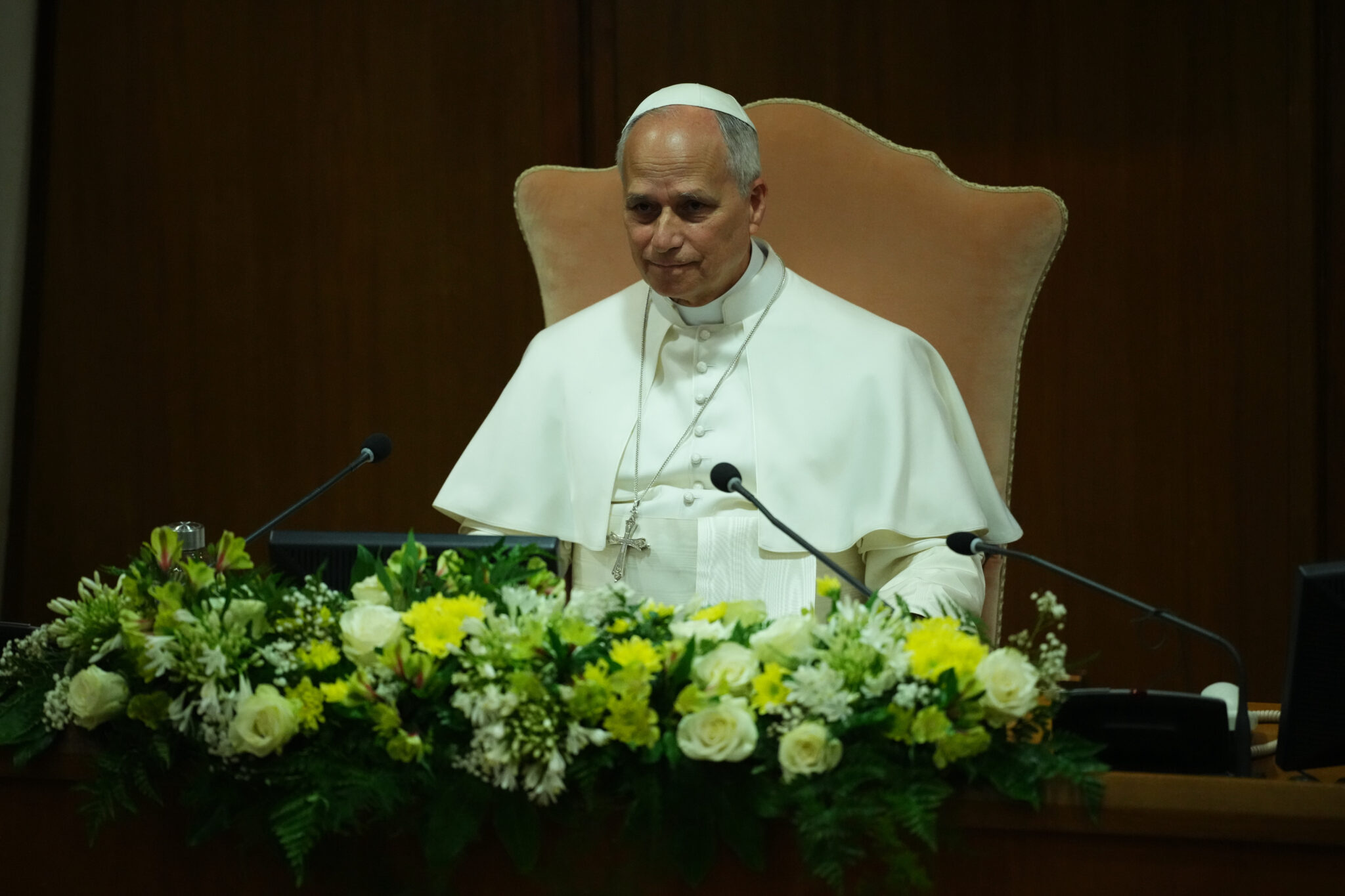
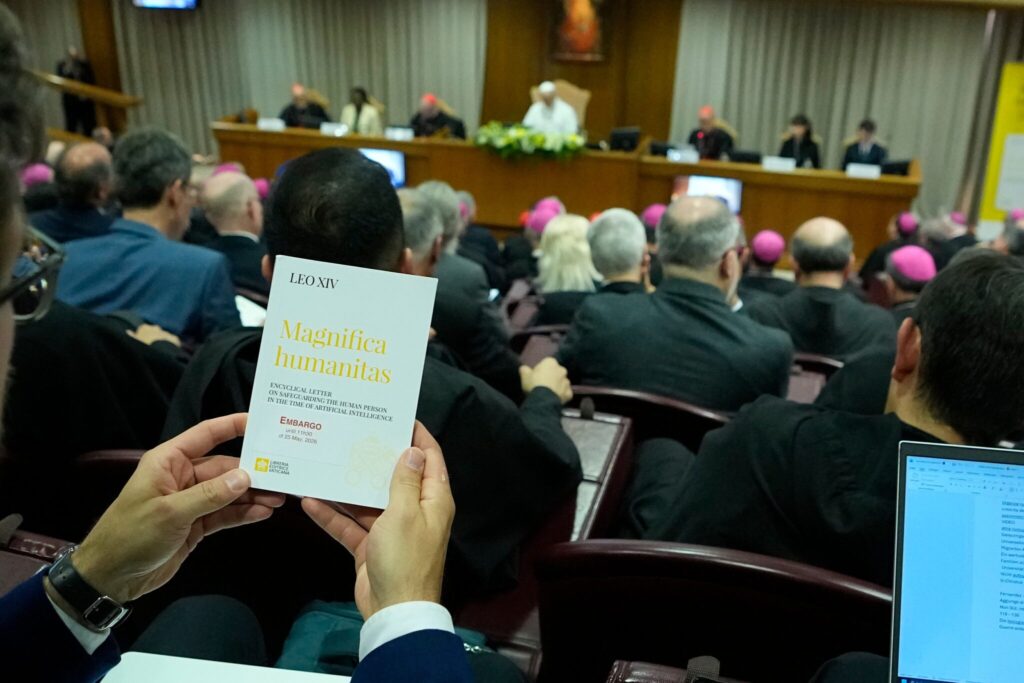
Pope Leo XIV Demands Strong Global AI Regulation/ Newslooks/ WASHINGTON/ J. Mansour/ Morning Edition/ Pope Leo XIV issued a sweeping manifesto demanding strict regulation of artificial intelligence and warning against unchecked corporate power. The pope condemned AI-driven warfare, mass labor displacement and profit-focused development that ignores human dignity. His first encyclical, Magnifica Humanitas, is already being viewed as a landmark global document on AI ethics.
Pope Leo XIV AI Manifesto Quick Looks
- Pope Leo XIV called AI humanity’s greatest modern challenge.
- The encyclical demands robust regulation of artificial intelligence.
- Leo condemned AI use in autonomous warfare.
- He warned against concentration of tech power in private companies.
- The pope criticized AI systems driven by profit over humanity.
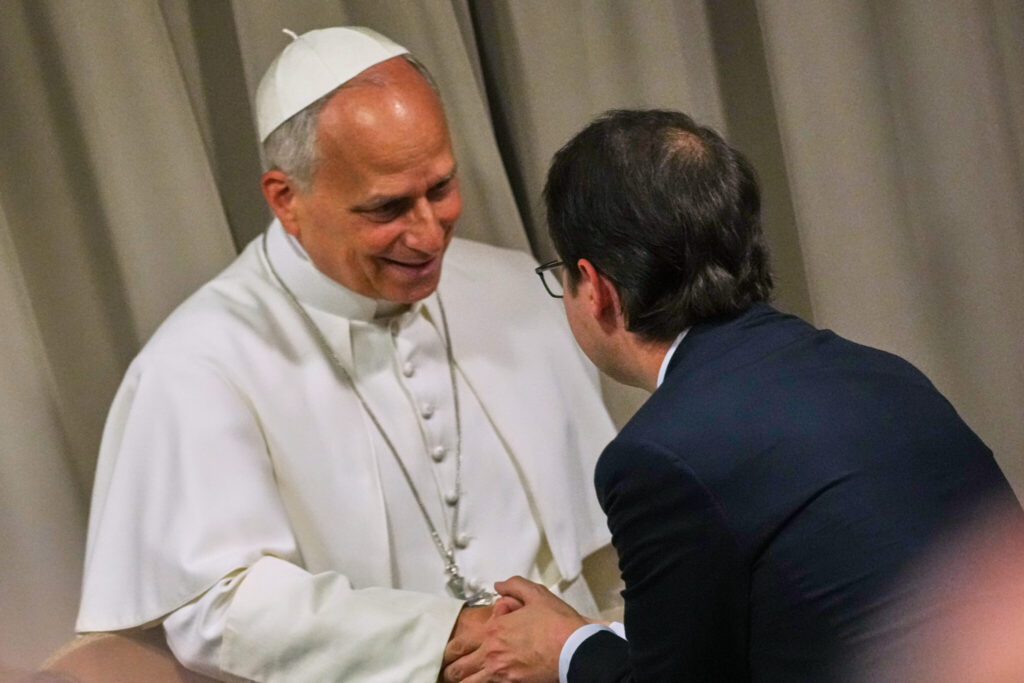
- The Vatican hosted Anthropic executives during the document’s release.
- Leo said “just war” theory may be outdated in the AI era.
- The manifesto linked AI ethics to Catholic social teaching.
- Experts say the document could become a global benchmark.
- The pope also connected AI exploitation to modern forms of slavery.
Deep Look
Pope Leo XIV Issues Landmark AI Manifesto
Pope Leo XIV called for sweeping global regulation of artificial intelligence Monday, warning that unchecked AI development threatens human dignity, labor, peace and democracy.
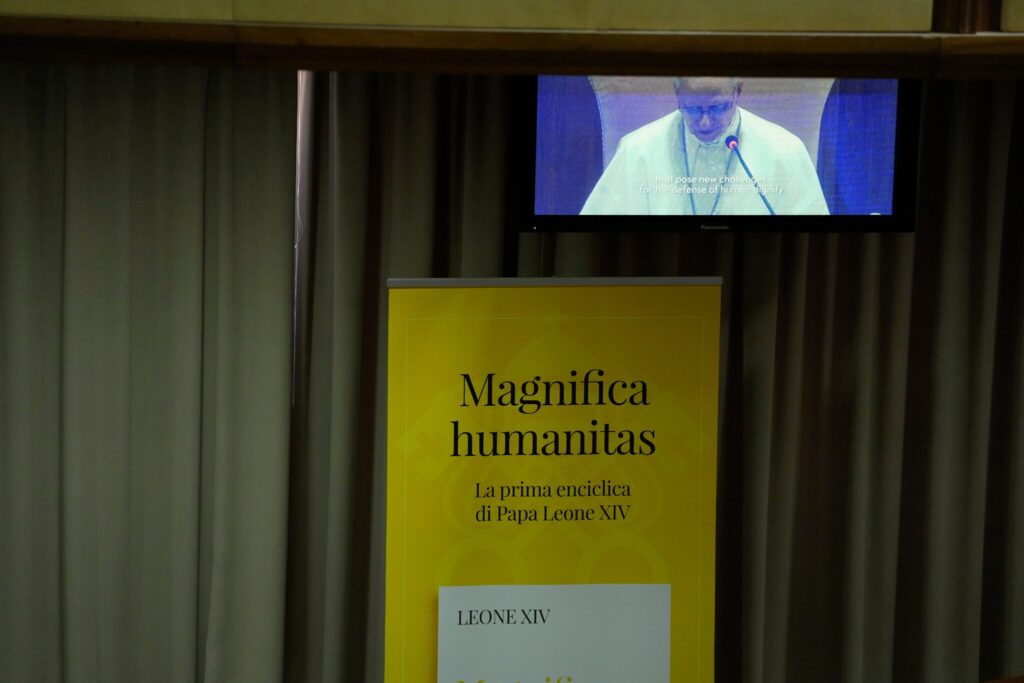
In his first encyclical, Magnifica Humanitas (“Magnificent Humanity”), Leo framed artificial intelligence as one of the defining moral and political challenges of the modern era.
The historic document criticized the growing concentration of technological power among a small number of corporations and condemned the accelerating use of AI in warfare and surveillance systems.
“Artificial Intelligence now demands to be disarmed,” Leo declared, warning against systems that become “instruments of domination, exclusion and death.”
Vatican Targets AI Warfare and Corporate Control
One of the encyclical’s strongest sections focused on military uses of AI.
Leo argued that autonomous weapons and AI-assisted warfare risk desensitizing societies to violence while removing moral accountability from life-and-death decisions.
He insisted that irreversible lethal decisions should never be delegated entirely to machines.
The pope also challenged traditional Catholic “just war” doctrine, suggesting technological advances may have rendered older frameworks inadequate in an era of AI-powered warfare.
Without naming countries directly, Leo criticized global powers engaged in technological arms races and geopolitical competition.
AI Regulation Must Go Beyond Corporate Ethics
Leo repeatedly emphasized that voluntary ethics policies by technology firms are insufficient.
“It is not enough to invoke ethics in the abstract,” he wrote, calling for:
- Strong legal frameworks
- Independent oversight
- Informed public participation
- Government accountability
The pope warned that moral standards should not be determined solely by powerful corporations controlling massive amounts of data and AI infrastructure.
“A more moral AI is not enough if that morality is determined by a few,” Leo stated.
AI Companies Face Growing Scrutiny
The Vatican unveiled the document during an event that included executives from Anthropic, one of the world’s fastest-growing AI firms.
Anthropic is currently locked in legal disputes with the Trump administration over restrictions involving military access to its AI systems.
Leo’s document criticized the enormous concentration of wealth and influence among AI corporations, whose valuations now rival the economies of entire nations.
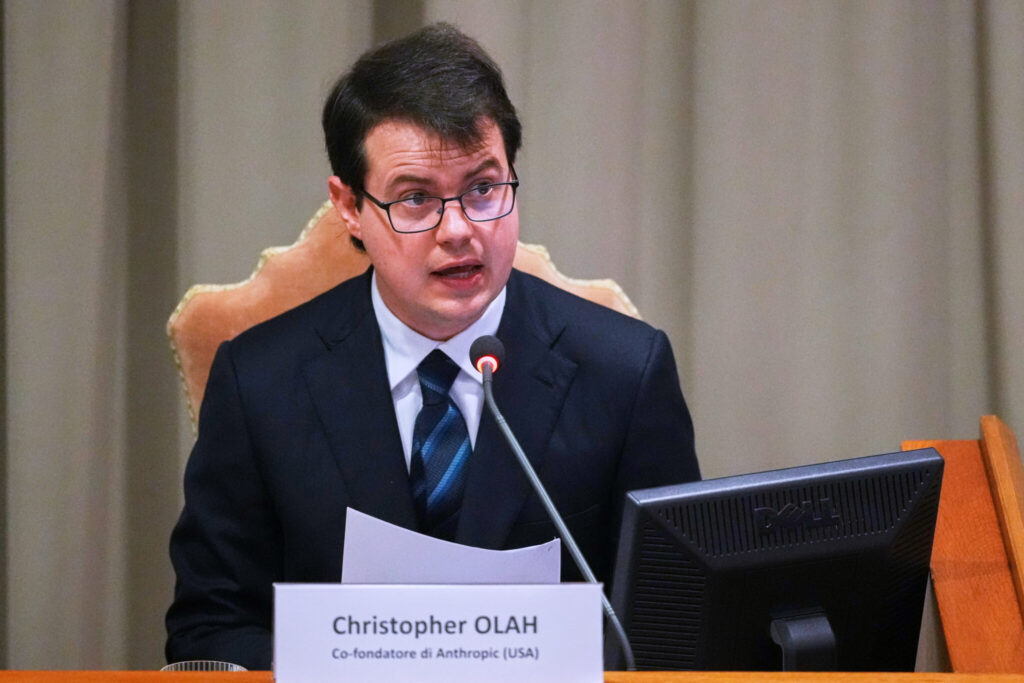
Anthropic co-founder Christopher Olah welcomed the pope’s intervention, saying outside moral and civic oversight is essential because of the immense societal risks posed by AI.
Pope Links AI to Worker Exploitation
Drawing heavily from Catholic social teaching, Leo argued that technological progress must remain subordinate to human dignity and the common good.
He warned that AI-driven automation could eliminate millions of jobs while concentrating wealth among elites.
“The pursuit of greater profits cannot justify choices that systematically sacrifice jobs,” Leo wrote.
The pope compared the AI revolution to the Industrial Revolution addressed by Pope Leo XIII in the landmark 1891 encyclical Rerum Novarum, which established modern Catholic social teaching.
Leo signed Magnifica Humanitas on the 135th anniversary of that document.
Modern Slavery and AI Supply Chains
The pope also tied artificial intelligence to modern forms of exploitation, including harsh labor conditions linked to the extraction of rare minerals required for AI hardware production.
In the same encyclical, Leo issued the Vatican’s first direct apology for its historic role in legitimizing slavery through colonial-era papal decrees.
He warned that humanity risks repeating past moral failures if governments and corporations ignore the human consequences of technological systems.
Experts Call Document a Global Benchmark
Academics, ethicists and technology experts immediately described the encyclical as one of the most important moral interventions yet in the AI debate.
Paolo Carozza of Notre Dame Law School called it “a defining document for our era.”
Taylor Black, a Microsoft AI executive and director at Catholic University’s AI institute, said the document challenges society to reconsider the meaning of humanity itself.
The Vatican has spent nearly a decade engaging with Silicon Valley leaders and AI researchers, seeking to position the Catholic Church as a major voice in global discussions over ethics and technology.