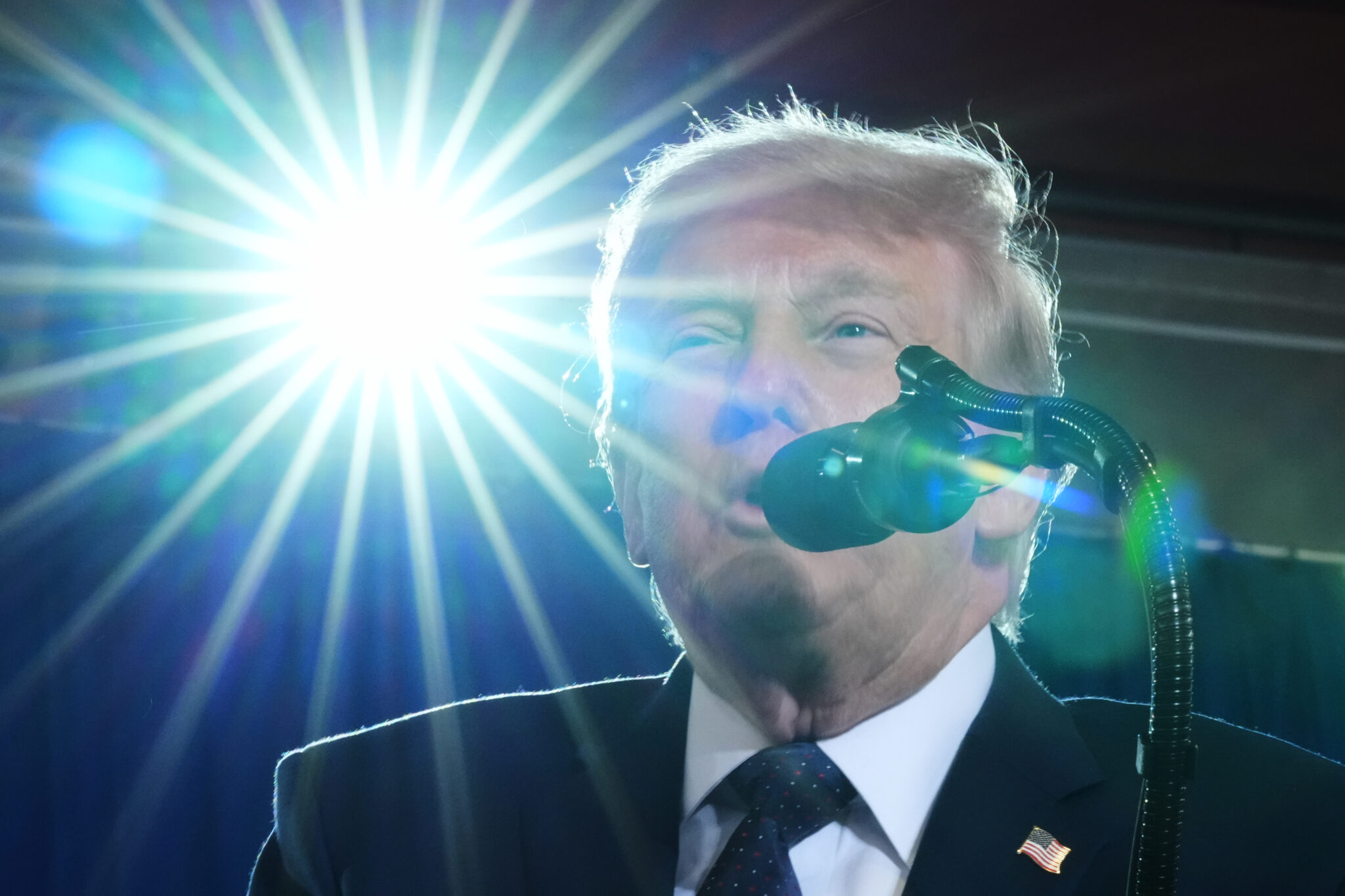
Trump: Iran Deal Should Include Additional Countries Joining Abraham Accords/ Newslooks/ WASHINGTON/ J. Mansour/ Morning Edition/ Donald Trump said any future agreement with Iran should require additional Middle Eastern nations to join the Abraham Accords. Trump specifically called on countries including Saudi Arabia and Turkey to normalize relations with Israel. The proposal adds a major geopolitical dimension to ongoing negotiations aimed at ending the regional conflict.
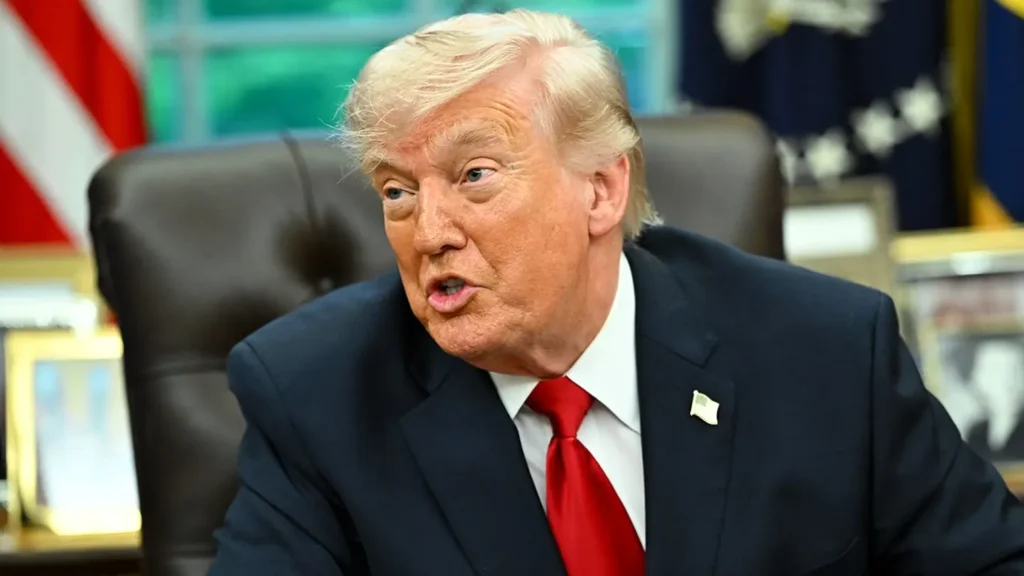
Trump Abraham Accords Proposal Quick Looks
- Trump linked any Iran agreement to expanding the Abraham Accords.
- Saudi Arabia and Turkey were specifically mentioned.
- Qatar, Pakistan, Egypt and Jordan were also named.
- Trump said negotiations with Iran are “proceeding nicely.”
- The Abraham Accords were first signed in 2020.
- UAE and Bahrain were the original participants.
- Trump suggested Iran could eventually join.
- The proposal aims to deepen regional ties with Israel.
- Egypt and Jordan already maintain peace treaties with Israel.
- Details of a final Iran deal remain unclear.
Deep Look
Trump Wants Iran Deal Linked to Abraham Accords
Donald Trump said Monday that any future agreement with Iran should include expanded participation in the Abraham Accords, the U.S.-brokered diplomatic agreements aimed at normalizing relations with Israel.
In a social media post, Trump said negotiations involving Iran were “proceeding nicely” but argued that broader regional diplomatic cooperation should become part of the final framework.
Trump said he spoke on Saturday to leaders of those countries, as well as the United Arab Emirates and Bahrain, which have already signed the accords, a set of agreements to normalize relations with Israel.
“I am mandatorily requesting that all Countries immediately sign the Abraham Accords, and that, if Iran signs its Agreement with me, as President of the United States of America, it would be an Honor to have them also be part of this unparalleled World Coalition,” Trump wrote in a post on Truth Social.
He cited “all the work done by the United States to try and pull this very complex puzzle together.”
He wrote that countries including:
- Saudi Arabia
- Qatar
- Pakistan
- Turkey
- Egypt
- Jordan
should “immediately” join the accords.
A Pakistani security source said Trump’s statement reflected an attempt to use Iran ceasefire diplomacy for a wider push around the Abraham Accords, but said the two issues were “not interlinked and cannot be made so.”
“Pakistan is under no compulsion to adhere to any such demand,” the source said.
Israeli Prime Minister Benjamin Netanyahu’s office also did not immediately respond to a request for comment on Trump’s post.
Longtime Trump ally Senator Lindsey Graham has embraced the idea of linking an Iran deal to expanding the Abraham Accords as “beyond transformative for the region and world.”
Others see the strategy as something to make an Iran deal more palatable to skeptics.
“Trump is trying to sell an Iran deal as an Abraham Accords sequel: good for Israel, good for the region, tough enough for Washington,” said Ali Vaez, Iran project director at the International Crisis Group.
“But he is trading one fantasy for another — from forcing Iran to surrender to pretending a fragile deal can anchor a new Middle East order.”
Abraham Accords Expansion Central to Trump Vision
The Abraham Accords were first launched during Trump’s first administration in 2020.
The agreements normalized diplomatic and economic ties between Israel and several Arab and Muslim-majority nations, beginning with:
- United Arab Emirates
- Bahrain
Additional countries later joined, including:
- Sudan
- Morocco
- Kazakhstan
The accords were widely viewed as one of the signature foreign policy initiatives of Trump’s first term.
Trump Suggests Broad Regional Alignment
Trump argued that after years of U.S. diplomatic involvement in the region, broader participation should become mandatory under any final agreement involving Iran.
“After all the work done by the United States to try and pull this very complex puzzle together,” Trump wrote, countries should “simultaneously sign onto the Abraham Accords.”
The president said he raised the issue directly with regional leaders during negotiations Saturday.
Trump also suggested he might accept “one or two” countries refusing to participate, though he emphasized that most regional governments should support the effort.
Saudi Arabia Remains Key Target
Among the countries Trump highlighted, Saudi Arabia remains the most strategically significant.
The kingdom has never formally recognized Israel, though reports over recent years suggested quiet diplomatic and security cooperation between the two countries expanded significantly.
Saudi participation has long been viewed by U.S. officials as one of the most transformative possible additions to the Abraham Accords framework.
Egypt and Jordan Already Recognize Israel
Trump’s proposal also referenced Egypt and Jordan, even though both countries already maintain longstanding peace agreements with Israel.
- Jordan signed its peace treaty with Israel in 1994.
- Egypt became the first Arab country to recognize Israel in 1979.
Their inclusion appears aimed at building a wider regional coalition tied to any future Iran agreement.
Iran Negotiations Continue Amid Regional Tensions
Trump’s comments come as negotiations aimed at ending the Iran conflict continue under intense global scrutiny.
The president recently said a peace memorandum had been “largely negotiated,” though no finalized agreement has yet been announced.
Questions remain over:
- Sanctions relief
- Nuclear restrictions
- Strait of Hormuz access
- Regional security guarantees
- Future military de-escalation
Trump even floated the possibility that Iran itself could eventually join the Abraham Accords framework if relations improve enough over time.
Abraham Accords Seen as Strategic Realignment
Supporters of the accords argue they promote:
- Economic integration
- Regional stability
- Intelligence cooperation
- Expanded trade and investment
- Security coordination against extremist threats
Critics, however, argue the agreements sidestepped unresolved Palestinian issues and prioritized strategic alliances over broader peace efforts.
Still, the accords reshaped diplomatic relationships across the Middle East and remain one of the most significant geopolitical developments in the region in recent years.