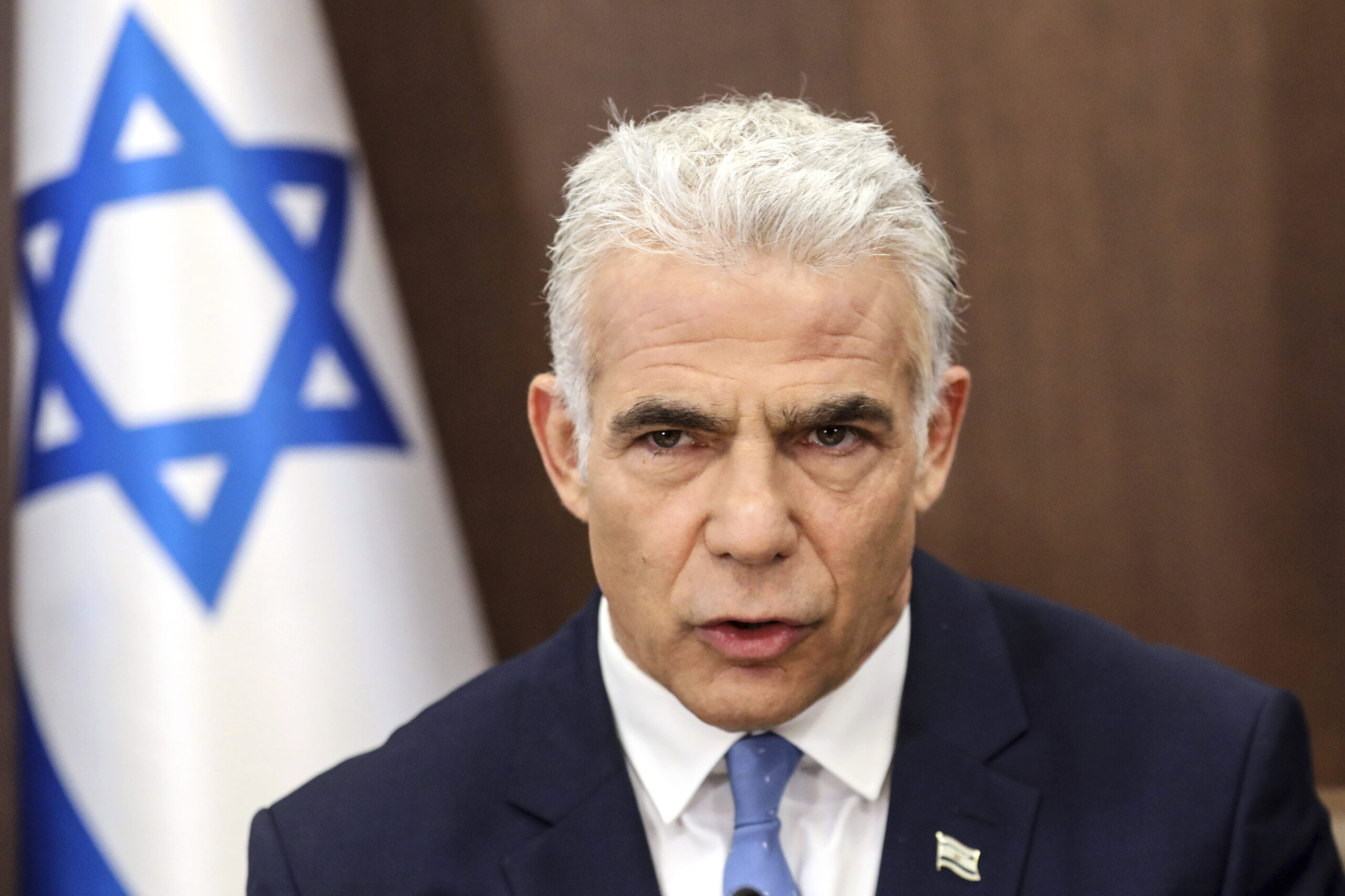
Israeli Opposition Leader Lapid: Trump’s Deal with Iran is `Bad for The Region’/ Newslooks/ WASHINGTON/ J. Mansour/ Morning Edition/ Israeli opposition leader Yair Lapid sharply criticized the emerging U.S.-Iran agreement backed by Donald Trump. Lapid said the proposed framework fails to achieve Israel’s war objectives and weakens regional security. He also accused Benjamin Netanyahu of losing influence with Washington during critical negotiations.
Israel Trump Iran Deal Quick Looks
- Yair Lapid called the emerging Iran deal “bad for Israel.”
- Lapid accused Netanyahu of weak influence in Washington.
- The proposal reportedly includes sanctions relief for Iran.
- Iran may surrender enriched uranium stockpiles.
- Strait of Hormuz reopening is central to negotiations.
- Israel fears Iran’s missile program may remain untouched.
- Trump and Netanyahu launched the war on Feb. 28.
- Lapid thanked Trump for supporting Israel militarily.
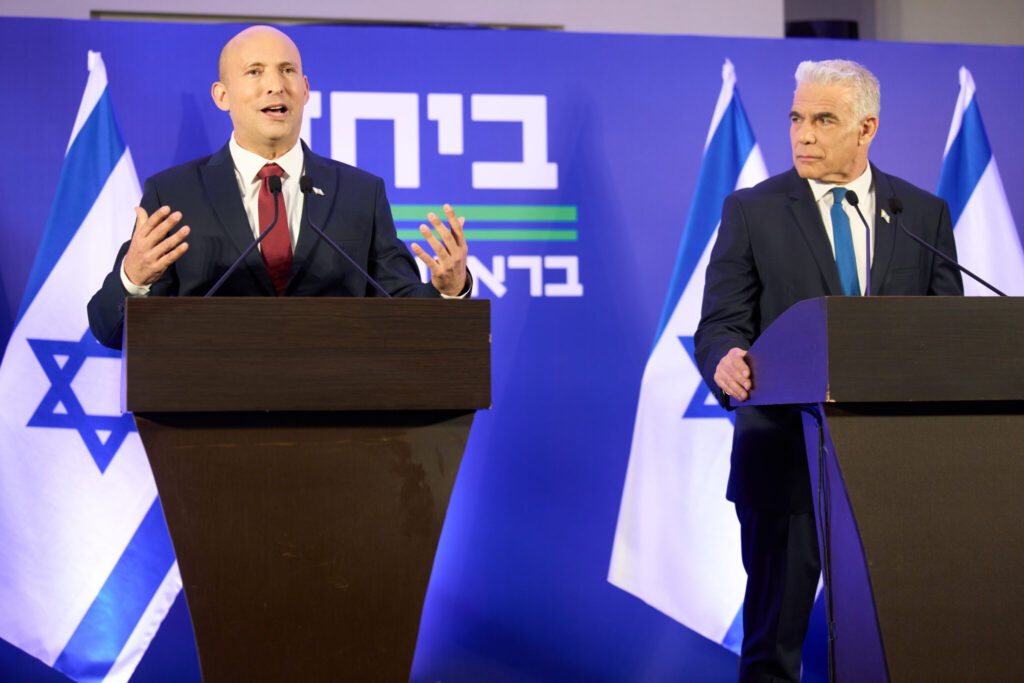
- Lapid and Naftali Bennett formed a new political alliance.
- Israeli elections are expected by October.
Deep Look
Lapid Blasts Trump-Iran Negotiations
Yair Lapid sharply criticized the developing U.S.-Iran agreement Monday, warning that the proposal threatens Israeli security interests and regional stability.
Speaking in Jerusalem, Lapid described details of the emerging framework as “disturbing” and argued the negotiations fail to accomplish the central goals Israel pursued when the war with Iran began earlier this year.
“The deal is bad for Israel, bad for the region, bad for the citizens of Iran,” Lapid said.
War Goals Remain Unresolved
According to the report, both Donald Trump and Benjamin Netanyahu launched the conflict on Feb. 28 with several stated objectives:
- Destroy Iran’s ballistic missile program
- End support for regional militant proxies
- Prevent Iran from developing nuclear weapons
- Pressure the Iranian government politically
Lapid argued the current negotiations leave several of those goals unresolved.
What the Emerging Deal Includes
Regional officials cited in the report say the framework currently under discussion would include:
- Iran surrendering highly enriched uranium stockpiles
- Reopening the Strait of Hormuz
- Ending the U.S. blockade on Iranian ports
- Lifting sanctions against Tehran
- A 60-day negotiation period for nuclear details
However, the agreement may not directly address Iran’s missile capabilities or its support for armed regional groups.
That possibility has alarmed Israeli opposition leaders and several Republican foreign policy hawks in Washington.
Lapid Accuses Netanyahu of Losing Influence
While praising Trump for supporting Israel militarily, Lapid accused Netanyahu of failing to shape the negotiations effectively.
“The Israeli government is at an all-time low in its ability to influence decisions in Washington,” Lapid said.
He referenced Trump’s recent public comment suggesting Netanyahu would ultimately follow U.S. leadership during the negotiations.
Lapid insisted Israel remains sovereign and cannot allow outside powers to dictate its national security policies.
Netanyahu Stresses Israel’s “Freedom of Action”
According to an Israeli official cited in the report, Netanyahu has repeatedly emphasized to Trump that Israel maintains “freedom of action” against threats across the region.
That language signals Israel may reserve the right to conduct independent military operations against Iran or Iranian-backed groups even if a broader diplomatic agreement is reached.
Israeli Politics Shift Ahead of Elections
Lapid’s criticism comes as Israeli politics rapidly realign ahead of expected elections later this year.
Lapid and former Prime Minister Naftali Bennett recently formed a joint political alliance aimed at defeating Netanyahu’s coalition government.
The alliance seeks to unite fragmented opposition parties that share deep opposition to Netanyahu’s leadership.
Palestinian Statehood Off the Table
Lapid also signaled a tougher stance on Palestinian statehood than in previous years.
Although historically supportive of a two-state solution, Lapid said current conditions following the Oct. 7 Hamas attacks and subsequent regional wars make Palestinian independence politically unrealistic in the near future.
“There will be no two-state solution in the coming years,” Lapid said.
Still, he said he opposes unilateral annexation of occupied territories and claimed Bennett assured him Israel would avoid such moves.
Coalition Politics Become More Complicated
Lapid also ruled out forming a future government coalition with Arab political parties, a notable shift from his previous coalition arrangement in 2021.
That earlier government became historic for including an Arab party inside Israel’s ruling coalition for the first time.
But Lapid said the political environment has fundamentally changed following years of regional conflict and domestic security concerns.