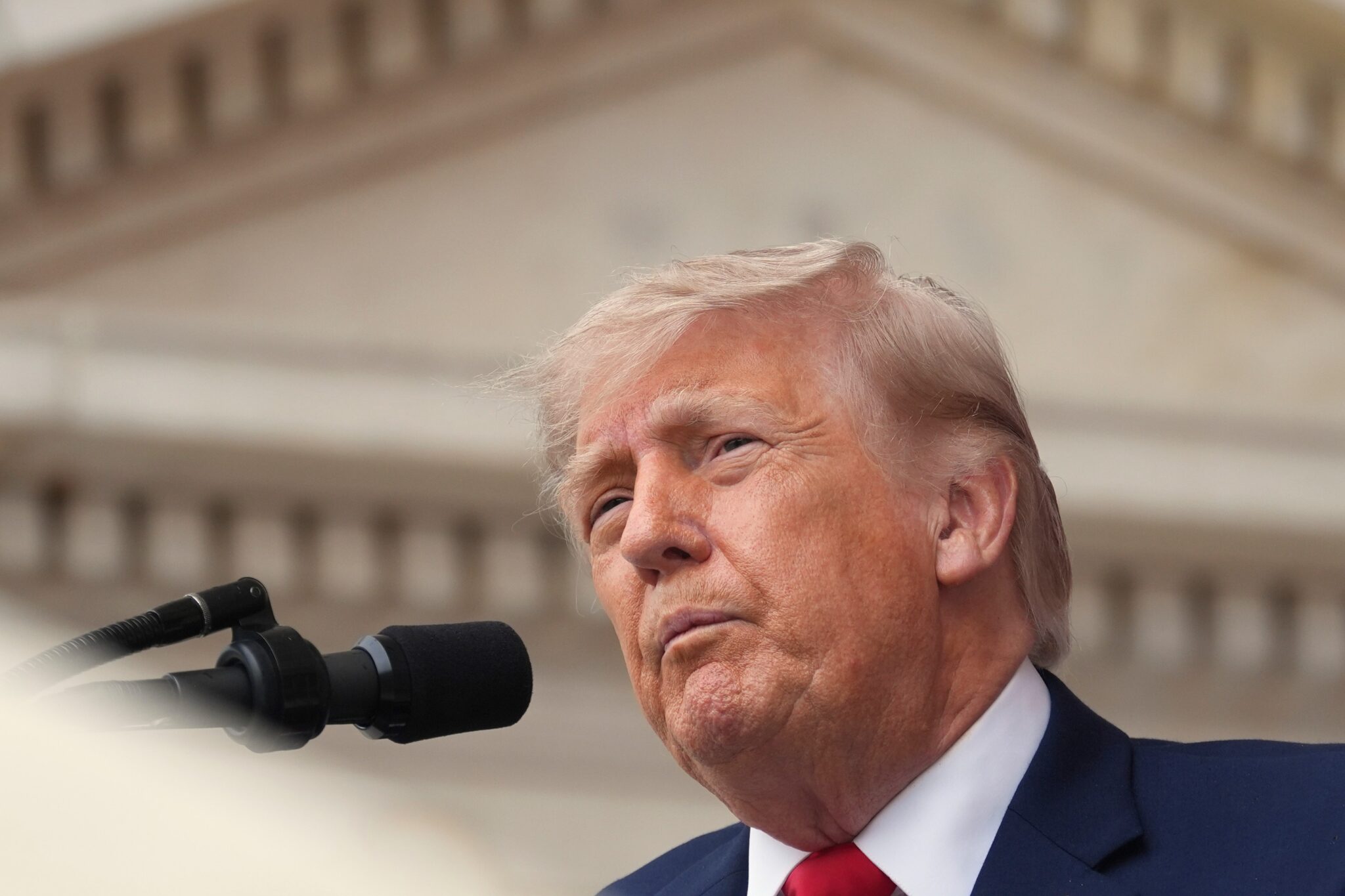
US Military Hits Iranian Missile Sites During Fragile Ceasefire/ Newslooks/ WASHINGTON/ J. Mansour/ Morning Edition/ The U.S. military says it launched “self-defense” strikes against Iranian missile launch sites and mine-laying boats in southern Iran. The attacks occurred as Donald Trump claimed negotiations with Tehran were “proceeding nicely.” The latest military action threatens to complicate already fragile ceasefire talks and wider regional diplomacy.

US Iran Strikes Quick Looks
- US forces struck missile launch sites in southern Iran.
- CENTCOM called the operation “self-defense.”
- Iranian media reported Revolutionary Guard casualties.
- Explosions were reported near Bandar Abbas.
- Trump said negotiations with Iran continue.
- Strait of Hormuz tensions remain unresolved.
- Trump tied any deal to expanded Abraham Accords participation.
- Saudi Arabia and Pakistan were named in Trump’s proposal.
- Pakistan remains a central mediator in negotiations.
- Republicans continue criticizing Trump’s Iran diplomacy.
Deep Look
US Launches New Strikes Inside Iran
The U.S. military confirmed Monday that American forces carried out “self-defense” strikes in southern Iran, targeting missile launch sites and boats allegedly laying naval mines.
According to U.S. Central Command spokesperson Capt. Tim Hawkins, the attacks were conducted to protect American personnel from “threats posed by Iranian forces” while still exercising restraint during the ongoing ceasefire.
The strikes were done “to protect our troops from threats posed by Iranian forces,” but the military was “using restraint during the ongoing ceasefire,” Capt. Tim Hawkins, the spokesman for the U.S. military’s Central Command, said in a statement.
The military did not immediately release operational details or specify the scale of the threats that triggered the strikes.
Explosions Reported Near Bandar Abbas
Iranian media outlets reported explosions around Bandar Abbas, a strategically important city located near the Strait of Hormuz.
The area contains:
- Iranian naval facilities
- Revolutionary Guard positions
- A major military port
- Dual-use civilian and military airport infrastructure
The Iranian-linked Tabnak news outlet reported that four Revolutionary Guard members were killed during attacks targeting boats near the region.
Iranian officials did not immediately issue a formal response.
Fragile Ceasefire Faces New Pressure
The strikes represent another challenge to the fragile ceasefire that has held only unevenly since large-scale fighting erupted earlier this year.
The Strait of Hormuz remains one of the conflict’s most sensitive flashpoints because:
- Roughly 20% of global oil shipments once passed through it
- Iran has effectively restricted normal traffic
- Energy prices worldwide remain elevated
- Global supply chains continue facing disruptions
The continued instability has contributed to higher inflation and rising fuel prices internationally.
Trump Says Negotiations Are “Proceeding Nicely”
Despite the renewed military action, Donald Trump insisted on social media that negotiations with Iran remain active and productive.
Trump said talks were “proceeding nicely” even as military operations unfolded.
The president has repeatedly shifted between threatening additional attacks and promoting diplomatic breakthroughs during the months-long crisis.
Trump Expands Abraham Accords Proposal
Trump also introduced a new condition tied to any eventual agreement with Iran: broader participation in the Abraham Accords.
He argued several countries should formally normalize relations with Israel as part of a wider regional settlement.
Trump specifically mentioned:
- Saudi Arabia
- Qatar
- Pakistan
- Turkey
The proposal adds another complex layer to already difficult negotiations.
He wrote that “after all the work done by the United States to try and pull this very complex puzzle together, it should be mandatory that all of these Countries, at a minimum, simultaneously, sign onto the Abraham Accords.”
Trump has long hoped Saudi Arabia would join. Saudi Arabia in particular has for decades called on Israel to return to its 1967 borders and allow the formation of a Palestinian nation with east Jerusalem as its capital. Israel’s conduct in the war against Hamas in the Gaza Strip also has alienated Gulf Arab states and the wider Muslim world as well.
Pakistan Emerges as Key Mediator
Pakistan has become increasingly important in efforts to prevent the conflict from escalating again.
Military and diplomatic officials from Islamabad have held multiple meetings with Iranian leadership while also maintaining communication with Washington.
Pakistani analysts noted that formal recognition of Israel remains politically difficult domestically because of strong support for Palestinian statehood.
Former Pakistani ambassador Masood Khan said the Abraham Accords proposal introduces “an altogether new dimension” to the negotiations.
“The invocation of the Abraham Accords at this stage gives an altogether new dimension to the diplomatic and mediatory processes because this issue was not on the agenda,” he said, pointing to the domestic pressure Trump is facing to strike a favorable deal.
Still, Khan said, “the diplomatic track is still working, and I believe Pakistan is very much at the center of it, supported by regional countries.”
Republicans Continue Criticizing Trump’s Diplomacy
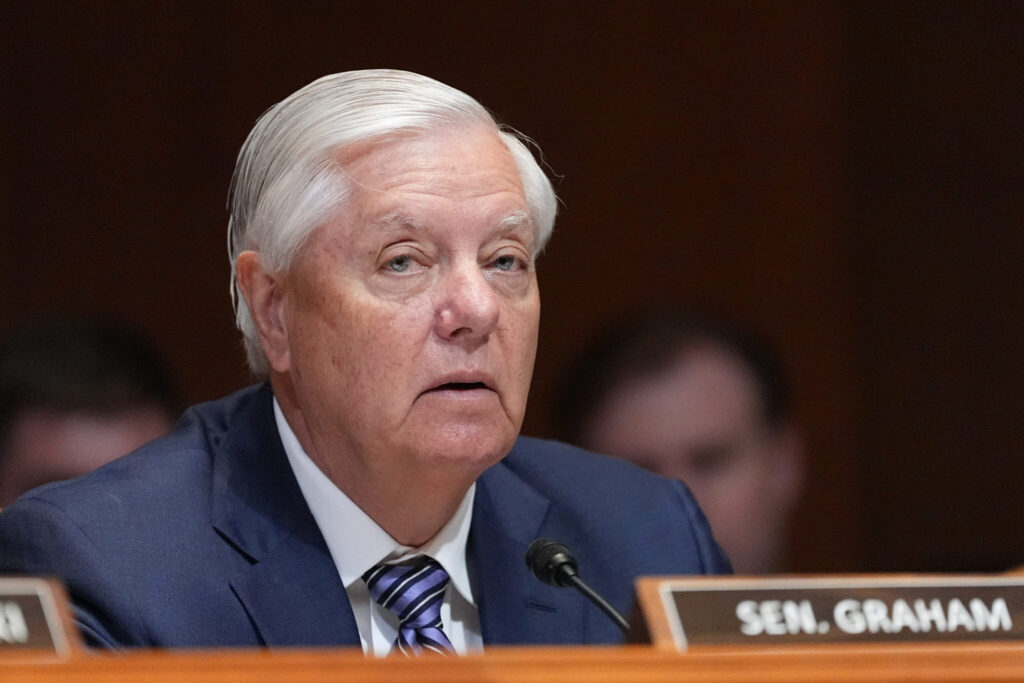
The administration’s diplomatic approach continues facing backlash from Republican foreign policy hawks who favor stronger military pressure on Iran.
Several GOP lawmakers argue any agreement risks allowing Iran to preserve regional influence and potentially rebuild military capabilities.
Trump, however, continues insisting diplomacy and military pressure can work simultaneously.
Iran Deal Still Uncertain
No final agreement has been reached, and negotiators continue working through major disagreements involving:
- Uranium stockpiles
- Sanctions relief
- Shipping access through the Strait of Hormuz
- Future military restrictions
- Regional diplomatic recognition
Trump suggested even Iran itself could eventually join the Abraham Accords if a broader settlement is reached.