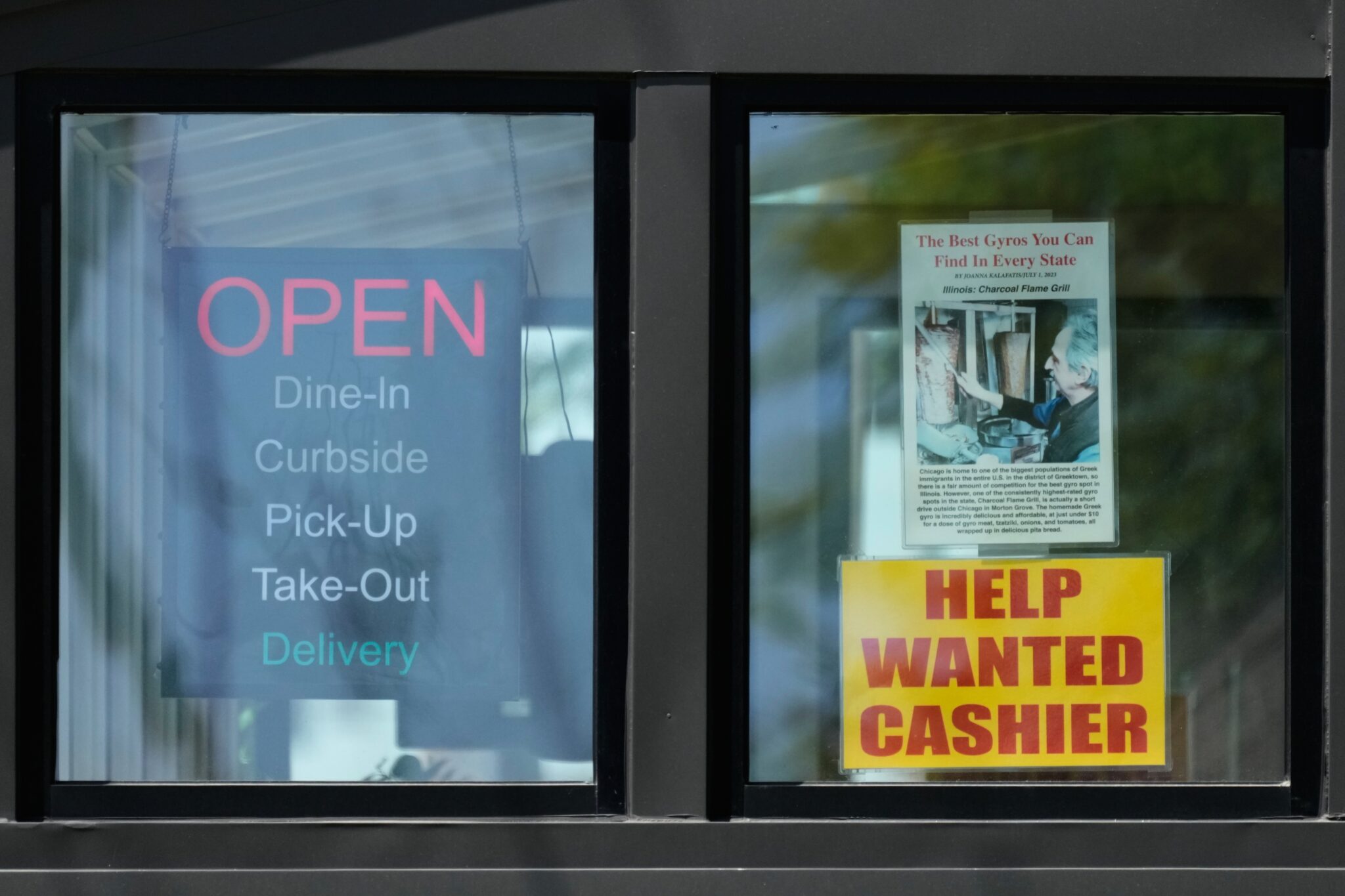
US Jobless Claims Rise to 215,000 Amid Iran War Economic Pressure/ Newslooks/ WASHINGTON/ J. Mansour/ Morning Edition/ New U.S. unemployment claims rose modestly last week, though layoffs remain historically low despite economic uncertainty tied to the Iran war. Economists say the labor market remains resilient even as higher oil and gasoline prices pressure consumers and businesses. Hiring growth, however, continues slowing compared to the post-pandemic recovery boom.

US Jobless Claims Quick Looks
- Weekly jobless claims rose to 215,000.
- Four-week average climbed to 209,000.
- Layoffs remain near historic lows.
- Economists call labor market resilient.
- Hiring growth remains weak overall.
- Gas prices average $4.43 per gallon.
- Iran war clouds economic outlook.
- Strait of Hormuz disruption impacts energy markets.
- Unemployment rate remains at 4.3%.
- Employers cautious despite avoiding major layoffs.
Deep Look
US Jobless Claims Increase Slightly
The U.S. labor market showed modest signs of softening last week as more Americans applied for unemployment benefits, though layoffs remain relatively low by historical standards.
According to the United States Department of Labor, initial jobless claims rose to 215,000 last week, up from 210,000 the previous week.
The four-week moving average — often viewed as a more stable measure of labor market trends — increased by nearly 6,300 to 209,000.
Despite the uptick, economists say the numbers still reflect a resilient employment market.
“Initial claims are still impressively low, near historic lows,” said Carl Weinberg, chief economist at High Frequency Economics.
“The uptick from last week to this week is trivial in a labor market of 159 million workers.”
Layoffs Remain Historically Low
The number of Americans filing for unemployment benefits has largely remained within a historically healthy range since the economy recovered from the COVID-19 recession.
Weekly claims have mostly fluctuated between:
- 200,000
- 250,000
for several years.
The latest report also showed the total number of people collecting unemployment aid rose by 15,000 to 1.79 million during the week ending May 16.
The figures suggest that while businesses are becoming more cautious, most companies are still avoiding widespread layoffs.
Hiring Still Sluggish Compared to Past Years
Although layoffs remain low, hiring activity has slowed considerably compared to the rapid post-pandemic rebound years.
Employers added:
- Fewer than 10,000 jobs monthly on average last year
- About 76,000 jobs per month from January through April this year
That remains well below:
- The 122,000 monthly average in 2024
- Nearly 400,000 monthly average from 2021 through 2023
Analysts say many companies remain uncertain about future economic conditions and are slowing expansion plans.
Immigration and Retirements Reshape Labor Market
Economists also note that the U.S. economy now requires fewer new jobs to maintain stable unemployment rates.
Several factors are contributing to this shift, including:
- Ongoing Baby Boomer retirements
- Reduced labor-force growth
- President Donald Trump’s immigration crackdown
As a result, some economists believe the labor market’s “break-even” hiring rate may now be close to zero.
The national unemployment rate stood at 4.3% in April, still relatively low by long-term historical standards.
Iran War Continues Pressuring Economy
The broader economic outlook remains clouded by the ongoing conflict involving Iran, Israel and the United States.
Iran’s effective closure of the Strait of Hormuz — one of the world’s most important energy shipping routes — has triggered major disruptions in global oil supplies.
Before the conflict:
- Roughly one-fifth of globally traded oil passed through the strait
Since the disruption:
- Oil prices have surged
- Gasoline prices climbed sharply
- Inflation pressures increased worldwide
According to AAA, average U.S. gasoline prices have risen to $4.43 per gallon compared with $2.98 before the war began.
Consumers and Businesses Feeling Pressure
Higher fuel and transportation costs are placing pressure on households and businesses alike.
Rising costs have contributed to:
- Weaker consumer confidence
- Reduced purchasing power
- Higher shipping expenses
- Increased business operating costs
While the labor market remains relatively stable for now, economists continue watching closely for signs that sustained inflation and geopolitical uncertainty could weaken hiring further later this year.