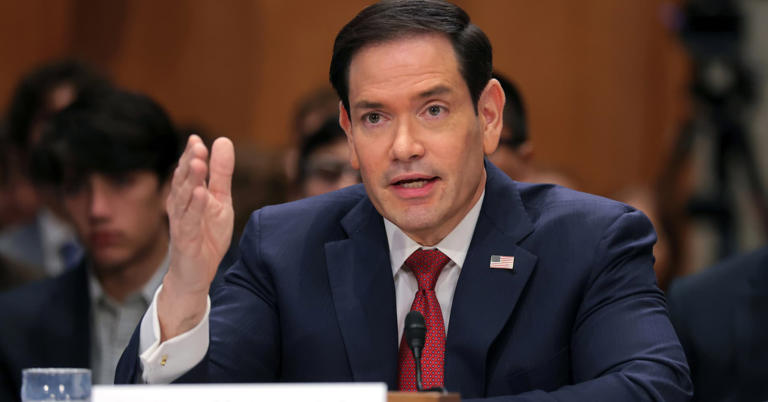
Rubio Optimistic About Iran Nuclear Talks Despite Growing Tensions/ Newslooks/ WASHINGTON/ J. Mansour/ Morning Edition/ Secretary of State Marco Rubio told lawmakers he remains optimistic about future nuclear negotiations with Iran despite increasing uncertainty surrounding the ceasefire and diplomatic process. Rubio said Tehran has shown a willingness to discuss nuclear issues it previously refused to address, though he cautioned that no agreement is guaranteed. The testimony came as lawmakers questioned the Trump administration’s handling of the Iran war, Middle East diplomacy, and growing tensions involving Cuba.
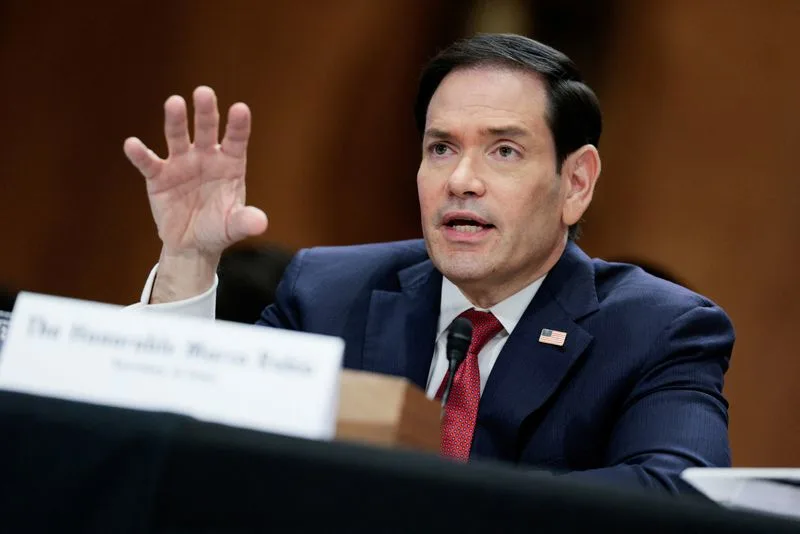
Marco Rubio Iran Talks Quick Looks
- Rubio testified before the Senate Foreign Relations Committee.
- He expressed optimism about future nuclear negotiations with Iran.
- Iran has reportedly agreed to discuss previously off-limits nuclear issues.
- Rubio cautioned that a final deal remains uncertain.
- Questions remain about whether negotiations will resume.
- Iranian media reported Tehran has paused communication with mediators.
- The fragile ceasefire continues to face new challenges.
- Lawmakers questioned the costs and consequences of the Iran war.
- Rubio also faced questions regarding Cuba policy.
- Additional congressional testimony is scheduled this week.
Deep Look
Rubio Signals Hope For Future Nuclear Negotiations
WASHINGTON — Secretary of State Marco Rubio expressed cautious optimism Tuesday about the possibility of restarting nuclear negotiations with Iran, even as diplomatic efforts appear increasingly uncertain.
Speaking before the Senate Foreign Relations Committee, Rubio said Iranian officials have shown new flexibility on key nuclear issues that had previously been considered non-negotiable.
The comments marked one of the administration’s most detailed public assessments of the current diplomatic situation since the conflict began.
Iran Showing New Willingness To Negotiate
During his testimony, Rubio suggested there has been meaningful movement from Tehran on nuclear discussions.
He told lawmakers:
“They have agreed to negotiate aspects of their nuclear program that just a month ago, just a year ago, they were refusing to even mention.”
Rubio did not specify which parts of Iran’s nuclear program are now open for discussion, but he indicated that the shift could create opportunities for future diplomacy.
No Guarantee Of A Final Agreement
Despite his optimism, Rubio repeatedly emphasized that progress remains uncertain.
He warned lawmakers that the existence of talks does not guarantee a successful outcome.
According to Rubio:
“It’s not a guarantee that ultimately it will lead to a deal that’s acceptable.”
He also pointed to instability within Iran’s leadership structure as a major challenge that could complicate negotiations moving forward.
Questions Surround Status Of Negotiations
Rubio’s comments came amid conflicting reports regarding the status of diplomatic contacts.
Iranian media outlets reported that Tehran has suspended communications with mediators following escalating tensions involving Lebanon and Israel.
Those developments have cast doubt on whether formal negotiations can resume in the near future.
The uncertainty reflects the broader volatility affecting diplomatic efforts throughout the region.
Lebanon Fighting Adds New Complications
Regional tensions intensified after Israel threatened additional military action in Beirut while continuing operations against the Iran-backed militant group Hezbollah.
The worsening security situation has complicated efforts to preserve an already fragile ceasefire.
At the same time, the State Department has continued hosting discussions involving Israel and Lebanon in an attempt to reduce tensions and prevent a broader conflict.
Congress Focuses On Iran War
Although Rubio appeared before Congress to present the State Department’s budget request, lawmakers quickly shifted attention toward the administration’s handling of the Iran war.
The hearing became a forum for examining:
- Diplomatic strategy.
- Military objectives.
- Ceasefire efforts.
- Economic consequences.
- Congressional oversight.
Members from both parties raised concerns about the direction of the conflict and its long-term impact.
Administration Defends Military Action
Rubio and other administration officials have consistently defended President Donald Trump’s decision to launch military operations against Iran.
The administration argues the action was necessary to address security threats and advance American interests.
However, lawmakers continue debating whether sufficient congressional approval existed before military action began.
The issue remains one of the most contentious aspects of the conflict.
Bipartisan Concerns Continue Growing
While many Republicans initially supported the administration’s actions, opposition has gradually expanded.
Some GOP lawmakers have joined Democrats in questioning:
- The cost of the war.
- Rising energy prices.
- Economic disruptions.
- Long-term military commitments.
The conflict’s impact on global energy markets has become a particular concern as oil prices remain elevated.
Strait Of Hormuz Remains Critical Issue
One of the war’s most significant economic consequences has been reduced shipping traffic through the Strait of Hormuz.
The waterway normally carries a substantial share of the world’s oil and natural gas exports.
Disruptions have contributed to:
- Higher fuel costs.
- Increased transportation expenses.
- Inflationary pressures.
- Market uncertainty.
Those concerns continue influencing congressional debate over the administration’s strategy.
War Powers Debate Continues
Congress has also considered measures aimed at limiting U.S. involvement in the conflict.
Recent Senate action advanced legislation that would have required troop withdrawal from the war.
Although the measure has not become law, it demonstrated growing concern among some lawmakers about the duration and scope of the military operation.
The House also considered similar action before leadership halted a planned vote.
Cuba Policy Draws Protests
Beyond Iran, Rubio also faced criticism regarding the administration’s increasingly aggressive posture toward Cuba.
As he entered a Senate hearing room, protesters interrupted proceedings with chants including:
“stop killing Cubans”
and
“Let Cuba live!”
Security personnel quickly removed the demonstrators.
Cuba Could Become Next Foreign Policy Flashpoint
The protests came amid renewed tensions between Washington and Havana.
Trump and Rubio have recently intensified criticism of Cuba’s government, particularly following criminal charges announced against former Cuban leader Raúl Castro.
Cuban President Miguel Díaz-Canel condemned the move and accused the administration of using legal actions to justify potential future aggression.
The dispute has added another challenge to Rubio’s already crowded foreign policy agenda.
Diplomatic Challenges Continue To Mount
Rubio’s testimony highlighted the complexity of managing multiple international crises simultaneously.
While he expressed confidence that negotiations with Iran remain possible, significant obstacles remain.
Continued fighting in Lebanon, uncertainty surrounding ceasefire arrangements, economic pressures from the war, and rising tensions with Cuba all contribute to a difficult diplomatic environment.
As Congress continues its oversight role, lawmakers are expected to keep pressing the administration for clarity on its objectives and strategy in the months ahead.