Rubio Says No Upfront Sanctions Relief For Iran To Reopen Hormuz/ Newslooks/ WASHINGTON/ J. Mansour/ Morning Edition/ Secretary of State Marco Rubio told lawmakers the United States is not offering Iran sanctions relief simply to reopen the Strait of Hormuz. Rubio said any sanctions relief would depend on future nuclear concessions from Tehran and would only be discussed during a second phase of negotiations. The comments come as Washington and Tehran continue indirect talks amid economic pressure, regional tensions, and uncertainty over a broader agreement.
Rubio Iran Sanctions Relief Quick Looks
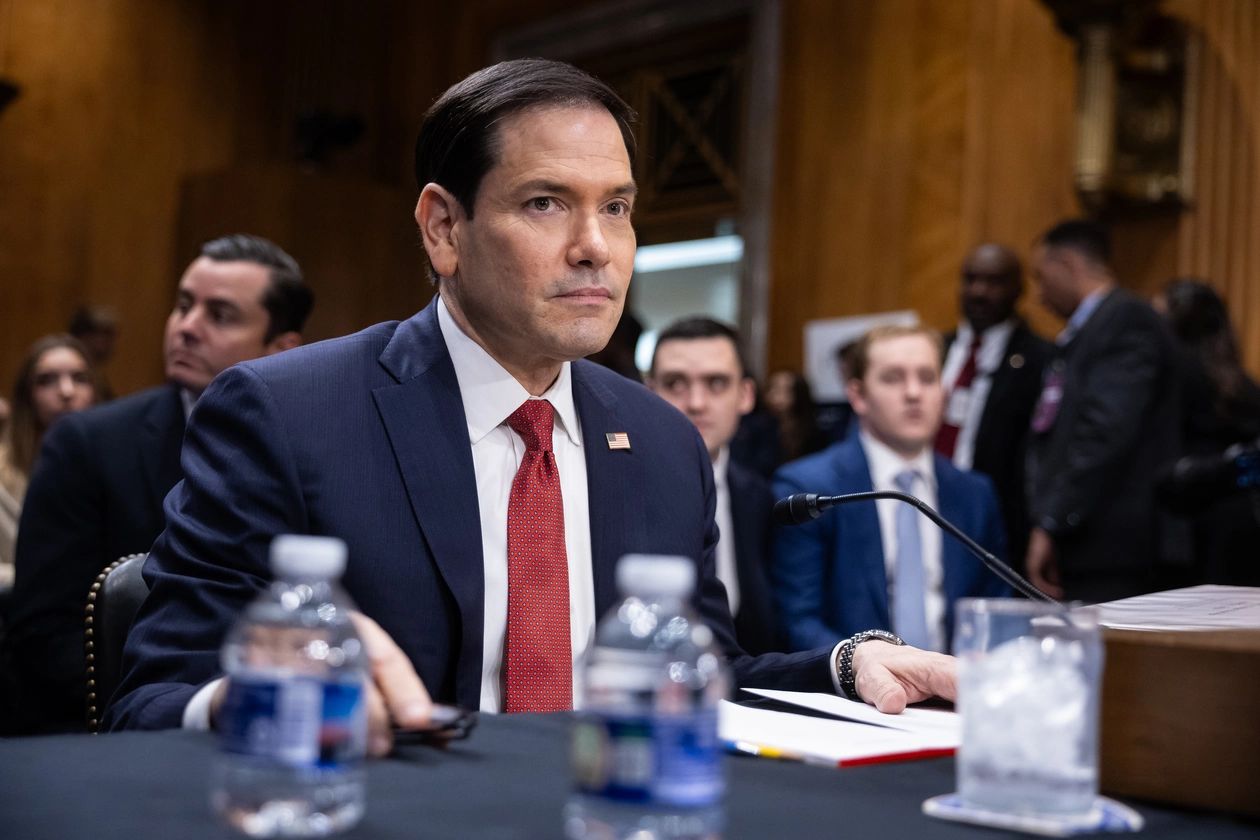
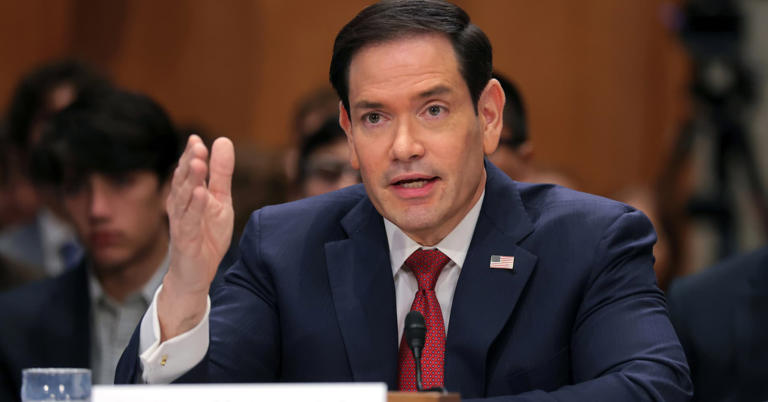
- Rubio testified before the Senate Foreign Relations Committee.
- The U.S. is not offering sanctions relief to reopen the Strait of Hormuz.
- Iran must first reopen the waterway and stop interference with shipping.
- Future sanctions relief would depend on nuclear concessions.
- Negotiations are progressing in multiple phases.
- Oil prices remain elevated due to the prolonged disruption.
- Iran continues to face internal political divisions.
- Talks have slowed amid disagreements over key issues.
- Questions remain regarding Iran’s enriched uranium stockpile.
- Rubio said progress could come within days or weeks.
Deep Look
Rubio Rejects Upfront Sanctions Relief Proposal
WASHINGTON — Secretary of State Marco Rubio told senators Tuesday that the Trump administration is not offering Iran sanctions relief in exchange for reopening the strategically vital Strait of Hormuz.
Appearing before the Senate Foreign Relations Committee, Rubio emphasized that any future sanctions relief would be tied directly to Iran’s nuclear activities rather than maritime access.
His comments provided one of the clearest explanations yet of the administration’s negotiating position as diplomatic efforts continue.
Hormuz Reopening Comes First
According to Rubio, negotiations are currently structured in phases.
The initial stage would require Iran to:
- Reopen the Strait of Hormuz.
- Allow unrestricted commercial shipping.
- Stop threatening vessels.
- End any tolls or transit fees.
- Commit to future nuclear negotiations.
Only after those conditions are met would broader discussions move forward.
Nuclear Program Remains Central Issue
Rubio stressed that sanctions were imposed because of Iran’s nuclear activities and therefore any relief must be tied to addressing those concerns.
He told lawmakers:
“Any sanctions relief is conditions-based, which means it has to be in return for the reason why those sanctions were put in place in the first place, which is their nuclear program.”
The administration continues to view Iran’s nuclear ambitions as the central issue driving negotiations.
No Sanctions Offer On The Table
During questioning from Senator Chris Murphy, Rubio directly addressed whether Washington had offered sanctions relief as an incentive to reopen the waterway.
His answer was unequivocal:
“no, that’s not been discussed, that’s not been offered.”
The statement appears designed to counter suggestions that the administration is making economic concessions simply to restore maritime traffic.
Future Talks Could Address Broader Relief
While ruling out immediate sanctions relief, Rubio left open the possibility of future discussions if significant nuclear agreements are reached.
Those discussions could include:
- Uranium enrichment limits.
- Nuclear monitoring measures.
- Disposal of enriched uranium.
- Long-term restrictions on nuclear development.
- Potential economic incentives.
However, Rubio emphasized that such talks remain part of a later phase.
Focus Shifts To Iran’s Uranium Stockpile
One of the most sensitive issues involves Iran’s highly enriched uranium.
Rubio indicated that future negotiations would address what happens to uranium reserves reportedly stored underground following previous U.S. and Israeli military operations targeting nuclear facilities.
The issue remains one of the biggest obstacles to a comprehensive agreement.
Oil Markets Continue To Feel Pressure
The effective closure of the Strait of Hormuz has had major consequences for global energy markets.
The disruption has pushed oil prices above $100 per barrel and contributed to rising fuel costs worldwide.
Higher gasoline prices have increased economic pressure on consumers and businesses while adding political challenges for the administration.
Trump Continues To Signal Optimism
President Donald Trump has repeatedly suggested that an agreement may be within reach.
At the same time, negotiations have experienced repeated setbacks as both sides continue to dispute key conditions.
Trump has pushed for stronger commitments regarding Iran’s nuclear program while Iranian officials have maintained firm positions on several major issues.
Internal Divisions Slow Iranian Response
Rubio suggested that one reason negotiations have moved slowly is the fragmented nature of decision-making within Iran’s leadership.
He told senators:
“There’s definitely elements within that regime that understand”
the economic consequences facing the country.
However, he added that other factions remain resistant to compromise.
The internal disagreements reportedly contribute to lengthy delays in responding to diplomatic proposals.
Communication Challenges Persist
Rubio also described practical difficulties affecting negotiations.
According to the secretary, Iranian leaders continue to communicate through couriers and secure channels while operating under heightened security conditions.
“Internally it takes time to get responses from them, sometimes upward to five or six days.”
Those delays have complicated efforts to move discussions forward quickly.
Questions Surround Iran’s Leadership
Lawmakers also asked Rubio about the status of Iran’s supreme leader, Mojtaba Khamenei.
Khamenei has not appeared publicly for an extended period, fueling speculation about his role and condition.
Rubio said he believes the leader remains alive and involved in decision-making.
“There are indications out there that he is increasingly engaging at some level.”
Uncertainty Remains Over Final Outcome
Although Rubio expressed hope that progress could emerge within days or weeks, significant obstacles remain.
The future of nuclear negotiations, maritime security, sanctions policy, and regional stability are all intertwined within the broader diplomatic effort.
For now, the administration maintains that reopening the Strait of Hormuz is a prerequisite rather than a bargaining chip for immediate sanctions relief.
Whether Iran accepts those conditions will likely determine the next phase of negotiations.