Trump Lowers Tariffs on Steel, Aluminum And Copper to %15 Through 2027/ Newslooks/ WASHINGTON/ J. Mansour/ Morning Edition/ President Donald Trump signed an executive order modifying tariffs on certain steel, aluminum, and copper imports, reducing rates on agricultural and select industrial equipment. The changes lower some tariffs from 25% to 15%, expand eligibility for reduced rates, and create incentives for foreign manufacturers to use U.S.-produced metals. The temporary adjustments are set to remain in place through the end of 2027 and come amid growing economic concerns in key farming regions.
Trump Metal Tariff Changes Quick Looks
- Trump signed a new executive order adjusting metal tariffs.
- Agricultural equipment tariffs drop to 15% from 25%.
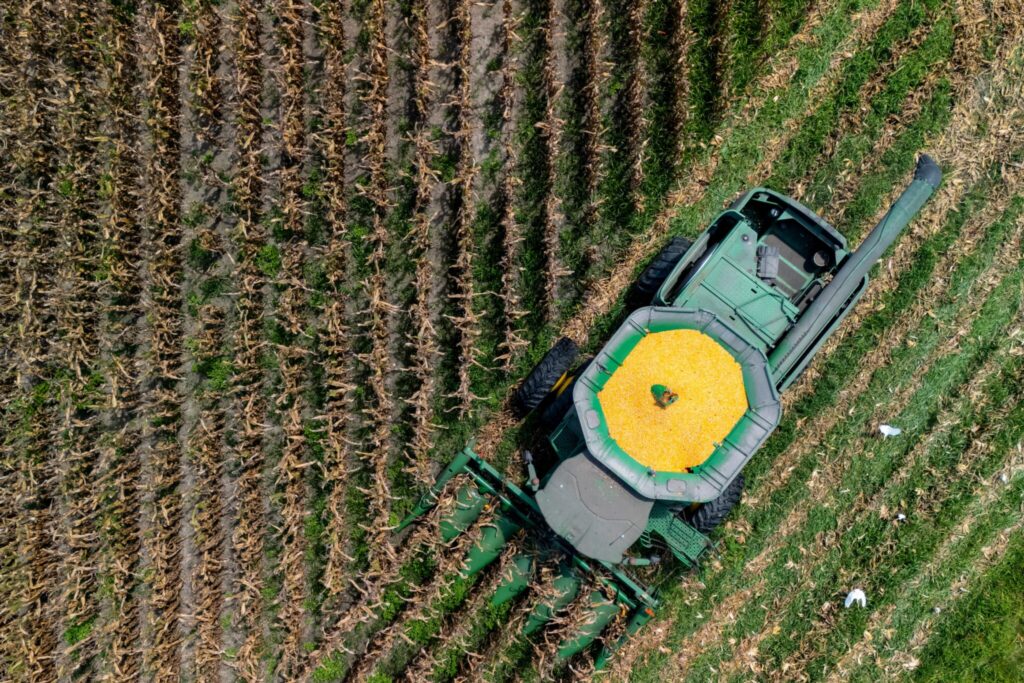
- Combines and harvesters are among the products receiving relief.
- HVAC equipment also qualifies for reduced tariff rates.
- Additional industrial equipment is now eligible for lower duties.
- Countries using large amounts of U.S. steel or aluminum may qualify for reduced rates.
- Changes take effect immediately.
- The modifications expire at the end of 2027.
- Existing 50% tariffs on many steel and aluminum products remain in place.
- The move could affect farming and manufacturing costs.
Deep Look
Trump Revises Metal Tariff Structure
NEW YORK — President Donald Trump has issued a new executive order making targeted adjustments to tariffs on steel, aluminum, and copper imports.
The changes reduce tariff rates for certain agricultural and industrial products while creating new incentives for foreign manufacturers to incorporate U.S.-produced metals into their supply chains.
The administration described the move as a temporary modification designed to support productive sectors of the American economy.
Lower Tariffs For Agricultural Equipment
One of the most significant changes affects agricultural machinery.
Tariffs on several categories of farm equipment were reduced from 25% to 15%.
Products receiving the lower rate include:
- Combines.
- Harvesters.
- Other agricultural machinery.
The adjustment could help reduce costs for farmers purchasing imported equipment during a period of financial pressure across parts of the agricultural sector.
HVAC Equipment Also Receives Relief
The executive order extends the same reduction to heating, ventilation, and air conditioning systems.
Tariffs on qualifying HVAC products now fall to 15%, down from the previous 25% rate.
The move may provide cost relief for construction projects, commercial developments, and equipment suppliers that rely on imported components.
Expanded Coverage For Industrial Machinery
Trump also broadened the category of industrial equipment eligible for reduced tariffs.
Additional products now qualifying for the 15% rate include:
- Bulldozers.
- Forklifts.
- Mobile industrial equipment.
The lower rate applies when those products are imported from countries that maintain trade agreements with the United States.
Incentives To Use American Metals
A new provision seeks to encourage greater use of American-produced steel and aluminum.
Under the order, countries that use at least 85% steel or aluminum that is:
- Melted and poured in the United States.
- Smelted and cast in the United States.
may qualify for a reduced 10% duty rate.
The administration says the measure is intended to strengthen demand for domestically produced metals while maintaining trade incentives.
Temporary Changes Through 2027
The modifications took effect immediately upon signing.
However, the adjustments are not permanent.
According to the executive order, the revised tariff structure is scheduled to expire at the end of 2027 unless extended or replaced by future action.
Trump wrote:
“In my judgment, this temporary modification appropriately accounts for these products’ roles in productive economic activity in the United States.”
Background On Metal Tariffs
The tariffs trace their origins to Trump’s first administration.
In 2018, the White House imposed duties on imported steel and aluminum under Section 232 of the Trade Expansion Act of 1962.
That law allows tariffs when imports are deemed a threat to national security.
After returning to office, Trump renewed and expanded those measures.
Tariffs Increased During Second Term
The administration has repeatedly adjusted tariff levels over the past year.
Notable changes included:
- Raising many steel and aluminum tariffs to 50% in June 2025.
- Applying a 50% rate to products made almost entirely from steel, aluminum, or copper.
- Maintaining 25% duties on certain derivative metal products.
Many of those broader tariffs remain in place despite the new exemptions.
Economic And Political Implications
The tariff revisions arrive amid ongoing debate about trade policy and economic conditions.
Farmers, manufacturers, and equipment buyers have argued that tariffs contributed to higher operating costs.
Supporters of the tariffs contend they protect domestic industries and encourage investment in American production.
The latest changes appear designed to balance those competing concerns.
Critics See Political Motivation
Some analysts argue the timing of the announcement reflects political considerations.
Barry Appleton, co-director of the Center for International Law at New York Law School, suggested the move is linked to growing concerns in agricultural regions.
He said:
“Farm bankruptcies are soaring, farm sentiment is declining, and Republican senators are openly warning their party is heading toward midterm losses in key agricultural states.”
Appleton added:
“This proclamation is the White House’s response: throw the farm belt a bone before voters go to the polls.”
Impact On Farmers And Industry
The practical effects of the tariff adjustments will become clearer over time.
Potential outcomes include:
- Lower equipment costs for farmers.
- Reduced expenses for some industrial buyers.
- Greater demand for U.S.-produced metals.
- Continued protection for domestic steel and aluminum producers.
At the same time, many broader tariffs remain unchanged, meaning import costs for numerous products will continue to be elevated.