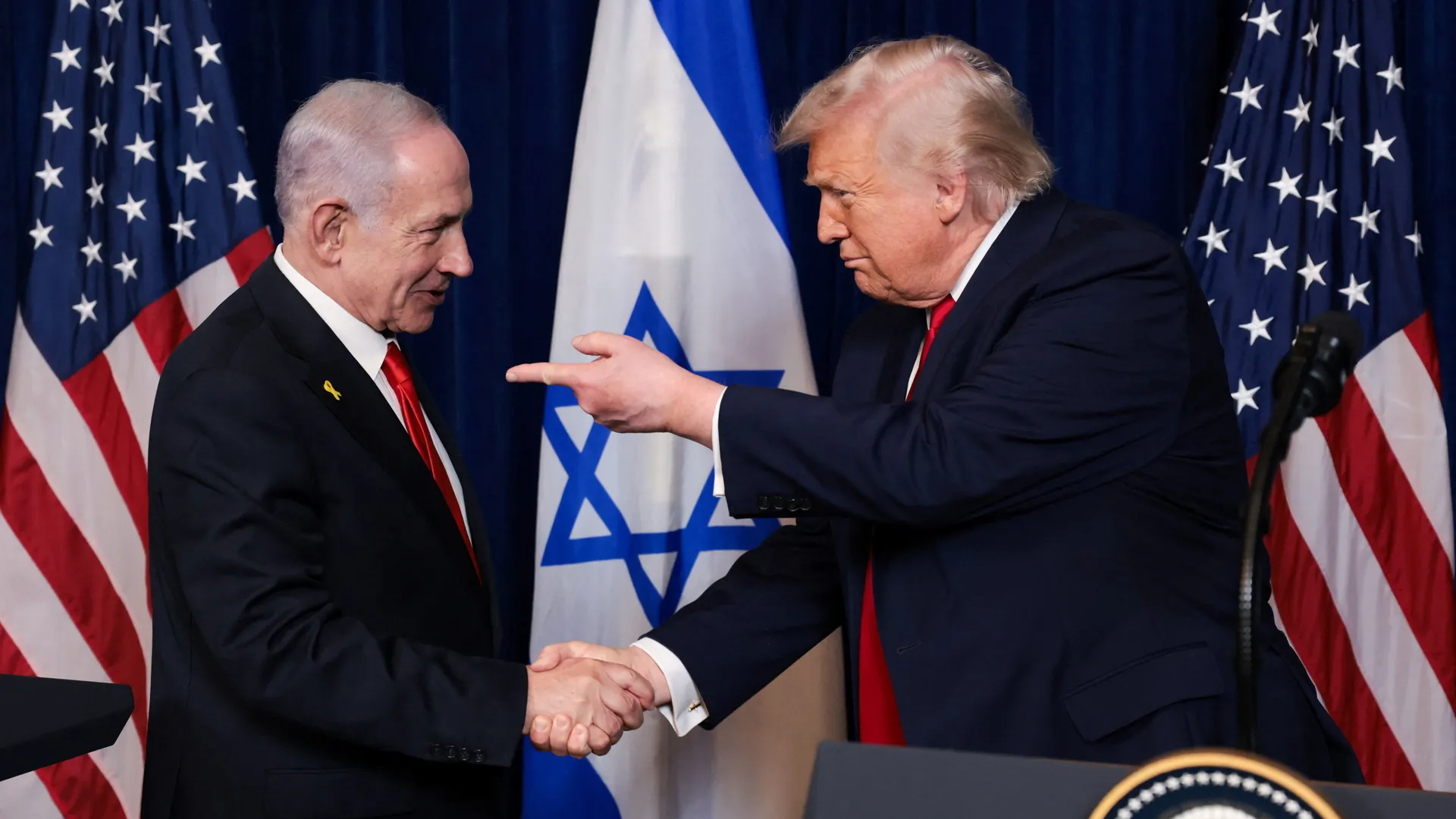
Trump Calls Netanyahu ‘Crazy’ As Iran Peace Talks Stall/ Newslooks/ WASHINGTON/ J. Mansour/ Morning Edition/ President Donald Trump confirmed he called Israeli Prime Minister Benjamin Netanyahu “crazy” during a recent phone conversation, expressing frustration that Israel’s military actions in Lebanon are complicating efforts to secure a broader agreement with Iran. The comments come as negotiations over Iran’s nuclear program and the reopening of the Strait of Hormuz remain fragile and unresolved. Trump also discussed the possibility of a prolonged blockade, Iran’s leadership role in negotiations, and his support for Acting Attorney General Todd Blanche.
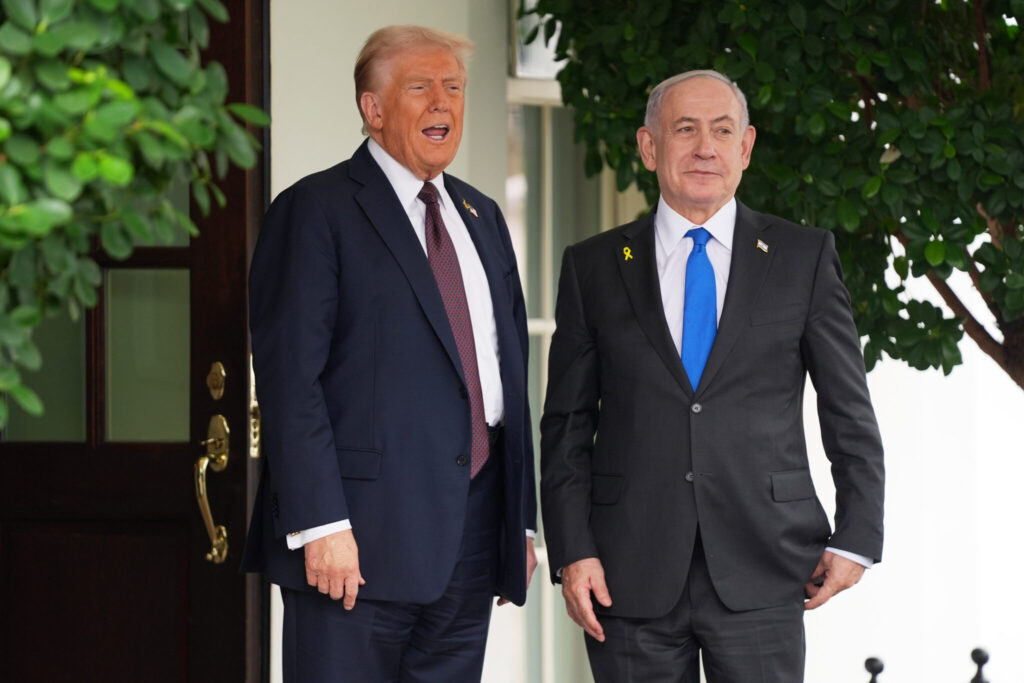
Trump Netanyahu Iran Talks Quick Looks
- Trump confirmed calling Netanyahu “crazy” during a phone call.
- He said Israel’s actions in Lebanon are hindering Iran negotiations.
- Trump described himself as a “wartime president.”
- The president said he still works well with Netanyahu.
- Talks with Iran remain focused on nuclear issues and the Strait of Hormuz.
- Trump acknowledged the blockade could extend through the summer.
- He said Iran’s Supreme Leader Mojtaba Khamenei remains involved in negotiations.
- Trump indicated support for Todd Blanche becoming attorney general permanently.
- The administration continues pursuing a broader agreement with Tehran.
- Rising energy prices remain a major concern amid ongoing tensions.
Deep Look
Trump Reveals Frustration With Netanyahu
WASHINGTON — President Donald Trump has publicly acknowledged growing frustration with Israeli Prime Minister Benjamin Netanyahu, confirming reports that he referred to the Israeli leader as “crazy” during a recent phone conversation.
The remarks emerged during an interview released Wednesday, where Trump discussed ongoing diplomatic efforts aimed at ending tensions with Iran and restoring stability in the Middle East.
While criticizing Israel’s recent military operations in Lebanon, Trump emphasized that his overall relationship with Netanyahu remains intact.
“We’ve worked very well together. I like Bibi a lot. And I work very well with him.”
Despite that endorsement, Trump acknowledged being frustrated by developments that he believes are slowing progress toward a potential agreement with Iran.
Lebanon Conflict Complicates Negotiations
Trump suggested that Israel’s campaign against Hezbollah in Lebanon has become a significant obstacle in ongoing diplomatic discussions.
The administration has spent months attempting to secure a framework that would:
- Prevent Iran from developing nuclear weapons.
- Reopen the Strait of Hormuz.
- Restore normal energy shipments through the Persian Gulf.
- Reduce the risk of a wider regional conflict.
According to Trump, the continued fighting in Lebanon has made those goals more difficult to achieve.
“I’m a little bit perturbed.”
The president’s comments represent one of his strongest public criticisms of Netanyahu since returning to office.
Trump Embraces Wartime Leadership Role
During the interview, Trump linked his relationship with Netanyahu to the realities of wartime leadership.
“I’m a wartime president.”
“He’s a wartime prime minister.”
The comments reflect how Trump increasingly frames his presidency through the lens of international conflicts, particularly the ongoing crisis involving Iran, Israel, and regional proxy groups.
Trump campaigned heavily on promises to avoid prolonged foreign conflicts, but the continuing instability in the Middle East has become one of the defining foreign policy challenges of his second term.
Strait Of Hormuz Remains Central Issue
A key objective of negotiations remains the reopening of the Strait of Hormuz, one of the world’s most important energy transit routes.
The waterway handles a substantial portion of global oil and natural gas shipments, making its disruption a major concern for international markets.
Trump acknowledged that current restrictions could potentially remain in place through the Labor Day holiday.
“I don’t know. I mean, I think it could be (closed through Labor Day), but I think it’s unlikely.”
“I think that we’ll have it. I think this will resolve itself fairly quickly.”
The president expressed optimism that a resolution remains achievable despite recent setbacks.
Economic Consequences Continue To Mount
Energy markets have closely monitored developments in the region.
Any prolonged disruption of shipping through Hormuz could:
- Increase oil prices.
- Raise gasoline costs.
- Fuel inflation.
- Slow economic growth worldwide.
These concerns have added pressure on negotiators to reach an agreement that restores maritime traffic and stabilizes energy supplies.
The administration views reopening the strait as one of the most immediate priorities in talks with Tehran.
Trump Says Khamenei Remains Involved
Trump also addressed questions surrounding Iran’s leadership and decision-making process.
The president said he believes Supreme Leader Mojtaba Khamenei continues to play a direct role in negotiations.
“They have a lot of respect for him.”
Trump added that Khamenei is reportedly recovering from injuries sustained during an earlier airstrike but continues to approve key decisions.
“They say he’s giving approval because that’s the way it has been for a long, long time.”
The administration believes Tehran’s negotiating process remains heavily influenced by the Supreme Leader’s office.
Multiple Iranian Negotiating Teams Have Changed
Trump revealed additional details about the pace of negotiations.
According to the president, several Iranian negotiating teams have already been replaced during the process.
“We seem to be getting along quite well.”
However, he noted that multiple groups of negotiators have come and gone, underscoring the complexity of the discussions.
The frequent changes have contributed to delays and uncertainty regarding a final agreement.
Blanche Earns Trump’s Support
Beyond foreign policy, Trump also discussed the future of Acting Attorney General Todd Blanche.
The president indicated that he expects Blanche to eventually become the permanent head of the Justice Department.
“I think he will.”
Trump praised his longtime ally and former personal attorney for his performance since assuming leadership of the department.
“I wanted to see how he’s received.”
“And he’s done a very good job. But I’ve known him a long time.”
Blanche became acting attorney general after the departure of Pam Bondi earlier this year.
Any permanent appointment would require Senate confirmation.
Diplomatic Challenges Continue
The administration remains focused on securing a broader agreement with Iran, but significant challenges remain.
Negotiators continue to confront disputes involving:
- Nuclear development.
- Regional security.
- Maritime access.
- Sanctions relief.
- Proxy conflicts in Lebanon and elsewhere.
Trump’s comments highlight growing impatience with developments that threaten to derail progress.
At the same time, his remarks suggest he still believes a negotiated solution remains possible.