Trump Administration Unveils New Tariff Plan After Court Defeats/ Newslooks/ WASHINGTON/ J. Mansour/ Morning Edition/ The Trump administration is proposing a new round of tariffs on dozens of trading partners after previous global tariffs were struck down by the courts. The plan would impose duties of 10% to 12.5% on countries accused of failing to prevent imports tied to forced labor. Officials hope the new approach will preserve tariff revenue and withstand legal challenges ahead of key midterm elections.
Trump Tariff Plan Quick Looks
- The administration proposes tariffs on 60 trading partners.
- New duties range from 10% to 12.5%.
- The policy relies on Section 301 of the Trade Act of 1974.
- Previous global tariffs were struck down by the Supreme Court.
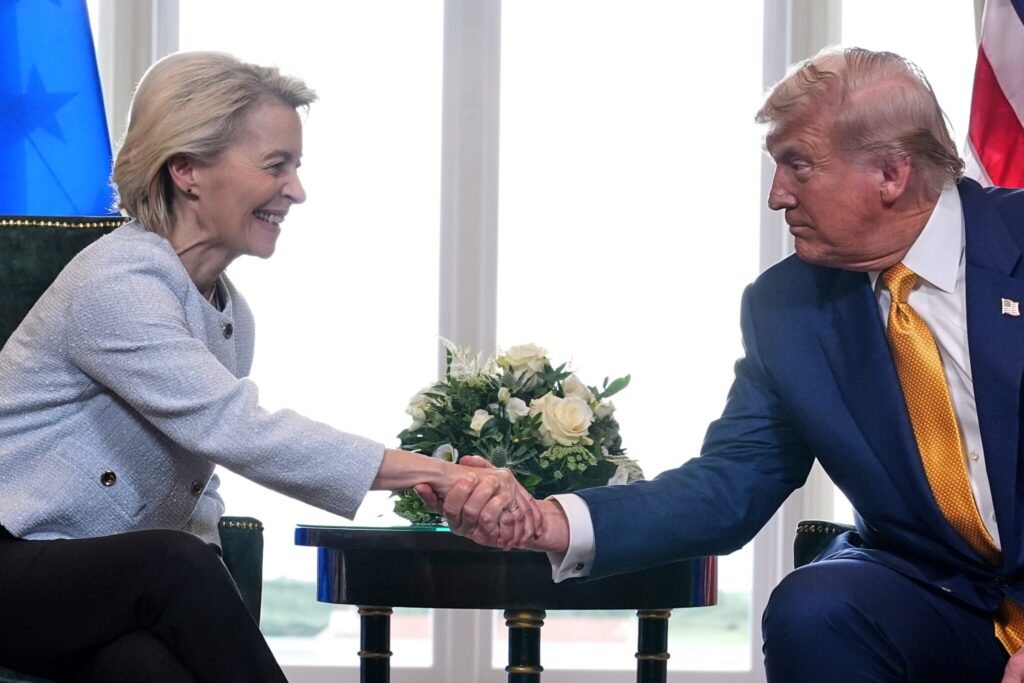
- Canada, Mexico, the EU and the UK would face 10% tariffs.
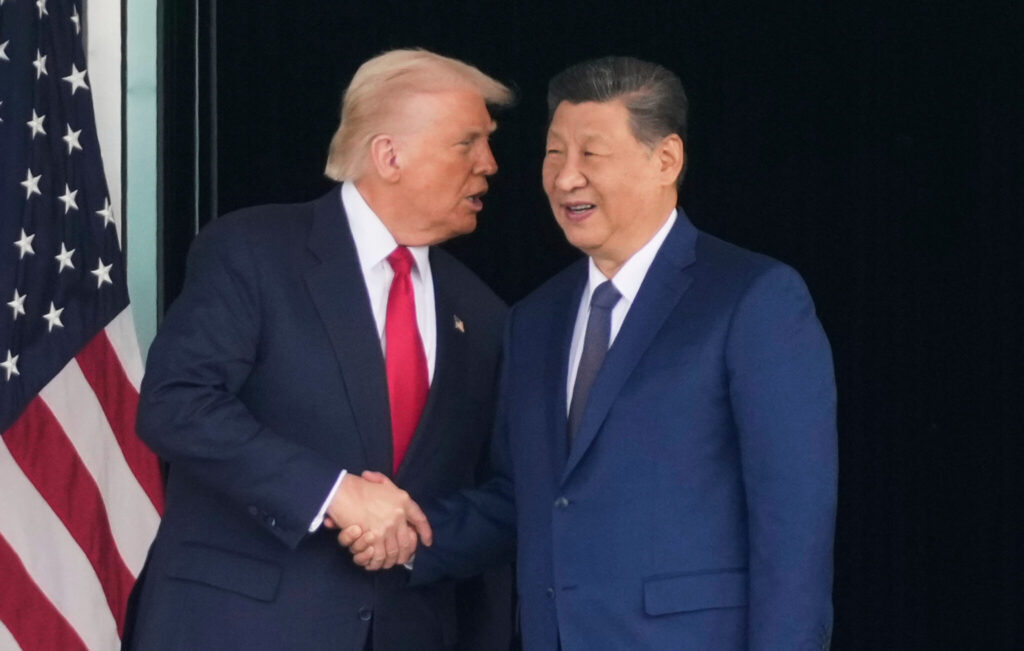
- China, Japan, India and South Korea could face 12.5% duties.
- Public hearings begin July 7.
- Several products would be exempt from the tariffs.
- Officials cite forced labor concerns as justification.
- Trading partners have already criticized the proposal.
Deep Look
Trump Administration Launches New Tariff Strategy After Court Setbacks
WASHINGTON — The Trump administration is moving aggressively to rebuild its trade barriers after a series of legal defeats dismantled key elements of the president’s previous tariff agenda.
This week, administration officials proposed a new tariff framework that would impose import duties on dozens of major U.S. trading partners, citing concerns over goods allegedly produced through forced labor.
The proposal represents the latest effort by President Donald Trump’s team to preserve tariff revenue and maintain pressure on foreign competitors after the Supreme Court invalidated broad global tariffs earlier this year.
New Tariffs Target Dozens Of Trading Partners
Under the proposal, 16 economies would face 10% tariffs for allegedly failing to adequately enforce restrictions on goods linked to forced labor.
Those economies include:
- Canada
- Mexico
- European Union
- Taiwan
- United Kingdom
An additional 44 trading partners would face tariffs of 12.5%, including:
- China
- Japan
- India
- South Korea
- Switzerland
The tariffs are not scheduled to take effect immediately and remain subject to public review and hearings beginning July 7.
Administration Cites Forced Labor Concerns
Officials argue the proposed measures are necessary to address what they view as unfair trade practices linked to forced labor.
U.S. Trade Representative Jamieson Greer defended the proposal.
“The failure of our most important trading partners to address the importation of goods made with forced labor is unacceptable.”
He added:
“This creates a dynamic where American workers are forced to compete globally on an unlevel playing field.”
According to the administration, countries that fail to prevent imports connected to forced labor create unfair advantages in global commerce.
A Different Legal Path
The new tariff initiative differs significantly from Trump’s earlier trade actions.
Earlier tariffs were imposed under the International Emergency Economic Powers Act (IEEPA), which the Supreme Court ruled could not be used to justify broad global import taxes.
The administration has now shifted to Section 301 of the Trade Act of 1974, a legal authority that has historically survived court challenges.
Section 301 allows the federal government to impose tariffs or other penalties against countries engaged in practices deemed unreasonable, discriminatory or harmful to U.S. commerce.
Trump successfully used the same authority during his first term to impose tariffs on Chinese imports.
Revenue Pressures Drive New Strategy
Tariff revenue has become increasingly important to the administration’s economic agenda.
Trump had counted on tariff collections to help offset revenue losses associated with his major 2025 tax cuts.
However, legal defeats have reduced tariff collections.
According to Treasury Department figures cited in the report:
- Tariff revenue peaked at more than $31 billion in October.
- Collections fell to approximately $22 billion in March and April.
Administration officials have repeatedly pledged to replace those lost funds.
Trade attorney Ryan Majerus said the White House appears determined to ensure tariff revenue continues without interruption.
“I’m confident, based on the schedule they’re on now, that they will have these done and ready to implement.”
Exemptions Aim To Limit Consumer Impact
The administration is also trying to limit political fallout from rising consumer prices.
A lengthy list of products would be exempt from the proposed tariffs, including:
- Aircraft components
- Coffee
- Beef
- Rare earth minerals
- Certain products covered under North American trade agreements
The exemptions reflect growing concern among policymakers about inflation and consumer costs ahead of upcoming elections.
Because tariffs are paid by U.S. importers, many businesses pass those additional costs on to consumers.
International Pushback Begins
The proposal immediately drew criticism from several countries and trade officials.
China rejected allegations involving forced labor and criticized the tariffs.
Foreign Ministry spokesperson Mao Ning stated:
“There is no such thing as forced labor in China, and we oppose using it as an excuse to engage in political manipulation.”
Meanwhile, Canadian Prime Minister Mark Carney defended Canada’s existing policies and announced plans for additional legislation addressing forced labor in supply chains.
“Canada has a very strong legislative regime against forced labor in supply chains.”
European officials were also highly critical.
Bernd Lange, chairman of the European Parliament’s trade committee, argued that the European Union already maintains strict rules against forced labor products.
“This looks very much like trying to make the facts fit a legal justification for tariffs that has already been decided.”
Additional Trade Actions May Follow
The forced labor investigation is not the administration’s only trade initiative.
Officials are also pursuing separate Section 301 investigations involving:
- Alleged industrial overproduction by major economies.
- Trade practices affecting U.S. manufacturing.
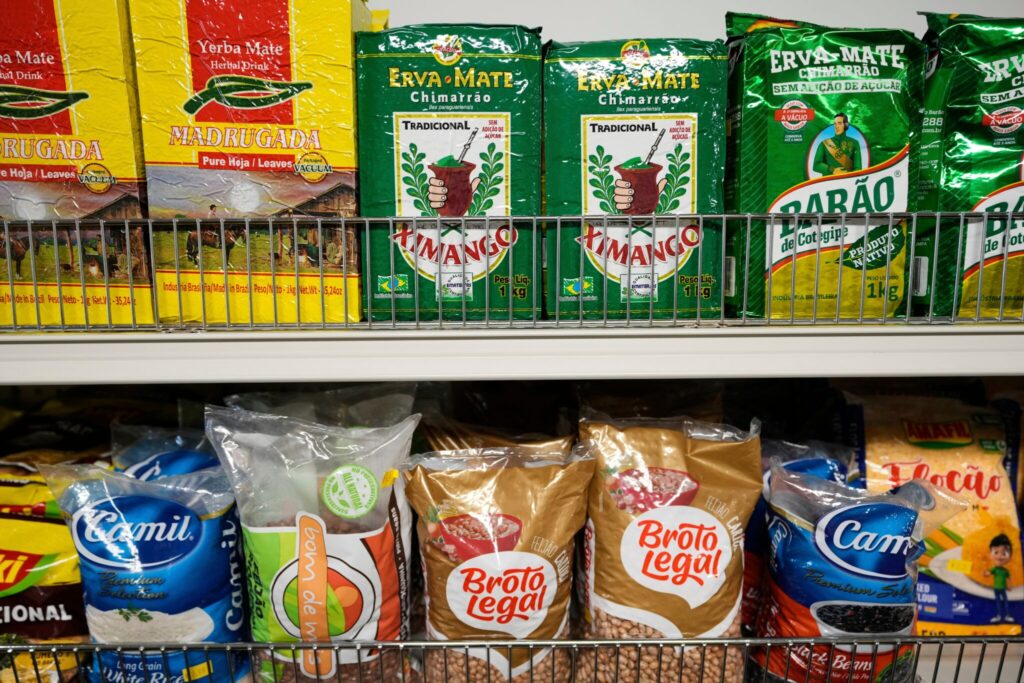
- A proposed 25% tariff on Brazilian imports.
Those investigations could lead to additional tariffs in the coming months.
What Happens Next
The proposal now enters a public review process.
Hearings are scheduled to begin July 7, giving businesses, foreign governments and trade organizations an opportunity to submit feedback.
If approved, the tariffs would become a major pillar of the administration’s post-court trade strategy and could significantly reshape U.S. trade relations with some of its largest economic partners.