

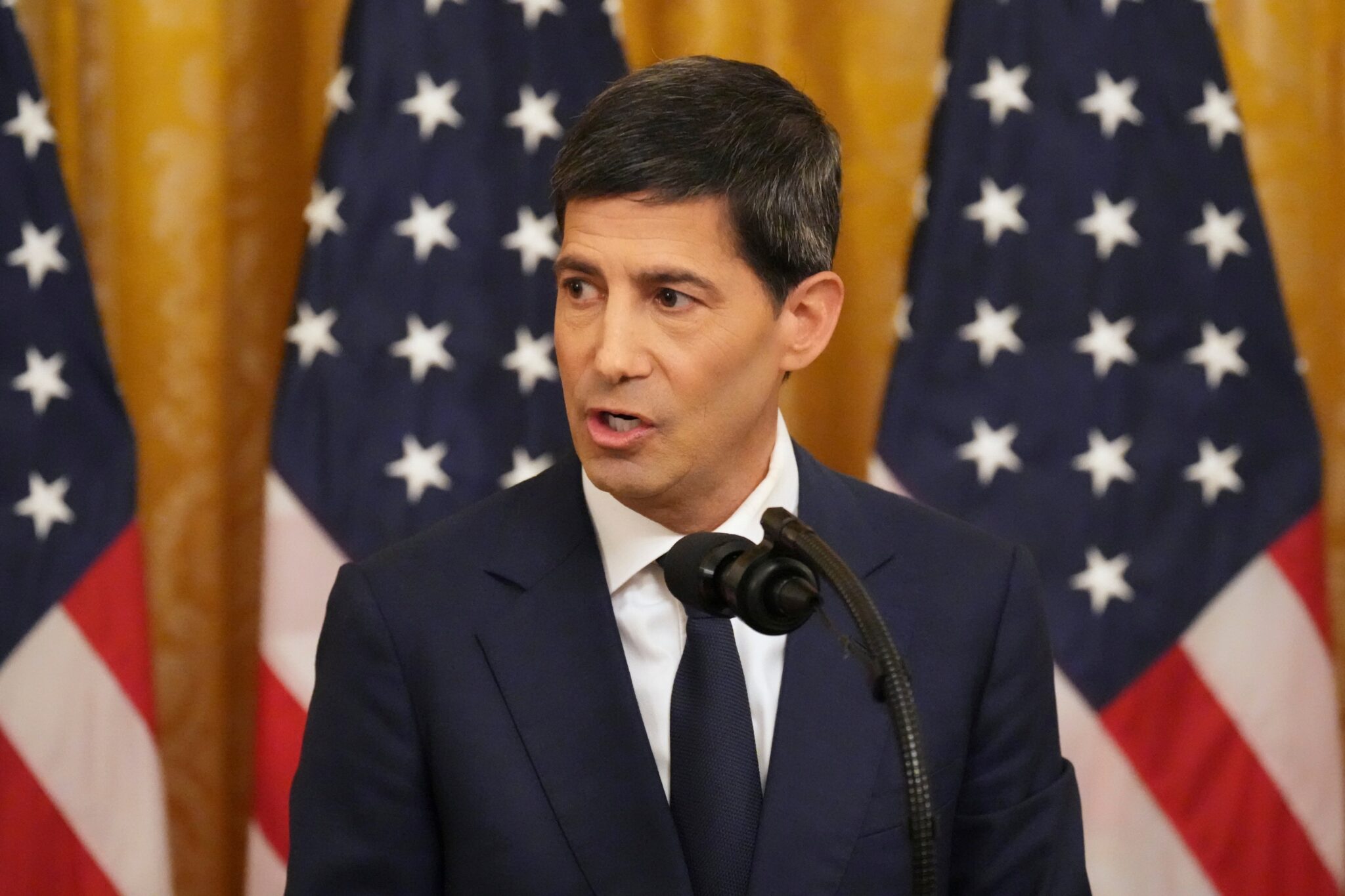
Fed Chair Warsh Holds Rates Steady as Officials Signal Possible Hike/ Newslooks/ WASHINGTON/ J. Mansour/ Morning Edition/ The Federal Reserve kept interest rates unchanged but signaled growing concern about inflation. Nearly half of policymakers indicated they could support rate hikes later in 2026. New Fed Chair Kevin Warsh is reshaping the central bank’s communication and policy approach.
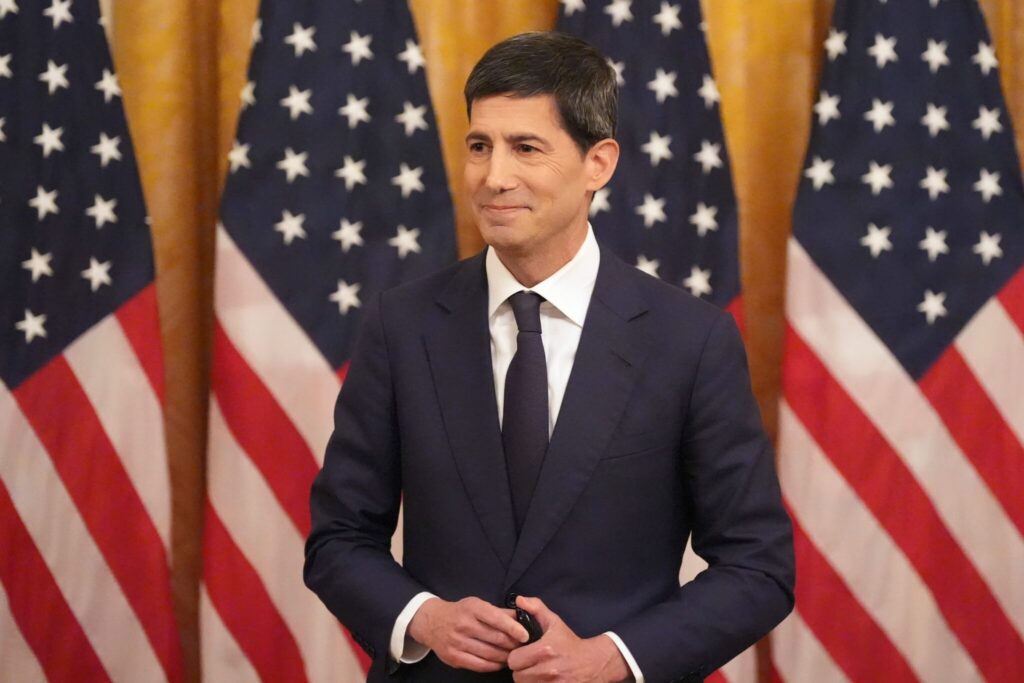
Federal Reserve Interest Rates Quick Looks
- The Fed left its benchmark rate unchanged at roughly 3.6%.
- Nine policymakers projected at least one rate hike in 2026.
- Inflation remains at a three-year high of 4.2%.
- Strong job growth reduced pressure for immediate rate cuts.
- Fed Chair Kevin Warsh eliminated guidance suggesting future cuts.
- The central bank removed forward guidance from its statement.
- Warsh announced five task forces to review Fed operations.
- Markets declined after policymakers signaled possible hikes.
- Higher oil prices linked to the Iran conflict continue influencing inflation.
- President Trump has repeatedly called for lower interest rates.
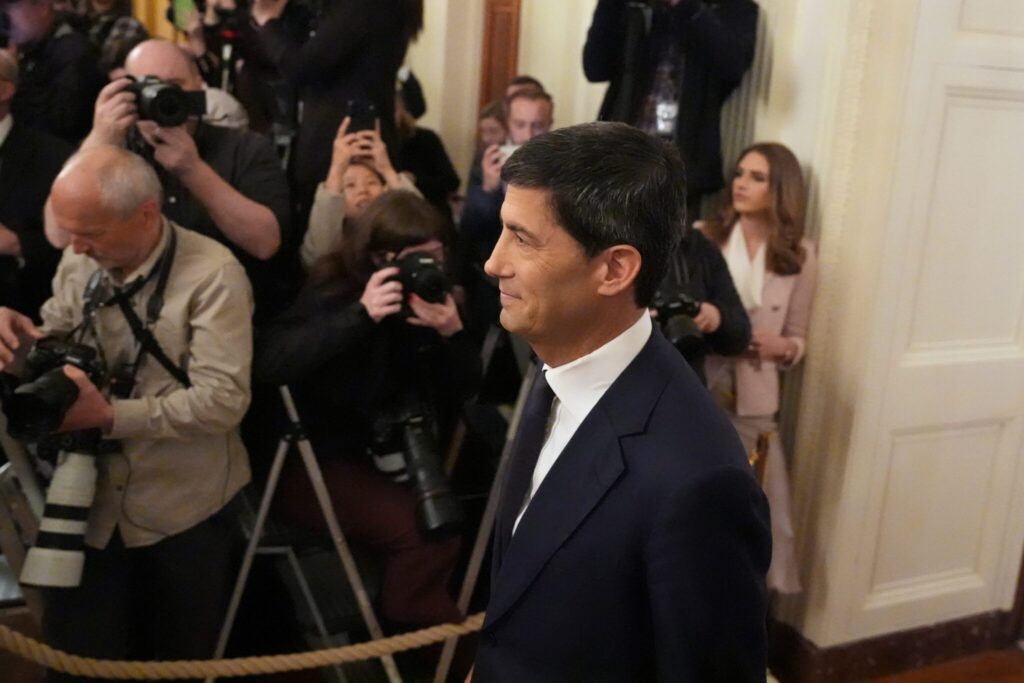
Deep Look
Federal Reserve Holds Rates Steady but Opens Door to Hikes
The Federal Reserve left its benchmark interest rate unchanged Wednesday, but the decision carried a notably hawkish message: nearly half of policymakers now believe higher rates may be necessary before the end of the year.
The move represents one of the first major policy signals under newly appointed Federal Reserve Chair Kevin Warsh, whose leadership style already appears markedly different from that of his predecessor.
Following its two-day meeting, the central bank maintained its key rate near 3.6%, where it has remained throughout much of 2026. Yet the accompanying economic projections revealed a significant shift in policymakers’ thinking.
Nine of the Fed’s 19 policymakers projected at least one rate increase this year, while six anticipated two or more hikes. Another eight officials favored keeping rates unchanged, and only one projected a cut.
The updated outlook surprised investors who had expected a more balanced approach amid uncertainty surrounding inflation and global economic conditions.
Inflation Concerns Drive Policy Shift
The Fed’s tougher stance reflects growing anxiety about persistent inflation.
Consumer prices have risen 4.2% over the past year, the highest rate in three years and well above the central bank’s long-standing 2% target.
Although energy prices have eased following a tentative agreement aimed at ending the Iran conflict and reopening the Strait of Hormuz, broader inflationary pressures remain.
Costs for services and everyday goods—including childcare, dental care, and clothing—have continued rising even outside energy markets.
Fed officials increasingly worry that inflation could become entrenched after remaining above target for five consecutive years.
“We’ve missed on inflation for five years and we’re gonna fix that,” Warsh said during his first post-meeting press conference.
Warsh Begins Reshaping the Federal Reserve
Wednesday’s meeting highlighted how Warsh intends to reshape the institution.
The Fed issued an unusually brief policy statement and removed language that had previously implied rate cuts were likely.
Perhaps most notably, the central bank also removed its forward guidance—language used to hint at future policy moves.
Warsh has long criticized the Fed for overcommunicating and potentially locking itself into specific policy paths.
In another departure from tradition, projections released by the Fed contained only 18 policy forecasts despite 19 officials participating. Observers believe Warsh may have intentionally withheld his own projection because of concerns about the usefulness of the so-called “dot plot.”
The new chair also announced five task forces aimed at reviewing:
- Fed communications strategy
- Economic data sources
- Forecasting methods
- Policy transparency
- Future operational reforms
According to Warsh, the goal is ensuring the Federal Reserve remains “clear-eyed and focused on the future.”
Strong Economy Complicates Rate Decisions
The economic backdrop facing policymakers is markedly different from earlier expectations.
At the start of the year, many economists expected slowing growth and rising unemployment to push the Fed toward rate cuts.
Instead, the labor market has remained resilient.
A government report released earlier this month showed employers added 172,000 jobs in May, marking a third consecutive month of solid hiring gains.
Strong employment and consumer spending have reduced the urgency for lower rates.
Recent retail sales data also pointed to continued consumer resilience, suggesting households remain willing to spend despite elevated borrowing costs.
Political Pressure Remains in Focus
The Fed’s stance may also create tension with President Donald Trump, who has repeatedly advocated lower interest rates to support economic growth.
Trump previously criticized former Chair Jerome Powell for keeping borrowing costs too high and appointed Warsh in hopes of a different approach.
Ironically, Warsh now faces the same dilemma confronting his predecessor: balancing inflation control against political expectations.
Raising rates could help curb inflation but would also increase borrowing costs for:
- Mortgages
- Auto loans
- Business investment
- Credit cards
Such moves could become politically sensitive as midterm elections approach.
Markets React to the Fed’s New Tone
Wall Street reacted negatively to the Fed’s updated projections.
Investors had anticipated greater clarity regarding potential rate cuts later this year. Instead, the projections signaled a central bank increasingly willing to tighten policy if inflation fails to cool.
Warsh defended the shift away from extensive guidance.
“I think financial markets perform best when they react to incoming data,” he said.
That philosophy marks a significant change in how the Federal Reserve communicates with investors and could introduce greater market volatility as traders adjust to a less predictable policy environment.
What Comes Next?
The path forward remains uncertain.
If oil prices continue falling and supply chains stabilize following the Iran agreement, inflation could moderate in coming months.
However, if price pressures persist while the labor market remains strong, the Fed may decide that additional rate hikes are necessary to restore price stability.
For now, the central bank is signaling patience—but also preparing markets for the possibility that borrowing costs could rise again before the year ends.



You must Register or Login to post a comment.