

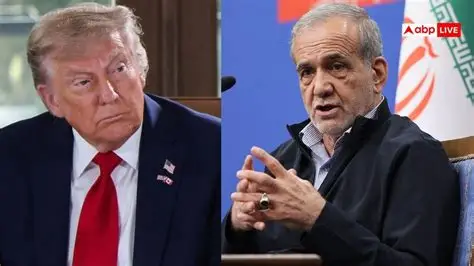
Trump Signs Iran Deal at Versailles During Macron Dinner, Pezeshkian Signs in Tehran/ Newslooks/ WASHINGTON/ J. Mansour/ President Donald Trump personally signed the Iran agreement during a dinner at Versailles with French President Emmanuel Macron. The signing effectively activates the ceasefire agreement, canceling a planned Geneva ceremony. Verification of Iran’s nuclear commitments remains the key challenge ahead.
Trump Iran Deal Quick Looks
- Trump signed the Iran memorandum at the Palace of Versailles.
- Iranian President Masoud Pezeshkian also signed the agreement.
- The deal is now considered in effect by both sides.
- The planned Geneva signing ceremony has reportedly been canceled.
- Iran requested a Persian-language version of the agreement.
- Tehran recognizes the Persian text as an official version.
- The agreement includes commitments on nuclear restrictions.
- Verification mechanisms remain a major concern for regional powers.
- Saudi Arabia says enforcement details will determine success.
- Negotiations on implementation are expected to continue.
Deep Look
Trump Signs Iran Agreement During Versailles Dinner
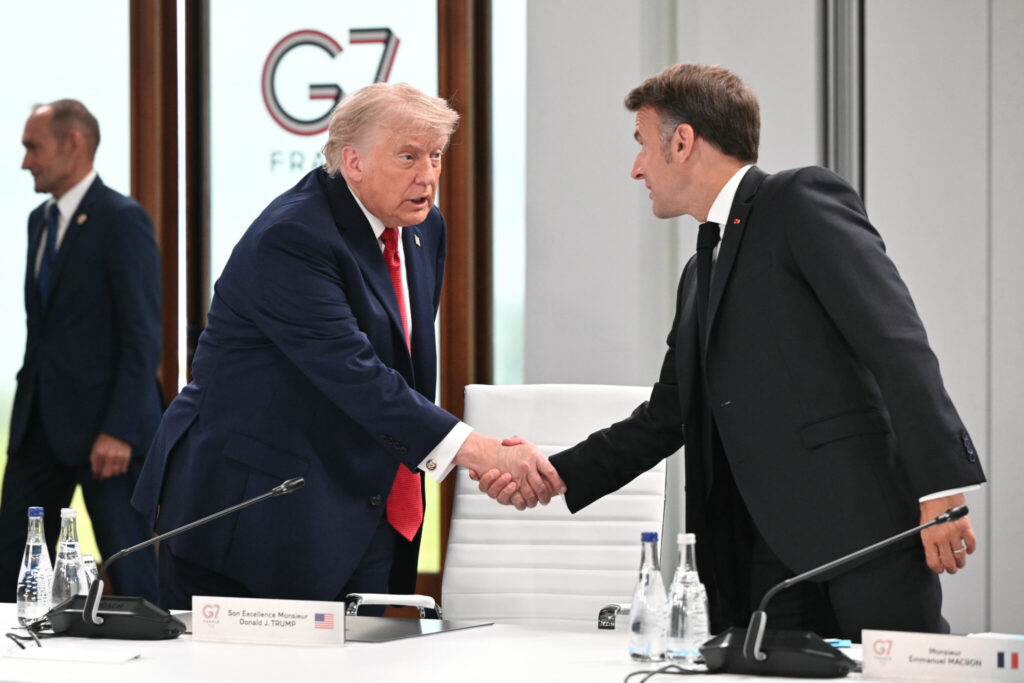
President Donald Trump personally signed the U.S.-Iran memorandum of understanding Wednesday during a state dinner with French President Emmanuel Macron at the Palace of Versailles, marking a major milestone in efforts to end months of conflict between Washington and Tehran.
According to a White House official, Trump signed the agreement during the gathering in France, and a copy of the signed document was immediately transmitted to Iranian officials and mediating countries involved in the negotiations.
The signing effectively places the agreement into force, eliminating the need for a previously planned formal ceremony in Geneva.
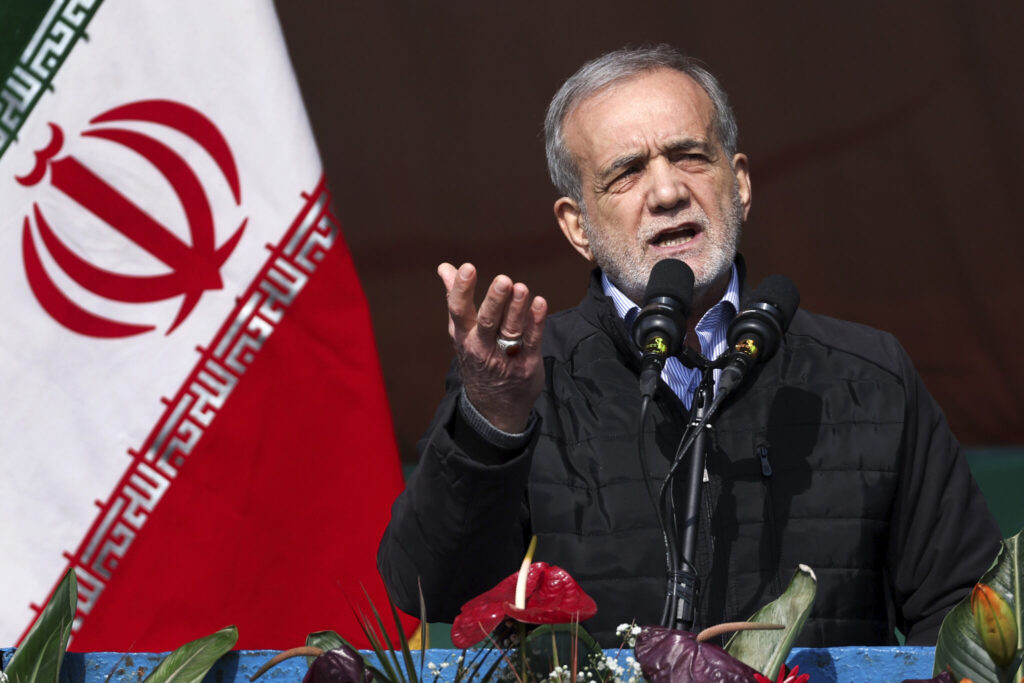
Reports indicate that Iranian President Masoud Pezeshkian signed on behalf of Tehran, creating a rare instance of direct parallel approval between the two longtime adversaries.
Geneva Ceremony Canceled as Agreement Takes Effect
The signing at Versailles appears to have accelerated implementation of the agreement.
Reuters reported that because both sides have now formally signed the memorandum, the planned signing ceremony in Switzerland will no longer take place.
However, diplomatic engagement is expected to continue.
Iranian Foreign Ministry spokesman Esmaeil Baghaei confirmed that negotiating teams still intend to travel to Geneva, suggesting discussions over implementation and technical details remain ongoing.
The move reflects how international agreements often require extensive follow-up work even after political approval is secured.
Persian Version Gains Equal Status
One notable development concerns the language of the agreement itself.
According to reports citing sources close to the negotiations, Tehran insisted on the creation and formal recognition of a Persian-language version of the memorandum.
Iran reportedly sought equal legal standing for the Persian text alongside the original version of the agreement.
The source said the Persian document has now been recognized as an official version of the accord.
Such language provisions are not unusual in international diplomacy, where multiple official texts can carry equal legal authority.
Verification Emerges as Central Challenge
While the signing marks diplomatic progress, experts and regional leaders emphasize that implementation—not signatures—will determine success.
Saudi Foreign Minister Prince Faisal bin Farhan said the agreement’s credibility depends heavily on verification mechanisms.
“The detail will matter,” he said during remarks in Vienna.
According to Prince Faisal, the key issues include:
- Monitoring uranium enrichment levels
- Verification of nuclear material removal or dilution
- Inspection and compliance mechanisms
- Long-term enforcement procedures
These concerns mirror longstanding international debates over Iran’s nuclear activities.
What the Agreement Seeks to Achieve
Draft versions of the memorandum indicate several major objectives:
- Ending hostilities between the United States and Iran
- Reopening the Strait of Hormuz to global shipping
- Allowing Iranian oil exports to resume
- Creating a framework for future nuclear negotiations
- Providing phased sanctions relief
- Establishing oversight mechanisms for compliance
The agreement reportedly includes Iran’s renewed pledge that it will “never produce nuclear weapons.”
However, unresolved questions remain regarding Tehran’s existing enriched uranium stockpile and future nuclear infrastructure.
Regional and Global Implications
The accord could have far-reaching consequences beyond U.S.-Iran relations.
Reopening the Strait of Hormuz could ease pressure on global energy markets after months of disruptions that pushed oil prices sharply higher.
Regional actors—including Gulf nations and European governments—are closely monitoring implementation, recognizing that the agreement could reshape Middle Eastern geopolitics.
At the same time, skepticism remains strong among some lawmakers in Washington and critics abroad who question whether the deal contains sufficient safeguards.
The coming weeks are likely to focus less on diplomacy and more on enforcement.
Ultimately, the agreement’s durability may depend on whether both sides can transform a political memorandum into a lasting framework for stability.



You must Register or Login to post a comment.