

Congress Questions Cost and Consequences of Trump’s Iran War/ Newslooks/ WASHINGTON/ J. Mansour/ Morning Edition/ Congress is grappling with the aftermath of President Donald Trump’s nearly four-month war with Iran. Republicans and Democrats remain deeply divided over whether the conflict improved U.S. security or weakened America’s position. Lawmakers now face questions about military spending, diplomacy, and the long-term impact of the Iran agreement.


Trump Iran War Fallout Quick Looks
- Congress never formally authorized the war against Iran.
- Lawmakers remain split on whether the conflict achieved its objectives.
- Republicans are considering hundreds of billions in additional Pentagon funding.
- Questions remain about Iran’s nuclear ambitions and the future of negotiations.
- Senators are concerned about a proposed $300 billion reconstruction fund for Iran.
- The war depleted military resources and raised concerns about defense readiness.
- Congress repeatedly failed to halt the conflict through war powers resolutions.
- Critics argue Iran gained significant concessions through the agreement.
- Supporters claim the conflict enhanced U.S. security and forced Iran to negotiate.
- The ceasefire remains fragile as negotiations continue.

Deep Look
Congress Confronts the Legacy of Trump’s Iran War
As President Donald Trump shifts his attention toward negotiations and diplomacy, members of Congress are left wrestling with a fundamental question: Was the war with Iran worth the cost?
The nearly four-month conflict dramatically reshaped Middle East politics, strained military resources, disrupted global energy markets, and sparked intense debate in Washington. Yet Congress never formally authorized the military campaign, even as lawmakers struggled unsuccessfully to stop it.
Now that an interim agreement has been reached between the United States and Iran, lawmakers from both parties are evaluating what America gained, what it lost, and whether the outcome justifies the enormous costs incurred during the conflict.
Sharp Partisan Divide Over Results
Opinions on Capitol Hill remain deeply divided.
Democratic lawmakers argue that the administration failed to achieve its stated objectives while imposing substantial costs on American taxpayers and the broader economy.
Sen. Chris Coons of Delaware, a member of the Senate Foreign Relations Committee, delivered one of the harshest assessments, criticizing both the strategy and execution of the conflict.
Many Democrats contend that the agreement ultimately grants Iran significant benefits while leaving critical issues unresolved, particularly regarding Tehran’s nuclear ambitions.
Republicans, however, see the situation differently.
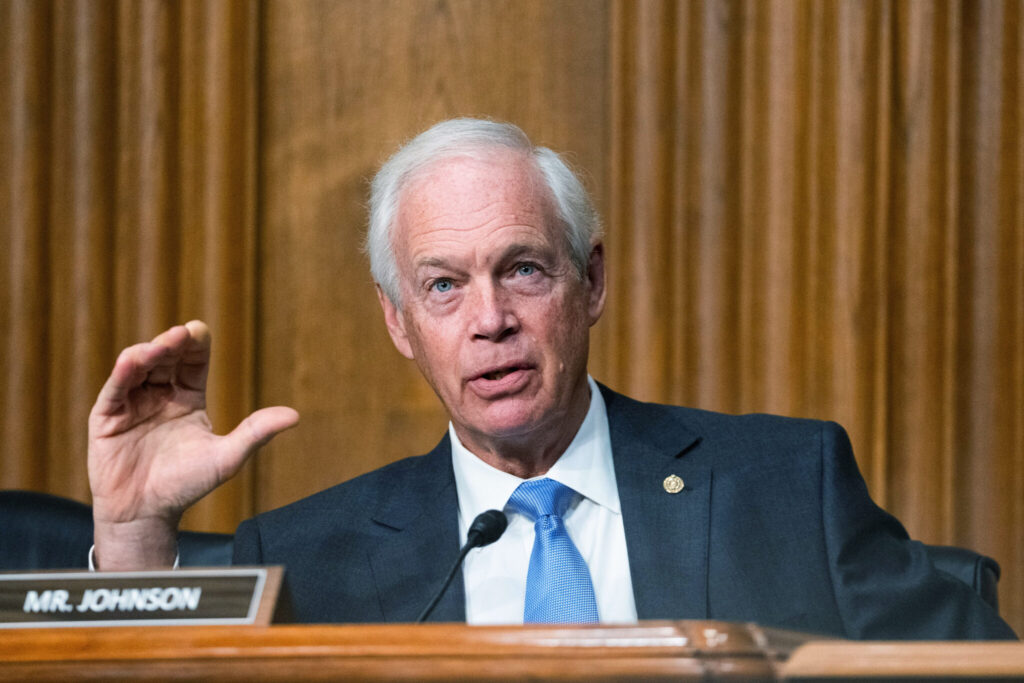
Wisconsin Sen. Ron Johnson argued that the administration’s actions strengthened American security and pressured Iran into negotiations. While acknowledging that a complete victory was unlikely, supporters of the administration maintain that the war weakened Iranian influence and created leverage for future talks.
Congress Faces the Bill
Beyond the political debate lies the practical challenge of funding the military after months of intensive operations.
Defense Secretary Pete Hegseth spent much of the week on Capitol Hill discussing the administration’s defense priorities as lawmakers prepare the next major budget package.
The White House is seeking approximately $1.5 trillion for the Pentagon, in addition to substantial defense spending increases approved by Republicans last year.
Congressional Republicans are considering an additional defense package exceeding $350 billion that could move through the budget reconciliation process, allowing passage with a simple majority vote.
At the same time, lawmakers are demanding greater accountability from the Pentagon.
Several senators are seeking restrictions on portions of Hegseth’s budget until the Defense Department provides detailed reports on controversial military actions carried out during the conflict.
Scrutiny Over Civilian Casualties
One of the most sensitive issues involves a strike on an elementary school in Iran early in the war that reportedly killed more than 165 people.
U.S. officials have acknowledged that the attack may have been based on faulty intelligence and that American forces were likely responsible.
The incident became one of the defining controversies of the conflict and continues to fuel calls for greater oversight and transparency regarding military operations.
Congressional investigators are expected to closely examine the circumstances surrounding the strike as part of broader reviews into wartime decision-making.
Questions About the Iran Agreement
Lawmakers are also focused on the details of the interim agreement signed by the Trump administration.
The deal created a 60-day framework for negotiations aimed at resolving concerns over Iran’s nuclear program and reducing tensions throughout the region.
While some Republicans support the administration’s effort to pursue diplomacy, many remain skeptical about the concessions being offered.
Particular attention has centered on provisions involving a potential $300 billion reconstruction and economic development fund for Iran.
Several senators have compared the proposal to criticisms Republicans once leveled against the Obama administration’s nuclear agreement with Tehran.
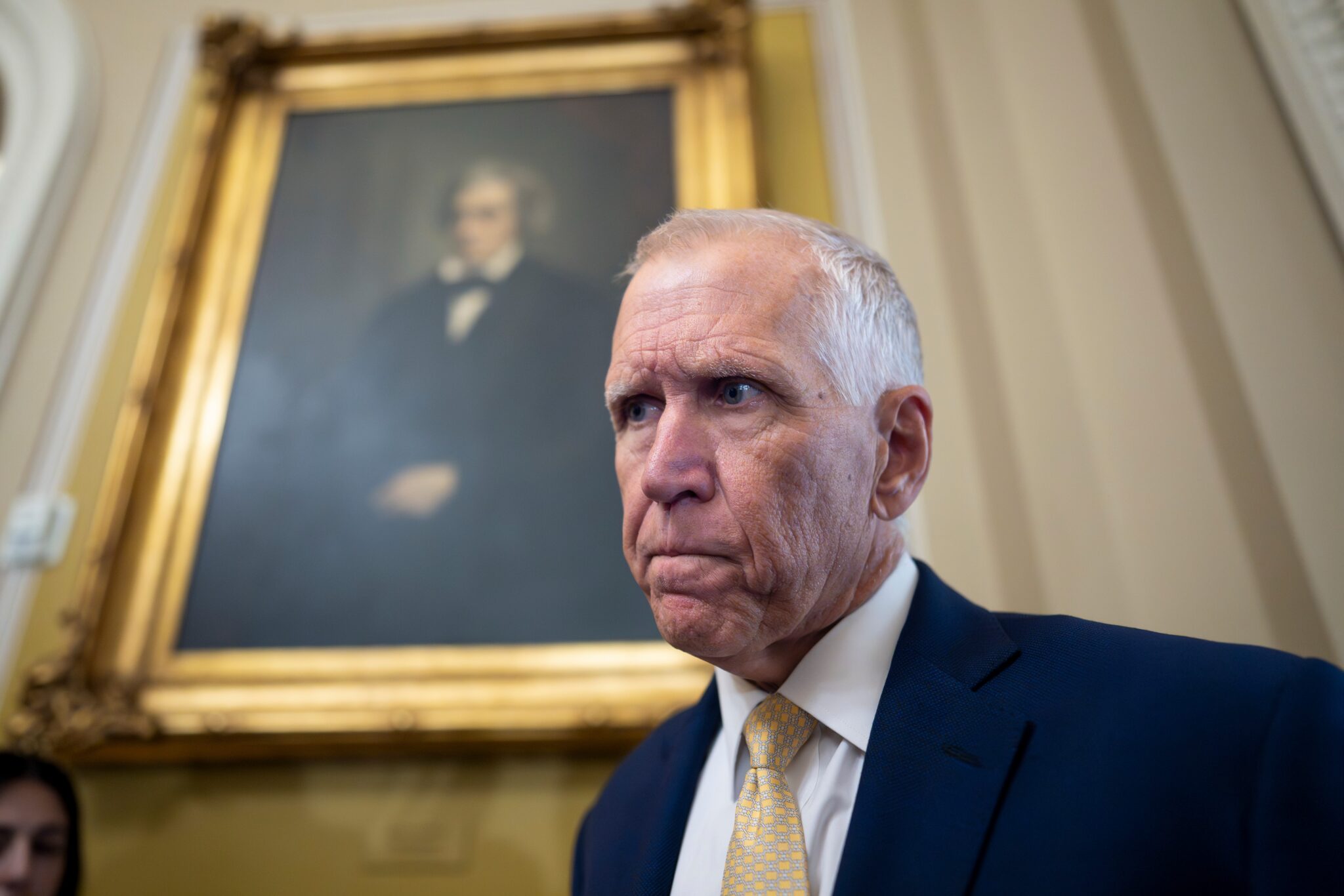
North Carolina Sen. Thom Tillis expressed concern that large financial commitments could ultimately benefit Iran without securing meaningful reforms or guarantees.
Congress Failed to Stop the War
The current debate is complicated by Congress’s own role during the conflict.
Despite repeated attempts, lawmakers never successfully invoked the War Powers Act to force an end to military operations.
The House of Representatives approved a war powers resolution with bipartisan support, but the Senate failed multiple times to reach the votes necessary for passage.
At the same time, Congress never formally authorized the conflict through a dedicated military force authorization.
That unusual situation left lawmakers in an uncomfortable position: unable to stop the war, yet unwilling to fully endorse it.
The constitutional questions surrounding executive war powers are likely to remain a significant topic of debate long after the conflict itself has ended.
Skepticism From Both Parties
Even some Republican senators have expressed uncertainty about whether the conflict achieved lasting strategic gains.
Alaska Sen. Lisa Murkowski questioned whether the United States emerged from the war with stronger leverage over Iran than it possessed beforehand.
Others have voiced concern that despite months of fighting, the final agreement leaves many of the same issues unresolved.
Democrats have been even more critical.
New Hampshire Sen. Jeanne Shaheen argued that Iran secured major concessions while Americans absorbed the economic consequences through higher costs and increased federal spending.
Critics contend that the administration’s central objectives—including permanently limiting Iran’s nuclear capabilities—remain uncertain.
The Next Phase Begins
With active fighting largely halted, Congress now faces the challenge of shaping the next chapter.
Lawmakers must oversee military replenishment efforts, evaluate defense spending requests, monitor negotiations with Iran, and assess whether the fragile ceasefire can hold.
The coming weeks will determine whether the interim agreement evolves into a durable peace framework or simply delays future confrontations.
For many in Congress, the ultimate judgment on the war will depend less on how it ended and more on what follows.
If negotiations lead to lasting stability and meaningful limits on Iran’s nuclear activities, supporters may view the conflict as a difficult but necessary step.
If diplomacy fails and tensions return, critics argue the war may be remembered as a costly detour that achieved little while deepening regional instability.




You must Register or Login to post a comment.