

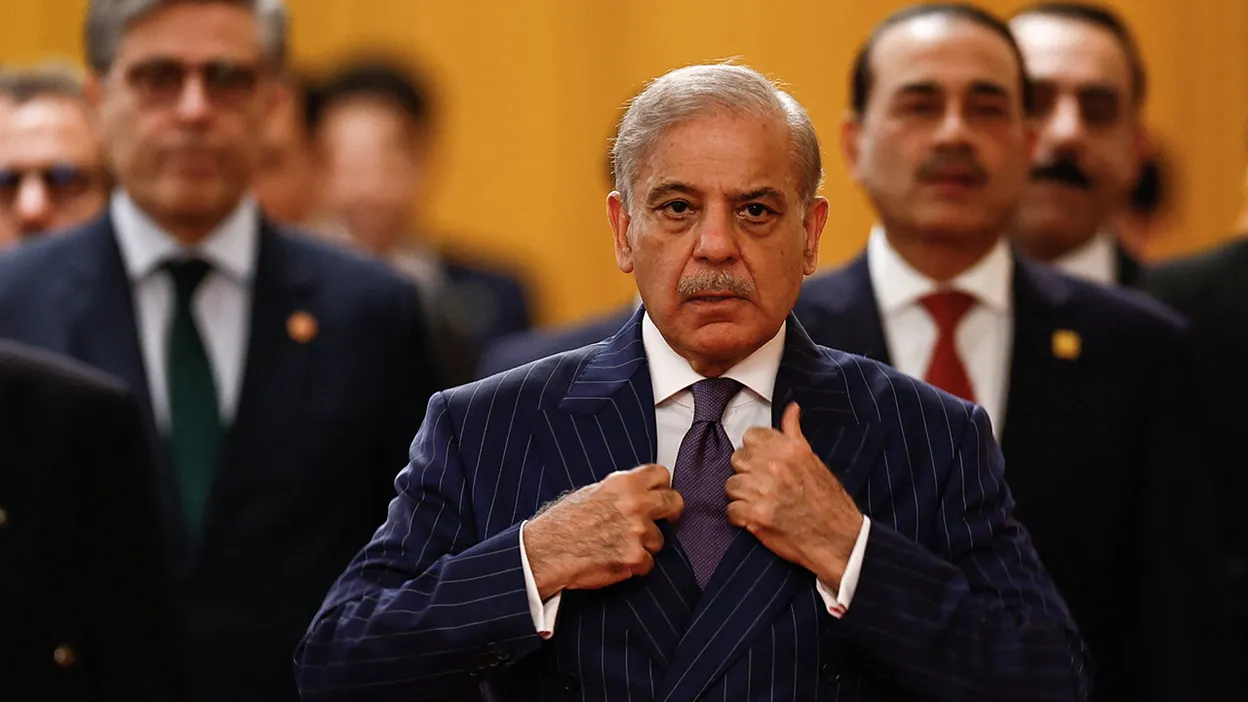
Pakistan: Technical-Level Iran-US Talks Will Begin Sunday in Switzerland/ Newslooks/ WASHINGTON/ J. Mansour/ Morning Edition/ Pakistan announced that technical-level U.S.-Iran talks will begin Sunday in Switzerland despite rising tensions. Iran closed the Strait of Hormuz again and warned the interim agreement could collapse if commitments are not met. Continued fighting between Israel and Hezbollah in Lebanon threatens both the ceasefire effort and broader regional diplomacy.
US-Iran Switzerland Talks Quick Looks
- Pakistan confirmed technical negotiations will start Sunday in Bürgenstock, Switzerland.
- Qatari mediators will participate alongside U.S. and Iranian officials.
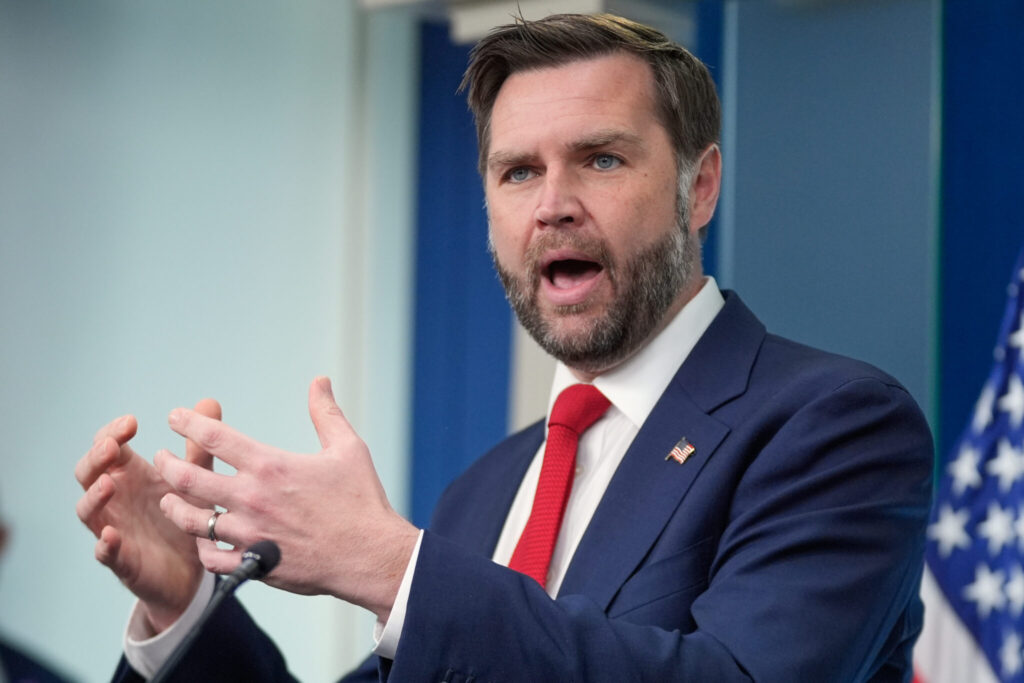
- Vice President JD Vance says senior negotiators are already in Switzerland.
- Iran has reclosed the Strait of Hormuz, citing Israeli military actions in Lebanon.
- Tehran says final negotiations depend on the U.S. honoring commitments.
- Israeli strikes in southern Lebanon killed at least 16 people on Saturday.
- Hezbollah says it will respect the ceasefire but accuses Israel of violations.
- The death toll from the Israel-Hezbollah conflict has surpassed 4,000, according to Lebanon.
- The interim agreement remains under significant pressure.
- Nuclear negotiations now face political, military and economic obstacles.
Deep Look
Technical Talks to Begin Despite Escalating Regional Tensions
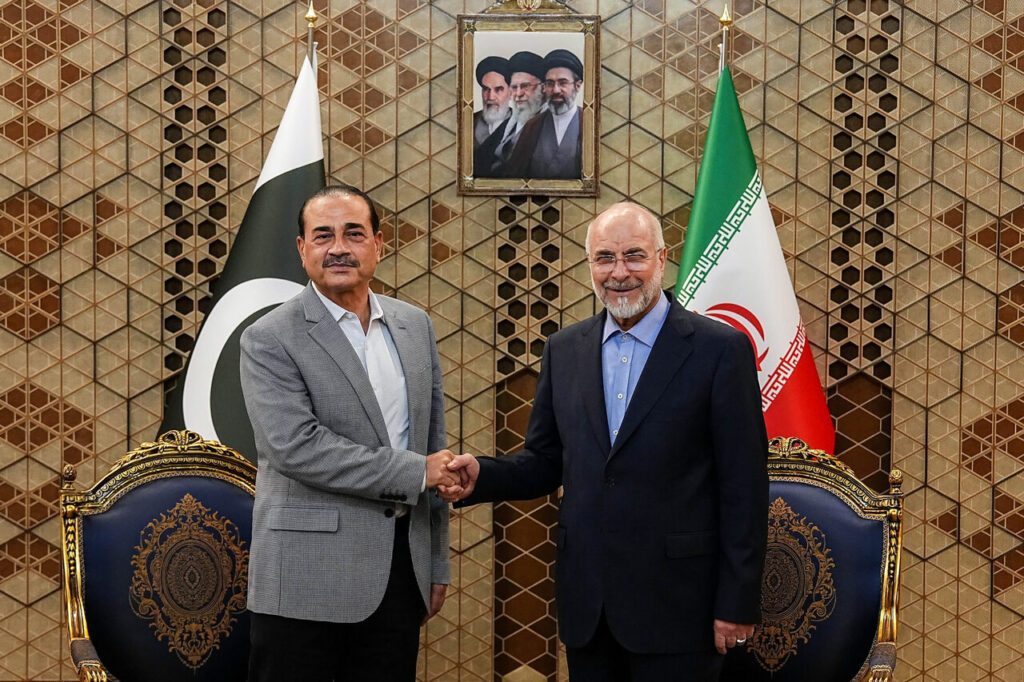
Pakistan announced Saturday that technical-level negotiations between the United States and Iran will begin Sunday in Switzerland, providing a potential lifeline to a fragile diplomatic process that has already been shaken by renewed fighting in Lebanon and fresh tensions in the Persian Gulf.
The discussions are scheduled to take place in Bürgenstock, Switzerland, with participation from Iranian and American negotiators as well as mediators from Qatar, which has played a key role in facilitating communication between the two sides.
The announcement comes at a critical moment as the interim agreement reached earlier this week faces its first major crisis.
Vance Confirms Negotiators Are Already in Switzerland
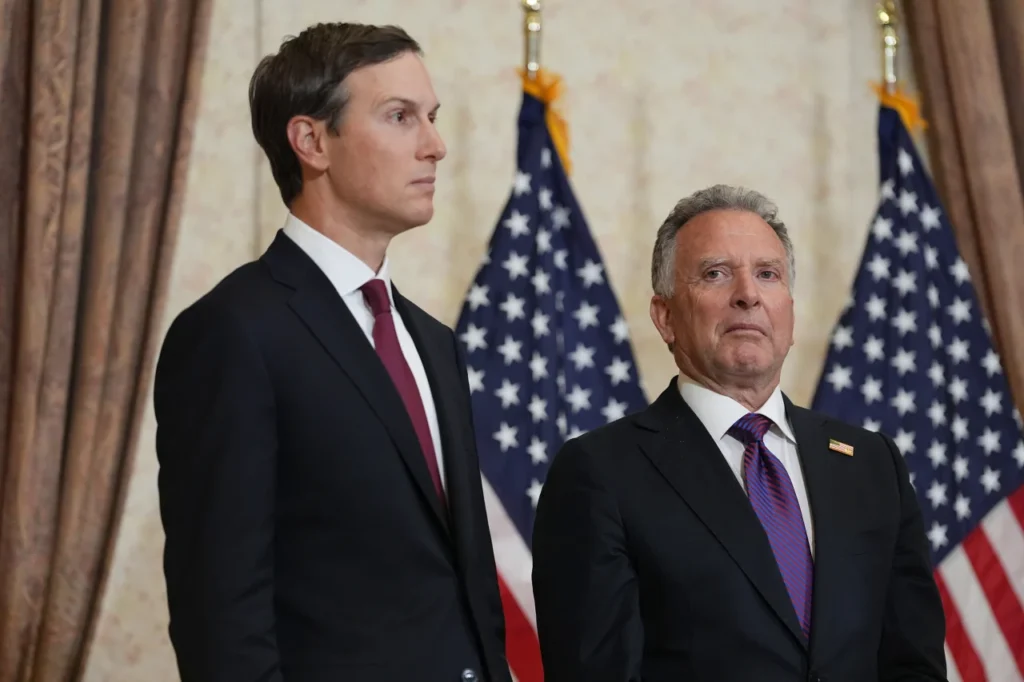
U.S. Vice President JD Vance confirmed that senior American negotiators Jared Kushner and Steve Witkoff have already arrived in Switzerland and are working through the technical aspects of the proposed framework.
Vance indicated that he plans to travel to Switzerland within days, although he acknowledged that diplomatic scheduling remains fluid due to the rapidly evolving security situation in the Middle East.
The talks are intended to lay the groundwork for broader negotiations addressing Iran’s nuclear program, sanctions relief, regional security arrangements and long-term stabilization efforts following months of conflict.
Iran Re-Closes the Strait of Hormuz
Despite agreeing to send negotiators to Switzerland, Iran delivered a major setback to the diplomatic process by announcing it had once again closed the Strait of Hormuz.
Iran’s joint military command blamed continued Israeli military operations in Lebanon and what it described as American failure to enforce key elements of the interim agreement.
State television broadcast a warning that additional measures could follow if hostilities continue.
The move immediately raised concerns throughout global energy markets because the Strait of Hormuz remains one of the world’s most important shipping corridors for oil and natural gas exports.
The interim agreement had briefly reopened the waterway after months of disruption that contributed to a global energy shock.
Tehran Signals Limited Expectations
Iranian officials simultaneously sought to lower expectations for the upcoming talks.
Foreign Ministry spokesman Esmail Baghaei emphasized that the Swiss meetings would primarily focus on demanding compliance with existing commitments rather than negotiating a comprehensive settlement.
According to Iranian officials, meaningful progress toward a final agreement cannot occur unless Washington ensures that the broader ceasefire framework is respected, particularly regarding developments in Lebanon.
Tehran warned that continued violations could jeopardize the entire memorandum of understanding signed earlier this week.
Lebanon Remains the Biggest Threat
The most immediate challenge facing negotiators remains the escalating conflict between Israel and Hezbollah.
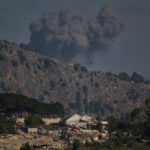
Israeli airstrikes across southern Lebanon on Saturday reportedly killed at least 16 people, including children, while additional casualties remain trapped beneath collapsed buildings.
Lebanese authorities also announced that the death toll from the latest Israel-Hezbollah conflict has now exceeded 4,000.
Israeli officials say their military operations are responses to rocket and drone attacks launched by Hezbollah. Military officials reported that more than 50 projectiles were fired toward Israeli positions overnight.
Hezbollah, meanwhile, says it remains committed to a ceasefire but accuses Israel of repeatedly violating the agreement.
The conflicting narratives highlight how fragile the situation remains despite ongoing mediation efforts.
Why Lebanon Matters to the Iran Deal
Although neither Israel nor Hezbollah signed the U.S.-Iran agreement, developments in Lebanon have become central to the success or failure of the broader diplomatic process.
The agreement calls for military operations in Lebanon to cease and for Lebanese sovereignty to be respected.
However, Israeli Prime Minister Benjamin Netanyahu has maintained that Israeli forces will remain in southern Lebanon until all security threats are eliminated.
Hezbollah refuses to halt operations permanently without a clear Israeli commitment to withdraw.
Iran has strongly backed Hezbollah’s position, making Lebanon a critical test case for the viability of future negotiations.
High Stakes for Global Markets
The closure of the Strait of Hormuz adds another layer of uncertainty.
The waterway serves as a key artery for global energy supplies, handling a significant percentage of international oil and natural gas shipments.
Any prolonged disruption could lead to rising energy prices, increased inflation and renewed pressure on global financial markets.
The temporary reopening of the strait earlier this week had provided relief to energy markets, but Iran’s latest move demonstrates how quickly those gains can be reversed.
Nuclear Talks Face a Difficult Road
Even if negotiators successfully stabilize the security situation, major disagreements remain regarding Iran’s nuclear program.
Western governments continue to demand stricter oversight and limitations on uranium enrichment activities.
Iran insists that its nuclear program is intended exclusively for peaceful purposes and rejects accusations that it seeks nuclear weapons.
The upcoming technical discussions are expected to focus on verification mechanisms, enrichment limits and timelines for sanctions relief.
History suggests that any comprehensive agreement will require patience. The 2015 nuclear accord took more than 18 months to negotiate before reaching completion.
Billions in Incentives Hang in the Balance
The interim agreement outlines substantial potential benefits for Iran if a final deal is reached.
These include the eventual removal of international sanctions, access to frozen financial assets and participation in a proposed $300 billion reconstruction and development initiative.
Some concessions have already been implemented, including the easing of restrictions on Iranian oil exports and the lifting of the U.S. blockade on Iranian ports.
However, critics argue that Tehran has already received meaningful benefits while many of the most difficult issues remain unresolved.
Diplomacy Enters a Critical Phase
Sunday’s talks in Switzerland now represent a crucial test for the future of the diplomatic effort.
Negotiators must navigate multiple crises simultaneously: ongoing violence in Lebanon, tensions surrounding the Strait of Hormuz, disagreements over nuclear oversight and deep mistrust between Washington and Tehran.
While both sides remain publicly committed to dialogue, events on the ground continue to threaten the fragile progress achieved so far.
The coming days may determine whether the interim agreement evolves into a broader peace framework or becomes another failed attempt to stabilize one of the world’s most volatile regions.





You must Register or Login to post a comment.