

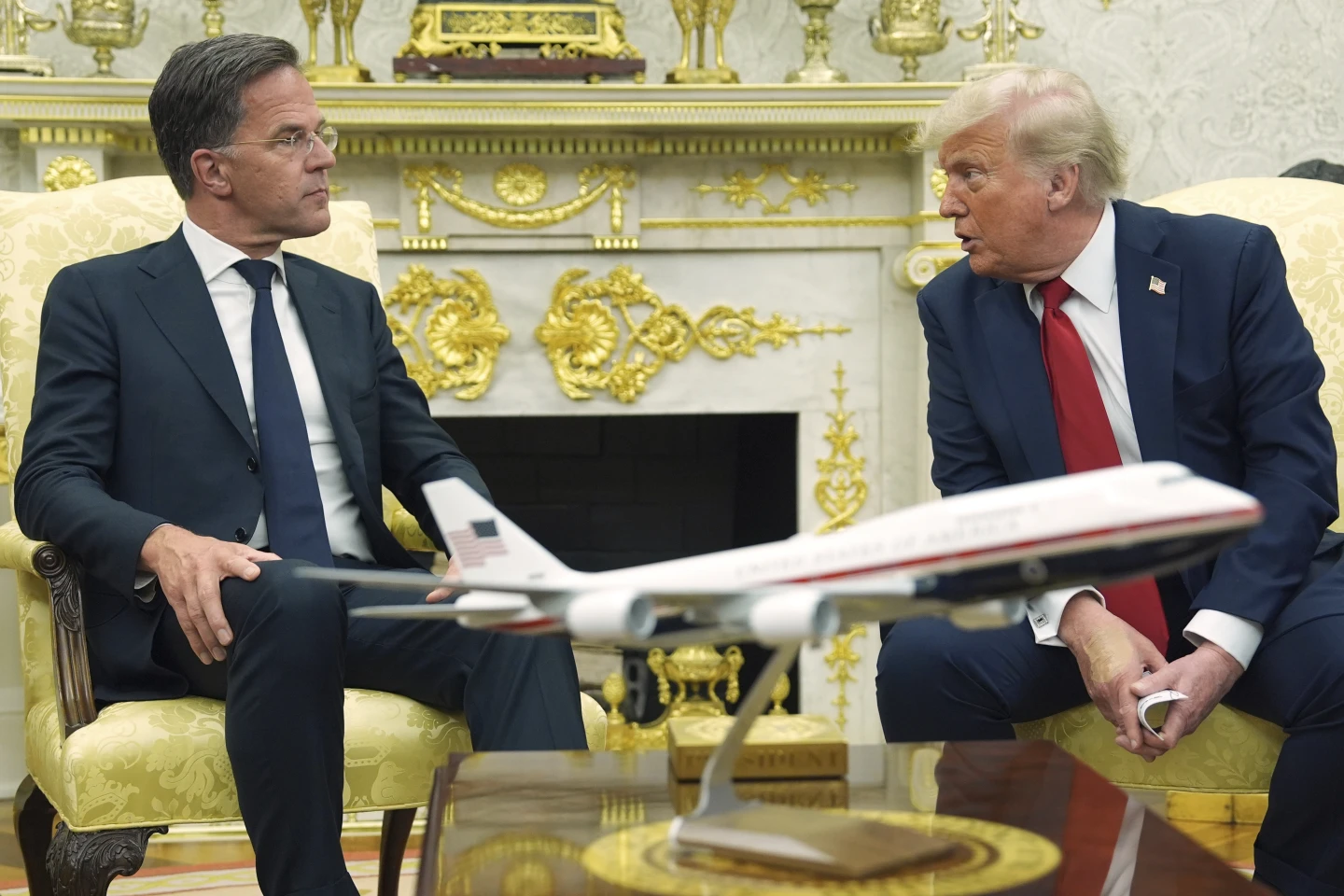
NATO Chief Mark Rutte Meets Trump Ahead of High-Stakes Alliance Summit/ Newslooks/ WASHINGTON/ J. Mansour/ Morning Edition/ NATO Secretary-General Mark Rutte met with President Donald Trump ahead of next month’s NATO summit in Turkey. The meeting comes amid renewed Trump criticism of NATO allies and a Pentagon review of U.S. troop deployments in Europe. Rutte is working to preserve alliance unity and keep the United States fully engaged in NATO.
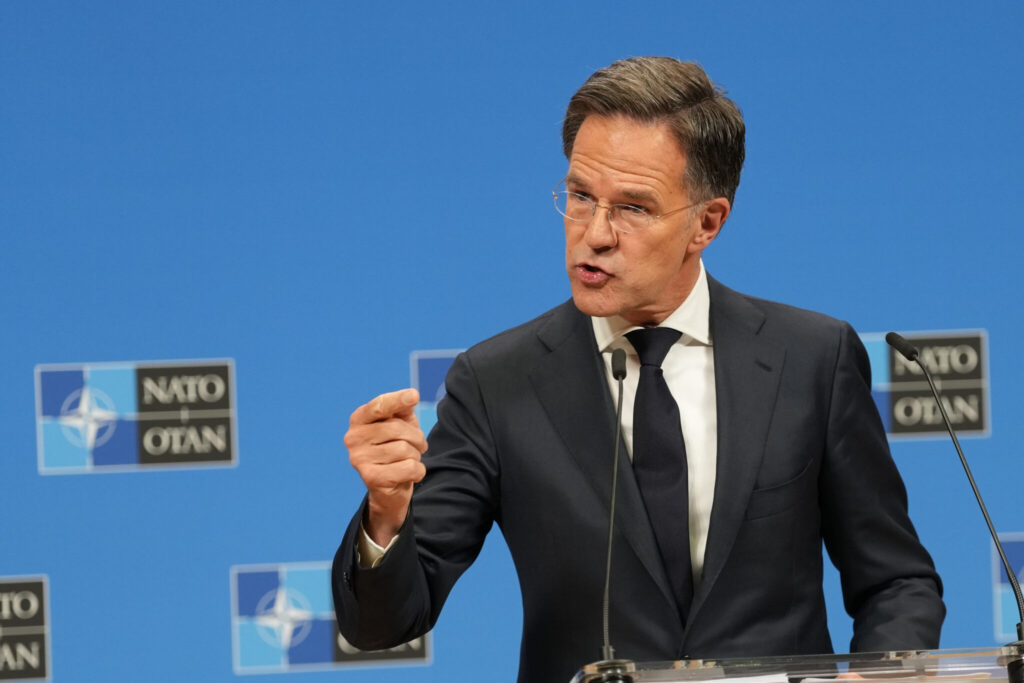
NATO Chief Meets Trump Before Summit Quick Looks
- Mark Rutte visited the White House to meet President Trump.
- The meeting comes two weeks before the NATO summit in Turkey.
- Trump has renewed threats to leave NATO.
- The Pentagon is reviewing U.S. military deployments in Europe.
- Trump remains frustrated with some NATO allies over Iran-related issues.
- Defense Secretary Pete Hegseth recently criticized European partners.
- NATO members have increased defense spending under pressure from Trump.
- Rutte has become known for maintaining a strong relationship with Trump.
- European allies are watching closely for signals about U.S. commitment.
- The future direction of NATO remains a major geopolitical concern.
Deep Look
Mark Rutte Heads to Washington to Reinforce NATO Ties
NATO Secretary-General Mark Rutte arrived in Washington on Wednesday for a critical meeting with President Donald Trump, seeking to calm tensions between the United States and its European allies ahead of next month’s NATO summit in Turkey.
The meeting comes during one of the most sensitive periods for the alliance in recent years. Questions continue to swirl over America’s long-term military commitment to Europe, while disagreements over defense spending, the Iran conflict and broader security responsibilities have created fresh strains within the 32-member alliance.
For Rutte, the visit represents another effort to preserve NATO unity and maintain strong U.S. engagement in the organization that has served as the cornerstone of transatlantic security since 1949.
Trump’s Frustrations With NATO Grow
President Trump has long argued that NATO allies rely too heavily on the United States for defense while failing to contribute their fair share.
Those complaints have intensified in recent months following the conflict with Iran. Trump has publicly criticized some alliance members for refusing to support U.S. efforts to restore oil shipments through the Strait of Hormuz after disruptions tied to the war.
The president has repeatedly suggested that Washington carries an unfair burden within NATO and has revived threats that the United States could eventually withdraw from the alliance if members fail to meet defense commitments.
Such comments have unsettled European leaders who view continued U.S. participation as essential to regional security.
Pentagon Review Raises New Questions
Adding to European concerns, Defense Secretary Pete Hegseth recently announced a six-month review of U.S. military deployments across Europe.
The review could lead to adjustments in America’s troop presence on the continent as the Pentagon evaluates future defense priorities.
During meetings at NATO headquarters in Brussels last week, Hegseth criticized certain allies for declining to provide support facilities during U.S. military operations connected to the Iran conflict.
His remarks echoed broader frustrations within the Trump administration and reinforced concerns that Washington may seek a reduced role in European defense.
Many NATO governments fear that any significant reduction in American forces could weaken deterrence and embolden potential adversaries.
NATO’s Mutual Defense Commitment Remains Central
At the heart of NATO is Article 5, the alliance’s mutual defense clause, which states that an attack on one member is considered an attack on all.
The provision has been invoked only once in NATO’s history—following the September 11, 2001 terrorist attacks against the United States.
That moment demonstrated the alliance’s commitment to collective security and remains a frequent point of reference for leaders who argue that NATO has consistently supported American interests.
However, debates over burden-sharing and strategic priorities have increasingly dominated discussions within the alliance, particularly during Trump’s presidency.
Rutte’s Role as NATO’s Diplomatic Bridge
Since becoming NATO secretary-general, Rutte has earned a reputation for maintaining productive relationships with leaders across the political spectrum.
His rapport with Trump has drawn particular attention.
The former Dutch prime minister has often credited Trump for pushing NATO members to significantly increase defense spending and strengthen military readiness.
Last year, alliance leaders agreed to a target requiring members to invest 5% of gross domestic product in defense-related expenditures by 2035, a move that Trump hailed as a major victory.
Rutte has repeatedly emphasized Trump’s influence in driving those commitments and has frequently praised the president in public appearances.
Public Praise Aims to Keep Alliance Intact
Ahead of the White House meeting, Rutte appeared on Fox News and delivered a strong defense of Trump’s leadership.
He praised the president’s handling of regional security issues and expressed support for efforts aimed at stabilizing the Middle East following the Iran conflict.
Rutte also attempted to minimize disagreements involving European military bases, describing them as isolated incidents rather than signs of widespread resistance among NATO members.
His comments were widely viewed as part of a broader strategy to maintain a positive working relationship with Trump and prevent disputes from escalating before the summit.
The secretary-general has previously drawn attention for unusually warm public remarks about the president, including comments that generated debate among diplomats and political observers.
Turkey Summit Could Shape NATO’s Future
The upcoming NATO summit in Turkey is expected to focus heavily on defense spending, military readiness, European security and the alliance’s long-term strategic direction.
Leaders will likely seek reassurance regarding the future role of the United States within NATO while also addressing ongoing geopolitical challenges stemming from Russia, the Middle East and emerging security threats.
The outcome of Trump’s discussions with Rutte could significantly influence the tone of those meetings.
For many NATO allies, the immediate goal is ensuring that disagreements over spending and foreign policy do not evolve into a deeper crisis that threatens alliance cohesion.
As preparations continue for the summit, Rutte’s mission remains clear: keep NATO united, maintain American engagement and avoid a confrontation that could weaken one of the world’s most important security partnerships.





You must Register or Login to post a comment.