

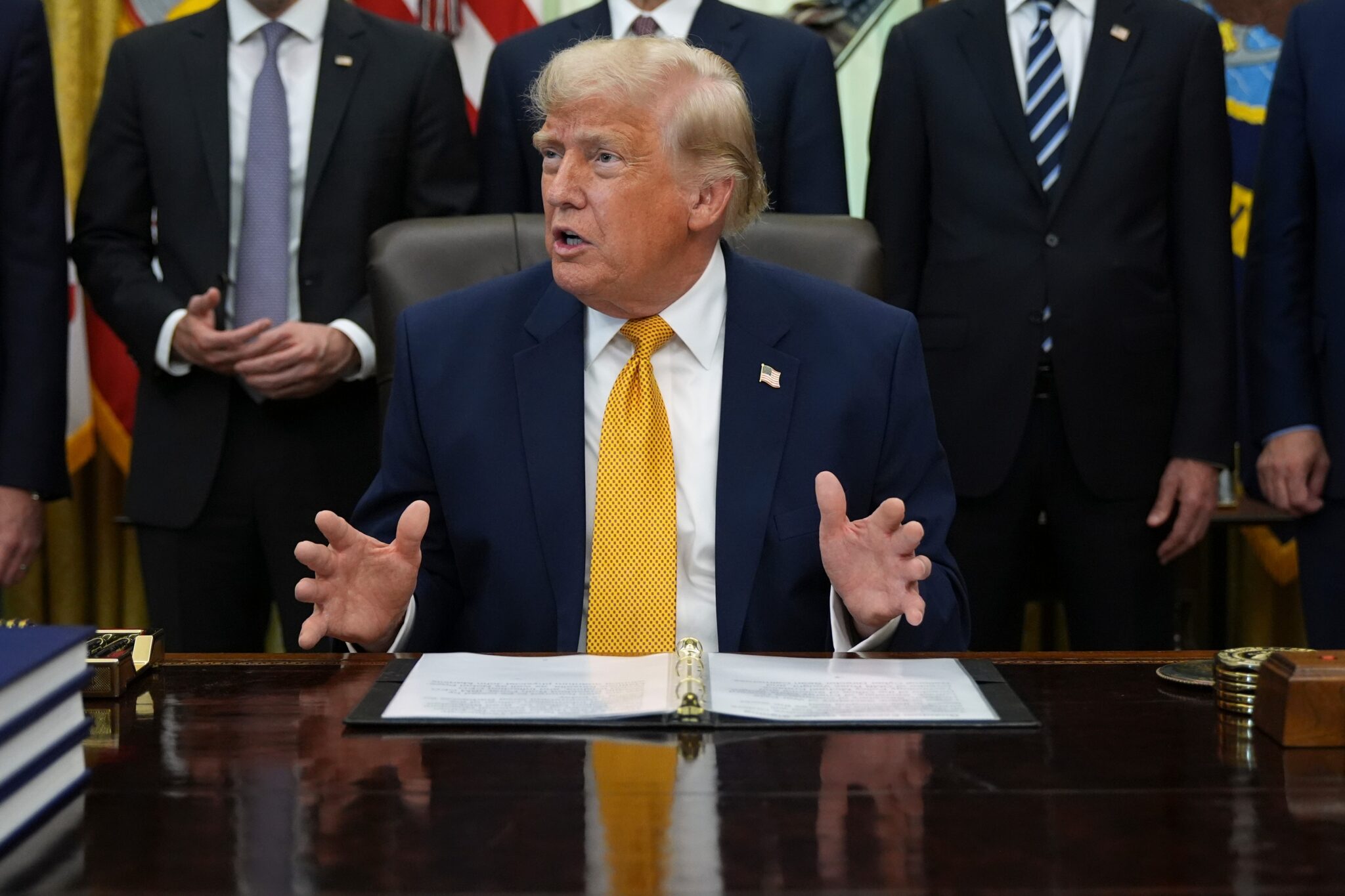
Trump Heads to Capitol as GOP Senators Push Back on Key Priorities/ Newslooks/ WASHINGTON/ J. Mansour/ Morning Edition/ President Donald Trump is meeting with Senate Republicans amid rising tensions over legislative priorities and strategy. GOP senators are increasingly frustrated with Trump’s focus on election legislation and other demands. The closed-door meeting comes as divisions emerge over Iran policy, Senate procedures and stalled legislation.
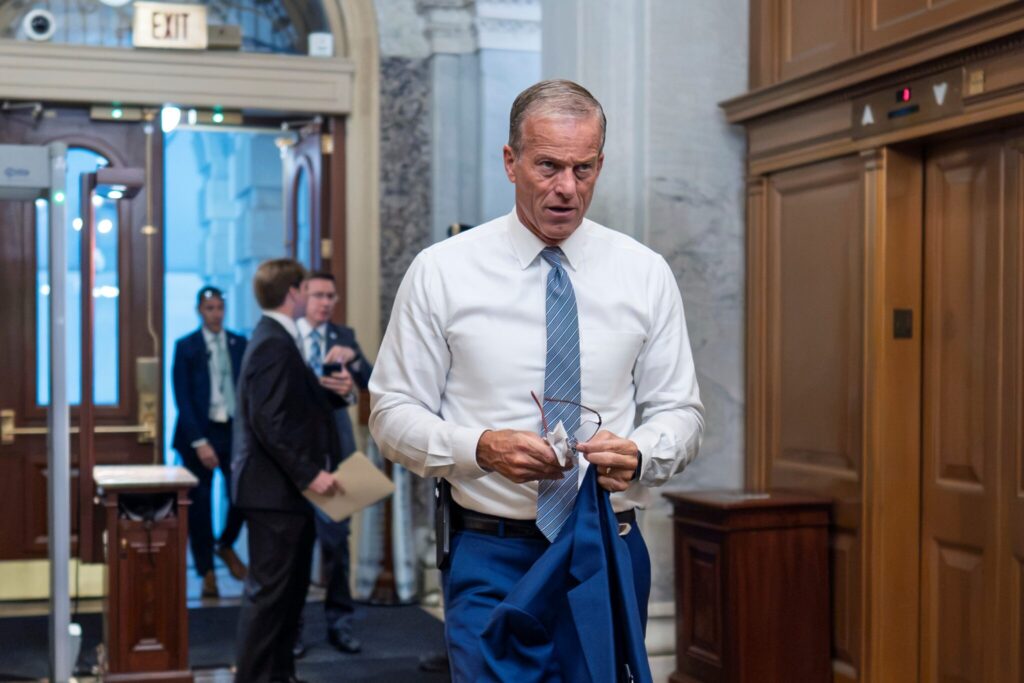
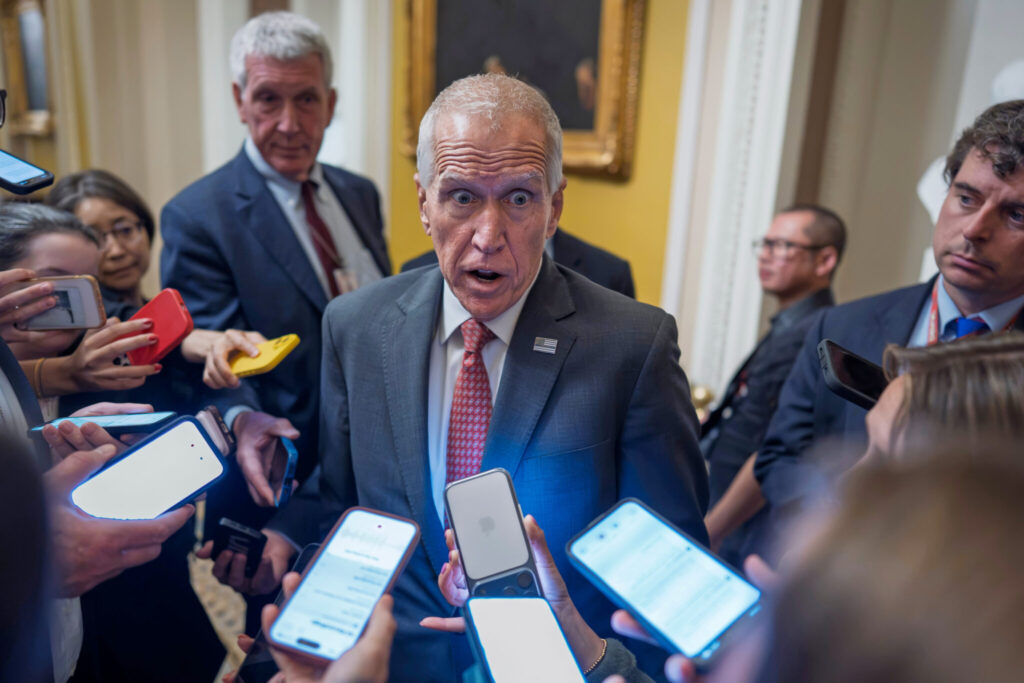
Trump Senate Republicans Meeting Quick Looks
- Trump visits Capitol Hill for a private Senate GOP luncheon.
- Senators are frustrated over competing priorities and legislative delays.
- Trump continues pushing the SAVE America Act despite limited Senate support.
- Senate Majority Leader John Thune says the bill lacks enough votes to pass.
- Trump canceled plans to sign a bipartisan housing bill.
- Republicans remain divided over eliminating the filibuster.
- Senators are seeking answers about the Iran agreement.
- Concerns persist over delayed executive branch nominations.
- GOP leaders hope to unify ahead of the midterm elections.
- Internal disagreements are becoming more visible within the party.
Deep Look
Trump Meets Senate Republicans Amid Growing Internal Tensions
President Donald Trump is returning to Capitol Hill for a high-stakes meeting with Senate Republicans as frustrations within the GOP continue to build over legislative priorities, election strategy and foreign policy.
The closed-door luncheon marks Trump’s first appearance before Senate Republicans in more than a year and comes at a time when some lawmakers are openly questioning the direction of the party heading into the midterm elections.
While Republican senators publicly stress the importance of party unity, disagreements over several key issues have created unusual friction between the White House and congressional Republicans.
The meeting offers an opportunity for both sides to address those concerns directly.
Housing Bill Signing Canceled
Just hours before the scheduled meeting, Trump announced that he would no longer sign a bipartisan housing measure that had been expected to become law.
The legislation, designed to encourage home construction and address housing shortages, had already received strong bipartisan support in Congress.
Trump said the signing ceremony would remain postponed until lawmakers pass the SAVE America Act, a voting measure he considers a top priority.
The decision surprised lawmakers who viewed the housing package as one of the rare bipartisan achievements of the current Congress.
SAVE America Act Creates Divide
At the center of the dispute is Trump’s continued push for the SAVE America Act.
The proposal would require stricter voter identification standards and new proof-of-citizenship requirements for voter registration. Trump has also advocated adding provisions related to mail-in voting and other conservative policy priorities.
Many Senate Republicans support portions of the legislation. However, Senate leaders have repeatedly acknowledged that the bill lacks sufficient support to overcome Senate procedural hurdles.
Senate Majority Leader John Thune has spent months attempting to manage expectations while balancing pressure from Trump and conservative activists.
According to Thune, the legislation simply does not have enough votes to clear the Senate under current rules.
Despite those realities, Trump continues urging Republicans to eliminate the filibuster and force a vote.
Pressure Builds on Senate Leadership
The debate has created additional strain between Trump and Senate leadership.
While Thune remains publicly supportive of the president, he has increasingly found himself explaining why certain White House priorities are unlikely to advance.
The disagreement reflects a broader challenge facing Republican leaders: managing expectations among voters while operating within a closely divided Senate.
Some senators have expressed concern that continuing to focus on legislation with little chance of passage could distract from other priorities that may have broader support.
Others argue that taking symbolic votes remains important to demonstrate commitment to conservative goals.
Republican Senators Seek Unity Before Midterms
Despite policy disagreements, many senators say the primary objective of the meeting is restoring unity before November’s elections.
Several Republicans worry that public disputes could weaken the party’s ability to defend congressional majorities and advance the president’s agenda.
Former Senate allies who once strongly supported Trump have become more vocal in recent months.
Among them are Senators John Cornyn and Bill Cassidy, both of whom lost primary battles after Trump supported challengers against them. Since those contests, both senators have occasionally criticized White House decisions.
Many Republicans hope Wednesday’s conversation can ease tensions and establish a clearer strategy moving forward.
Questions Remain About Iran Agreement
Foreign policy is expected to be another major topic.
A growing number of Republican lawmakers have raised questions about the administration’s agreement with Iran and the broader strategy following the recent conflict.
Many senators say they still have not received comprehensive briefings regarding the negotiations, implementation details or long-term objectives.
Some lawmakers support the administration’s efforts to prevent further conflict, while others remain skeptical about the terms being discussed.
Those concerns intensified after Congress recently approved a symbolic war powers resolution expressing unease about military actions involving Iran.
The administration is also seeking billions of dollars in supplemental defense funding related to the conflict, adding another layer of scrutiny.
Delayed Nomination Frustrates Lawmakers
Another issue creating frustration involves executive branch appointments.
Republican senators had expected quick action on the nomination of Jay Clayton for a key intelligence position. Instead, Trump unexpectedly delayed the nomination process.
The move left lawmakers uncertain about the administration’s plans and raised concerns about leadership stability within national security agencies.
Some senators are expected to seek clarification during the luncheon.
A Test of Republican Cohesion
The meeting highlights the increasingly complex relationship between Trump and congressional Republicans during his second term.
Unlike previous years, Senate Republicans are showing a greater willingness to question White House strategy while still supporting much of the president’s broader agenda.
Whether the gathering produces meaningful consensus remains unclear.
Still, many senators view the meeting as an important opportunity to strengthen communication and reduce public disagreements before a critical election season.
With debates over voting legislation, foreign policy, Senate rules and government funding continuing to dominate Washington, Republicans face mounting pressure to demonstrate a unified approach.
The outcome of Wednesday’s meeting could help determine whether that unity is achievable in the months ahead.





You must Register or Login to post a comment.