

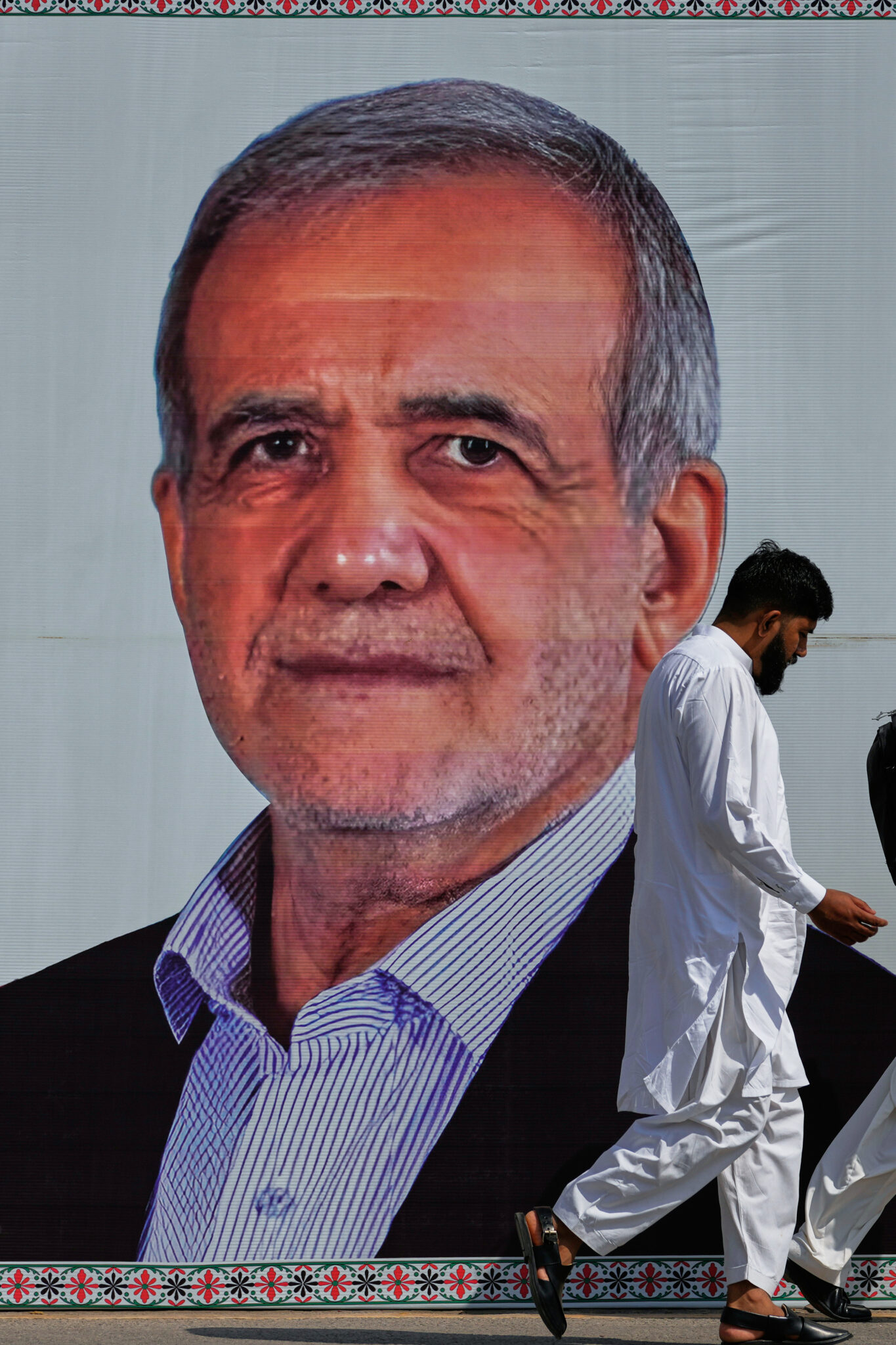
Iran President Says $6 Billion in Frozen Qatar Funds Will Be Released as US Nuclear Talks Face New Pressure/ Newslooks/ WASHINGTON/ J. Mansour/ Morning Edition/ Iranian President Masoud Pezeshkian says $6 billion in frozen assets held in Qatar will be released as negotiations with the United States continue. The announcement comes as military tensions in the Persian Gulf threaten to complicate efforts to finalize a broader agreement.
Iran Frozen Assets Quick Looks
- Iran says $6 billion in frozen assets held in Qatar will be released.
- The announcement comes as U.S.-Iran negotiations face fresh regional tensions.
- Weekend attacks in the Persian Gulf raised concerns about the future of the talks.
- Pakistan says negotiations are expected to resume Tuesday.
- The Trump administration says technical discussions remain on schedule.
- Iran has not officially confirmed whether it will participate in the next round of talks.
Deep Look
Iran Announces Planned Release of Frozen Assets
Iranian President Masoud Pezeshkian said Monday that $6 billion in Iranian funds frozen in Qatar will soon be returned to Tehran, presenting the move as a major benefit of the interim agreement reached with the United States earlier this month.
The announcement comes as negotiations between Washington and Tehran face renewed uncertainty following military exchanges across the Persian Gulf over the weekend.
Pezeshkian described the interim agreement as “a great victory for the Iranian people.”
He added:
“Based on the plans made, $6 billion out of the total $12 billion of Iranian resources in Qatar will be released and returned to the country, and necessary follow-ups are being carried out.”
The Iranian president did not provide additional details about the timing or mechanism for transferring the money.
US Has Not Confirmed Asset Release
Pezeshkian’s comments mark the highest-level acknowledgment from Iran regarding the reported release of the funds.
However, U.S. officials continue to say that no frozen Iranian assets have been transferred.
Qatar, which has served as one of the principal mediators alongside Pakistan during negotiations, has also not publicly confirmed that any release has taken place.
The uncertainty highlights ongoing differences between the two governments as negotiations continue.
Weekend Fighting Raises New Questions
The announcement follows a turbulent weekend in the Persian Gulf that tested the fragile diplomatic process.
Iran carried out drone and missile attacks targeting Bahrain and Kuwait after earlier incidents involving commercial shipping in the Strait of Hormuz.
The United States responded with retaliatory airstrikes after accusing Iran of attacking commercial vessels navigating through shipping lanes near Oman’s territorial waters.
The violence briefly threatened to derail the 60-day negotiating window established under the interim memorandum of understanding signed earlier this month.
Strait of Hormuz Remains a Flashpoint
The Strait of Hormuz remains at the center of the dispute.
Iran has objected to efforts allowing vessels to travel through routes closer to Oman’s territorial waters, arguing that the strategic waterway falls under its authority.
The narrow shipping lane normally carries roughly one-fifth of the world’s traded oil and natural gas during peacetime, making any disruption a significant concern for global energy markets.
Iranian attacks and repeated threats against commercial shipping have sharply reduced vessel traffic through the strait in recent days, contributing to volatility in global energy supplies.
Talks Expected to Resume
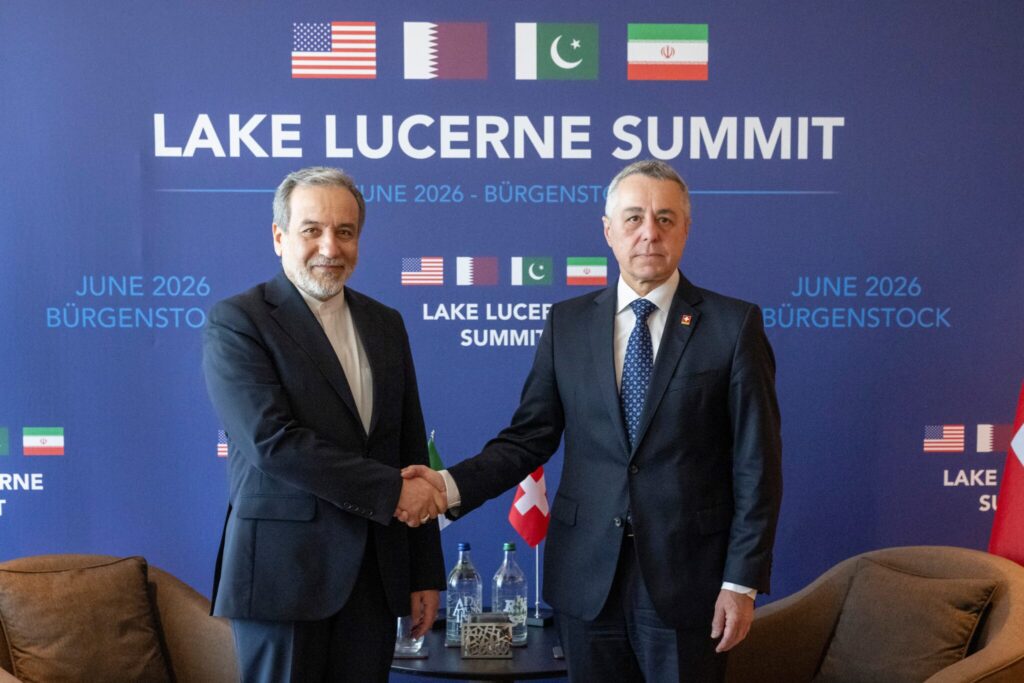
Pakistan, which has helped facilitate negotiations alongside Qatar, said discussions between U.S. and Iranian officials are expected to resume Tuesday.
The Trump administration has maintained that diplomatic efforts remain active despite the recent violence.
On Sunday, U.S. officials said technical discussions concerning implementation of the interim agreement remain on schedule.
Iran, however, has not officially confirmed whether its delegation will participate in the upcoming negotiations.
The coming round of talks is expected to address implementation of the interim memorandum, future sanctions relief, shipping security in the Strait of Hormuz and broader negotiations over Iran’s nuclear program.






You must Register or Login to post a comment.