

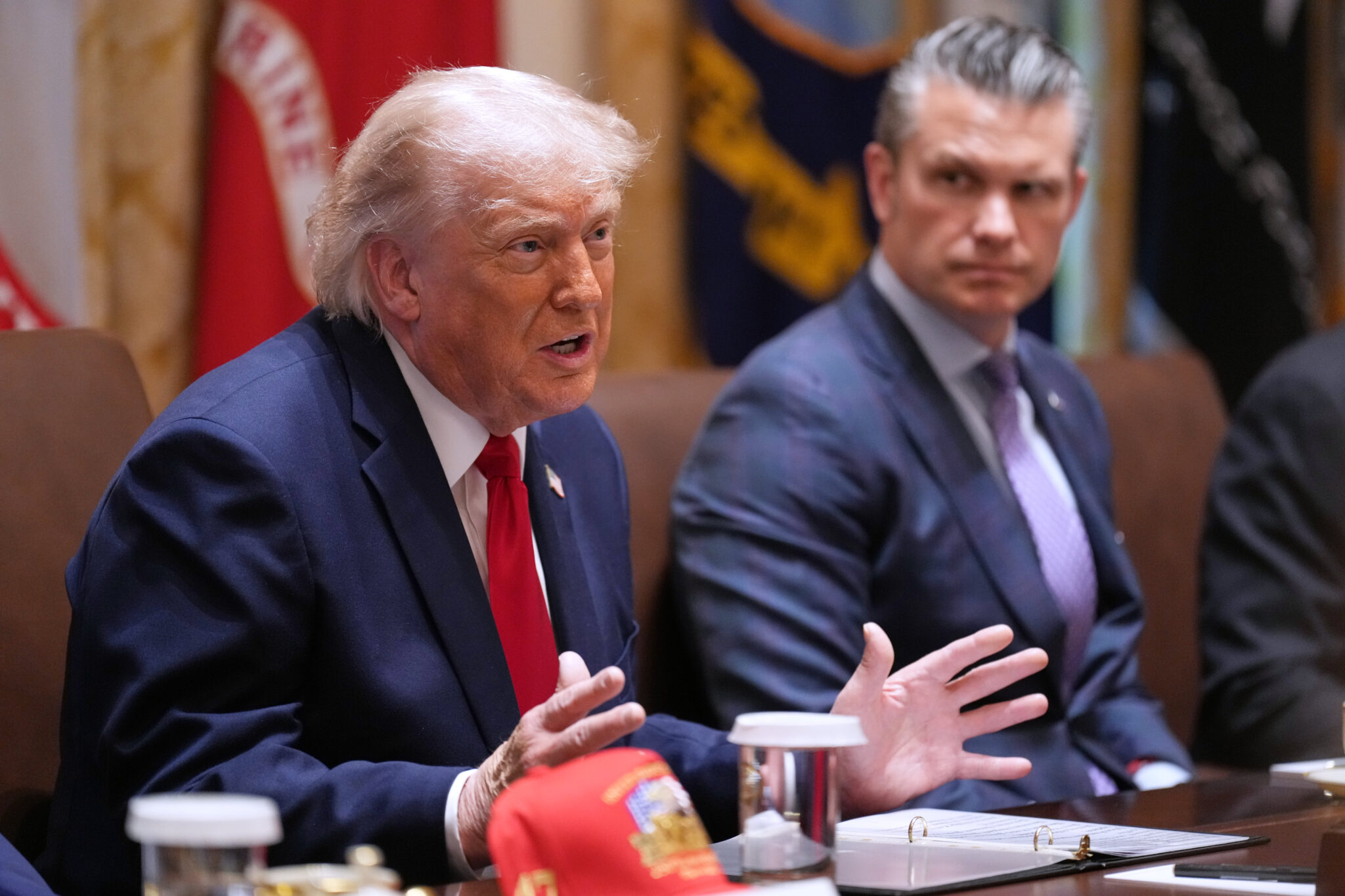
US and Iran Agree to ‘Stand Down for Now’ as Nuclear Talks Stay on Track/ Newslooks/ WASHINGTON/ J. Mansour/ Morning Edition/ U.S. officials say Washington and Tehran will “stand down for now” following a weekend exchange of military strikes near the Strait of Hormuz. Technical negotiations remain scheduled as both countries work toward a broader agreement despite renewed regional tensions.
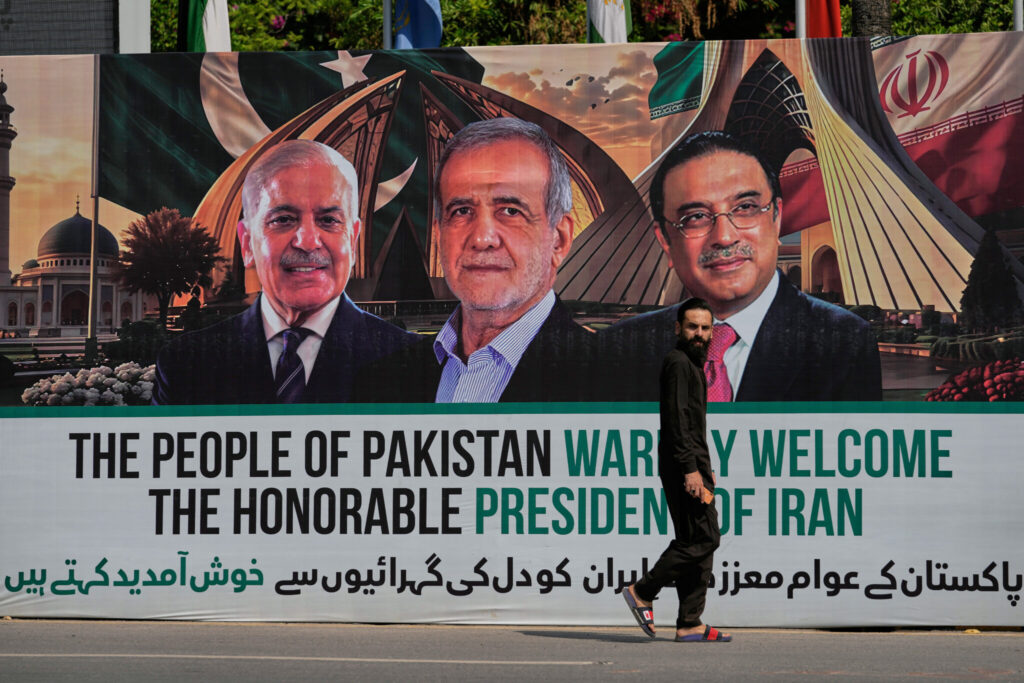
US-Iran Talks Quick Looks
- U.S. officials say both sides will “stand down for now.”
- Technical talks on the memorandum of understanding remain scheduled.
- U.S. and Iranian negotiators are expected to meet in Doha on Tuesday.
- Iran’s official position on the reported pause remains unclear.
- Shipping traffic through the Strait of Hormuz remains well below pre-war levels.
- Iran insists the strait remains under its control.
- Tehran says Israeli forces must fully withdraw from Lebanon as part of any final agreement.
Deep Look
US Officials Signal Temporary Pause in Hostilities
The United States and Iran appear poised to temporarily halt military escalation after a weekend marked by missile and drone strikes near the Strait of Hormuz, according to U.S. officials familiar with ongoing diplomatic efforts.
The reported pause follows one of the most serious tests of a memorandum of understanding reached earlier this month that launched a 60-day negotiating period aimed at ending months of conflict between Washington and Tehran.
A Trump administration official said both governments are prepared to avoid further military action for now.
“Both sides will stand down for now and vessels can move freely,” the official said.
Iran has not publicly confirmed that assessment, leaving its official position uncertain after both countries exchanged military strikes over recent days.
Nuclear Talks Continue Despite Weekend Fighting
Despite the latest confrontation, U.S. officials insist negotiations remain on schedule.
A senior administration official said technical discussions concerning implementation of the memorandum remain active.
“Nothing has been canceled. Technical talks regarding the implementation of MoU are on track for the coming days as planned, and deconfliction channels are up and running after the Lake Lucerne Summit,” the official said.
The memorandum signed earlier this month established a framework for reopening the Strait of Hormuz, easing selected financial restrictions on Iran and creating a roadmap for negotiations over Tehran’s nuclear program.
According to U.S. officials, negotiators from both countries are expected to meet Tuesday in Doha, Qatar.
The agreement provides both sides 60 days to negotiate the final details of a broader accord.
Weekend Exchange Tested Fragile Agreement
The recent military action represented the first major challenge to the temporary understanding reached earlier this month.
The United States launched strikes against Iranian targets after accusing Tehran of carrying out a drone attack on a commercial vessel attempting to leave the Strait of Hormuz.
Iran later responded with additional military action in the Gulf region, prompting renewed concerns that the conflict could quickly escalate despite ongoing diplomatic efforts.
While U.S. officials now describe the situation as temporarily stabilized, uncertainty remains over whether the pause will hold.
Strait of Hormuz Traffic Remains Disrupted
Although officials expect commercial vessels to resume movement, shipping traffic through the Strait of Hormuz continues to operate well below pre-war levels.
Competing navigation guidance from multiple maritime authorities has complicated decisions for shipping companies attempting to move cargo safely through one of the world’s most strategically important waterways.
Iran has continued asserting authority over the shipping lane.
Foreign Minister Abbas Araghchi recently stated the Strait of Hormuz remains under Tehran’s “exclusive management.”
The waterway remains critical to global energy markets, serving as one of the world’s busiest routes for oil and natural gas exports.
Iran Pushes for Israeli Withdrawal From Lebanon
Even as negotiations with Washington continue, Tehran is pressing additional demands involving the conflict between Israel and Hezbollah.
Iranian Foreign Ministry spokesman Esmaeil Baghaei said Sunday that Israeli forces must completely withdraw from southern Lebanon before any permanent agreement can be finalized.
“The withdrawal of occupiers from all occupied Lebanese areas is necessary for reaching a final and lasting agreement to establish regional stability,” Baghaei said.
Iran also insists the first provision of the memorandum—which calls for ending military operations in Lebanon—must be fully implemented before broader negotiations conclude.
Iran’s chief negotiator Mohammad Bagher Ghalibaf reinforced that position during discussions with Lebanese parliamentary speaker Nabih Berri.
“Our objective is to end the war in Lebanon, enable displaced people to return to their homes, end the occupation, and secure the withdrawal of the Zionist regime from Lebanese territory,” Ghalibaf said.
“We are pursuing this matter with determination.”
Lebanon Remains a Sticking Point
Despite recent diplomatic progress, fighting between Israel and Hezbollah continued over the weekend.
Israel has maintained that its military presence in southern Lebanon remains necessary because of ongoing security threats posed by the Iranian-backed militant group.
Last week, Israeli and Lebanese officials agreed on a framework allowing the Lebanese Armed Forces to gradually assume control over designated areas in southern Lebanon.
However, the Lebanese military has so far been unable to compel Hezbollah fighters to fully withdraw or surrender their weapons.
That continuing conflict underscores the broader regional challenges negotiators face as Washington and Tehran attempt to transform their temporary memorandum into a lasting agreement over the coming weeks.






You must Register or Login to post a comment.