

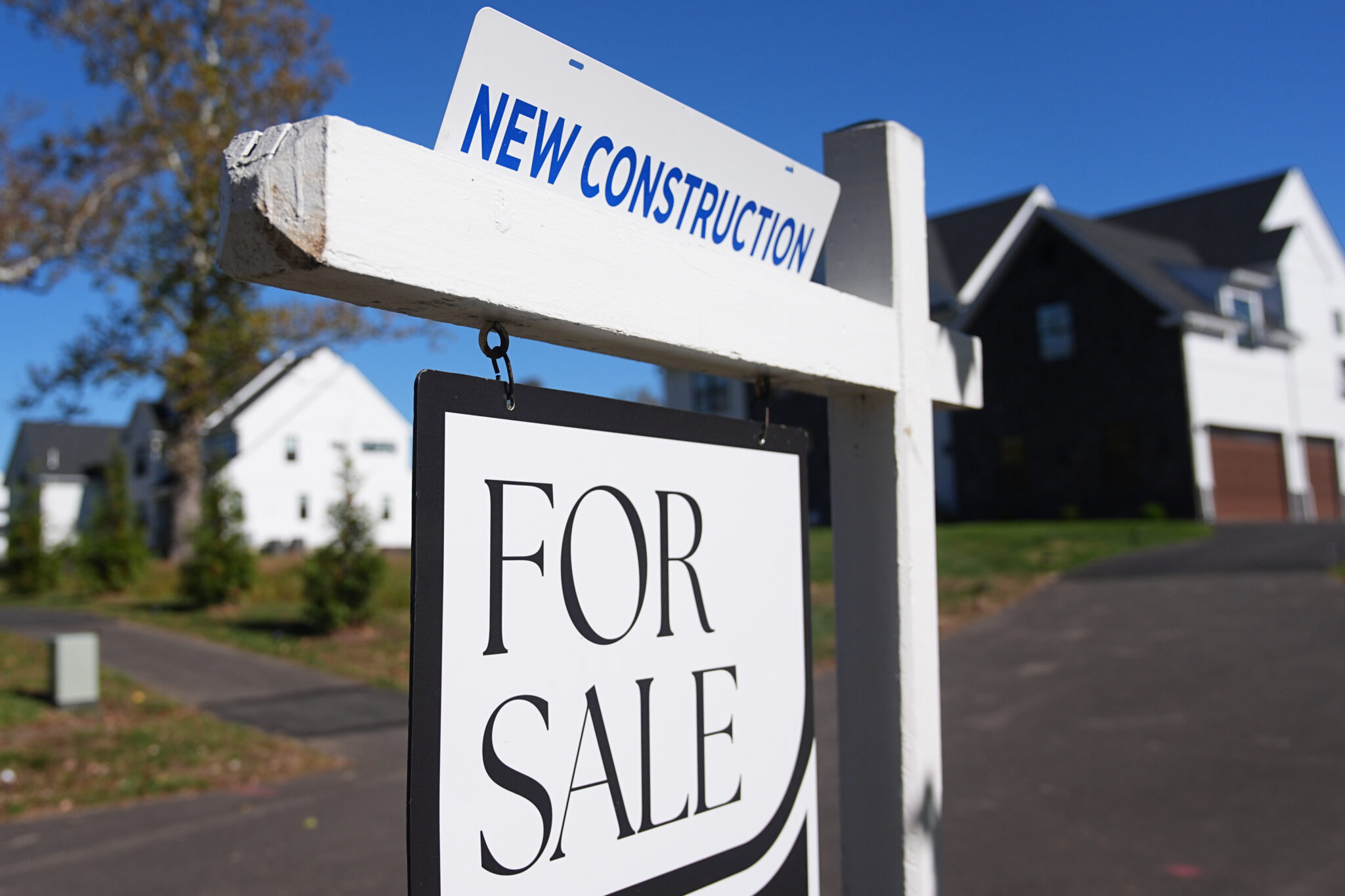
US Mortgage Rates Climb to 6.55%, Highest Level in Nearly Year/ Newslooks/ WASHINGTON/ J. Mansour/ Morning Edition/ The average U.S. 30-year fixed mortgage rate rose to 6.55%, its highest level in nearly a year. Higher Treasury yields, inflation concerns and the economic effects of the Iran war have pushed borrowing costs upward. Home purchase applications and pending sales are falling as affordability pressures discourage prospective buyers.
US Mortgage Rates Quick Looks
- The average 30-year mortgage rate rose to 6.55%.
- That is the highest level since August 2025.
- The rate increased from 6.49% one week earlier.
- A year ago, the average rate was 6.75%.
- The average 15-year mortgage rate climbed to 5.93%.
- Higher rates can add hundreds of dollars to monthly payments.
- Mortgage rates generally track the 10-year Treasury yield.
- The 10-year Treasury yield reached 4.57%.
- Oil-driven inflation concerns have pressured bond yields.
- Pending home sales fell 5.4% in June.
- Home purchase mortgage applications dropped 7%.
- Cooler inflation has not yet brought meaningful mortgage relief.
- High borrowing costs continue to limit housing affordability.
- Summer home sales may remain sluggish.
US Mortgage Rates Reach Highest Level in Nearly a Year
30-Year Mortgage Rate Rises to 6.55%
The average long-term U.S. mortgage rate climbed again this week, reaching its highest level in nearly a year and adding to the financial pressure facing prospective homebuyers.
Freddie Mac reported Thursday that the average rate on a 30-year fixed mortgage increased to 6.55%.
That was up from 6.49% the previous week.
The average stood at 6.75% during the same period one year ago, meaning current rates remain slightly lower on an annual basis despite their recent upward trend.
The latest increase places the benchmark mortgage rate at its highest level since Aug. 28, 2025, when it averaged 6.56%.
Higher Rates Reduce Homebuying Power
Even small mortgage rate increases can significantly affect monthly housing payments.
For buyers financing hundreds of thousands of dollars, a higher rate can add hundreds of dollars to the monthly cost of owning a home.
That reduces the price range many households can afford and may force buyers to choose smaller homes, less expensive neighborhoods or larger down payments.
Some potential buyers are delaying purchases entirely.
Affordability has remained one of the biggest obstacles in the housing market because home prices are still elevated and borrowing costs remain well above the unusually low levels available earlier in the decade.
Treasury Yields Push Mortgage Costs Higher
Mortgage rates are influenced by several economic and financial factors.
The Federal Reserve’s interest rate decisions affect broader borrowing conditions, but the central bank does not directly set mortgage rates.
Instead, home loan rates generally follow movements in the 10-year U.S. Treasury yield.
Mortgage lenders use that yield as an important benchmark when pricing long-term loans.
The 10-year Treasury yield stood at 4.57% around midday Thursday, up from 4.54% one week earlier.
It was 3.97% in late February, before the war involving Iran began.
The sharp increase in Treasury yields has contributed to higher mortgage costs throughout the spring and summer.
Iran War Fuels Inflation Concerns
Mortgage rates have moved mostly higher this year as the Iran war pushed crude oil prices upward and increased concerns about future inflation.
Higher energy prices can affect transportation, manufacturing, food production and consumer goods.
Bond investors often demand higher yields when they expect inflation to rise because inflation reduces the future value of fixed interest payments.
As Treasury yields increase, mortgage lenders typically raise rates to maintain acceptable returns and account for economic risk.
The connection between oil, inflation expectations and bond yields has placed additional pressure on homebuyers.
Rates Had Briefly Fallen Below 6%
As recently as late February, the average 30-year mortgage rate dipped slightly below 6%.
That marked the first move under that threshold since late 2022.
The improvement briefly raised hopes that lower borrowing costs could encourage more buyers to return to the market.
Those gains have since been erased.
The latest reading of 6.55% demonstrates how quickly mortgage conditions can change when inflation expectations, global conflicts and bond markets shift.
15-Year Mortgage Rate Also Increases
Borrowers seeking shorter-term home loans also encountered higher costs this week.
The average rate on a 15-year fixed mortgage rose to 5.93%, up from 5.82% the previous week.
One year ago, the average 15-year rate was 5.92%.
Fifteen-year mortgages are frequently used by homeowners who refinance because they allow borrowers to pay off loans faster and generally carry lower rates than 30-year mortgages.
However, they also require larger monthly payments.
The increase may reduce refinancing activity because many existing homeowners already hold mortgages with rates well below current levels.
Cooler Inflation Offers Limited Encouragement
Recent inflation data provided some hope that price pressures may be easing.
A government report showed that prices paid by consumers for gasoline, clothing and other goods cooled during the previous month.
That could reduce pressure on the Federal Reserve as it considers whether additional interest rate increases are necessary.
Lower inflation can eventually help bring down Treasury yields and mortgage rates.
However, the improvement has not yet translated into cheaper home loans.
Hannah Jones, senior economist at Realtor.com, said the inflation report “is a step in the right direction, but until mortgage rates actually follow suit, buyers will keep feeling the pinch of stubbornly high borrowing costs even as other conditions improve.”
Home Sales Struggle Under Higher Borrowing Costs
The increase in mortgage rates has weighed on home sales during 2026.
Although rates remain below where they were a year ago, the recent upward direction has discouraged buyers who had hoped financing costs would continue falling.
Housing demand is particularly sensitive to mortgage rates because most purchasers rely on financing.
When rates rise, monthly payments increase even if the home price remains unchanged.
That dynamic has limited buyer activity and made it more difficult for sellers to complete transactions.
Pending Home Sales Fall Sharply
A new report from the National Association of Realtors showed that pending U.S. home sales fell 5.4% in June from May.
They were also down 0.3% compared with June of the previous year.
Pending sales track contracts that have been signed but not yet completed.
Because transactions usually close one or two months after a contract is signed, the measure is considered an important near-term indicator for the housing market.
The June decline suggests completed home sales could remain weak through the summer.
Mortgage Applications Signal Buyer Hesitation
Mortgage application data also show that higher rates are causing buyers to pause.
The Mortgage Bankers Association reported that total mortgage applications fell 2.7% during the latest week.
That figure includes loans used to purchase homes and applications to refinance existing mortgages.
The decline was driven primarily by a 7% drop in home purchase applications.
A fall of that size suggests many potential buyers have become more cautious as borrowing costs rise.
Some may be waiting for rates to decline, while others may no longer qualify for loans at current monthly payment levels.
Homeowners Remain Locked Into Lower Rates
One challenge facing the housing market is the large number of homeowners with mortgages secured during the period of historically low interest rates.
Many current owners have rates near 3% or 4%.
Selling a home and purchasing another property at current rates could dramatically increase their monthly housing costs.
That has discouraged many homeowners from listing their properties.
The result is a limited supply of homes for sale, which can keep prices elevated even while buyer demand weakens.
This so-called lock-in effect has created a housing market in which both buyers and sellers have reasons to remain on the sidelines.
Affordability Remains the Central Housing Problem
High mortgage rates are only one part of the affordability challenge.
Many buyers are also dealing with elevated home prices, property taxes, insurance premiums and maintenance costs.
First-time buyers face additional barriers because they often have less equity and smaller down payments than existing homeowners.
Although wage growth has helped some households, income gains have not fully offset the combined effects of higher prices and borrowing costs.
The result is a market where many aspiring homeowners remain unable to purchase even when they have stable employment.
Federal Reserve Decisions Remain Important
Investors will continue watching the Federal Reserve for signals about future interest rate policy.
If inflation continues to cool, the central bank may have less reason to raise its benchmark short-term rate.
That could eventually reduce pressure on bond yields.
However, renewed increases in oil prices or other inflation measures could delay mortgage rate relief.
The Fed’s decisions are only one factor, but its policy outlook strongly influences bond market expectations.
Mortgage rates could remain volatile as investors respond to economic reports, inflation data and geopolitical developments.
Housing Market Faces Difficult Summer
The combination of higher mortgage rates, weaker pending sales and falling purchase applications points to a challenging summer for the U.S. housing market.
Buyers face higher monthly costs, while sellers remain reluctant to give up existing low-rate mortgages.
Builders may benefit from offering financing incentives, but those programs cannot fully offset broader affordability pressures.
A meaningful improvement may require some combination of lower mortgage rates, slower home price growth and increased housing supply.
Until then, many potential buyers are likely to remain cautious.






You must Register or Login to post a comment.