

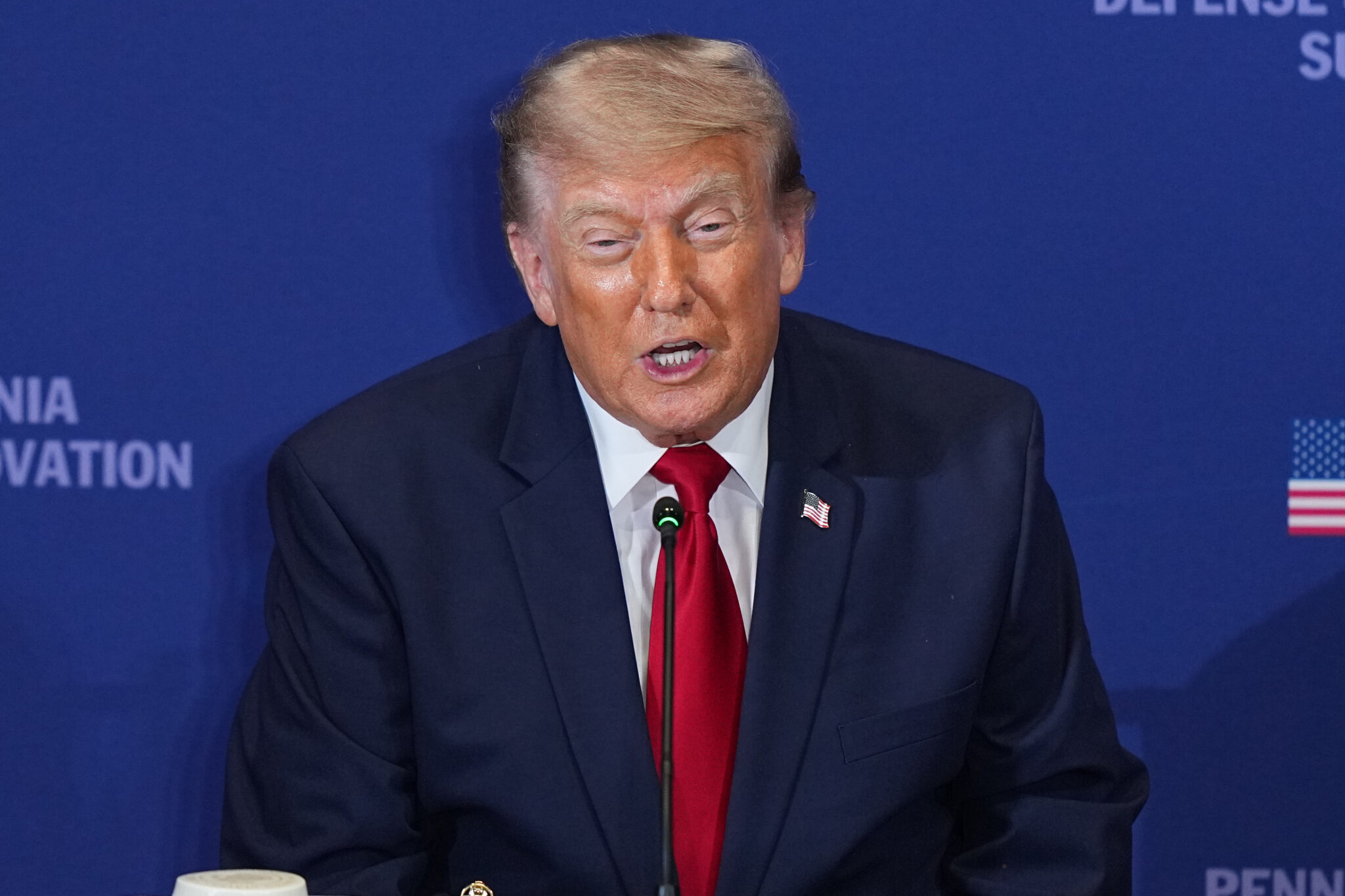
Trump Revives Rule That Could Deny Green Cards to Immigrants who Use Public Benefits/ Newslooks/ WASHINGTON/ J. Mansour/ The Trump administration is reinstating the “public charge” rule, allowing immigration officials to deny green cards to applicants who rely on certain public assistance programs. Officials say the policy promotes self-reliance and protects taxpayer resources, while immigrant advocates warn it could discourage millions of eligible families from seeking healthcare, food assistance and housing support. The rule takes effect Sept. 18 after its publication in the Federal Register.
Trump Public Charge Rule Quick Looks
- Trump administration restores the public charge rule.
- Policy appears in the Federal Register on July 16.
- Formal publication is scheduled for July 20.
- Rule takes effect Sept. 18.
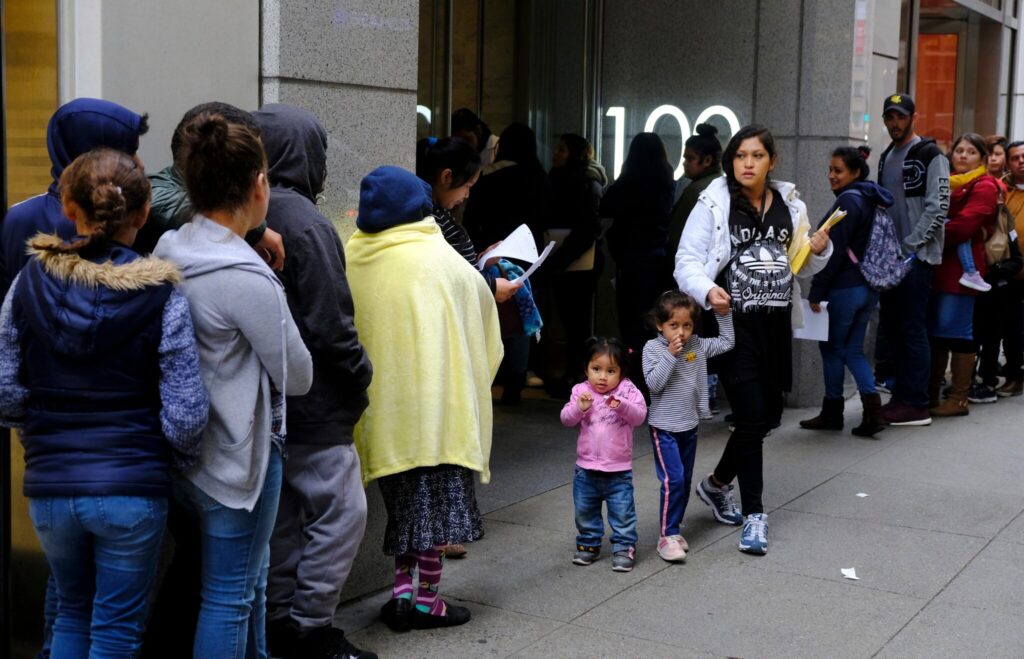
- Green card applicants must demonstrate financial self-sufficiency.
- Benefits considered may include Medicaid, SNAP and housing assistance.
- Policy first took effect during Trump’s first term in 2020.
- President Joe Biden rescinded the rule in 2021.
- USCIS says the policy protects taxpayer-funded resources.
- Critics argue it creates fear among immigrant families.
- Studies suggest relatively few applicants would actually be denied green cards.
- Advocates warn many eligible families may avoid public services.
Trump Revives Public Charge Rule for Green Cards
Administration Restores Immigration Self-Reliance Standard
The Trump administration is reinstating its “public charge” immigration rule, reviving a policy that could deny permanent residency to certain immigrants who receive government assistance.
The Department of Homeland Security published the regulation Thursday in the Federal Register. It will be officially published July 20 and becomes effective Sept. 18.
The rule is part of President Donald Trump’s broader effort to tighten both legal and illegal immigration while emphasizing financial self-sufficiency for immigrants seeking lawful permanent residence.
Administration officials say the measure reinforces long-standing immigration law requiring applicants for green cards to show they are unlikely to become dependent on government assistance.
Rule Expands Public Benefits Considered
Federal immigration law has long required officials to consider whether applicants are likely to become a “public charge.”
The revived Trump rule broadens the types of public benefits immigration officials may consider during the green card review process.
Programs that could be evaluated include:
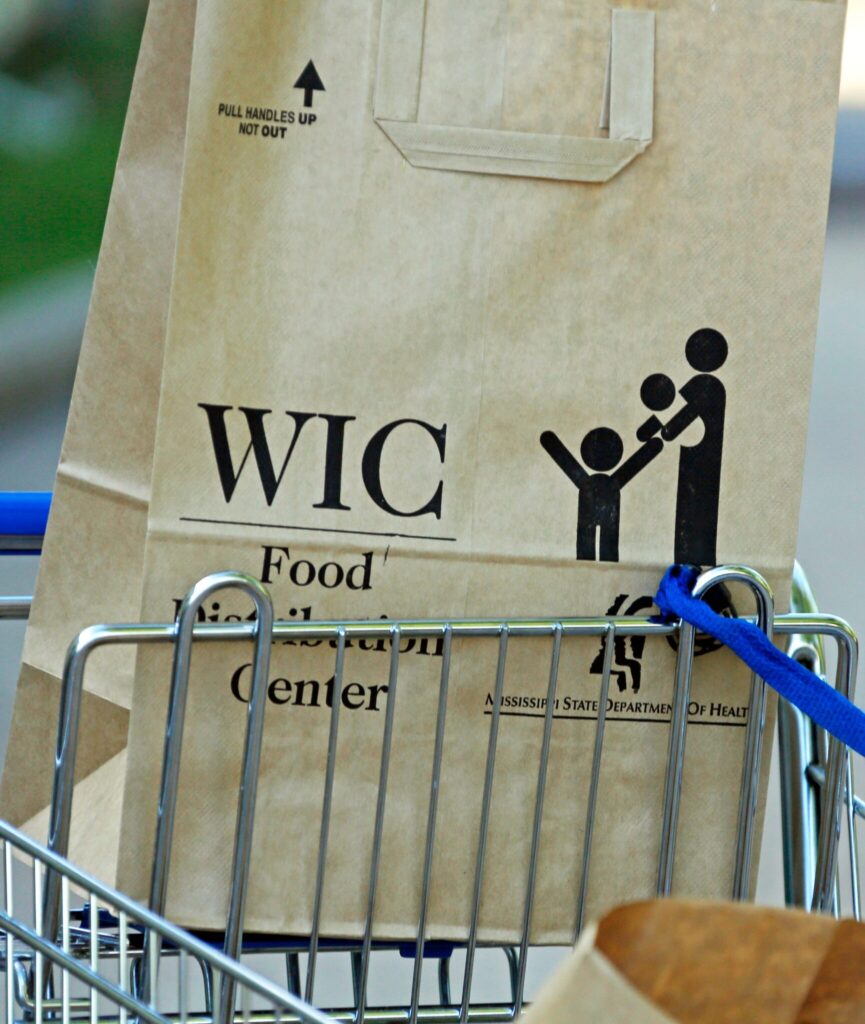
- Supplemental Nutrition Assistance Program (SNAP) food benefits
- Medicaid
- Federal housing vouchers
- Other qualifying public assistance programs
Immigration officials will use those factors as part of a broader assessment of whether applicants are financially self-sufficient.
USCIS Says Policy Protects Taxpayer Resources
U.S. Citizenship and Immigration Services defended the rule as a return to traditional immigration standards.
The agency said the federal government is reaffirming “the requirement of self-reliance, protecting public resources and ending policies that encouraged dependency on the backs of hard-working American taxpayers.”
USCIS added:
“Under President Trump, USCIS is restoring the basic principle that immigrants must be able to support themselves.”
Administration officials say the rule is intended to preserve public resources while encouraging economic independence among new permanent residents.
Policy Returns After Biden Reversal
The public charge regulation was originally introduced during Trump’s first administration and took effect in February 2020.
The Biden administration reversed the policy after taking office, returning to a narrower interpretation of the public charge standard.
Its reinstatement comes amid a broader Trump immigration agenda that includes:
- Expanded deportation operations
- Increased border enforcement
- Additional restrictions on legal immigration
- Policies affecting mixed-status families
The administration says these measures strengthen immigration enforcement while protecting public resources.
Critics Warn of Chilling Effect
Immigrant advocacy organizations sharply criticized the revived policy.
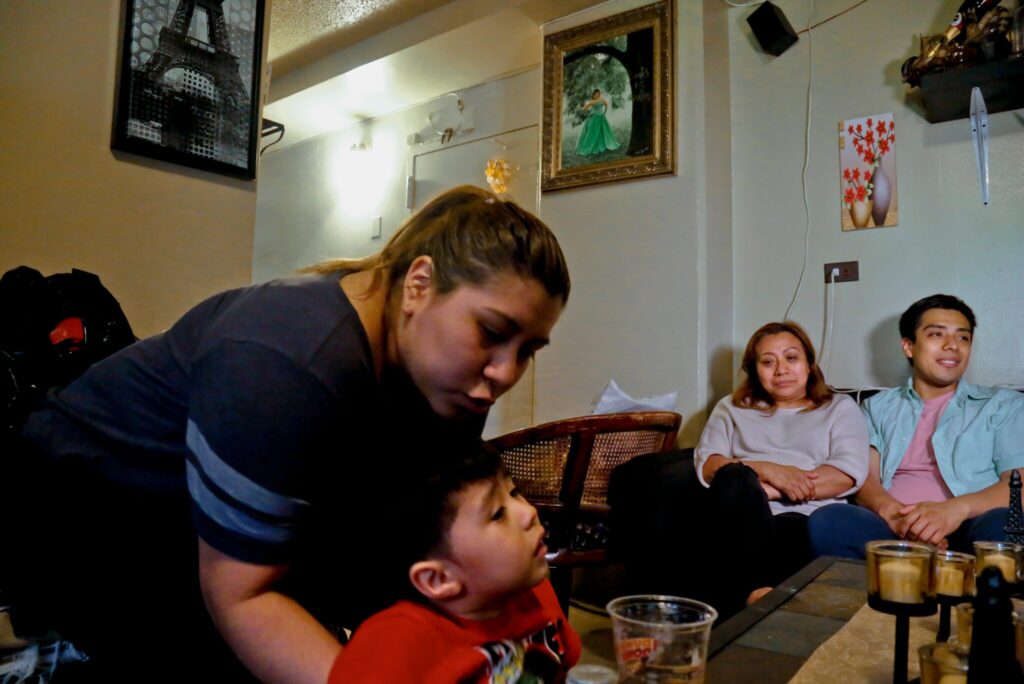
They argue the regulation will discourage many immigrant families from accessing healthcare, nutrition assistance and housing programs even when they legally qualify.
Critics say fear surrounding the rule could affect not only immigrants seeking permanent residence but also U.S.-citizen children living in mixed-status households.
Public health organizations warn that reduced participation in nutrition and medical assistance programs could lead to poorer health outcomes and greater long-term costs.
Earlier Studies Found Limited Direct Impact
Research conducted after the original rule took effect suggested that relatively few immigrants would actually become ineligible for green cards because of benefit use.
A 2020 Migration Policy Institute analysis estimated that approximately 167,000 people—less than 1% of the nation’s estimated 22.1 million noncitizens at the time—could potentially be found ineligible under the expanded public charge standard.
Researchers noted, however, that the larger concern involved the policy’s broader psychological impact.
Even immigrants who were unaffected by the rule often avoided government programs because they feared jeopardizing future immigration applications.
Millions Could Avoid Benefits
Health policy experts estimate the policy’s indirect consequences could be much larger than the number of applicants ultimately denied permanent residency.
Manatt Health previously estimated that as many as 26 million people could be discouraged from seeking healthcare, nutrition assistance, housing support or similar programs.
About half of those individuals were estimated to be U.S. citizens, primarily children living in mixed-status immigrant households.
Researchers say uncertainty surrounding immigration rules often leads eligible families to avoid benefits altogether.
Immigration Advocates Condemn Decision
Advocacy groups responded immediately after the rule’s announcement.
Adriana Cadena, executive director of the Protecting Immigrant Families Coalition, described the regulation as “a direct assault on immigrant families” and warned it threatens both public health and economic security.
Sarah Krieger, senior policy counsel at the National Immigration Law Center, said the regulation could discourage immigrants from seeking medical care, purchasing food assistance or even filing taxes.
Critics also argue the revived rule effectively creates a financial screening process favoring wealthier immigrants.
Supporters counter that self-sufficiency has long been a principle of U.S. immigration law and that the updated policy simply restores stronger enforcement.
Rule Takes Effect in September
The regulation is scheduled to take effect Sept. 18 following its official publication in the Federal Register.
Immigration attorneys are expected to closely monitor implementation guidance from USCIS to determine precisely how immigration officers will weigh various public benefits when evaluating green card applications.
The renewed public charge policy is expected to become one of the Trump administration’s most significant legal immigration changes as debate continues over balancing taxpayer protections with access to essential public services for immigrant families.






You must Register or Login to post a comment.