

US-Iran Diplomacy Survives as Hormuz Fighting Intensifies/ Newslooks/ WASHINGTON/ J. Mansour/ Fighting between the United States and Iran has intensified around the Strait of Hormuz, but diplomatic efforts remain active. Pakistan, Qatar and Egypt are trying to revive negotiations after an earlier ceasefire collapsed. The dispute over control and navigation through the vital oil route remains the central obstacle to ending the conflict.
US-Iran Diplomacy Quick Looks
- Fighting has intensified around the Strait of Hormuz.
- Pakistan says mediation efforts have not ended.
- Qatar and Egypt are also working to revive negotiations.
- Neither the U.S. nor Iran has formally abandoned the earlier ceasefire.
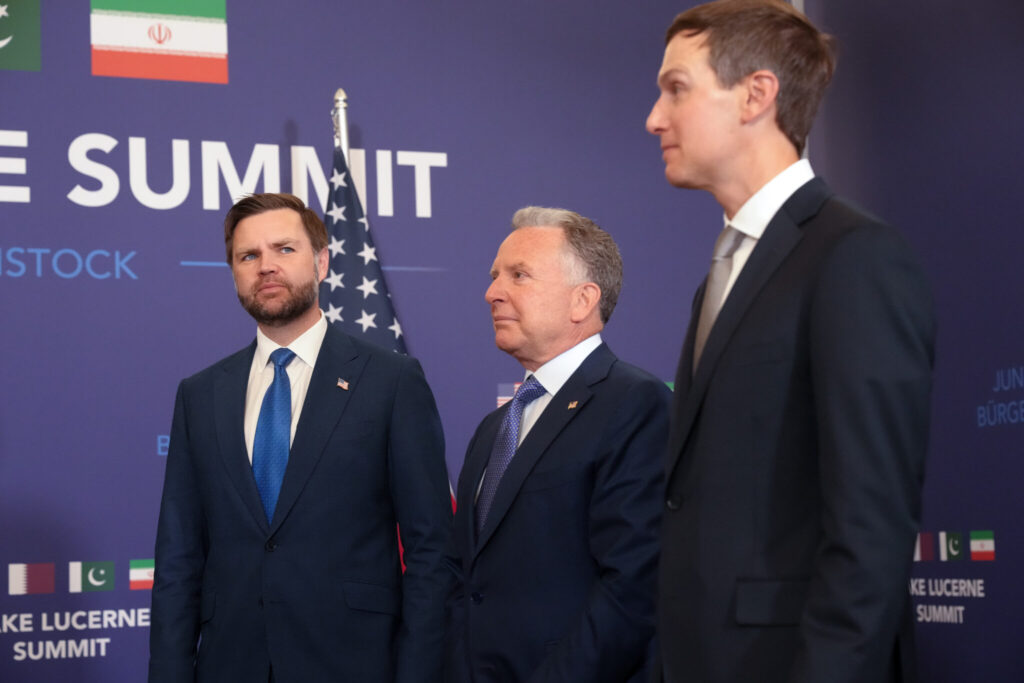
- Vice President JD Vance says diplomacy remains necessary.
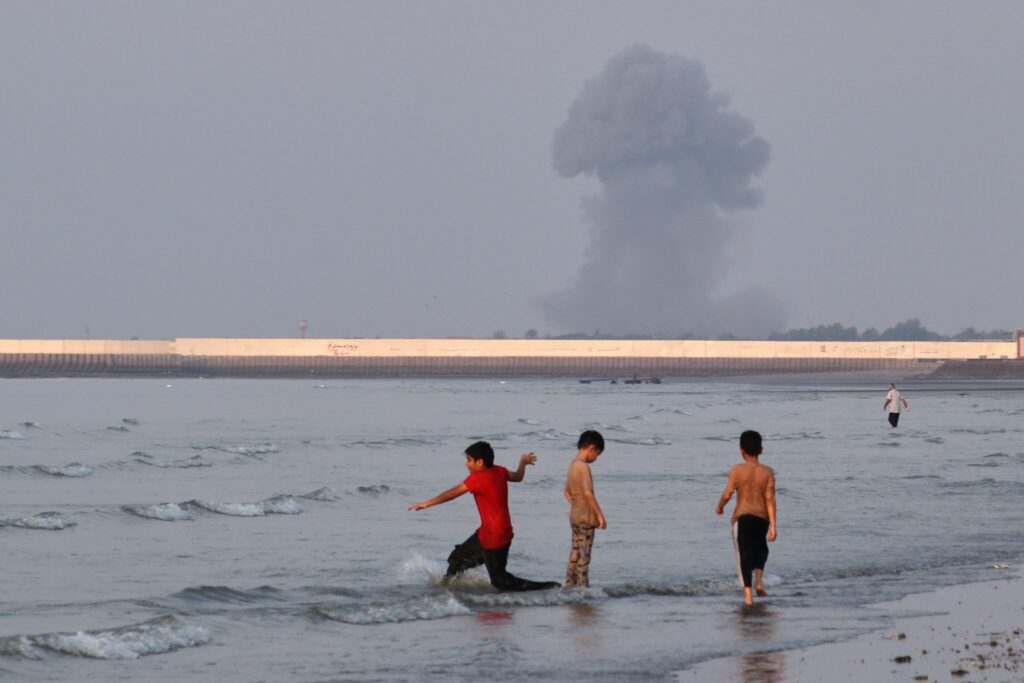
- The U.S. launched deeper strikes inside Iran.
- American forces also fired on a ship accused of breaking a blockade.
- Iran retaliated with missiles and drones against U.S. regional allies.
- Tehran warned it could target infrastructure across the region.
- The Strait of Hormuz carries roughly 20% of the world’s oil.
- Iran and the U.S. disagree over who controls shipping arrangements.
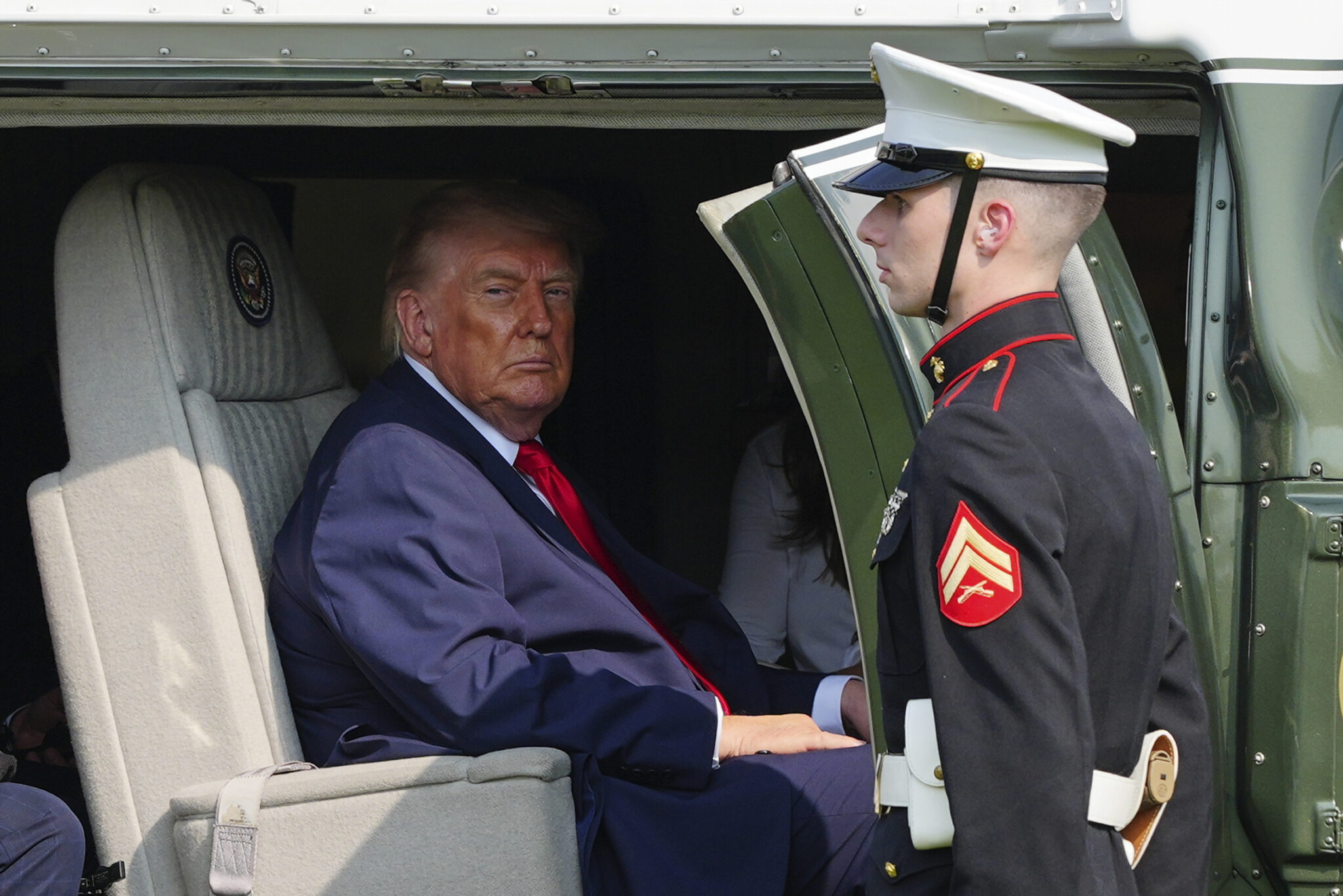
- Trump says Iran must negotiate to avoid broader U.S. attacks.
- Oil disruptions are creating political and economic pressure before the midterms.
- Analysts question whether additional strikes will change Iran’s behavior.
US-Iran Diplomacy Survives as Hormuz Fighting Intensifies
Diplomacy Remains Alive Despite Escalating Attacks
Fighting between the United States and Iran has intensified around the Strait of Hormuz, but regional mediators insist efforts to revive diplomacy have not collapsed.
Pakistan’s Foreign Ministry rejected suggestions Thursday that Islamabad had abandoned its attempt to bring Washington and Tehran back to the negotiating table.
The statement followed renewed U.S. strikes inside Iran, Iranian missile and drone attacks against American allies, and the collapse of a ceasefire agreement negotiated the previous month.
“Let me dispel the impression that Pakistan has done hands up, and this is not the case,” Foreign Ministry spokesperson Tahir Andrabi said.
He added that the parties eventually “will have to come to the negotiating table to settle all outstanding issues.”
Pakistan, Qatar and Egypt are among the countries attempting to restore negotiations, according to regional officials familiar with the diplomatic efforts.
Neither Side Has Formally Abandoned Ceasefire
Regional officials said neither Iran nor the United States has formally notified Pakistan that it is withdrawing from the initial ceasefire agreement.
That detail has allowed mediators to argue that the framework remains politically alive even though the fighting has resumed.
The original agreement included a 60-day negotiating period intended to produce a permanent settlement on Iran’s nuclear program, shipping through the Strait of Hormuz and other unresolved disputes.
That formal negotiating process has stopped.
However, diplomats continue using private channels to persuade both governments to return to talks.
Andrabi acknowledged that mediation had become increasingly difficult as attacks intensified.
“It can be put on the backburner, but it stays,” Andrabi said, adding that “whenever the parties exhaust the logic of escalation, the formula for peace is there.”
Vance Says Military Force Is Only One Tool
Vice President JD Vance also signaled that the Trump administration has not ruled out diplomacy.
During a podcast interview with Joe Rogan, Vance said the United States does not intend to rely indefinitely on military strikes.
The administration is “not going to bomb and bomb and bomb,” Vance said.
He argued that Washington must remain willing to negotiate even while using military pressure.
“You’ve got to actually be willing to talk and to try to figure out the problem,” Vance said.
“We’re going try to use our military force as one of the many tools that we have to solve the problem,” he added, saying that “diplomacy is another tool.”
His remarks suggest the administration views military action as a means of creating leverage rather than as the sole strategy for ending the conflict.
Strait of Hormuz Remains Central Dispute
The main disagreement involves management of the Strait of Hormuz.
The narrow waterway is one of the world’s most important energy routes and normally carries about one-fifth of global oil supplies.
Iran argues that it has the authority to regulate or arrange shipping through the strait under what its leaders call Iranian navigation arrangements.
The United States insists the waterway must remain open to free international passage.
Washington has also explored an alternate shipping route closer to Oman’s coastline.
The language in the earlier ceasefire was vague enough that both governments interpreted it differently.
That ambiguity helped produce the current dispute.
Iran Uses Shipping Route as Leverage
Iran’s ability to threaten commercial shipping gives it significant economic and political leverage.
Tehran has attacked vessels it says ignored its navigation rules, reducing normal traffic through the strait and creating uncertainty for shipping companies and insurers.
Even occasional attacks can discourage operators from sending ships through the region.
That disruption has pushed oil prices higher and increased transportation costs.
The economic pressure could become politically damaging for Republicans ahead of the November midterm elections.
Vance acknowledged that diplomacy may be the only realistic path to restoring safe shipping.
“I’m very frustrated by the Americans and frankly by people in other countries who are like, ‘You cannot negotiate with the Iranians,’” he said. “Well, then what is your proposal to get people to stop shooting at ships in the Strait of Hormuz?”
US Launches Deeper Strikes Inside Iran
The United States intensified military operations Thursday by striking targets deeper inside Iran.
American forces also fired on a ship that officials accused of trying to break the U.S. naval blockade of Iranian ports.
President Donald Trump restored the blockade to increase economic pressure on Tehran and limit its ability to use maritime commerce.
The administration says the strikes are intended to stop Iranian attacks on commercial vessels and force the reopening of the strait.
Iran responded by launching missiles and drones toward U.S. allies in the region.
Tehran also warned that future attacks could expand to target “all the infrastructure in the region.”
That threat raised fears of a wider conflict involving energy facilities, military bases, ports and civilian infrastructure.
Escalation Risks Continue to Grow
Naysan Rafati, senior Iran analyst at the International Crisis Group, said the conflict had entered a dangerous phase.
He described the situation as one that “leaves open the possibility of moving up the escalation ladder.”
Each new attack increases the risk of miscalculation.
A strike that causes significant civilian casualties or damages a major oil facility could trigger a much broader response.
Regional governments are therefore trying to preserve communication channels even as both sides intensify military pressure.
Trump Warns Iran to Return to Talks
Trump has repeatedly said Iran can avoid further U.S. attacks by returning to negotiations.
He has also threatened strikes on civilian infrastructure, including bridges and power plants, if Tehran refuses.
Asked whether he remained open to talks, Trump declined to set a deadline.
“I don’t like giving deadlines, but they pretty much know, they know the story,” Trump said Wednesday in Pennsylvania. “They better behave.”
The president’s comments combine an offer of negotiations with the threat of escalating military action.
That approach reflects the administration’s attempt to pressure Iran without formally closing the diplomatic door.
Iran Says Interim Deal Is Not Dead
Iranian Parliament Speaker Mohammad Bagher Qalibaf, who is also serving as a lead negotiator, said Tehran had not declared the interim agreement void.
However, he argued that Iran’s continued participation depends on the United States honoring its own commitments.
If Washington violates the agreement, Qalibaf said, Iran would have no obligation to remain bound by it.
The June 17 deal called for a permanent end to hostilities, reopening the Strait of Hormuz and beginning a 60-day process to negotiate a final settlement.
Qalibaf suggested Iran does not intend to keep the waterway permanently closed.
Instead, Tehran wants commercial shipping to operate under what it describes as “Iranian arrangements.”
The United States rejects that position as an unacceptable limitation on international navigation.
Blockade Aims to Increase Economic Pressure
Trump’s naval blockade is designed to inflict economic costs by restricting access to Iranian ports.
The administration hopes the pressure will force Tehran to stop attacks and accept U.S. conditions for reopening the strait.
However, analysts question whether military pressure can eliminate Iran’s ability to disrupt shipping.
Iran possesses missiles, drones and coastal systems that can threaten vessels across the narrow waterway.
Destroying every launch platform or weapons site would be extremely difficult.
Iran Needs Only Occasional Success
Bradley Bowman, a former Army helicopter pilot and scholar at the Foundation for Defense of Democracies, said Iran does not need to stop all shipping to achieve its goals.
“Unfortunately, Iran only needs to hit a ship every now and then to create serious problems and dilemmas for insurers and ship captains and reduce the flow of traffic in the strait,” Bowman said.
“That reduced flow exerts significant economic and political pressure on Washington, especially as midterm elections approach. Iran understands the leverage it now has — and so does Trump.”
A limited number of successful attacks could raise insurance rates, discourage crews and slow the movement of oil.
That makes it difficult for the United States to guarantee safe passage through military action alone.
Experts Doubt More Strikes Will Force Talks
Some defense analysts are skeptical that expanded attacks will persuade Iran to negotiate.
Mark Cancian, a retired Marine colonel and senior adviser at the Center for Strategic and International Studies, questioned whether the current strategy differs enough from previous attempts at coercion.
“We’re doing things that have not affected Iranian behavior in the past,” Cancian said. “So why would it affect Iranian behavior now?”
Iran has endured decades of sanctions, military threats and diplomatic isolation.
Its leaders may believe they can withstand additional pressure while maintaining enough military capability to disrupt the strait.
That calculation could prolong the conflict.
Oil Markets Remain Vulnerable
The Strait of Hormuz dispute carries global economic consequences.
Any sustained reduction in shipping could cause oil prices to rise sharply.
Higher energy costs would affect gasoline, aviation, manufacturing, agriculture and transportation.
The resulting inflation could complicate central bank policy and weaken consumer confidence.
For the Trump administration, rising fuel prices also create a domestic political challenge.
Republicans are already facing voter concerns over affordability and the cost of living.
Regional Mediators Seek a Narrow Opening
Pakistan, Qatar and Egypt are attempting to use the remaining ceasefire framework as a foundation for renewed talks.
Their immediate goal may be less ambitious than a comprehensive peace agreement.
A limited arrangement covering commercial shipping, military restraint or communication channels could reduce the risk of further escalation.
From there, negotiators could return to discussions over Iran’s nuclear program and long-term security arrangements.
The challenge is convincing both governments that compromise offers more benefits than continued conflict.
A Pivotal Moment for Washington and Tehran
The United States and Iran now face a choice between escalating attacks and returning to negotiations.
Both sides believe they possess leverage.
Washington relies on military power, sanctions and a naval blockade.
Tehran relies on missiles, drones and its ability to disrupt one of the world’s most important energy routes.
Neither has yet achieved a decisive advantage.
That balance may ultimately create the conditions for diplomacy, but only after both governments conclude that continued escalation carries greater risks than compromise.
For now, the fighting is intensifying while the path to negotiations remains narrow but open.




You must Register or Login to post a comment.