Bondi Defends Trump Administration’s Release of Epstein Case Files/ Newslooks/ WASHINGTON/ J. Mansour/ Morning Edition/ Former Attorney General Pam Bondi defended the Trump administration’s handling of the Jeffrey Epstein case files during a closed-door congressional interview. Bondi acknowledged redaction errors but argued the Justice Department demonstrated an unprecedented commitment to transparency. Lawmakers and abuse survivors continue raising concerns about delays, victim privacy breaches, and decisions surrounding the release of Epstein-related records.
Pam Bondi Epstein Files Quick Looks
- Pam Bondi testified before the House Oversight Committee.
- Bondi defended the release of Epstein case files.
- She acknowledged Justice Department redaction mistakes.
- Lawmakers questioned the handling of file disclosures.
- Survivors protested outside the Capitol interview.
- Democrats pushed for greater transparency.
- Questions remain regarding Ghislaine Maxwell’s case.
- The interview was conducted behind closed doors.
- Committee leaders promised a transcript release.
- The Epstein investigation continues to draw bipartisan attention.
Deep Look
Bondi Defends Trump Administration’s Handling of Epstein Records
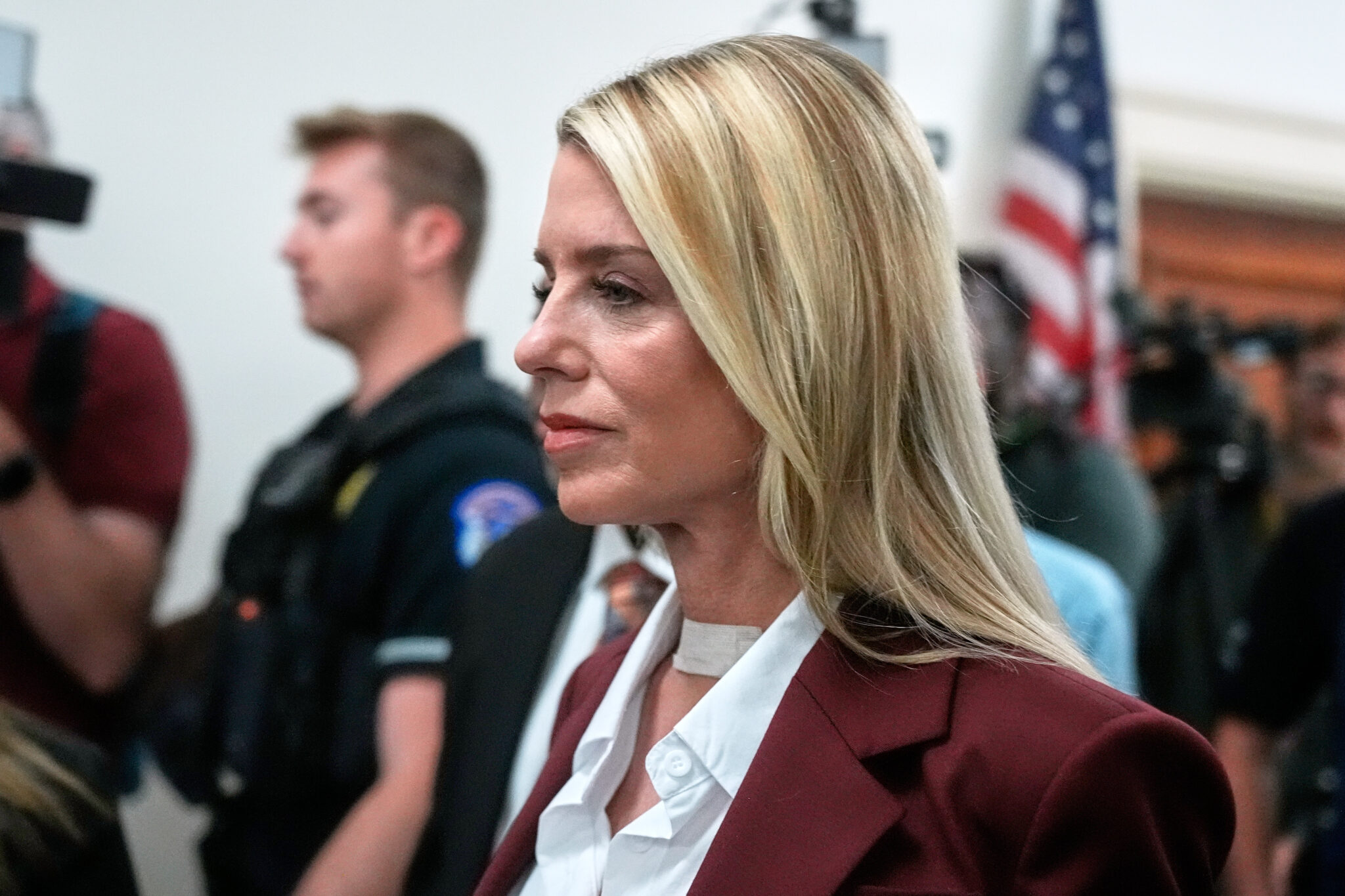
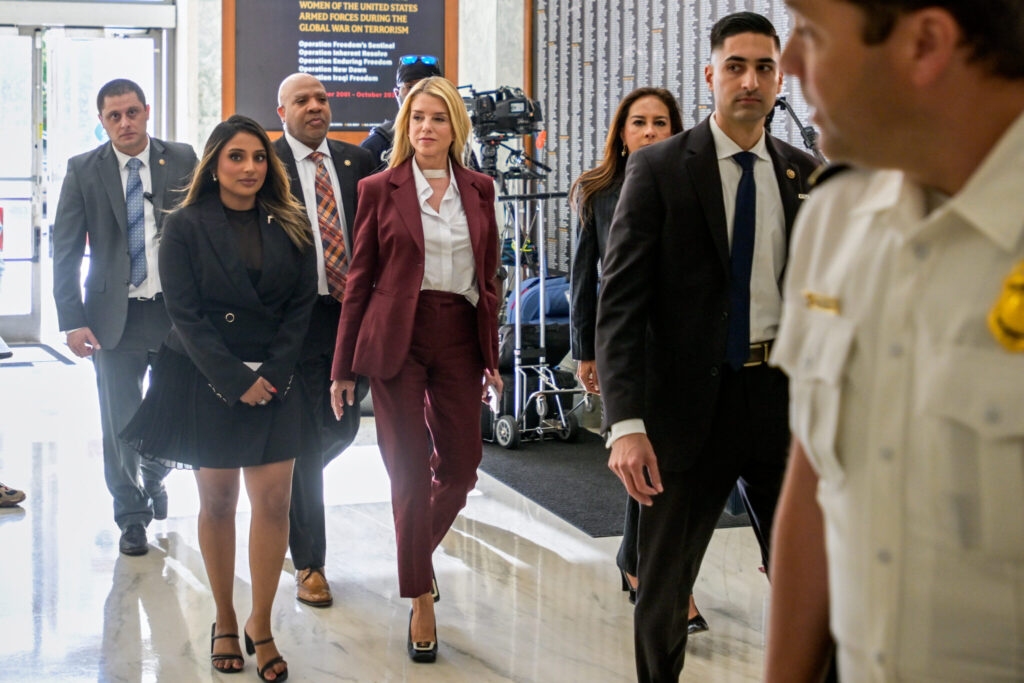
WASHINGTON — Former Attorney General Pam Bondi vigorously defended the Trump administration’s release of Jeffrey Epstein case files Friday as she appeared before House lawmakers conducting an extensive review of the controversial disclosure process.
The closed-door interview marked one of the most closely watched moments in Congress’ ongoing investigation into the Epstein records and the Justice Department’s handling of information connected to the disgraced financier and convicted sex offender.
Facing lawmakers from both parties, Bondi maintained that the administration fulfilled its legal obligations while striving to maximize public transparency regarding the case.
Bondi Stands By File Release Effort
During her opening remarks, Bondi rejected criticism of the administration’s actions and emphasized that officials acted under legal mandates established by Congress.
“The bottom line is: justice and transparency in this matter have been delivered at the direction of President Trump and his administration,” she said, according to a written copy of her opening statement.
The interview gave lawmakers an opportunity to question Bondi directly about the release process, decisions surrounding investigative records, and broader issues involving the Epstein case.
Members of the House Oversight Committee have spent months examining how the Justice Department handled congressional requirements to disclose records and whether key decisions were made appropriately.
Questions Remain About Transparency
Despite Bondi’s defense of the process, some lawmakers remain unconvinced.
Rep. Yassamin Ansari, a Democrat from Arizona and a member of the House Oversight Committee, argued that Bondi possesses information that could clarify unresolved issues surrounding the investigation and file releases.
“I think she absolutely could clear up many missing pieces if she wanted to,” said Rep. Yassamin Ansari, an Arizona Democrat on the House Oversight Committee. “Now it’s a question of whether or not she is willing to be transparent.”
Democrats have repeatedly argued that additional disclosures are needed to answer lingering questions about the government’s handling of Epstein-related records.
Congressional Investigation Continues
Lawmakers are examining a broad range of issues connected to Epstein and his associates.
Investigators are seeking information about prosecutorial decisions, the Justice Department’s compliance with congressional mandates, and whether President Donald Trump played any role in decisions concerning the release of records.
The inquiry also extends to issues involving Epstein’s longtime associate Ghislaine Maxwell and the status of related investigations.
Epstein died in a New York jail cell in 2019 while awaiting trial. Authorities ruled his death a suicide. Maxwell was later convicted of recruiting and grooming underage girls for Epstein and remains incarcerated.
Bondi Acknowledges Department Errors
One of the most significant admissions during Bondi’s testimony involved mistakes made during the release process.
Bondi told lawmakers that then-Deputy Attorney General Todd Blanche, who now serves as acting attorney general, supervised the effort to release the files following passage of a congressional law requiring disclosure.
She described the undertaking as highly complex and labor intensive.
While defending the department’s overall performance, Bondi conceded that errors occurred during the redaction process.
She characterized the mistakes as part of a difficult undertaking but argued that the department ultimately fulfilled its legal obligations and demonstrated “an unprecedented commitment to transparency.”
Abuse Survivors Demand Accountability
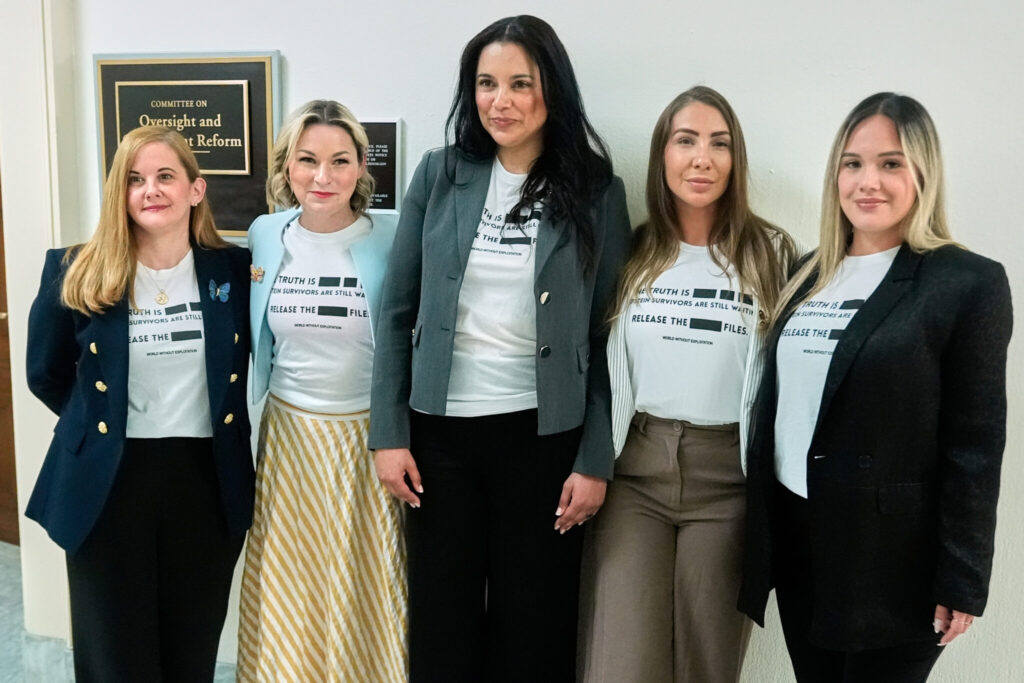
As Bondi testified inside the Capitol, several survivors of Epstein’s abuse gathered nearby to demand accountability.
The group sought to draw attention to concerns about how the records were released, particularly after some disclosed materials reportedly contained personal information belonging to potential victims.
According to several survivors, they were pushed aside by police officers as Bondi entered the interview location.
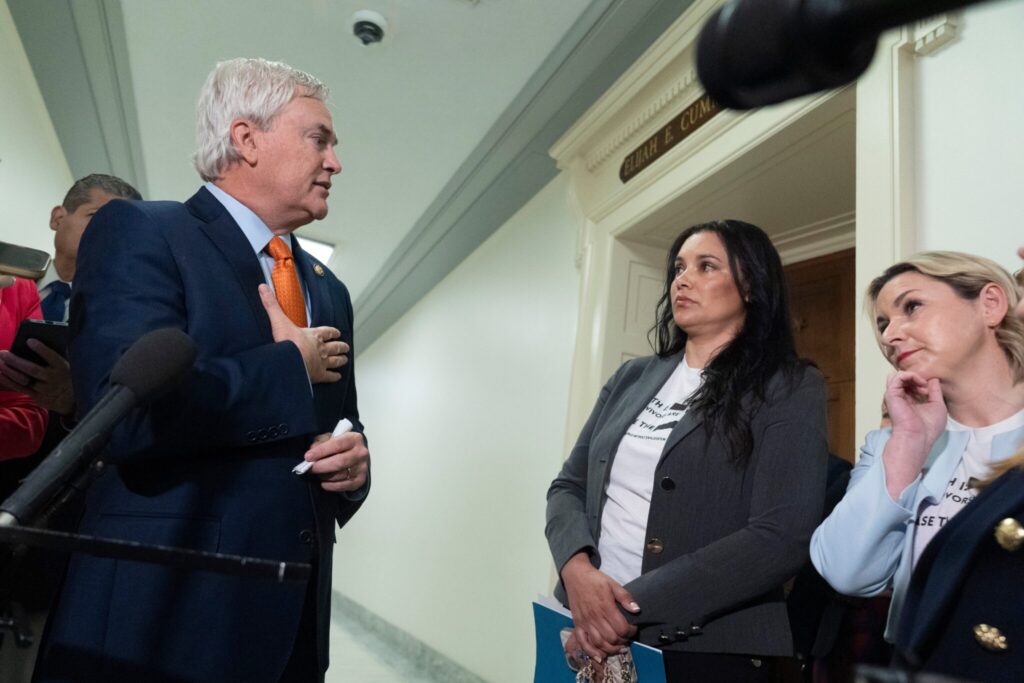
The survivors later confronted House Oversight Committee Chairman James Comer and urged lawmakers to continue pressing for complete disclosure of records required under federal law.
“We want justice for the survivors, we do,” Comer added.
Bondi Remains Active in Trump Orbit
Although Bondi left the Justice Department in April, she remains a prominent figure within President Trump’s circle.
Earlier this week, Trump appointed her to serve on a White House advisory panel focused on artificial intelligence policy.
Bondi also recently disclosed that she is undergoing treatment for thyroid cancer, adding another layer of public attention surrounding her appearance before Congress.
During the interview, she was accompanied by Justice Department officials, including Harmeet Dhillon, who serves as head of the department’s Civil Rights Division and acted as legal counsel during the proceedings.
Democrats Criticize Interview Arrangements
The structure of the interview itself became a source of controversy.
Bondi had originally been subpoenaed by the committee but later agreed to participate in a transcribed interview rather than a sworn deposition. Critics argue that the arrangement provides greater flexibility in responding to questions and reduces public transparency.
Democrats also objected to the decision not to videotape the proceedings.
“We continue to be incredibly disappointed of the decision to not have this interview videotaped and then released to the American public,” said Rep. Robert Garcia, the top Democrat on the panel.
Committee leaders, however, defended the format as a way to encourage cooperation while preserving congressional oversight authority.
Bondi’s Role in the Epstein Controversy
Bondi has remained one of the central figures in the political debate surrounding Epstein records.
She initially raised expectations for a broad release of files but later faced criticism when disclosures were delayed and some materials reportedly included personal information and nude photographs involving potential victims.
The controversy prompted Congress to intervene and pass legislation requiring broader disclosure of records.
Bondi has consistently maintained that the Justice Department’s actions were guided by legal obligations and efforts to balance transparency with privacy concerns.
Transcript Expected as Investigation Moves Forward
Chairman James Comer has stated that Bondi could face legal consequences if she provides false testimony to Congress.
He also pledged that lawmakers would release a transcript of the interview after the process concludes, allowing the public to review the exchange.
As the House Oversight Committee continues its broader investigation, lawmakers are expected to examine additional witnesses and documents tied to the Epstein case.
The issue remains politically sensitive and highly scrutinized, with survivors, lawmakers, and the public continuing to seek answers regarding transparency, accountability, and the handling of one of the most controversial investigations in recent history.