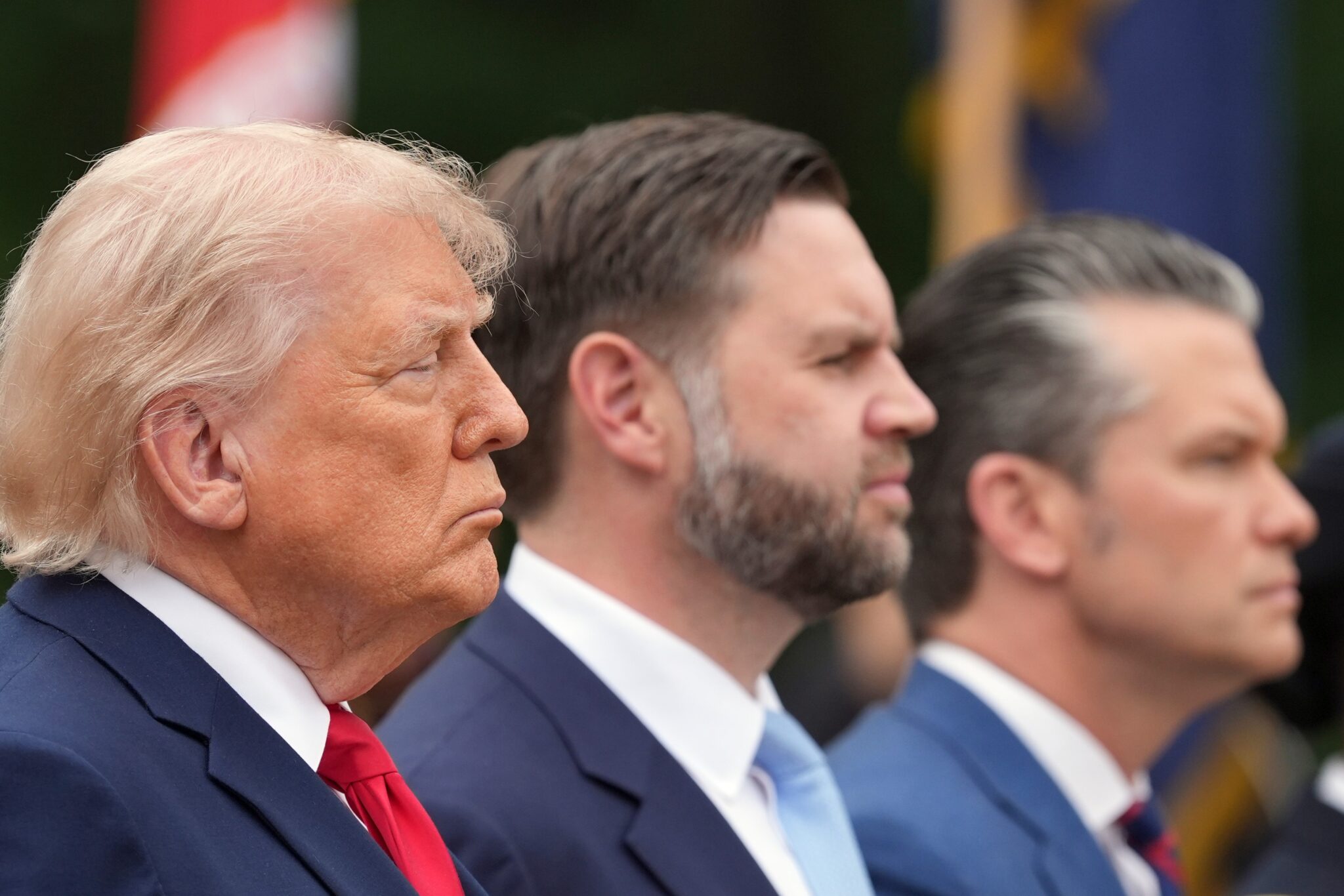
Trump Meeting with Aides to Make ‘Final Determination’ on Iran Deal/ Newslooks/ WASHINGTON/ J. Mansour/ Morning Edition/ President Donald Trump is meeting with senior advisers to make a final decision on a proposed agreement that would extend the Iran ceasefire for 60 days. The tentative deal would reopen negotiations over Iran’s nuclear program while addressing issues involving uranium enrichment and the Strait of Hormuz. Despite progress in talks, significant disagreements remain as both sides continue to negotiate key provisions.

Trump Iran Ceasefire Deal Quick Looks
- Trump convened a White House Situation Room meeting.
- Administration reviewing a proposed 60-day ceasefire extension.
- U.S. and Iranian negotiators reached a tentative framework.
- Uranium enrichment remains a major sticking point.
- Iran has not committed to surrendering enriched uranium.
- Strait of Hormuz access is part of negotiations.
- Oil markets are closely watching developments.
- Additional sanctions were imposed despite ongoing talks.
- Iran continues demanding changes involving regional conflicts.
- Final approval now rests with President Trump.
Deep Look
Trump Reviews Proposed Iran Ceasefire Extension
WASHINGTON — President Donald Trump is consulting with senior national security and foreign policy advisers as he prepares to make what he described as a “final determination” on a proposed agreement that could extend the fragile ceasefire between the United States and Iran.
The high-level White House discussions come as negotiators from both countries work to finalize terms that would prolong the current ceasefire for an additional 60 days while broader negotiations continue over Iran’s controversial nuclear program.
The meeting signals that diplomacy has reached a critical stage following months of conflict and weeks of intensive negotiations involving American and Iranian representatives.
Situation Room Meeting Signals Crucial Moment
Trump confirmed Friday that he was gathering advisers in the White House Situation Room to evaluate the proposed framework and determine whether the United States should move forward with the agreement.
The discussions follow reports indicating that negotiators have already reached a tentative understanding on key elements of a ceasefire extension.
If approved, the agreement would continue the current pause in hostilities for 60 additional days and provide time for negotiators to address unresolved disputes involving Iran’s nuclear activities and broader regional security concerns.
The decision represents one of the most significant foreign policy choices facing the administration this year.
Vice President Says Key Issues Remain Unresolved
Although negotiators have made progress, administration officials acknowledge that important differences remain.
Vice President JD Vance said Thursday that negotiators were still debating critical wording and policy issues related to the agreement.
According to Vance, discussions continue regarding Iran’s stockpile of highly enriched uranium and future enrichment activities.
“a couple of language points”
He also noted that he could not yet predict whether Trump would ultimately approve the proposal.
The unresolved issues highlight the complexity of reaching a long-term agreement capable of satisfying both sides.
Iran Signals Continued Skepticism
Iranian leaders have responded cautiously to reports of progress.
Parliament Speaker Mohammad Bagher Qalibaf emphasized that Tehran remains deeply skeptical of American commitments and insists that actions matter more than promises.
Iranian officials continue to argue that the country has secured leverage through military strength rather than diplomatic negotiations.
“We do not gain concessions through talks, but through missiles. In negotiations, we only make them understand that,” wrote Qalibaf, who was involved in negotiations in Qatar this week.
He added: “The winner of any agreement is the one who is better prepared for war the day after it is signed.”
The comments underscore the mistrust that continues to shape relations between Washington and Tehran despite ongoing negotiations.
Uranium Stockpile Emerges as Central Issue
One of the most important aspects of the proposed agreement involves Iran’s highly enriched uranium stockpile.
According to officials familiar with the negotiations, discussions during the ceasefire period would focus heavily on determining the future of Iran’s nuclear material.
The International Atomic Energy Agency estimates that Iran possesses 440.9 kilograms of uranium enriched to 60% purity.
While technically below weapons-grade levels, experts note that the material is only a short step away from the 90% enrichment level typically associated with nuclear weapons.
The issue remains one of the most sensitive elements of the negotiations.
Nuclear Program Remains at Center of Talks
Since the conflict began, the Trump administration has repeatedly stated that preventing Iran from obtaining a nuclear weapon remains a primary objective.
However, administration officials have increasingly described their goals in terms of delaying and limiting Iran’s nuclear capabilities rather than completely eliminating them.
“We’re in a position where we could substantially set back their nuclear program, not just during the term of this president but over the long term,” Vance said. “That’s a very very good thing for the American people.”
Iran continues to insist that its nuclear activities are intended for peaceful purposes and has not publicly agreed to surrender its enriched uranium stockpile.
Debate Over Uranium Storage
Negotiators are also grappling with questions regarding where Iran’s enriched uranium could be stored if a broader agreement is reached.
Some nuclear experts have suggested that China or Russia could potentially serve as third-party custodians because both nations maintain relatively strong relationships with Tehran.
Trump, however, has publicly expressed reservations about such an arrangement.
He stated earlier this week that he “wouldn’t be comfortable” with transferring the material to either country.
The issue remains unresolved and could become one of the most difficult obstacles facing negotiators.
Strait of Hormuz Provisions Included
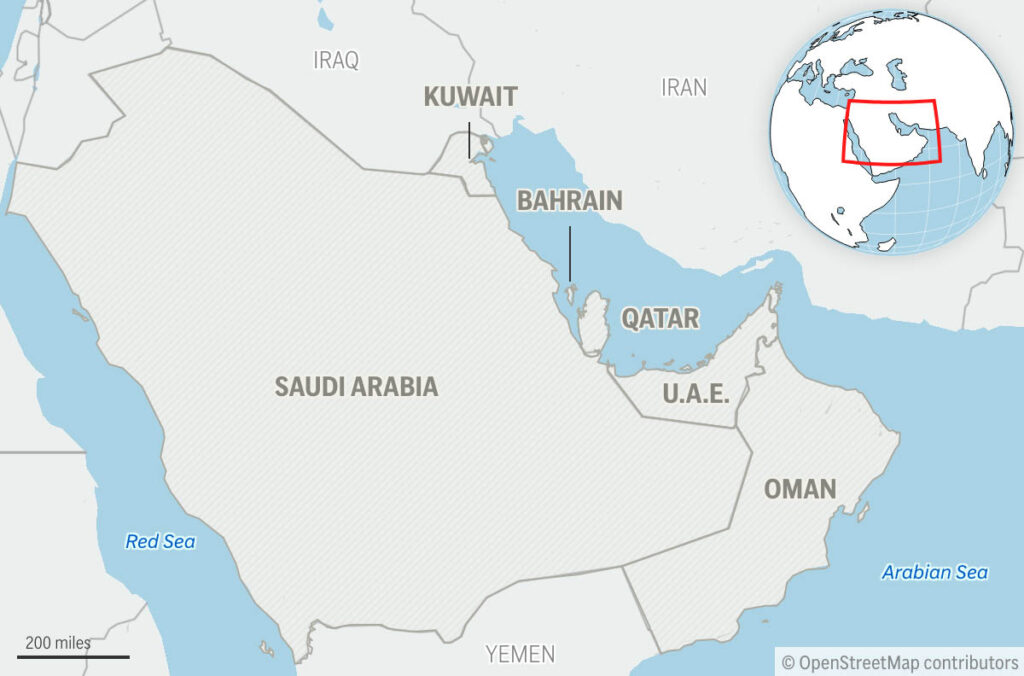
The tentative framework reportedly contains several provisions involving the Strait of Hormuz, one of the world’s most important energy shipping routes.
According to officials familiar with the agreement, Iran would be prohibited from imposing tolls on vessels using the waterway and would be required to remove naval mines within 30 days.
The strait has become a focal point of global economic concern during the conflict.
Roughly one-fifth of internationally traded oil and natural gas passes through the narrow waterway, making disruptions particularly significant for global energy markets.
Oil Markets React to Negotiations
The conflict has already had a major impact on international energy prices.
Iran’s actions in the Strait of Hormuz have disrupted shipping traffic and contributed to significant increases in oil prices worldwide.
Before the conflict, more than 100 commercial vessels passed through the waterway daily. Recent traffic levels have reportedly fallen dramatically as security concerns and restrictions increased.
The ceasefire agreement could help stabilize energy markets and reduce pressure on global inflation if successfully implemented.
Sanctions and Diplomacy Continue Simultaneously
Despite ongoing negotiations, the Trump administration continues applying economic pressure on Iran.
The move demonstrates that Washington intends to maintain leverage during negotiations even while pursuing a diplomatic agreement.
Meanwhile, the proposed framework reportedly includes provisions that would gradually ease some sanctions and permit Iran to increase oil exports if negotiations progress successfully.
Regional Issues Continue to Influence Talks
Broader Middle East tensions remain intertwined with negotiations.
Iran has repeatedly argued that any lasting agreement must address Israel’s military operations involving Hezbollah in Lebanon.
Recent violence in Lebanon, including airstrikes and casualties in southern regions of the country, has added another layer of complexity to already difficult negotiations.
These regional security concerns could influence both the pace and outcome of future talks.
Final Decision Nears
As advisers gather in the Situation Room, the future of the proposed ceasefire extension now depends largely on Trump’s assessment of whether the framework adequately protects American interests while advancing long-term security goals.
The agreement offers an opportunity to reduce tensions, reopen diplomatic channels, and address nuclear concerns through negotiations rather than military confrontation.
At the same time, significant disagreements remain unresolved, and deep mistrust continues to shape relations between both governments.
The coming days could determine whether the tentative framework evolves into a formal agreement or whether negotiations return to uncertainty amid one of the world’s most sensitive geopolitical conflicts.