

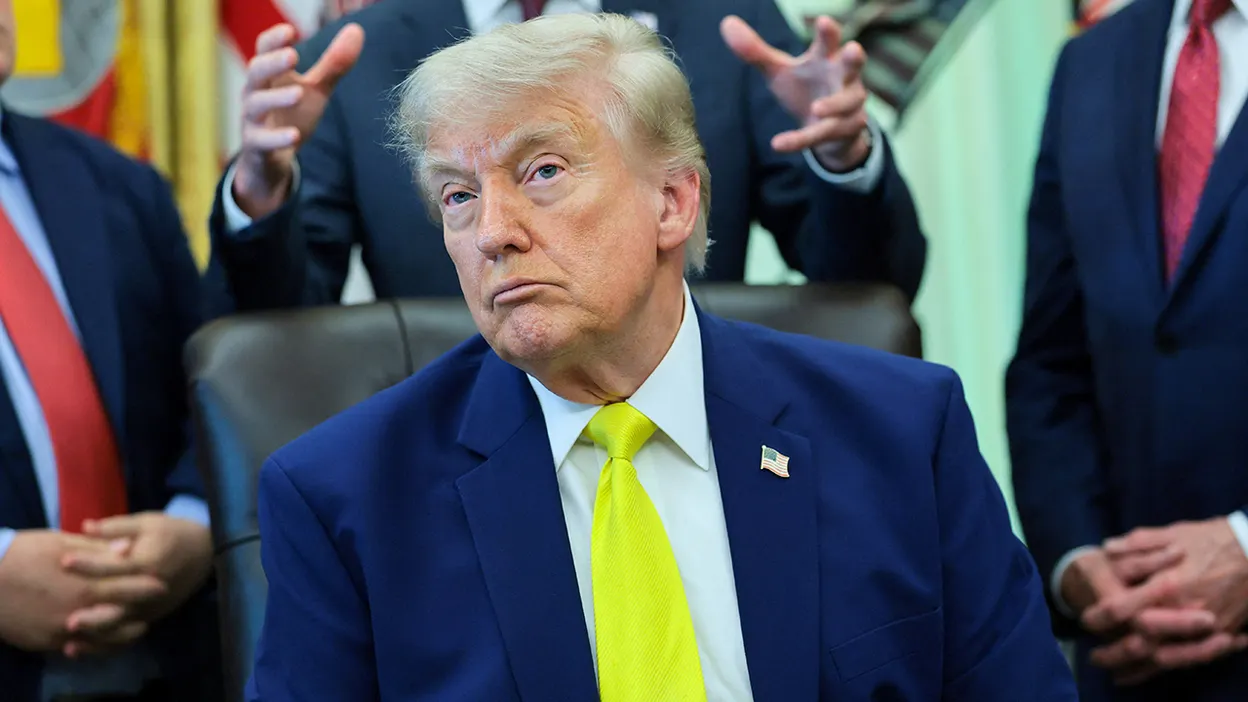
Trump: Iran Deal is ‘Scheduled to Get Signed Tomorrow,’ Strait of Hormuz Will Reopen/ Newslooks/ WASHINGTON/ J. Mansour/ Morning Edition/ President Donald Trump said a U.S.-Iran agreement aimed at ending the war is scheduled to be signed on June 14, with the Strait of Hormuz reopening immediately afterward. Pakistan and Qatar-backed mediators say the deal is ready for signatures, while Iranian officials continue signaling cautious optimism. The proposed agreement focuses on preventing Iran from obtaining nuclear weapons, reopening key shipping routes, and establishing a framework for future negotiations.
Trump Iran Deal Quick Looks
- Trump says the agreement is scheduled to be signed Sunday.
- The Strait of Hormuz would reopen immediately after signing.
- Pakistan says the deal is ready for final signatures.
- Iran, the U.S., Qatar, and Pakistan have played key roles in negotiations.
- Trump says the agreement blocks Iran from obtaining nuclear weapons.
- Iranian officials remain cautious about announcing final approval.
- The proposed deal follows months of conflict and diplomatic efforts.
- U.S. officials say the framework addresses nuclear concerns.
- Regional shipping and energy markets could benefit from reopening Hormuz.
- Russia and China continue coordinating with Iran as talks progress.
Deep Look
Trump Says Iran Peace Agreement Is Ready For Signing
President Donald Trump announced Saturday that a U.S.-Iran agreement designed to end months of conflict is expected to be signed on June 14, marking what could become one of the most significant diplomatic developments in the Middle East this year.
In a Truth Social post, Trump declared that the agreement would immediately reopen the Strait of Hormuz, one of the world’s most important energy shipping corridors.
“The Deal is scheduled to get signed tomorrow, and immediately after it is signed, the Hormuz Strait is OPEN TO ALL,” Trump wrote.
The announcement came amid growing indications from regional mediators that negotiations have reached their final stage.
Trump Contrasts New Agreement With Obama-Era Nuclear Deal
“Barack Hussein Obama’s Deal with Iran, the JCPOA, was an easy, beautiful, smooth road to a Nuclear Weapon, which Iran would have had six years ago, and would have used long before now,” Trump wrote.
He argued that the new framework would permanently prevent Tehran from acquiring nuclear weapons.
“My Agreement with Iran is the exact opposite, A WALL TO NO NUCLEAR WEAPON! In fact, they no longer want a Nuclear Weapon, nor will they have one, either through purchase, development, or any other form of procurement.”
The comments reflect the Trump administration’s position that the agreement establishes stronger restrictions on Iran’s nuclear ambitions than previous diplomatic efforts.
Strait Of Hormuz Reopening Seen As Key Goal
One of the most important elements of the proposed agreement is the reopening of the Strait of Hormuz.
The waterway serves as a critical route for global oil and natural gas shipments. Disruptions in the strait during the conflict contributed to volatility in energy markets and raised concerns about global supply chains.
The move could ease pressure on international shipping and energy markets while reducing regional tensions.
Pakistan Says Agreement Is Ready For Signatures
Additional momentum came from Pakistan, which has played a central mediation role alongside Qatar.
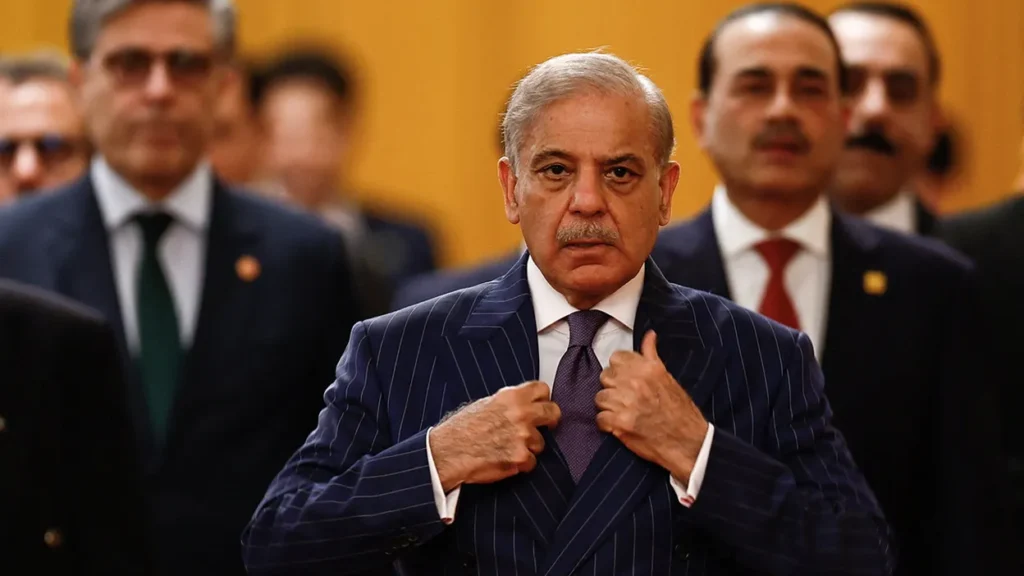
Prime Minister Shehbaz Sharif’s office announced Saturday that the agreement is effectively complete and awaiting formal approval.
According to a statement from Sharif’s office, discussions with Qatari Prime Minister Sheikh Mohammed bin Abdulrahman bin Jassim Al Thani confirmed that a peace agreement was nearing completion.
“The Prime Minister expressed his deep appreciation for Qatar’s strong and steadfast support for Pakistan’s peace efforts throughout the Gulf crisis and stated that a peace deal was ready for signatures by the relevant parties very shortly,” the statement said.
Qatari officials also praised Pakistan’s diplomatic role in helping move negotiations toward a conclusion.
Iran Continues To Signal Caution
While U.S. and Pakistani officials have expressed confidence, Iranian leaders have adopted a more measured tone.
Iranian officials have repeatedly stated that final approval remains subject to review by the country’s leadership and decision-making bodies.
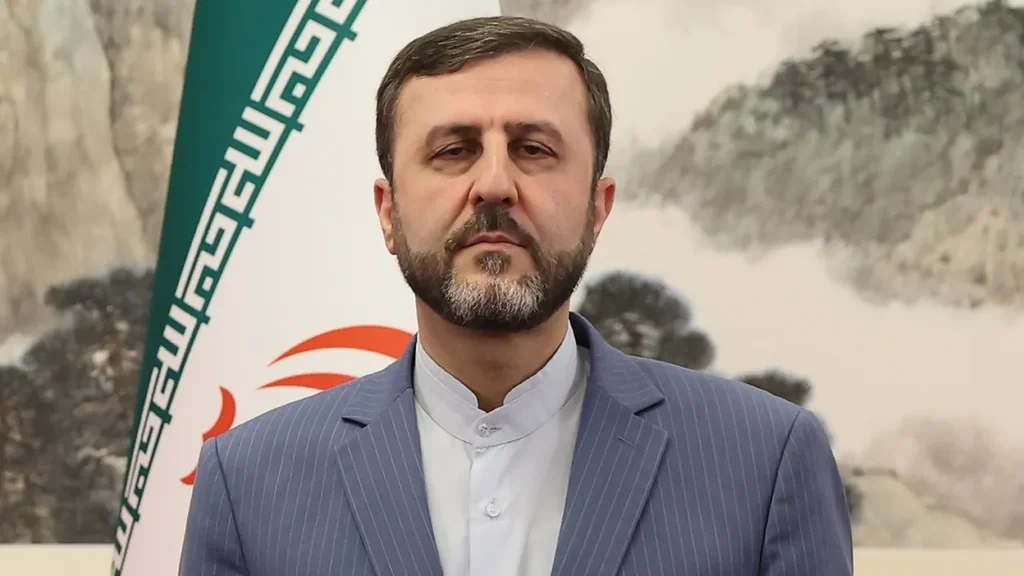
On Saturday, Iranian Deputy Foreign Minister Kazem Gharibabadi announced discussions with Russian and Chinese diplomats regarding the latest draft agreement.
“The strategic partnership between Iran, China, and Russia, as well as the coordination and interactions among the three countries, will continue with full strength,” Gharibabadi said.
His comments highlighted Tehran’s ongoing efforts to coordinate with key international partners even as negotiations with Washington move forward.
U.S. Military Presence Remains Active
Despite diplomatic progress, military operations continue across the region.
U.S. Central Command released new images Saturday showing Navy fighter aircraft and command-and-control assets operating from the USS Abraham Lincoln in the Arabian Sea.
The carrier strike group remains involved in enforcing the U.S. maritime blockade on Iranian ports established during the conflict.
According to CENTCOM, American forces have redirected more than 140 commercial vessels and disabled several ships during enforcement operations.
The continued military posture underscores Washington’s effort to maintain pressure while negotiations proceed.
Nuclear Program Remains Central Issue
Trump emphasized that the agreement is designed to ensure Iran cannot obtain nuclear weapons.
He also referenced future efforts to address remaining nuclear materials.
“At the appropriate time, when all is calm, we will go in and get the Nuclear Dust, buried deep under the powerful sunken granite mountains, thanks to our beautiful B-2 Bombers and their brilliant pilots, and downblend and destroy it, whether in Iran, or the United States,” Trump wrote.
Details regarding how future nuclear verification and material disposal would be implemented have not yet been publicly released.
What Happens Next
Attention now turns to whether all parties provide final approval and complete the anticipated signing ceremony.
If signed, the agreement would mark a major turning point after months of conflict that disrupted energy markets, heightened regional instability, and raised fears of a broader war.
Trump expressed confidence that the process would move forward successfully.
“We look forward to working with Iran, and the entire Middle East, long into the future. Hopefully, this process will all work out quickly, easily, and smoothly,” he wrote.
He added a warning should negotiations ultimately collapse:
“If it doesn’t, we have the ultimate alternative, hopefully never to be used again!”





You must Register or Login to post a comment.