

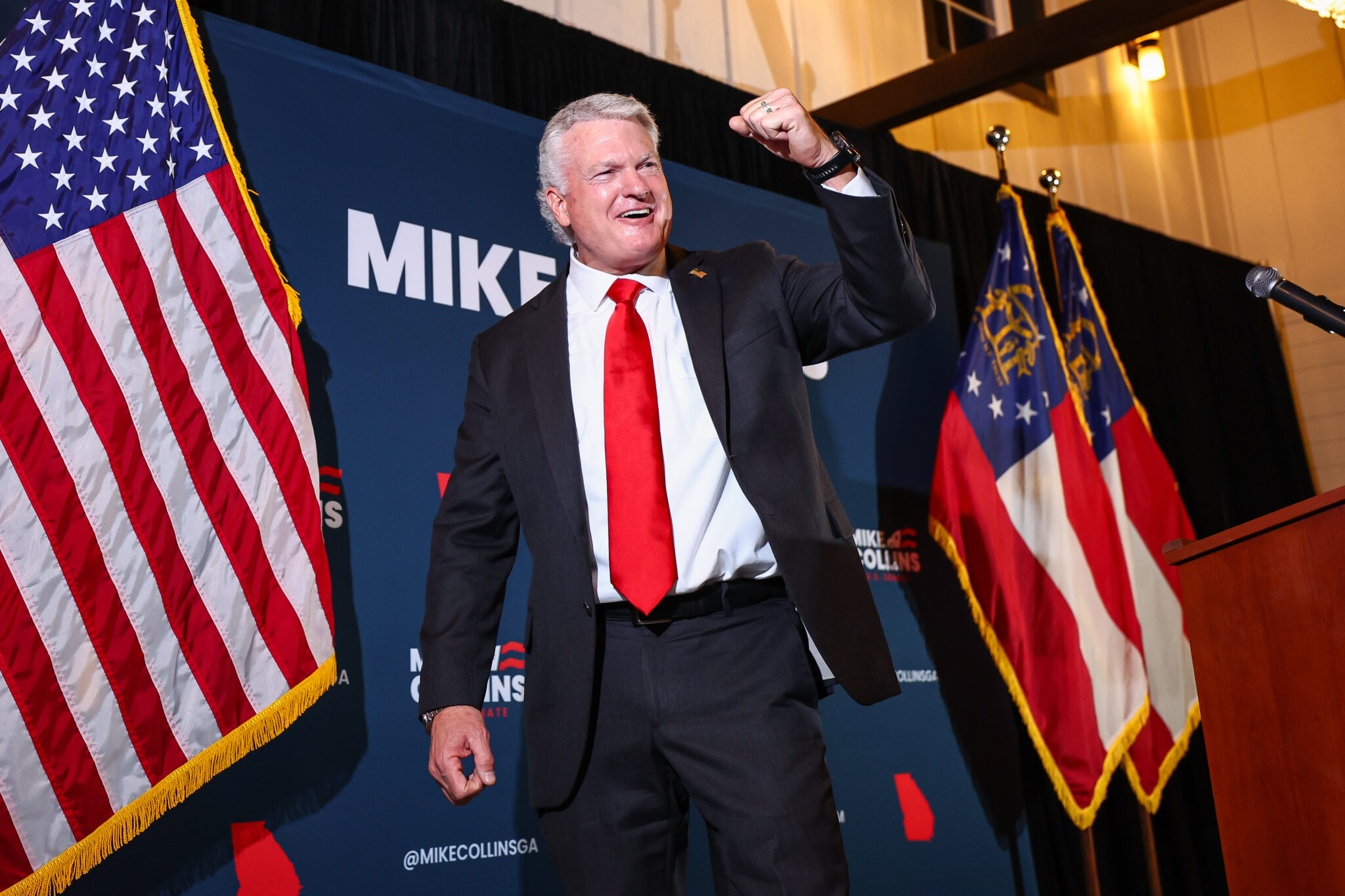
Georgia GOP Delivers Mixed Verdict on Trump in Key Runoffs/ Newslooks/ WASHINGTON/ J. Mansour/ Morning Edition/ Georgia Republicans backed Trump’s Senate choice, Mike Collins, but rejected his gubernatorial pick. Billionaire Rick Jackson used more than $100 million of personal wealth to win the governor’s nomination. The results set up crucial November races that could shape control of the Senate and Georgia’s political future.

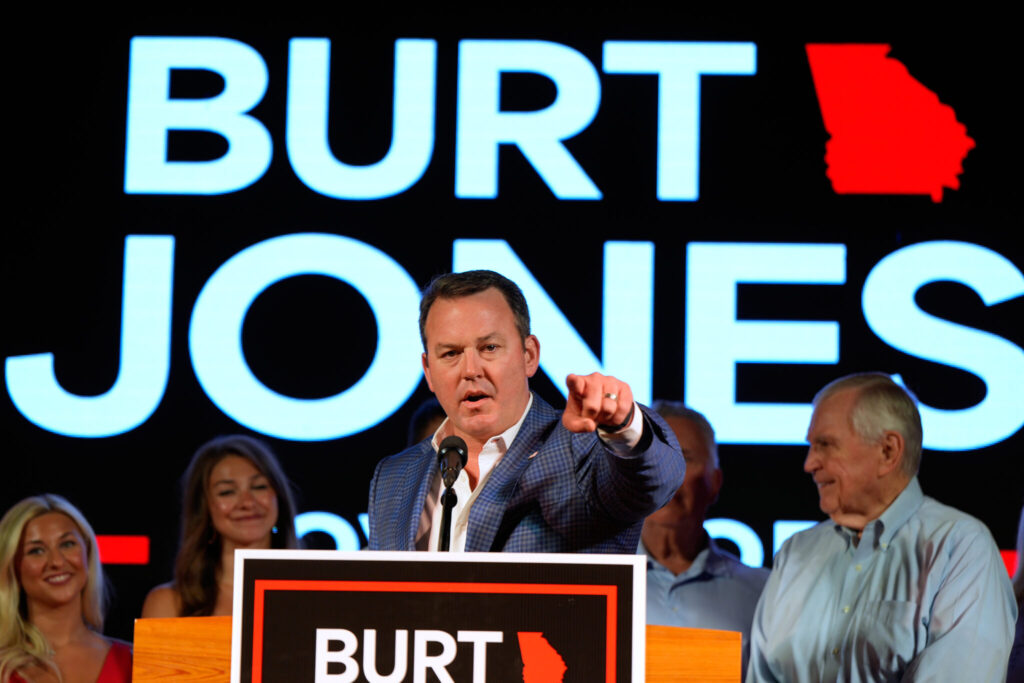
Georgia GOP Runoffs Quick Looks
- Mike Collins won the GOP Senate nomination.
- Rick Jackson captured the Republican governor nomination.
- Trump’s endorsements produced mixed results.
- Collins will challenge Democratic Sen. Jon Ossoff.
- Jackson will face former Atlanta Mayor Keisha Lance Bottoms.
- Georgia remains a key battleground state for both parties.
- Democrats hope to retain Ossoff’s Senate seat.
- Republicans seek to regain momentum in statewide races.
- Tim Fleming won the GOP secretary of state nomination.
- Campaign spending and Trump’s influence dominated the contests.


Deep Look
Georgia Republicans Split on Trump’s Influence
Georgia Republicans delivered a mixed political message in Tuesday’s runoff elections, embracing President Donald Trump’s preferred Senate candidate while rejecting his choice for governor.
The outcomes underscore both Trump’s enduring influence within the Republican Party and the limits of his endorsement power when confronted by extraordinary campaign spending.
In the closely watched Senate contest, U.S. Rep. Mike Collins secured the Republican nomination and now advances to face Democratic Sen. Jon Ossoff in one of the nation’s most competitive races. Meanwhile, businessman Rick Jackson overcame Trump-backed Lt. Gov. Burt Jones in the governor’s race after investing roughly $100 million of his own fortune into his campaign.
The split outcome could have major implications for both Georgia politics and the national balance of power in Washington.
Collins Advances to Face Ossoff
Collins, a congressman and outspoken conservative, defeated former football coach Derek Dooley in the Republican Senate runoff.
The race carries enormous national significance because Ossoff is the only Democratic senator seeking reelection in a state won by Trump in 2024. Republicans view Georgia as one of their best opportunities to expand their Senate majority, while Democrats see retaining Ossoff’s seat as critical to any hopes of regaining control of the chamber.
Despite receiving Trump’s endorsement only days before the runoff, Collins largely focused his victory speech on local themes and coalition-building.
He highlighted his business background and emphasized his ability to unite conservatives across Georgia’s diverse communities.
Collins also plans to make immigration a central issue in the general election. As a member of Congress, he sponsored the Laken Riley Act, legislation aimed at requiring detention of immigrants accused of certain crimes.
Ossoff, meanwhile, has consistently criticized Trump and is expected to frame the Senate race as a referendum on the president’s second term.
The financial landscape favors the incumbent. Through spring fundraising filings, Ossoff held a substantial cash advantage over Republican challengers, giving Democrats a strong financial foundation heading into the fall campaign.
Jackson’s Spending Overcomes Trump Endorsement
The governor’s race provided perhaps the most surprising result of the night.
Jackson, a first-time candidate and healthcare entrepreneur, defeated Jones despite Trump’s endorsement of the lieutenant governor nearly a year ago.
Political observers closely watched the race as a test of whether even Trump’s backing could withstand an opponent willing to spend unprecedented sums.
Jackson’s campaign flooded television, digital platforms and mailboxes across Georgia with advertising. He presented himself as an outsider similar to Trump and argued that voters should reject the political establishment.
On election night, Jackson emphasized independence from traditional politics.
“We proved the people of Georgia are in charge,” he told supporters.
Trump later congratulated Jackson publicly, praising his campaign and expressing confidence in his chances in November.
Jackson now faces Democratic nominee and former Atlanta Mayor Keisha Lance Bottoms in a race that could shape the direction of Georgia for years to come.
Georgia Remains a Political Battleground
Georgia has become one of America’s most competitive states over the past decade.
Republicans have struggled in statewide Senate races, while Democrats have repeatedly fallen short in gubernatorial contests. Both parties believe 2026 could mark a turning point.
Democrats point to strong turnout in recent primaries as evidence of growing momentum. Republicans, however, remain optimistic that their statewide coalition can prevail in November.
Party leaders on both sides now face the challenge of unifying voters after contentious runoff campaigns that featured sharp attacks between candidates.
The Senate contest especially promises to be intense. Collins enters the race facing a significant fundraising disadvantage, meaning national Republican groups may need to invest heavily to compete with Ossoff’s financial resources.
Secretary of State Race Draws National Attention
Georgia’s secretary of state contest also carried national significance due to lingering debates over the 2020 presidential election.
Republican voters selected state lawmaker Tim Fleming over Vernon Jones, a more outspoken supporter of Trump’s election fraud claims.
The office remains under intense scrutiny after former Secretary of State Brad Raffensperger resisted efforts to overturn Georgia’s 2020 results.
Fleming’s victory suggests Republican voters favored a candidate who has acknowledged concerns about election administration without fully embracing broader election conspiracy theories.
On the Democratic side, former judge Penny Brown Reynolds secured the nomination.
The eventual winner could play a pivotal role in administering Georgia elections during the 2028 presidential race.
What the Results Mean for Trump
The Georgia runoffs demonstrated that Trump remains a dominant force in Republican politics—but not an unstoppable one.
His endorsement helped propel Collins to victory in the Senate race. Yet Jackson’s success in the governor’s contest illustrated that money, messaging and local dynamics can still outweigh presidential influence.
As November approaches, Georgia once again finds itself at the center of national politics.
The state’s voters will help determine not only who leads Georgia but potentially the balance of power in Washington during the final years of Trump’s presidency.






You must Register or Login to post a comment.