Israeli Strikes Kill 4 in Lebanon, Hezbollah Rejects Ceasefire Agreement/ Newslooks/ WASHINGTON/ J. Mansour/ Morning Edition/ Hezbollah has rejected a newly announced ceasefire agreement between Israel and Lebanon, insisting that any deal must include a full Israeli withdrawal from Lebanese territory. The rejection came as Israeli strikes reportedly killed four people in Lebanon and a U.N. peacekeeper died during crossfire near Marjayoun. The ongoing conflict continues to complicate broader diplomatic efforts aimed at ending the Iran war and reopening the Strait of Hormuz.
Hezbollah Rejects Lebanon Ceasefire Quick Looks
- Hezbollah rejected the latest ceasefire agreement.
- The group demands a complete Israeli withdrawal from Lebanon.
- Israeli strikes killed at least four people Thursday.
- A Serbian U.N. peacekeeper was killed in crossfire.
- Fighting continues despite repeated ceasefire announcements.
- Israel currently controls significant territory in southern Lebanon.
- The ceasefire emerged from U.S.-brokered talks between Israel and Lebanon.
- Hezbollah was not a direct participant in the negotiations.
- Iran continues to demand a durable ceasefire in Lebanon.
- The conflict remains linked to broader U.S.-Iran negotiations.
Deep Look
Hezbollah Rejects New Ceasefire Arrangement
Hezbollah has formally rejected the latest ceasefire agreement negotiated between Israel and the Lebanese government, creating fresh uncertainty over efforts to halt fighting along the Israel-Lebanon border.
The announcement came Thursday as violence continued across southern Lebanon, with local authorities reporting multiple fatalities from Israeli airstrikes and ongoing military operations.
Hezbollah Secretary-General Naim Kassem criticized the agreement’s requirement that the group withdraw fighters from southern Lebanon while military operations continue.
In a statement broadcast on television, Kassem said:
“surrender, defeat and achieving the enemy’s goals.”
He further stated:
“What we are concerned about is an end to the aggression, ceasefire and Israel’s withdrawal.”
And added:
“We did not make any commitment to any party to stop resisting as long as there is occupation.”
The remarks signal Hezbollah’s unwillingness to accept the agreement under its current terms.
Ongoing Conflict Threatens Wider Diplomatic Efforts
The continued fighting in Lebanon is increasingly affecting international efforts to secure a broader regional settlement involving Iran.
Diplomats have warned that instability along Israel’s northern border could undermine attempts to reach agreements related to the Iran conflict and the reopening of the Strait of Hormuz, a vital global energy corridor.
Iran has repeatedly insisted that any long-term arrangement with the United States must also address the situation in Lebanon.
Israeli Prime Minister Benjamin Netanyahu has maintained that military operations will continue until Hezbollah no longer poses a security threat to Israel.
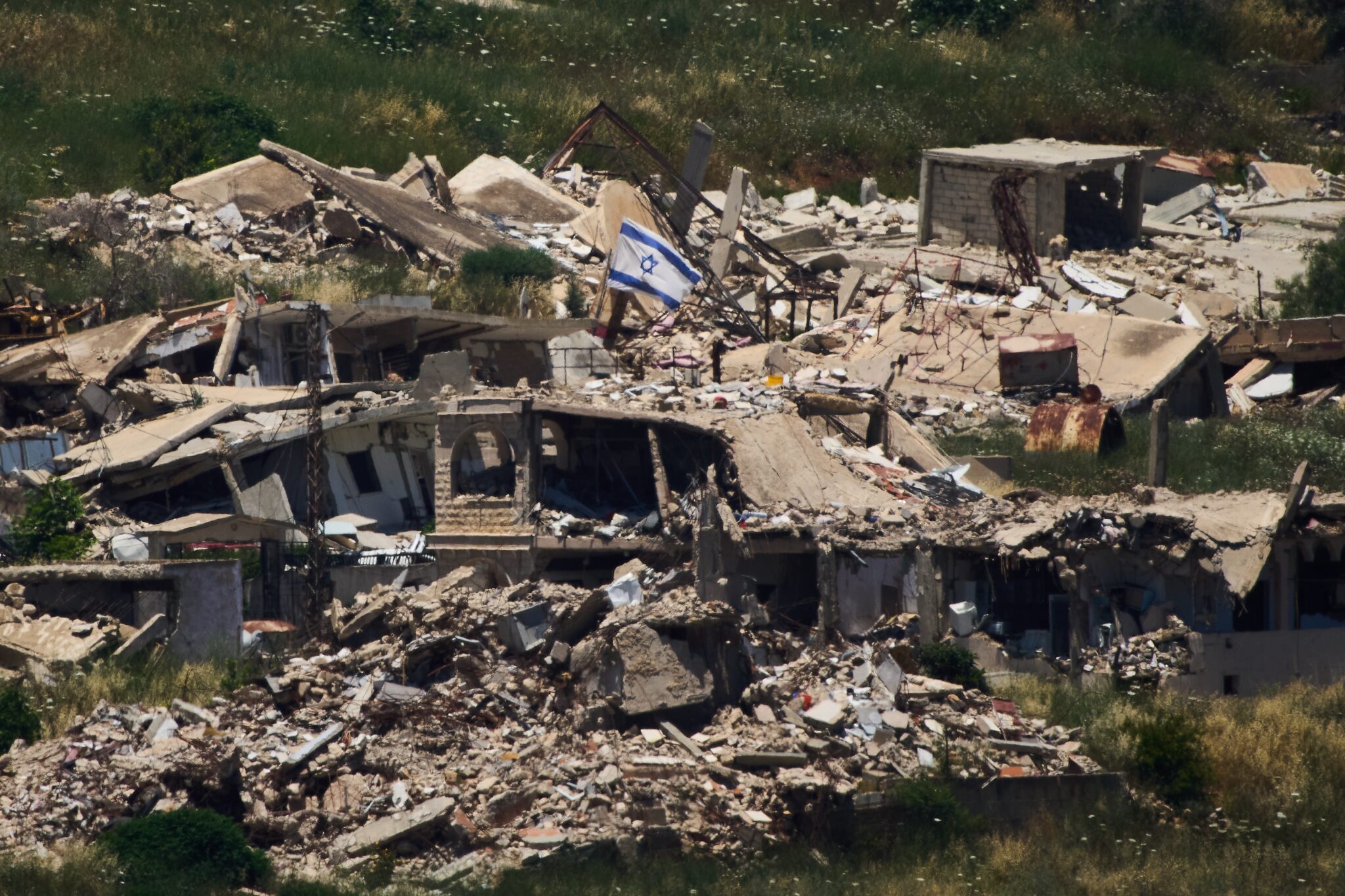
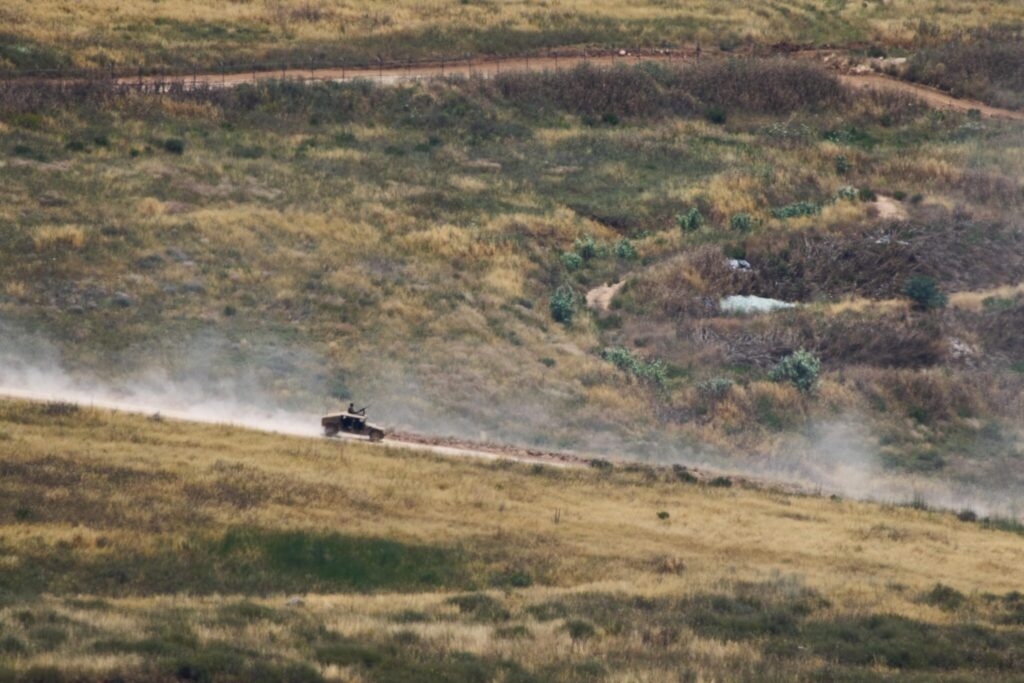
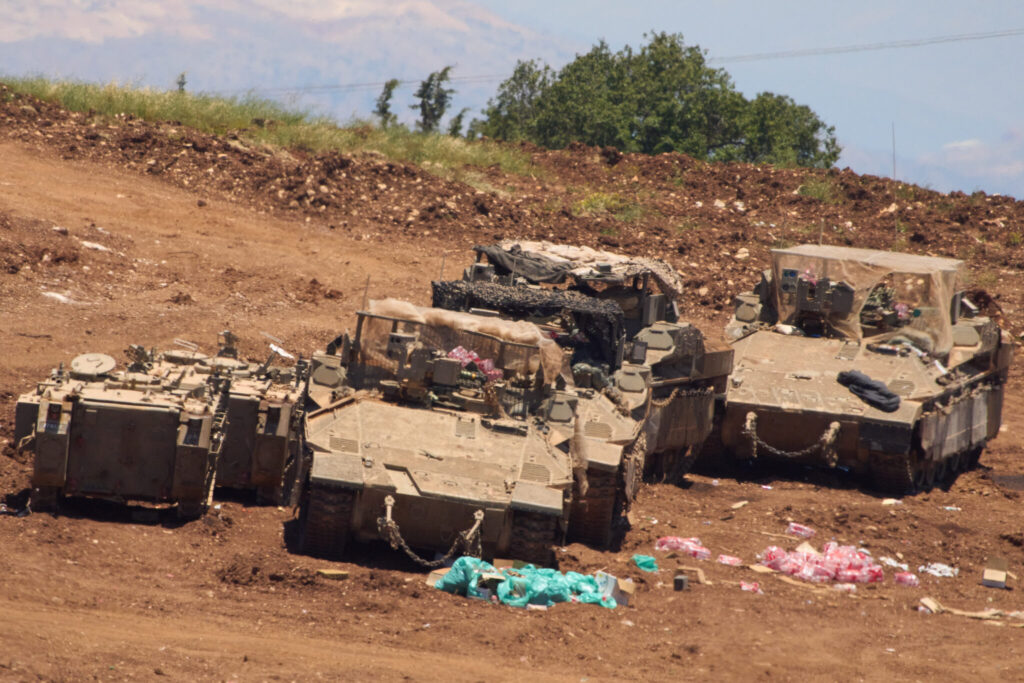
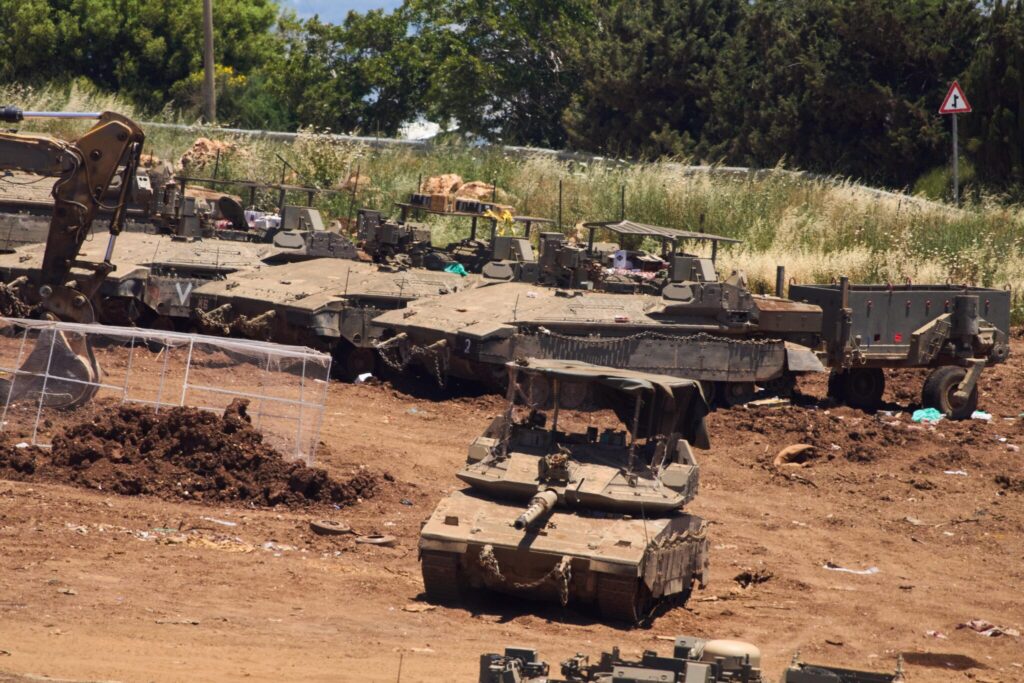
Since the conflict intensified, Israeli forces have expanded their operations deep into southern Lebanon, controlling substantial territory that had previously been under Hezbollah influence.
U.N. Peacekeeper Killed Amid Escalation
The deteriorating security situation was highlighted by the death of a Serbian peacekeeper serving with the United Nations Interim Force in Lebanon (UNIFIL).
According to UNIFIL and Serbia’s Defense Ministry, a mortar round struck the peacekeepers’ position near Marjayoun, killing one soldier and injuring two others.
Officials did not specify whether the mortar fire originated from Israeli forces or Hezbollah fighters.
The incident underscores the growing risks faced by international personnel operating in conflict zones throughout southern Lebanon.
Israeli Strikes Continue Across Lebanon
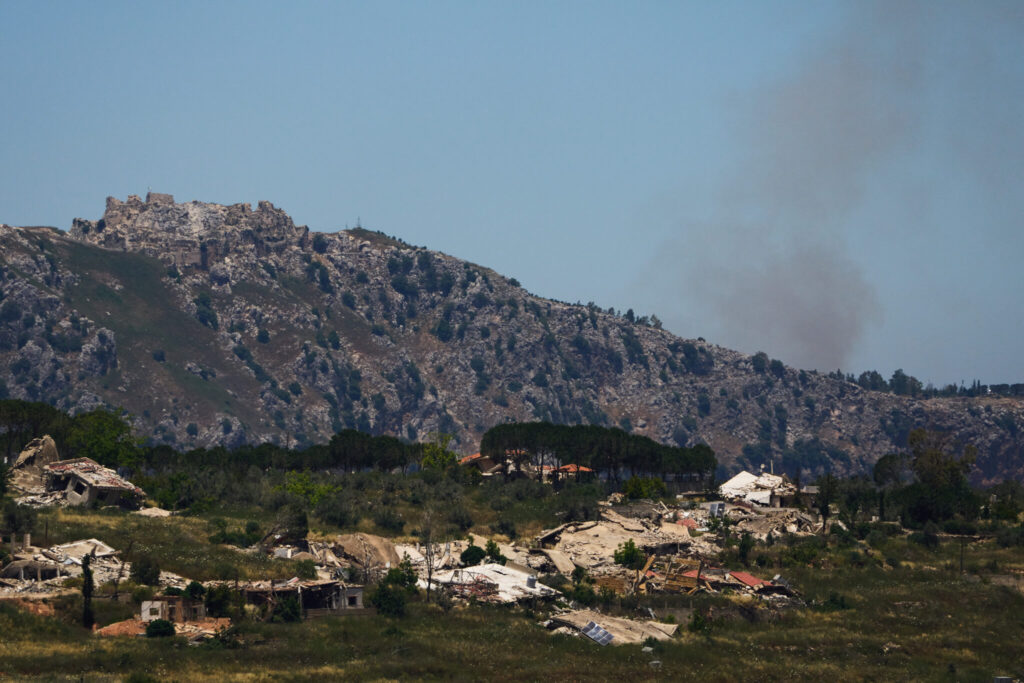
Lebanese authorities reported multiple Israeli strikes throughout the country on Thursday.
In the southern village of Maaroub, a drone strike reportedly killed a motorcyclist and wounded four others.
Additional airstrikes targeted Sohmor in the Bekaa Valley, where three people were reported killed and several others injured.
Lebanon’s National News Agency also reported strikes in other parts of southern Lebanon.
Israeli military officials did not immediately comment on the specific incidents but have repeatedly warned civilians against entering areas where military operations targeting Hezbollah infrastructure are ongoing.
Public Skepticism Over Repeated Ceasefires
Many Lebanese residents expressed little confidence in the latest ceasefire declaration.
In Sidon, residents described frustration with repeated announcements that have failed to end hostilities.
One resident, Mayada Hijazi, said:
“Every few days a ceasefire is announced, but people keep getting killed.”
Another resident, Salah Nassab, voiced similar concerns:
“It’s all talk and no action.”
He added:
“We keep going back to our homes and then we get displaced again, back and forth. We’re very tired.”
The comments reflect growing public exhaustion after months of violence and displacement.
Heavy Human Cost Of The Conflict
The latest conflict has exacted a severe toll on both sides.
Israeli forces have pushed deeper into southern Lebanon than at any point since the end of Israel’s occupation of southern Lebanon in 2000.
According to available figures:
- More than 3,500 people have been killed in Lebanon.
- Over 1.2 million people have been displaced.
- Twenty-seven Israeli soldiers have died.
- Three Israeli civilians have also been killed.
The humanitarian consequences continue to worsen as fighting persists.
U.S.-Brokered Agreement Faces Major Obstacles
The ceasefire proposal emerged from U.S.-mediated discussions involving Israel and the Lebanese government.
Lebanese authorities have increasingly criticized Hezbollah for drawing the country into a broader regional conflict and have sought to strengthen state control over security matters.
The proposed arrangement calls for Lebanese armed forces to assume responsibility for designated security zones where Hezbollah activity would be prohibited.
However, Hezbollah has consistently maintained that it will only comply with a ceasefire if Israeli military operations stop and Israeli troops begin withdrawing from Lebanese territory.
Lebanese President Joseph Aoun described the agreement as:
“the last chance to enter a final and comprehensive ceasefire.”
He indicated that implementation depends on consultations with Lebanese political and military stakeholders, including Hezbollah.
Iran Reiterates Demands
Iran continues to push for a comprehensive ceasefire in Lebanon as part of broader regional negotiations.
On Thursday, Revolutionary Guard Quds Force commander Esmail Qaani reiterated Tehran’s position, calling for Israel to withdraw forces to positions held before the wider conflict escalated.
He stated:
“Supporting the resistance in Lebanon is the duty of all of us, and eliminating Israel from the region is an achievable goal for Muslims.”
His remarks highlight the continued regional dimensions of the conflict.
Strait Of Hormuz Remains Central Concern
As diplomacy struggles to gain traction, tensions remain high around the Strait of Hormuz.
The strategic waterway remains effectively closed, disrupting global shipments of oil, natural gas, fertilizer, and other critical commodities.
The United States says its military actions are aimed at protecting commercial shipping and defending American personnel, while Iran continues to accuse Washington of aggression and has launched missile and drone attacks against Gulf nations hosting U.S. forces.
A recent strike on Kuwait’s commercial airport, which also serves U.S. military logistics operations, killed one person and injured more than 60 others. Iran has denied responsibility for the attack.
With Hezbollah rejecting the latest ceasefire framework and violence continuing on the ground, prospects for a durable peace agreement remain uncertain.