Israel And Lebanon Reach Full Ceasefire Deal Amid U.S. Mediation/ Newslooks/ WASHINGTON/ J. Mansour/ Morning Edition/ Israel and Lebanon have agreed to a full ceasefire under a U.S.-brokered framework that requires Hezbollah to halt attacks and withdraw south of the Litani River. The agreement follows two days of negotiations in Washington and aims to reduce tensions along the Israel-Lebanon border. The deal could also influence ongoing U.S.-Iran negotiations, as a Lebanon ceasefire has been one of Tehran’s key demands.
Israel Lebanon Ceasefire Agreement Quick Looks
- Israel and Lebanon agreed to implement a full ceasefire.
- Hezbollah must stop attacks and withdraw forces south of the Litani River.
- The agreement was mediated by U.S. officials in Washington.
- President Trump previously intervened to halt major Israeli strikes on Beirut.
- The deal establishes pilot security zones in southern Lebanon.
- Lebanese Armed Forces will assume exclusive control in designated areas.
- Israeli forces will withdraw from those pilot zones.
- Both governments pledged to continue direct negotiations.
- Another round of talks is scheduled for June 22 in Washington.
- The ceasefire could impact broader U.S.-Iran diplomatic negotiations.
Israel Lebanon Ceasefire Agreement Quick Looks
Israel And Lebanon Agree To Full Ceasefire Framework
Israel and Lebanon have agreed to implement a full ceasefire under a U.S.-brokered arrangement that conditions the agreement on Hezbollah ending attacks and withdrawing its operatives from areas south of the Litani River.
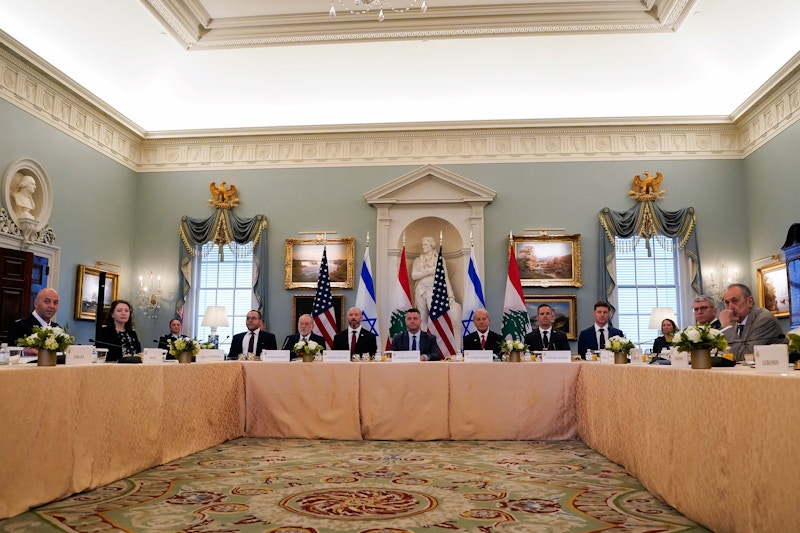
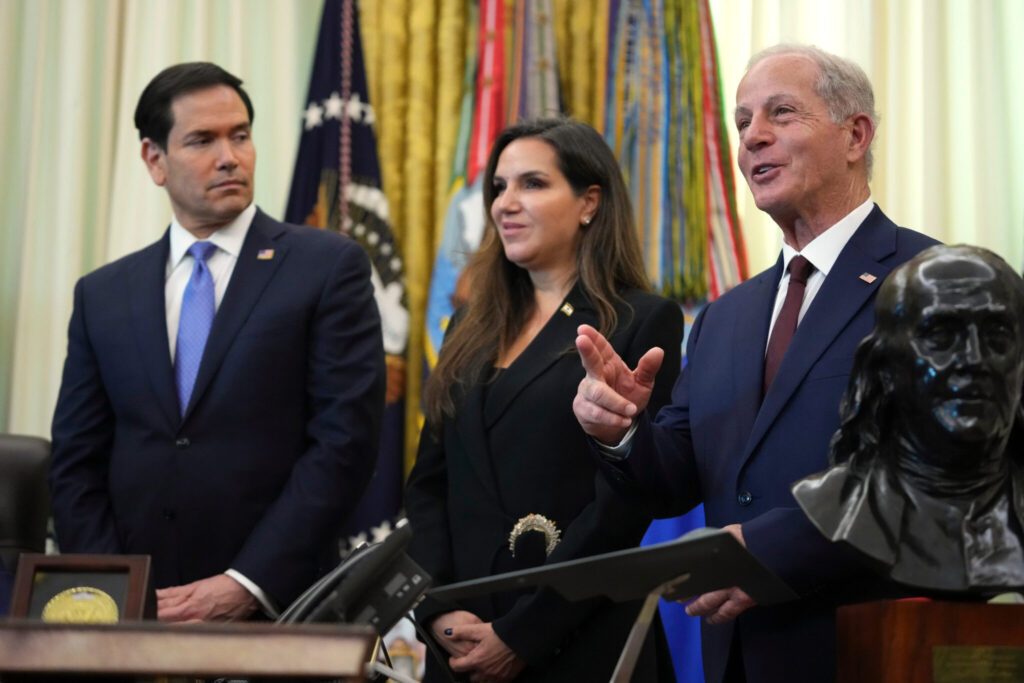
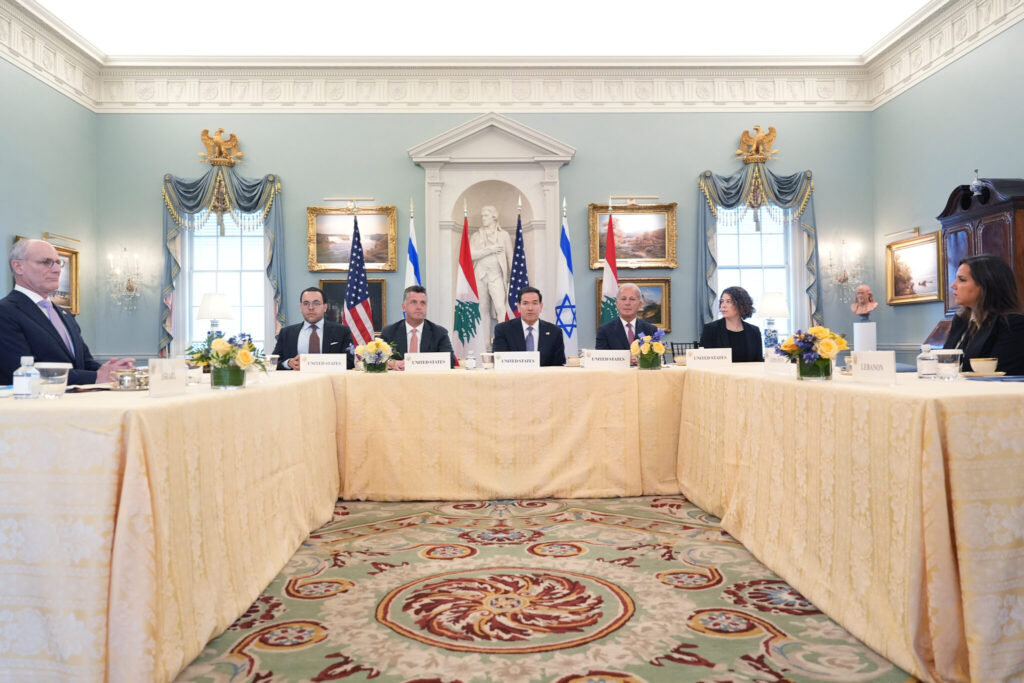
The announcement came in a joint statement issued by the United States, Israel, and Lebanon following two days of negotiations at the U.S. State Department.
The agreement represents a significant diplomatic step after months of escalating violence along the Israel-Lebanon border and could help ease broader regional tensions tied to the ongoing Iran conflict.
Hezbollah’s Response Remains Unclear
While Hezbollah previously indicated it would support a complete ceasefire, it was not immediately clear whether the Iranian-backed group would formally accept all conditions outlined in the new agreement.
The militia’s response is being closely watched because implementation of the ceasefire depends heavily on Hezbollah halting military operations and withdrawing personnel from designated areas in southern Lebanon.
A ceasefire in Lebanon has also been a central demand from Iranian officials during negotiations with the Trump administration regarding a broader regional settlement.
Trump Intervention Helped Shape Agreement
The diplomatic breakthrough followed direct intervention by President Donald Trump earlier this week.
On Monday, Trump reportedly urged Israeli Prime Minister Benjamin Netanyahu to abandon plans for large-scale strikes on Beirut after Hezbollah launched drone and missile attacks against Israeli targets.
Trump had previously announced a limited ceasefire arrangement under which Israel agreed to refrain from striking Beirut while Hezbollah stopped attacks against Israeli communities near the border.
Despite that understanding, Hezbollah carried out several drone attacks against Israeli targets during the following two days, highlighting the fragile nature of the ceasefire efforts.
Pilot Security Zones Planned In Southern Lebanon
According to the joint statement, Israel and Lebanon agreed to establish a series of pilot security zones in southern Lebanon.
Under the framework:
- The Lebanese Armed Forces will assume exclusive control over designated areas.
- Hezbollah fighters and military infrastructure will be removed from those zones.
- Israeli Defense Forces will withdraw from the same areas.
- Security arrangements will be monitored as confidence-building measures.
The parties stated:
“These steps will enable progress towards a comprehensive peace and security agreement.”
Officials hope the pilot zones can serve as a foundation for broader stabilization efforts across southern Lebanon.
Commitment To Future Negotiations
The joint statement emphasized that both governments remain committed to resolving disputes through diplomacy.
“All countries reaffirmed that the future of the relationship between Israel and Lebanon must be decided by the two sovereign governments.”
The statement further stressed:
“They rejected any attempt, by any state or non-state actor, to hold Lebanon’s future hostage.”
Israel and Lebanon also pledged to continue direct discussions aimed at building trust and addressing unresolved issues.
Talks To Continue In Washington
As part of the agreement, both countries committed to another round of negotiations scheduled for June 22 in Washington, D.C.
The statement noted that Israel and Lebanon:
“reaffirmed that they have no hostile intent toward one another and committed to continuing direct negotiations to build confidence, resolve all outstanding issues, and work toward a comprehensive agreement between the two countries.”
Diplomats view the upcoming talks as a key opportunity to determine whether the ceasefire can evolve into a longer-term security arrangement and potentially contribute to wider regional stability.
Deep Look
The new ceasefire agreement between Israel and Lebanon marks one of the most significant diplomatic developments in the region since fighting intensified along the northern Israeli border. Brokered by the United States after intensive discussions in Washington, the framework seeks to halt cross-border attacks while creating conditions for broader negotiations between the two neighboring countries.
At the center of the deal is a requirement that Hezbollah end military operations against Israel and withdraw personnel from territory south of the Litani River. In exchange, Israel has agreed to pull military forces from designated pilot zones where the Lebanese Armed Forces will take sole responsibility for security.
The agreement follows days of heightened tensions, including Israeli airstrikes in southern Lebanon and Hezbollah drone attacks into Israeli territory. The risk of a wider regional confrontation had grown substantially, particularly as fighting between Israel and Iran-backed groups threatened to complicate broader diplomatic efforts involving Tehran.
President Trump played a notable role in the negotiations by pressuring Israeli leadership to avoid a large-scale military escalation in Beirut. His administration has simultaneously been engaged in talks with Iran over issues ranging from regional security to maritime access through the Strait of Hormuz.
Because Iran has consistently linked progress in negotiations to a ceasefire in Lebanon, successful implementation of this agreement could have implications beyond the Israel-Lebanon border. Regional observers believe it may create additional momentum for diplomatic engagement across the Middle East.
However, the durability of the agreement remains uncertain. Hezbollah’s formal acceptance of the terms has not yet been confirmed, and previous ceasefire arrangements have broken down amid mutual accusations of violations.
The pilot security zones are designed to test whether local stability can be maintained while reducing direct confrontation between Hezbollah and Israeli forces. If successful, the model could be expanded into other areas of southern Lebanon.
The June 22 talks in Washington will likely serve as the next major benchmark. Negotiators hope those discussions can transform the current ceasefire into a broader framework addressing long-standing security concerns, border tensions, and future relations between Israel and Lebanon.