Judge Refuses to Block Trump Order to Limit Mail Voting/ Newslooks/ WASHINGTON/ J. Mansour/ Morning Edition/ A federal judge declined to temporarily block Donald Trump’s executive order aimed at limiting mail voting and creating a federal voter eligibility list. The ruling does not immediately affect upcoming midterm elections because the order has not yet been implemented. Civil rights groups and Democrats say they will continue challenging the order in court.
Trump Mail Voting Order Quick Looks
- Federal judge declines emergency injunction.
- Trump order targets mail voting procedures.
- Proposed voter eligibility list remains unimplemented.
- No immediate effect on 2026 midterms.
- Democrats argue order is unconstitutional.
- Civil rights groups preparing further lawsuits.
- USPS ballot delivery changes remain uncertain.
- Separate legal challenge underway in Boston.
- Trump continues criticizing mail voting.
- Previous election order already partially blocked.
Deep Look
Judge Refuses to Halt Trump Election Order
A federal judge in Washington declined to temporarily block Donald Trump’s executive order that seeks sweeping changes to U.S. election administration, including restrictions on mail voting and the creation of a federal voter eligibility database.
Carl Nichols, a Trump-appointed federal judge, ruled Wednesday that the request from Democrats and civil rights organizations came too early because the administration has not yet implemented the order.
The decision allows the administration to continue preparing the directive while legal battles move forward.
No Immediate Changes for Midterm Elections
Despite the ruling, there is currently no immediate impact on the upcoming 2026 midterm elections.
Primary elections are already underway in several states, and election officials say no new procedures tied to the order are expected to take effect before voting begins.
“The Court recognizes that the Postal Service may ultimately issue a final rule that directly affects Plaintiffs or their members, or that the Government may develop State Citizenship Lists that omit specific individuals due to particularized flaws.”
He added:
“Plaintiffs may, of course, renew their motions if and when those future actions occur. Until then, however, Plaintiffs cannot show that preliminary injunctive relief is warranted.”
Executive Order Targets Mail Voting
Trump issued the executive order in March after election legislation backed by his administration stalled in Congress.
The order directs the federal government to:
- Create a national voter eligibility list
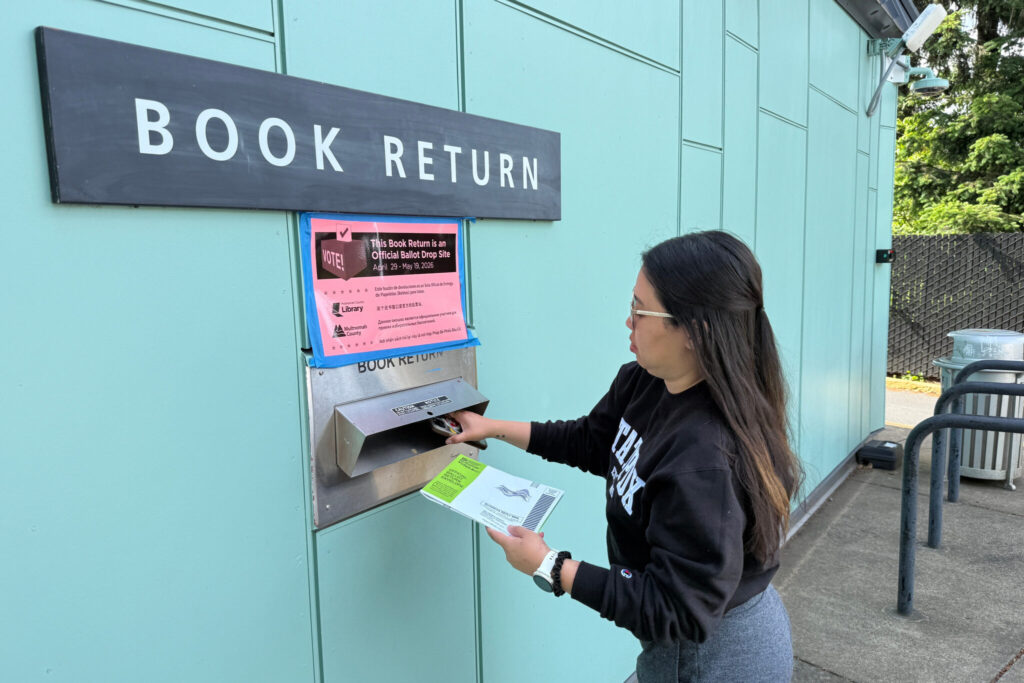
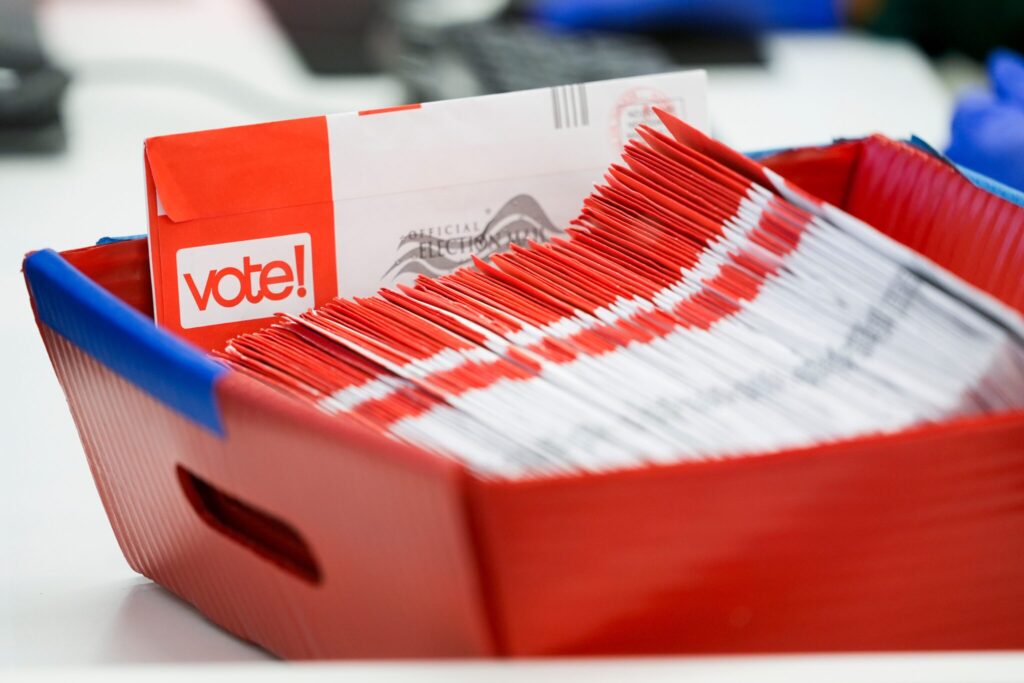
- Restrict mail ballot delivery to voters appearing on that list
- Increase federal oversight of election administration
Election officials and voting-rights groups argue the proposal could create confusion and disenfranchise eligible voters.
The United States Postal Service and postal worker unions have also raised concerns about mail carriers becoming involved in ballot eligibility enforcement.
Civil Rights Groups Promise Continued Challenges
Organizations challenging the order argue the U.S. Constitution gives election authority primarily to:
- States
- Congress
—not the president.
League of United Latin American Citizens CEO Juan Proaño said opponents are prepared to return to court if implementation advances.
“We are ready to resume the fight if and when the administration takes those next steps,” Proaño said.
A separate lawsuit challenging the executive order remains active in Boston federal court.
Trump Continues Attacking Mail Voting
Since losing the 2020 presidential election to Joe Biden, Trump has repeatedly claimed mail voting is vulnerable to widespread fraud.
Numerous audits, recounts and investigations — including reviews conducted by Republican-led states — found no evidence of widespread fraud that would have altered the election outcome.
Trump has nevertheless continued pushing for tighter election controls and has publicly said he wants to “take over” election administration in Democratic-led areas.
Previous Election Order Already Blocked
This is Trump’s second major election-related executive order during his second term.
An earlier order seeking to require documentary proof of citizenship for voter registration has already been blocked by multiple federal judges.
That earlier directive also faced criticism from:
- Voting-rights organizations
- Election officials
- Constitutional law experts
Who argued the administration was exceeding presidential authority.
Legal and Political Battles Likely to Continue
The latest ruling ensures the legal fight over federal election powers will continue heading into the 2026 midterms.
Key unresolved questions include:
- Whether the federal government can create voter eligibility databases
- How mail ballots would be regulated
- Whether states must comply with federal directives
- How courts interpret presidential authority over elections
The outcome could significantly shape future election administration nationwide.