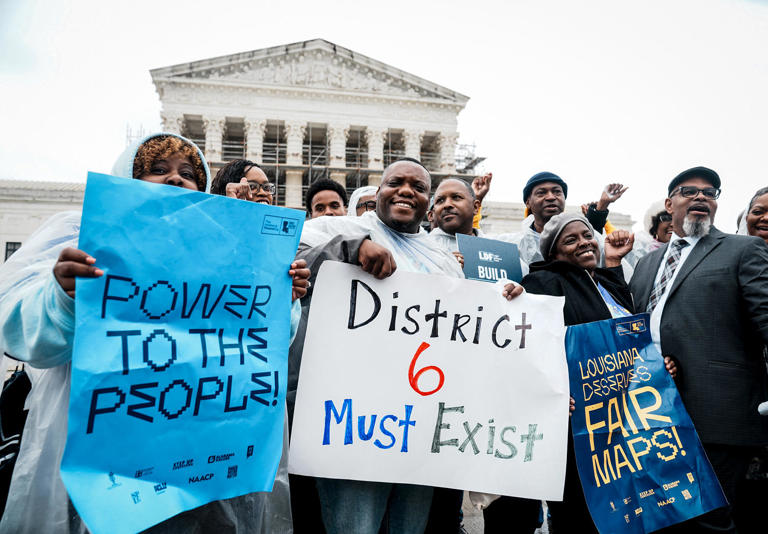
Louisiana Republicans Advance Plan Removing Majority-Black House District/ Newslooks/ WASHINGTON/ J. Mansour/ Morning Edition/ Louisiana Republicans advanced a congressional map that would eliminate one of the state’s two majority-Black U.S. House districts. The proposal follows recent Supreme Court rulings that weakened protections under the Voting Rights Act. Democrats and civil rights advocates argue the plan threatens Black voter representation and political fairness.
Louisiana Redistricting Quick Looks
- Louisiana Republicans advanced a new congressional map
- The proposal would remove one majority-Black district
- The move follows recent Supreme Court voting-rights rulings
- Democrats say the map weakens Black voter influence
- Republicans argue the districts better follow legal standards
- Gov. Jeff Landry delayed congressional primaries for redistricting
- National redistricting battles are expanding across multiple states
- Republicans hope new maps could increase House seats nationally
Deep Look
Louisiana Republicans Push Major Redistricting Shift
Republican lawmakers in Louisiana advanced a controversial congressional redistricting plan Wednesday that would eliminate one of the state’s two majority-Black congressional districts.
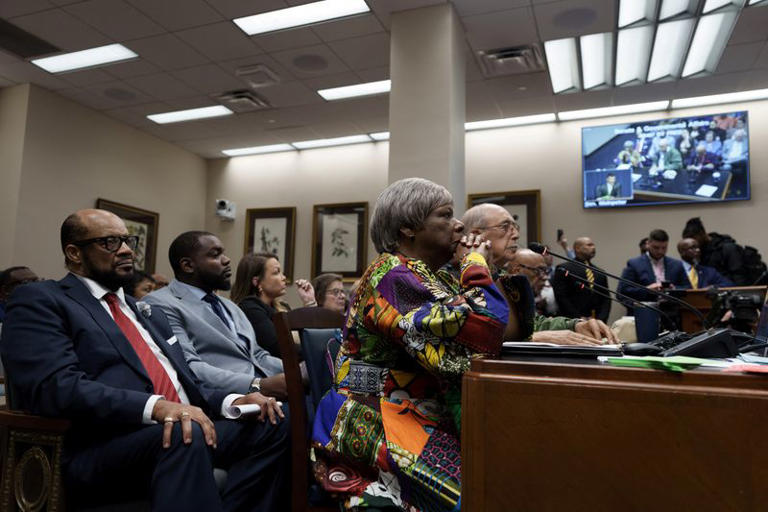
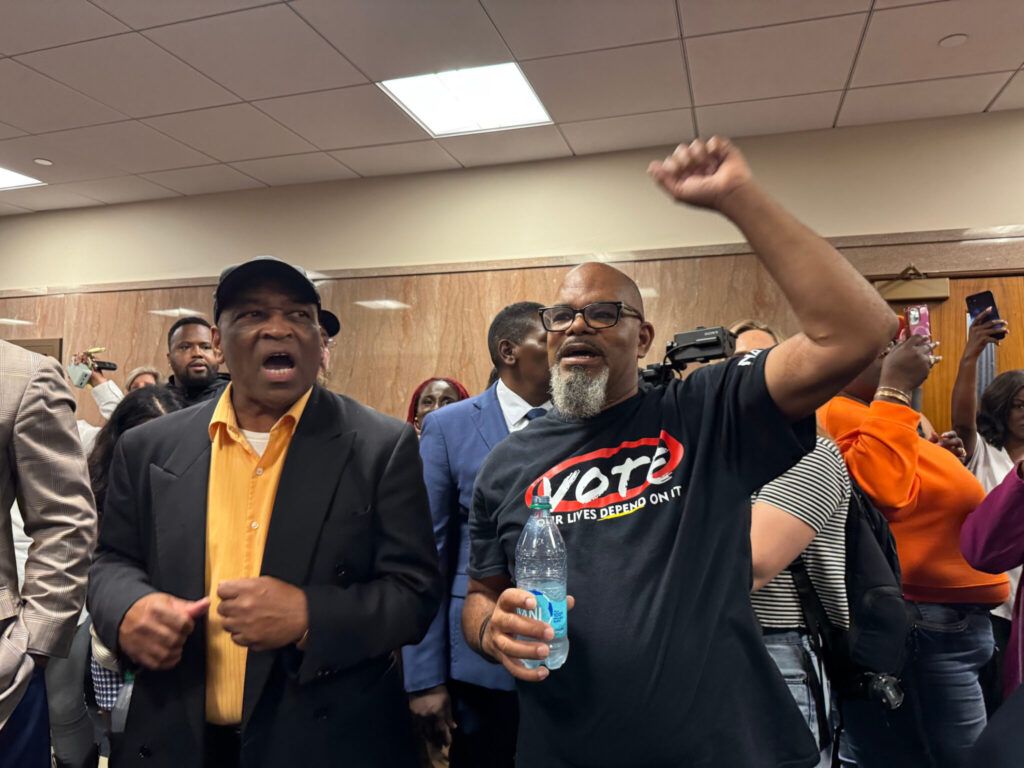
The proposal moved forward after an early morning vote by a Louisiana Senate committee following hours of emotional public testimony from Black residents, voting-rights advocates, and Democratic lawmakers opposed to the changes.
The new map follows a recent U.S. Supreme Court ruling that struck down Louisiana’s current congressional districts as an unconstitutional racial gerrymander.
If approved, the plan could significantly reshape Louisiana’s political landscape and reduce Democratic representation in the state’s congressional delegation.
Proposed Map Would Reshape Cleo Fields’ District
Under the proposal, Louisiana would keep a New Orleans-based majority-Black district represented by Democratic Congressman Troy Carter.
However, the plan would dramatically alter the current 6th Congressional District represented by Democratic Congressman Cleo Fields.
The existing district stretches from Baton Rouge to Shreveport and was specifically designed to create a second majority-Black district where Black voters could elect candidates of their choice.
Republican state Sen. Jay Morris, who sponsored the revised map, argued the new proposal largely restores congressional boundaries similar to those used in 2022.
That earlier map resulted in five Republican-held seats and one Democratic seat statewide.
Morris said the revised districts better comply with the Supreme Court’s recent rulings limiting the use of race in congressional map drawing.
Supreme Court Decisions Changed Legal Landscape
The battle over Louisiana’s congressional map is part of a much broader national fight over redistricting and voting rights.
A federal court originally struck down Louisiana’s 2022 map for violating the Voting Rights Act because it created only one majority-Black district despite Black residents making up roughly one-third of the state’s population.
Then in 2023, the U.S. Supreme Court ruled that Alabama had to create a second majority-Black congressional district under the Voting Rights Act.
In response, Louisiana lawmakers approved a revised map creating a second majority-Black district, which was used during the 2024 elections.
But that revised map was challenged again, and last month the Supreme Court ruled that Louisiana had relied too heavily on race in designing the district boundaries.
The Court later issued a similar decision overturning an Alabama judicial order requiring two majority-Black congressional districts there as well.
The rulings significantly weakened federal protections previously used to preserve minority voting representation in Southern states.
Republicans Across South Seek New Maps
Louisiana’s move reflects a larger Republican effort unfolding across several Southern states after the Supreme Court’s recent decisions.
Republican lawmakers in Tennessee and Alabama have already approved revised congressional maps that could help the GOP gain additional House seats.
A similar effort stalled recently in South Carolina.
The broader redistricting battle intensified after President Donald Trump encouraged Texas Republicans last year to redraw congressional maps to help Republicans expand their House majority before the 2026 midterm elections.
Democratic-led states such as California have also pursued new maps designed to improve their own political advantages.
Republicans estimate recent redistricting efforts in states including Texas, Florida, Ohio, North Carolina, Tennessee, Missouri, and Alabama could produce as many as 15 additional Republican-friendly congressional seats nationwide.
Democrats believe their own map changes in California and Utah could generate several additional favorable districts.
Democrats Warn Black Representation Is Threatened
During committee hearings, Democratic lawmakers and many Black residents strongly criticized the proposed Louisiana map.
Opponents argued lawmakers could comply with the Supreme Court’s rulings while still preserving two districts where Black voters retain meaningful electoral influence.
Many speakers framed the debate as part of a longer historical struggle over civil rights and equal political representation in Louisiana.
As testimony stretched late into the night, high school student Josiah Hardy addressed lawmakers directly.
“My great-grandfather believed democracy is stronger when more people are included, not excluded,” Hardy said. “Further generations should not have to keep fighting the same battles for fairness and voting rights that leaders before us have already fought.”
Civil rights advocates argue the proposal risks diluting Black voting power and reducing minority influence in Congress.
Governor Delays Primaries for Redistricting Process
Republican Gov. Jeff Landry postponed Louisiana’s congressional primaries, originally scheduled for Saturday, to allow lawmakers additional time to finalize new district boundaries.
The Louisiana Senate could vote on the revised map as early as Thursday.
If approved, the proposal is likely to face additional legal challenges from voting-rights groups and Democratic organizations.
The outcome could also influence redistricting disputes nationwide as courts continue redefining the relationship between race, voting rights, and congressional district boundaries.
National Redistricting Battle Intensifies
The Louisiana fight has become part of one of the largest nationwide redistricting battles in decades.
Approximately one-third of U.S. states have engaged in redrawing congressional districts over the past year.
The conflicts reflect growing partisan competition for control of the U.S. House ahead of the 2026 elections.
Both parties increasingly view redistricting as one of the most important tools for shaping congressional power.
At the center of the debate are fundamental questions about race, fairness, representation, and how courts should balance protections for minority voters against constitutional restrictions on race-based districting.
Voting Rights Debate Remains Unresolved
The latest developments highlight how unresolved the national debate over voting rights remains more than half a century after passage of the Voting Rights Act.
Supporters of the Louisiana proposal argue lawmakers are following the Supreme Court’s instructions to avoid race-dominated district boundaries.
Opponents argue the new approach weakens decades of civil-rights protections designed to ensure minority voters have meaningful political representation.
As additional states continue revisiting congressional maps, the legal and political battles surrounding race and representation are expected to intensify further heading into the 2026 midterm elections.