

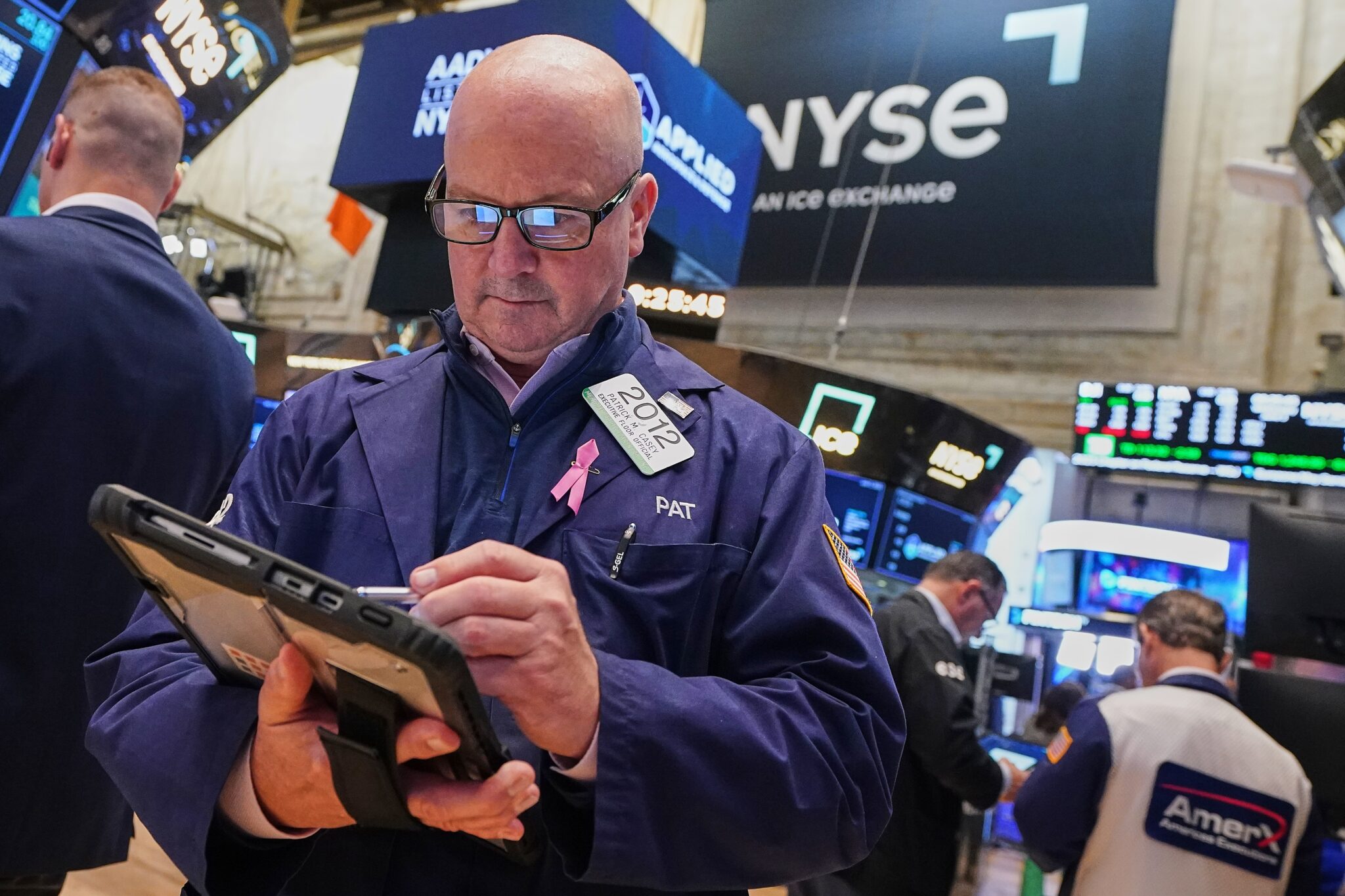
Stocks Surge and Oil Falls After US-Iran Deal Boosts Markets/ Newslooks/ WASHINGTON/ J. Mansour/ Morning Edition/ Global stock markets rallied while oil prices fell after the U.S. and Iran reached a tentative agreement to reopen the Strait of Hormuz. Investors welcomed hopes of easing inflation and lower energy costs following months of conflict. The agreement remains tentative, with major negotiations over Iran’s nuclear program still ahead.

US-Iran Deal Market Rally Quick Looks
- Global stocks surged after the U.S. and Iran announced a tentative agreement.
- Oil prices dropped sharply as hopes grew for reopening the Strait of Hormuz.
- Wall Street gained across major indexes, led by technology and travel stocks.
- AI companies extended their rally as investor confidence returned.
- Treasury yields eased amid expectations of lower inflation pressures.
- Markets remain cautious as broader negotiations continue.
- The Federal Reserve’s interest-rate decision later this week remains in focus.
Deep Look
Global Markets Rally After US-Iran Breakthrough
Financial markets around the world surged Monday after the United States and Iran reached a tentative agreement aimed at extending their ceasefire and reopening the Strait of Hormuz, a crucial artery for global energy supplies.
Investors interpreted the breakthrough as a potential turning point in a conflict that has fueled inflation and disrupted international trade for more than three months.
On Wall Street, optimism sent major indexes sharply higher during early trading.
The S&P 500 climbed 1.5%, while the Dow Jones Industrial Average gained more than 600 points. The Nasdaq Composite rose 2.3%, reflecting strong demand for technology and artificial intelligence stocks.
The rally reflected hopes that easing tensions in the Middle East could help stabilize prices for energy, food, and other essential goods worldwide.
Oil Prices Drop as Strait of Hormuz Reopening Nears
One of the biggest market reactions came in energy markets.
Brent crude oil prices fell 4.8% to $83.18 per barrel, retreating from recent highs above $100 reached during the conflict. However, prices remain above pre-war levels near $70 per barrel.
The Strait of Hormuz is among the world’s most important shipping routes, carrying roughly one-fifth of global oil and natural gas supplies before hostilities disrupted traffic.
The agreement aims to restore shipping flows and ease the global energy crisis, though implementation may take time.
Iran confirmed the agreement but signaled that implementation would not begin until the deal is formally signed in Switzerland later this week.
Broader negotiations concerning Iran’s nuclear program are expected to continue for at least 60 days, leaving room for setbacks that could still affect markets.
Travel and AI Stocks Lead Wall Street Gains
Companies with significant fuel expenses were among the biggest winners as falling oil prices improved profit expectations.
Shares of major airlines rose sharply:
- United Airlines jumped 5.2%
- American Airlines gained 7%
- Carnival climbed 5.7%
Artificial intelligence stocks also extended their recent rally after weeks of volatility.
Micron Technology surged 7.8%, while Advanced Micro Devices advanced 7%. Nvidia rose 2.7%, providing one of the largest boosts to the broader market due to its massive market value.
Investor enthusiasm for AI remained strong following the recent public debut of SpaceX.
SpaceX shares gained another 5.4% in their second trading day, pushing the company’s valuation above $2.1 trillion and making it larger than several iconic corporations combined.
Bond Markets Signal Inflation Relief
The agreement also affected bond markets as investors adjusted expectations for inflation and monetary policy.
The yield on the 10-year U.S. Treasury note eased to 4.45% from 4.48% late Friday, reflecting hopes that lower energy prices could reduce inflationary pressures.
Central banks worldwide have struggled to contain rising prices during the conflict.
Higher oil prices contributed to increased costs for transportation, manufacturing, food production, and fertilizers, affecting consumers across the globe.
Lower energy prices could reduce the need for further interest-rate hikes, offering relief to businesses and households.
Federal Reserve Decision Comes Into Focus
Attention now turns to the Federal Reserve’s upcoming policy meeting later this week.
The Fed is expected to announce its latest interest-rate decision Wednesday under its new chair, Kevin Warsh, who was nominated by President Donald Trump.
Although traders widely expect the central bank to keep rates unchanged, expectations for future policy have shifted following the Iran agreement.
According to CME Group data, market expectations for an interest-rate hike this year have fallen to 55%, down from 71% just a week ago.
The decline suggests investors believe easing tensions in the Middle East may help curb inflation without requiring additional tightening by central banks.
Asian and European Markets Join the Rally
The optimism extended beyond Wall Street.
Japan’s Nikkei 225 surged 5% to a record high as foreign investors poured money into the market amid expectations of reduced geopolitical risk.
South Korea’s Kospi climbed even higher, advancing 5.2% as technology giants such as Samsung Electronics continued their rally.
Takashi Hiroki, chief strategist at Monex, summed up investor sentiment by saying: “This is great news.”
He added: “Buying by foreign investors is leading the market with expectations of easing tensions around the situation in the Middle East.”
Despite the rally, investors remain aware that significant challenges remain before a lasting peace agreement is achieved.
As markets celebrate the prospect of lower oil prices and reduced geopolitical tensions, the coming weeks of negotiations will determine whether optimism turns into lasting stability.





You must Register or Login to post a comment.