Treasury Tells Banks to Watch for Immigration-Related Financial Red Flags/ Newslooks/ WASHINGTON/ J. Mansour/ Morning Edition/ The Treasury Department is urging banks to monitor financial activity linked to unauthorized workers and potential immigration-related fraud. A new FinCEN advisory highlights warning signs involving identity theft, payroll tax fraud and money laundering. The move follows a Trump administration executive order encouraging banks to pay closer attention to customer citizenship status.
Immigration Banking Red Flags Quick Looks
- Treasury issued new guidance through FinCEN.
- Banks are being asked to monitor suspicious payroll schemes.
- Advisory focuses on unauthorized workers and related fraud.
- Potential concerns include identity theft and tax fraud.
- Financial institutions are urged to identify money laundering risks.
- Guidance follows President Trump’s May executive order.
- Banks are not required to collect citizenship information.
- Industry lobbying helped prevent a mandatory reporting requirement.
- Treasury says illegal immigration-related schemes can exploit financial institutions.
- More than a dozen warning signs were outlined in the advisory.
Immigration Banking Red Flags Deep Look
The Trump administration has taken another step in its broader immigration enforcement strategy by asking financial institutions to pay closer attention to transactions and employment schemes involving people living in the United States illegally.
On Friday, the Treasury Department’s Financial Crimes Enforcement Network (FinCEN) released a new advisory directing banks to watch for suspicious activity connected to unauthorized workers, including potential identity theft, payroll tax fraud and money laundering operations.
The guidance is intended to help financial institutions identify and report financial crimes that may be associated with unlawful employment practices and immigration-related fraud.
FinCEN Issues New Advisory
FinCEN, the Treasury Department agency responsible for combating financial crimes, outlined a series of warning signs that banks should monitor when reviewing customer transactions and account activity.
The advisory identifies more than a dozen potential “red flags” that may indicate illegal employment schemes or other financial misconduct.
Among the concerns highlighted are:
- Identity theft used to obtain employment.
- Payroll tax fraud.
- Money laundering activities.
- Financial arrangements designed to conceal unauthorized workers.
- Suspicious transactions linked to labor-related payment schemes.
Financial institutions are encouraged to evaluate unusual account behavior and report potentially suspicious activity through existing compliance channels.
Executive Order Expands Focus on Banking System
The advisory follows an executive order signed by President Donald Trump in May that directs regulators and government agencies to examine how individuals without legal status interact with the U.S. financial system.
Under the order, federal regulators are encouraged to look for signs that undocumented immigrants may be opening bank accounts, obtaining loans or accessing credit products.
However, the final version of the order stopped short of requiring banks to collect citizenship or immigration-status information from customers.
Earlier reports had suggested the White House was considering a more aggressive policy that would have made citizenship verification mandatory across the banking sector.
Instead, the administration chose a guidance-based approach.
Treasury Defends the Measure
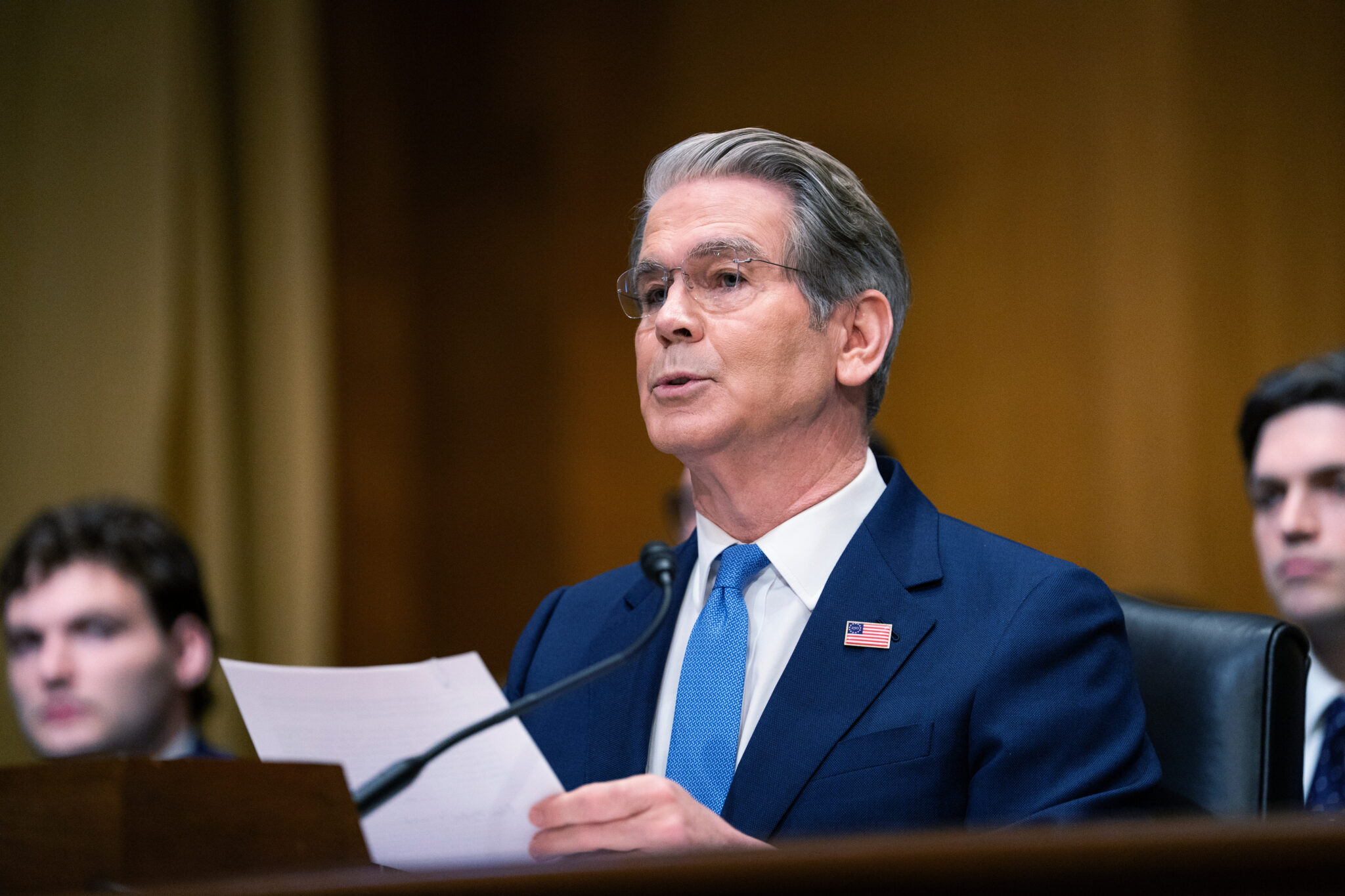
Treasury Secretary Scott Bessent said the administration is focused on preventing abuse of financial institutions and protecting taxpayers from fraud.
“The Trump administration will not allow illegal aliens to abuse financial institutions to steal billions of dollars from hardworking American taxpayers.”
He added:
“Schemes to pay unlawful workers often rely upon access to the U.S. financial system, including U.S. banks.”
Administration officials argue that closer monitoring can help uncover criminal activity tied to unauthorized employment and tax evasion.
Banking Industry Avoids New Mandate
The banking industry had strongly opposed proposals that would have required institutions to collect citizenship information from all customers.
Industry groups argued that such a mandate would create significant compliance burdens, increase costs and require major changes to account-opening procedures.
Because banks historically have not gathered citizenship or immigration-status information, there is limited public data regarding the extent of any risks associated with these customer groups.
The final executive order reflects a compromise approach that provides guidance and oversight expectations without imposing a blanket requirement on financial institutions.
Potential Impact
While the advisory does not require banks to close accounts or deny services based on immigration status, it signals increased federal scrutiny of financial activity connected to unauthorized workers.
The guidance may result in more suspicious activity reports being filed by banks and could discourage some individuals living in the country illegally from using mainstream financial services.
Financial institutions are expected to review the advisory and incorporate its recommendations into existing anti-money laundering and fraud detection programs.