Trump Admin Defends Sending Ebola-Exposed Americans To Kenya/ Newslooks/ WASHINGTON/ J. Mansour/ Morning Edition/ The Trump administration is defending its decision to send Americans exposed to Ebola to a new quarantine facility in Kenya instead of bringing them back to the United States. Officials say the move is designed to speed access to care and reduce transportation times during the growing outbreak in Central Africa. The policy marks a significant departure from previous Ebola responses and has sparked criticism from public health experts and diplomats.
Ebola Response Kenya Facility Quick Looks
- U.S. officials plan to send Ebola-exposed Americans to Kenya.
- The policy differs from previous Ebola outbreaks.
- A new facility is being established at Laikipia Air Base.
- Fifty quarantine beds will initially be available.
- Americans who become ill may later be transported to Europe.
- Public health experts have criticized the decision.
- The administration says the move is based on medical logistics.
- Kenya’s government has approved the plan.
- The current Ebola outbreak has infected more than 1,000 suspected cases.
- The Bundibugyo strain currently has no licensed vaccine or treatment.

Deep Look
Administration Defends New Ebola Quarantine Strategy
WASHINGTON — Trump administration officials are defending a controversial decision to send Americans exposed to Ebola to a newly established quarantine facility in Kenya rather than transporting them directly back to the United States.
The policy represents a major shift from previous Ebola outbreaks, when infected or potentially exposed Americans were often returned to specialized treatment centers in the United States for monitoring and care.
Officials insist the new approach is based on medical logistics and patient care considerations rather than politics or border restrictions.
Kenya Facility Chosen To Speed Care
According to administration officials, Americans exposed to Ebola in the current outbreak centered in the Democratic Republic of the Congo will be quarantined at a facility located at Kenya’s Laikipia Air Base.
The administration argues that the location allows for faster transportation and access to treatment compared with lengthy flights back to the United States.
“These decisions were made to make sure we provide the best care, optimize what can be done for our American citizens who are overseas,” one senior administration official said.
Officials stated that individuals who become symptomatic while in Kenya would likely be transferred to medical facilities in Europe for advanced treatment.
Departure From Previous Ebola Responses
The decision has generated significant debate because it differs from how previous Ebola outbreaks were handled.
During the 2014-2016 West African Ebola epidemic, infected Americans were transported back to specialized medical centers in the United States. One of the physicians involved in that outbreak, Dr. Craig Spencer, criticized the administration’s new approach.
Spencer argued that sending Americans to Kenya rather than bringing them home represented a failure to support citizens serving in dangerous public health missions abroad.
The American Foreign Service Association also objected to the policy, asserting that U.S. personnel exposed to Ebola have a right to return home for care.
Rubio Signals Tough Border Position
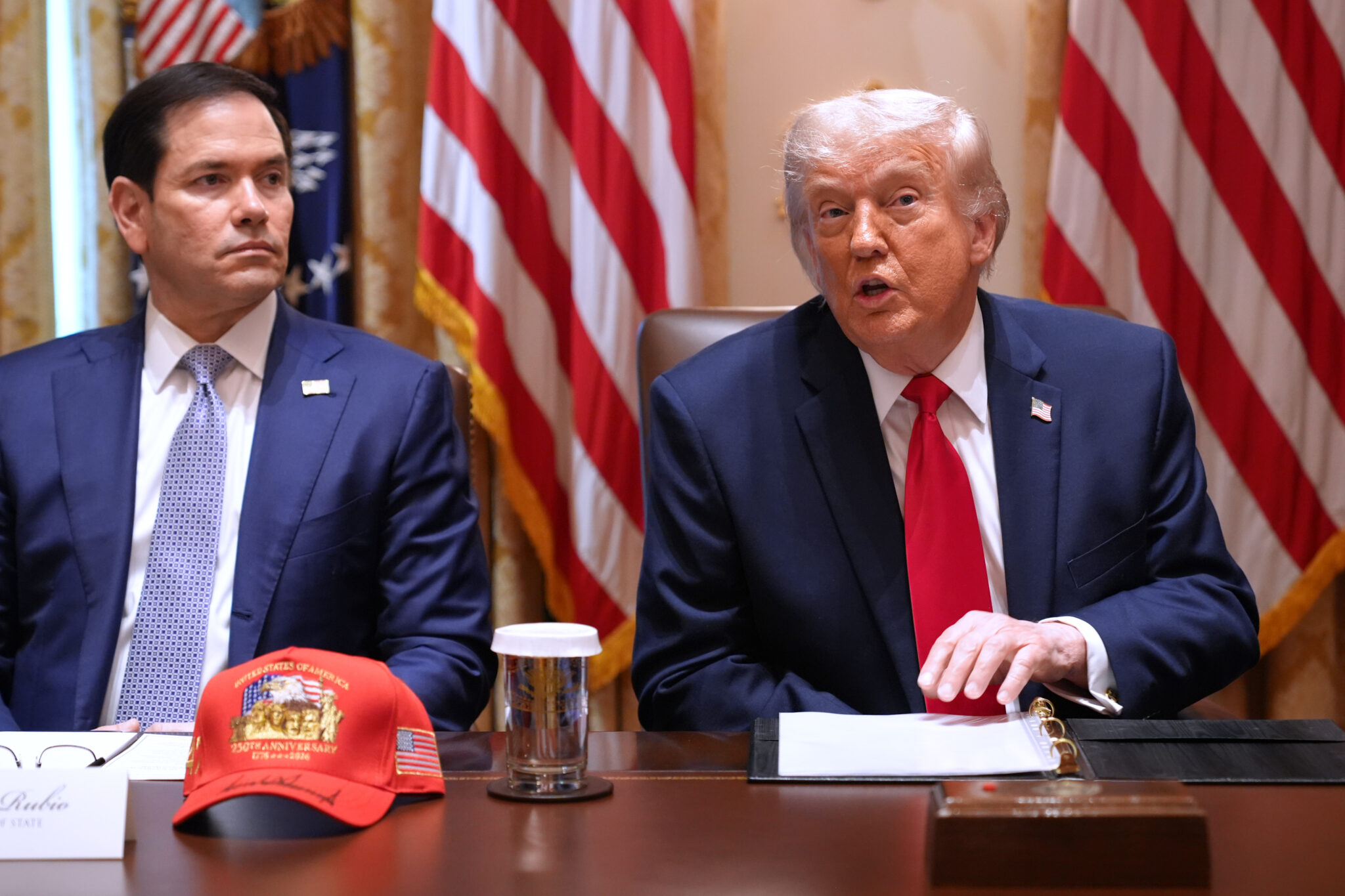
The controversy intensified after Secretary of State Marco Rubio suggested during a Cabinet meeting that individuals with Ebola would not be allowed into the United States.
“We cannot and will not allow any cases of Ebola to enter the United States,” Rubio said.
Administration officials later emphasized that the Kenya decision was based on medical and logistical factors rather than political considerations.
“We felt it was better to transport these individuals to closer institutions, incredibly high-quality tertiary care institutions, as opposed to facing a very long transit time back to the United States,” an official explained.
Critics Question Medical Justification
Public health experts argue that the United States already possesses some of the world’s most advanced facilities for treating Ebola patients.
Critics contend that denying returning Americans access to those facilities could place unnecessary burdens on healthcare workers responding to the outbreak.
Craig Spencer wrote that the administration appeared more focused on keeping Ebola out of the United States than supporting Americans helping combat the disease overseas.
“The administration has said its number one priority is keeping Ebola out of America, and its number two priority is ending the outbreak in central Africa. Nowhere on that list are the Americans we are asking to step up and respond,” he wrote.
Current Outbreak Continues To Grow
The Ebola outbreak currently affecting parts of Central Africa has become one of the largest on record.
Officials report that more than 1,000 people are suspected to have contracted the disease, while nearly 250 deaths have been linked to the outbreak.
The virus strain involved, known as Bundibugyo Ebola, is particularly concerning because there are currently no licensed vaccines or treatments specifically approved for it. Public health experts also say the outbreak may have spread undetected for months before it was identified.
Aid Cuts And Detection Challenges Raise Concerns
Health experts have pointed to several factors that may have contributed to the outbreak’s rapid growth.
Testing for the Bundibugyo strain is more difficult than for other Ebola variants, complicating detection efforts. Some health workers have also cited reductions in international aid funding as a factor limiting outbreak response capabilities.
Rubio has criticized the World Health Organization for not identifying the outbreak sooner. WHO Director-General Tedros Adhanom Ghebreyesus has countered that responsibility for detecting and reporting outbreaks primarily rests with national governments.
New Facility Will Support Quarantine Operations
The Kenya facility is expected to begin operations immediately with space for up to 50 people exposed to Ebola.
Thirty members of the U.S. Public Health Service Commissioned Corps will staff the site. Many have prior experience responding to Ebola outbreaks, including the 2014-2016 epidemic.
Officials said additional personnel are undergoing training and may be deployed in the coming weeks. Specialized isolation and biocontainment units are also being transported to Kenya to manage potential infections.
Europe Expected To Play Key Role
While exposed Americans may initially quarantine in Kenya, administration officials said patients who develop symptoms are expected to be transferred to hospitals in Europe.
Specific destinations have not yet been finalized, though Germany has already accepted one infected American physician.
Dr. Peter Stafford, who contracted Ebola while working in Congo’s Ituri Province, is currently receiving treatment at Berlin’s Charité Hospital. Another American healthcare worker is being monitored in Prague after possible exposure.
German officials noted that shorter flight times made treatment in Europe more practical than transporting patients across the Atlantic.
Administration Expands Protective Measures
Beyond the Kenya facility, the administration has implemented additional measures aimed at preventing Ebola from reaching the United States.
Officials said enhanced airport screening procedures are being used for Americans returning from affected regions, while travel restrictions have been imposed on non-U.S. citizens coming from outbreak zones.
“Obviously, we want to make sure that Americans on the ground there as quickly and efficiently get the care they need,” one official said, “but obviously beyond that, the administration is also … taking a broad swath of other actions to ensure that Americans in the United States don’t contract disease.”