

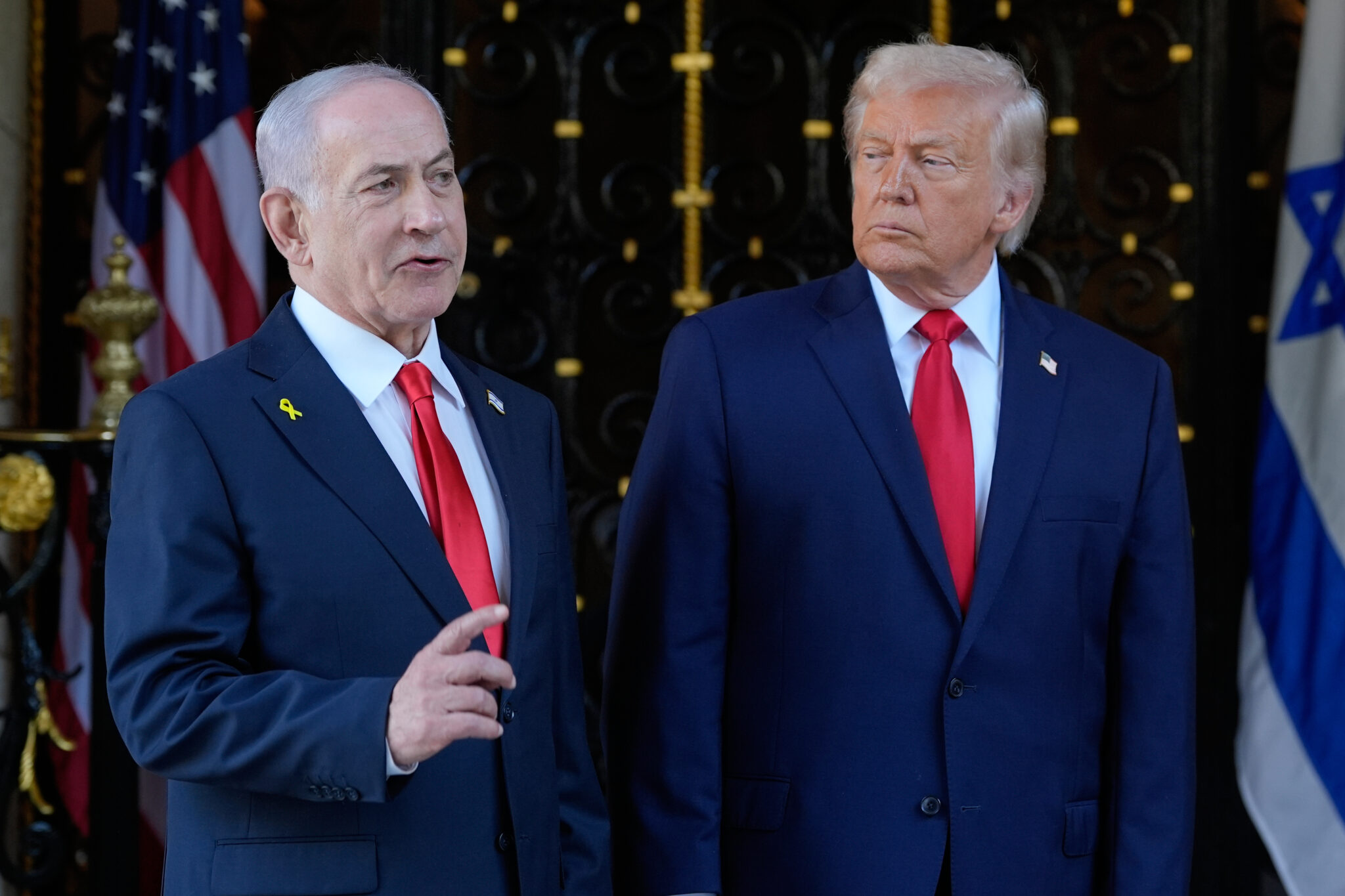
Trump and Netanyahu Face Rift as US-Iran Deal Halts War/ Newslooks/ WASHINGTON/ J. Mansour/ Morning Edition/ The U.S. and Iran have reached a preliminary agreement to halt the war, creating new tensions between President Donald Trump and Israeli Prime Minister Benjamin Netanyahu. Israeli officials fear the deal falls short of their goals on Iran’s nuclear program and regional influence. The agreement could restrict Israel’s military operations in Lebanon while broader negotiations continue.
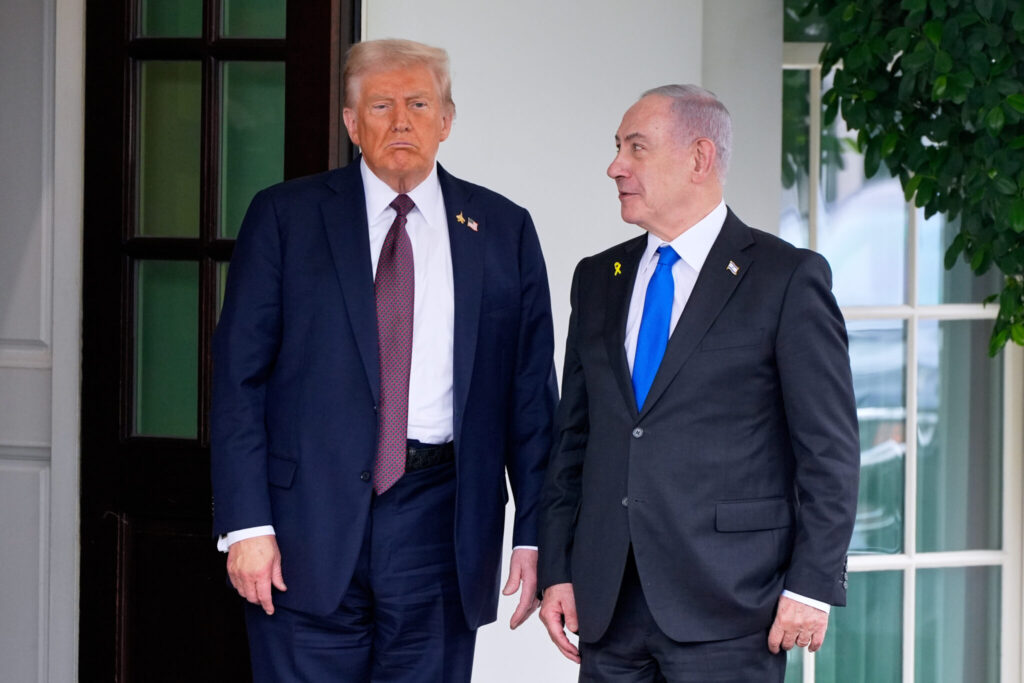
Trump-Iran Deal and Netanyahu Rift Quick Looks
- The U.S. and Iran agreed to a temporary framework to end the war.
- The deal is expected to be signed in Switzerland on Friday.
- Israel says it is not bound by the agreement’s terms.
- The pact includes a ceasefire period and reopening of the Strait of Hormuz.
- Israeli officials privately describe the agreement as unfavorable.
- Disagreements over Lebanon have strained Trump-Netanyahu relations.
- Iran’s nuclear program remains unresolved during a 60-day negotiation window.
Deep Look
Trump and Netanyahu’s Alliance Faces a Major Test
For years, Israeli Prime Minister Benjamin Netanyahu cultivated a close political relationship with President Donald Trump, portraying their alliance as a cornerstone of Israel’s security strategy. But the emerging U.S.-Iran agreement has exposed growing differences between the two leaders.
The deal, which seeks to end months of conflict between Washington and Tehran, has placed Netanyahu on a potential collision course with Trump as the American president looks to conclude the war and stabilize the region.
Israeli officials have publicly remained cautious in their comments, but behind closed doors frustration appears widespread.
One senior Israeli official described the agreement bluntly:
“Terrible for Israel.”
The official added that opposition to the deal stretches across Israel’s leadership, from the prime minister’s office to military commanders.
Deal Falls Short of Israel’s Original War Objectives
When the war began, Israel and the United States cited several goals: curbing Iran’s nuclear ambitions, weakening its missile capabilities and reducing support for regional proxy groups such as Hezbollah.
However, the current agreement appears focused primarily on halting hostilities and reopening the Strait of Hormuz.
Key Israeli concerns remain unresolved.
The agreement reportedly creates a 60-day negotiation period aimed at addressing Iran’s nuclear program, but Israeli officials fear those talks could be extended, effectively limiting Israel’s military options while critical issues remain unsettled.
Two major objectives—restraining Iran’s missile program and ending support for regional armed groups—do not appear to be central components of the current negotiations.
Lebanon Emerges as a Major Point of Contention
A major source of tension between Trump and Netanyahu has been Israel’s military campaign against the Iranian-backed Hezbollah movement in Lebanon.
Iran has repeatedly insisted that any long-term peace agreement include an end to fighting in Lebanon.
According to reports, disagreements over Lebanese operations have led to repeated clashes between Washington and Jerusalem.
At the start of June, Trump reportedly expressed anger during a phone call with Netanyahu over Israeli military actions near Beirut while diplomatic talks with Iran were ongoing.
Despite temporary pauses, Israeli strikes in Lebanon continued, at times triggering retaliatory actions from Iran.
Hours before the U.S.-Iran agreement was announced, Israeli forces launched another strike in Beirut following rocket attacks from Lebanon.
Trump reportedly described those incidents as:
“Small and meaningless.”
Israel Says It Is Not Bound by the Agreement
Israeli leaders have made clear they reserve the right to act independently regardless of the U.S.-Iran arrangement.
Katz also issued a warning regarding future threats from Tehran:
“If Iran attacks Israel due to the events in Lebanon – we will attack it with all our might.”
Israeli officials say the country remains committed to preventing Iran from rebuilding its military and nuclear capabilities.
Energy Minister Eli Cohen reinforced that position:
“If Iran tries to renew its nuclear and ballistic missile programmes – we will be there and act.”
Political Stakes Rise for Netanyahu Ahead of Elections
The agreement also carries significant domestic implications for Netanyahu.
For years, Netanyahu emphasized his close relationship with Trump as proof of his ability to secure favorable outcomes for Israel.
During Trump’s first administration, Israel benefited from major policy shifts, including the relocation of the U.S. embassy to Jerusalem and support for the Abraham Accords.
Now, analysts argue the new agreement could weaken that narrative.
Political scientist Jonathan Rynhold suggested Netanyahu faces a difficult challenge in selling the deal to Israeli voters.
“(Netanyahu) will be unable to sell this agreement to the Israeli public.”
He added:
“The best that he can hope for is that they fail to reach an agreement and the war restarts to Israel’s advantage in 60 days.”
Recent polling reflects shifting attitudes in Israel. According to survey data cited in the report, fewer Israelis now view Trump as placing Israel’s security at the center of his foreign policy priorities.
Uncertain Future as Negotiations Continue
The preliminary agreement is expected to be signed in Switzerland, but many questions remain unanswered.
The fate of Iran’s highly enriched uranium, future sanctions relief and verification mechanisms for nuclear compliance are all expected to be addressed during subsequent negotiations.
Israeli officials fear the temporary arrangement could become a prolonged diplomatic process that leaves strategic concerns unresolved.
As Trump seeks a diplomatic achievement ahead of U.S. elections and Netanyahu confronts political challenges at home, the agreement may redefine one of the most consequential alliances in Middle East politics.
Whether the accord produces lasting peace—or a new phase of regional tension—remains uncertain.






You must Register or Login to post a comment.