Trump: Iran Ceasefire is on ‘Life Support’ as Standoff Deepens, Strait Remains Closed/ Newslooks/ WASHINGTON/ J. Mansour/ Morning Edition/ President Donald Trump said the Iran ceasefire is on “life support” after rejecting Tehran’s latest peace proposal. The ongoing standoff continues disrupting global energy markets as the Strait of Hormuz remains effectively closed. Iran and the United States remain deeply divided over nuclear concessions, sanctions and regional control demands.
Iran Ceasefire Crisis Quick Looks
- Trump rejects Iran proposal as “garbage”
- Strait of Hormuz remains largely blocked
- Oil prices and inflation continue climbing
- Iran demands sanctions relief and reparations
- Israel warns military action could resume
- Pakistan still trying to broker compromise
Deep Look
Trump Says Iran Ceasefire Is On ‘Life Support’
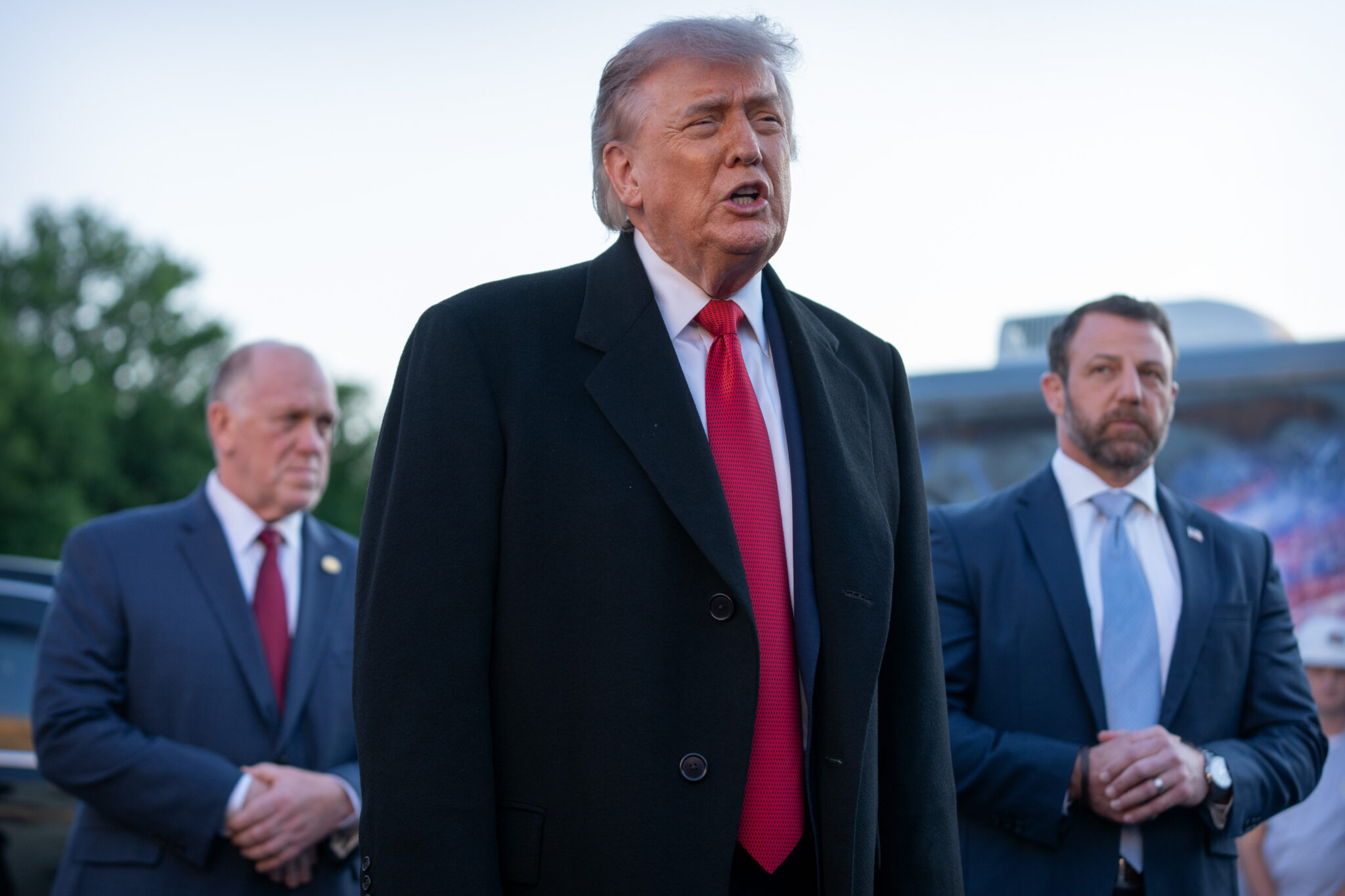
President Donald Trump warned Monday that the fragile ceasefire between the United States and Iran is deteriorating rapidly after he rejected Tehran’s latest proposal aimed at ending the war.
Speaking at the White House, Trump described the ceasefire as “unbelievably weak” and said it was currently on “life support.”
“I would call it the weakest right now after reading that piece of garbage they sent us,” Trump said. “I didn’t even finish reading it.”
The stalled diplomacy threatens to push the Middle East closer to renewed large-scale conflict while prolonging the global energy crisis created by the ongoing war.
Iran’s continued control over the Strait of Hormuz and the U.S. blockade of Iranian ports continue severely disrupting international oil shipments and global trade flows.
Iran Proposal Included Nuclear And Regional Concessions
According to regional officials familiar with negotiations, Iran’s latest proposal included several concessions tied to its disputed nuclear program.
Officials said Tehran offered to dilute portions of its highly enriched uranium stockpile while transferring the remaining material to a third country, potentially Russia.
However, Trump reportedly rejected the proposal because it did not meet U.S. demands for a complete removal of Iran’s enriched nuclear material.
Iran also sought:
- Recognition of its sovereignty over the Strait of Hormuz
- Lifting of international sanctions
- Unfreezing Iranian overseas assets
- Financial reparations from the United States
- An end to the Israel-Hezbollah conflict
Iranian Foreign Ministry spokesman Esmail Baghaei defended Tehran’s position Monday.
“We did not demand any concessions — the only thing we demanded was Iran’s legitimate rights,” Baghaei said.
The White House has so far rejected those conditions as unacceptable.
Energy Crisis Continues Shaking Global Markets
The continued closure of the Strait of Hormuz remains one of the most serious economic consequences of the conflict.
The narrow waterway serves as one of the world’s most important routes for oil and natural gas exports.
Since the war began, Iran has sharply restricted maritime traffic through the strait, allowing only limited vessel passage while reportedly charging tolls for some ships.
The disruption has driven oil prices sharply higher worldwide and intensified inflation pressures across global economies.
In response to rising fuel costs, Trump announced Monday that he plans to suspend the federal gasoline tax to help American consumers manage higher prices at the pump.
Analysts warn prolonged instability in the region could continue affecting transportation costs, supply chains and consumer prices globally.
Israel Signals Conflict Could Escalate Again
Israeli Prime Minister Benjamin Netanyahu also warned that the conflict is far from resolved.
In an interview aired Sunday on CBS’ “60 Minutes,” Netanyahu said removing Iran’s enriched uranium remains a central objective of the war effort.
“If that can’t be accomplished with negotiations,” Netanyahu said, Israel and the United States agree “we can reengage them militarily.”
Netanyahu added that the current Iranian government’s “days are numbered — but it could take a lot of days.”
The conflict has already caused severe damage to Iran’s economy and military leadership structure.
The United States and Israel have reportedly killed dozens of senior Iranian officials since hostilities began earlier this year.
Pakistan Continues Trying To Broker Peace Deal
Despite growing tensions, diplomatic mediation efforts remain ongoing.
Regional diplomats said Pakistan continues attempting to broker a memorandum of understanding designed to halt fighting and establish broader negotiations between Washington and Tehran.
Officials familiar with the talks said Pakistan is receiving support from several regional governments in its mediation efforts.
However, diplomats acknowledged progress has been slow and major disagreements remain unresolved.
Trump is also expected to raise the Iran crisis during his upcoming meetings with Chinese President Xi Jinping this week.
China remains Iran’s largest buyer of sanctioned oil, giving Beijing significant leverage over Tehran’s economy.
Iran Continues Domestic Crackdown
Meanwhile, Iranian authorities carried out another execution Monday involving allegations of espionage tied to the conflict.
Iran’s state-run IRNA news agency reported that Erfan Shakourzadeh was executed after being accused of spying for both the Central Intelligence Agency and Israel’s Mossad intelligence service.
Iran has accelerated executions and internal crackdowns since nationwide protests erupted earlier this year.
Human rights organizations have repeatedly criticized Iran for conducting closed-door trials and limiting defendants’ legal protections.
The latest execution underscores how the regional conflict continues affecting both international diplomacy and domestic political tensions inside Iran.