GOP Redistricting Push Sparks Voter Confusion Across Southern States/ Newslooks/ WASHINGTON/ J. Mansour/ Morning Edition/ Republican-led redistricting efforts across several Southern states are creating confusion for voters and election officials during the 2026 primary season. New congressional maps following a Supreme Court ruling on the Voting Rights Act have triggered legal battles, delayed elections, and uncertainty over ballots. Voting rights advocates warn the rapid changes could weaken trust in the democratic process ahead of key congressional races.
GOP Redistricting Fight Quick Looks
- Louisiana voters may have cast ballots in outdated districts
- Alabama could redo congressional primary voting
- Tennessee already implemented a controversial new congressional map
- Republicans are redrawing districts after a major Supreme Court ruling
- Voting rights activists warn of voter suppression concerns
- Election officials face compressed timelines and logistical problems
- Democrats accuse Republicans of partisan gerrymandering
- Confusion is growing as primaries approach across Southern states
Deep Look
Redistricting Battles Disrupt 2026 Election Season
Republican-led efforts to redraw congressional districts across multiple Southern states are causing widespread confusion among voters and election officials as the 2026 election cycle intensifies.
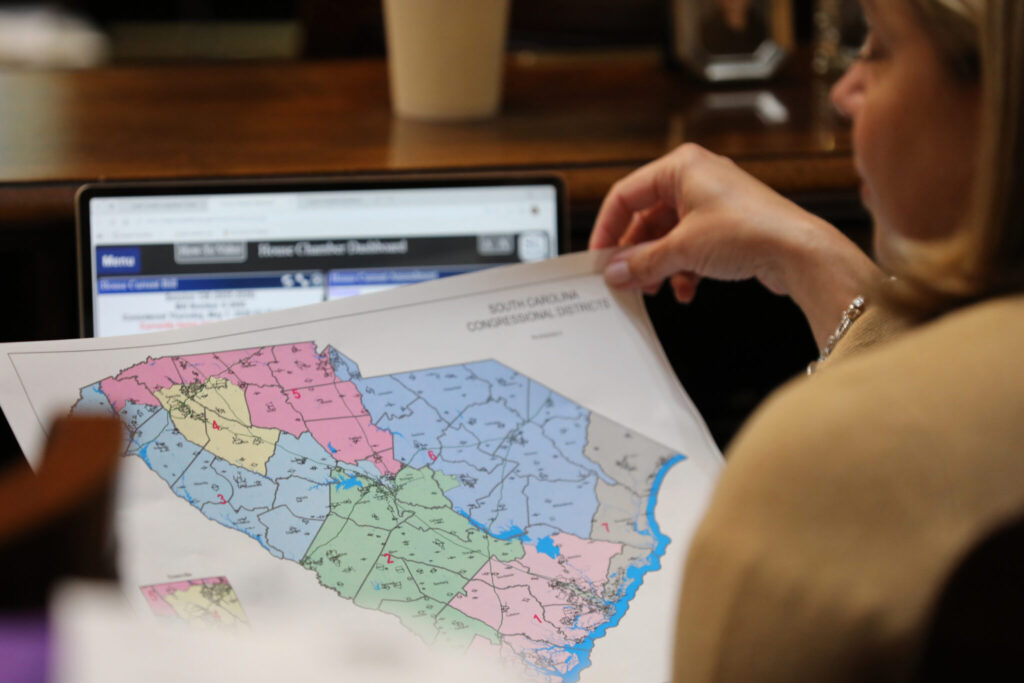
The political upheaval follows a recent U.S. Supreme Court ruling that significantly weakened portions of the Voting Rights Act, prompting GOP lawmakers in several states to revisit district maps that had previously boosted minority representation.
The rapid pace of the redistricting push is creating administrative headaches, delayed election schedules, and fears that voters may lose confidence in the electoral system.
In some cases, ballots have already been cast in districts that may no longer exist by the time votes are officially counted.
The fight over congressional maps has become one of the most contentious political battles ahead of the midterm elections, where control of the U.S. House of Representatives remains at stake.
Louisiana Voters Face Ballot Confusion
Louisiana has emerged as one of the clearest examples of the confusion caused by the sudden redistricting efforts.
Thousands of voters have already participated in early voting for congressional races that may soon be invalidated because of potential map changes.
Republican Gov. Jeff Landry declared an emergency and suspended congressional primaries to give lawmakers time to redraw district boundaries after the Supreme Court ruling.
Despite the suspension, early voting continued and many voters cast ballots that included congressional races unlikely to count.
New Orleans resident Sallie Davis described her confusion after seeing a sign crossing out the congressional race she intended to vote in while casting her ballot.
“I was supposed to believe a piece of paper with an X on it marking out the person I wanted to vote for,” she said. “I think I have been disenfranchised. I think my vote, that I just voted on, it’s not going to count or something. I think it’s illegal.”
The Louisiana secretary of state’s office reported that nearly 179,000 primary ballots had already been cast by Friday, including tens of thousands submitted through absentee voting.
In a televised interview, Landry dismissed criticism surrounding the confusion.
“If anyone has a grievance, take it to the United States Supreme Court,” he said.
Supreme Court Decision Reshapes Southern Politics
The recent Supreme Court ruling weakened protections that had previously required states like Louisiana to maintain majority-Black congressional districts under the Voting Rights Act.
That decision opened the door for Republican-controlled legislatures to reconsider maps drawn in recent years.
Louisiana’s current congressional map contains two majority-minority districts represented by Black lawmakers. Republicans are now considering eliminating one or both.
The ruling also encouraged Republican lawmakers in Alabama, Mississippi, South Carolina, Tennessee, and Florida to revisit district boundaries in ways that could shift additional seats toward the GOP.
Florida already approved a new congressional map aimed at helping Republicans gain several more House seats.
Critics argue the redistricting campaigns are designed to preserve the Republican Party’s narrow majority in Congress rather than fairly represent voters.
Alabama and Tennessee Face Election Challenges
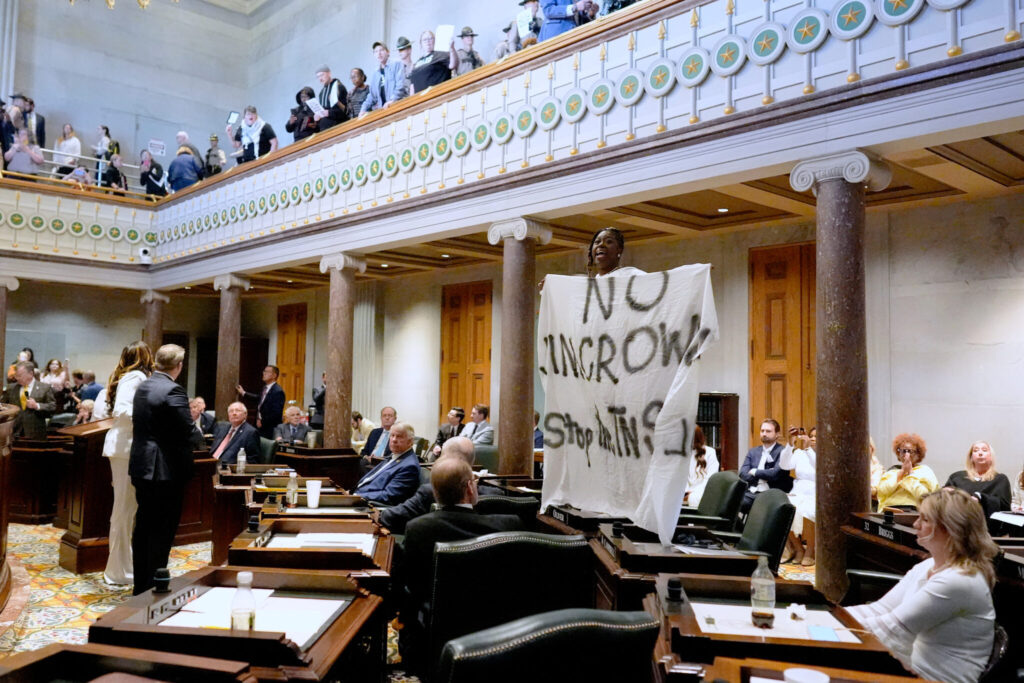
Alabama lawmakers recently approved legislation that could force a do-over of congressional primaries depending on future court rulings regarding district maps.
The state’s primary elections are scheduled for May 19, but voters may cast ballots using old district boundaries that could later become invalid.
Confusion is also spreading among election officials themselves.
“These are the people who are the head of elections,” Alabama Senate Democratic leader Bobby Singleton said. “They don’t know what to do.“
Tennessee became the first state to implement a new congressional map following the Supreme Court ruling.
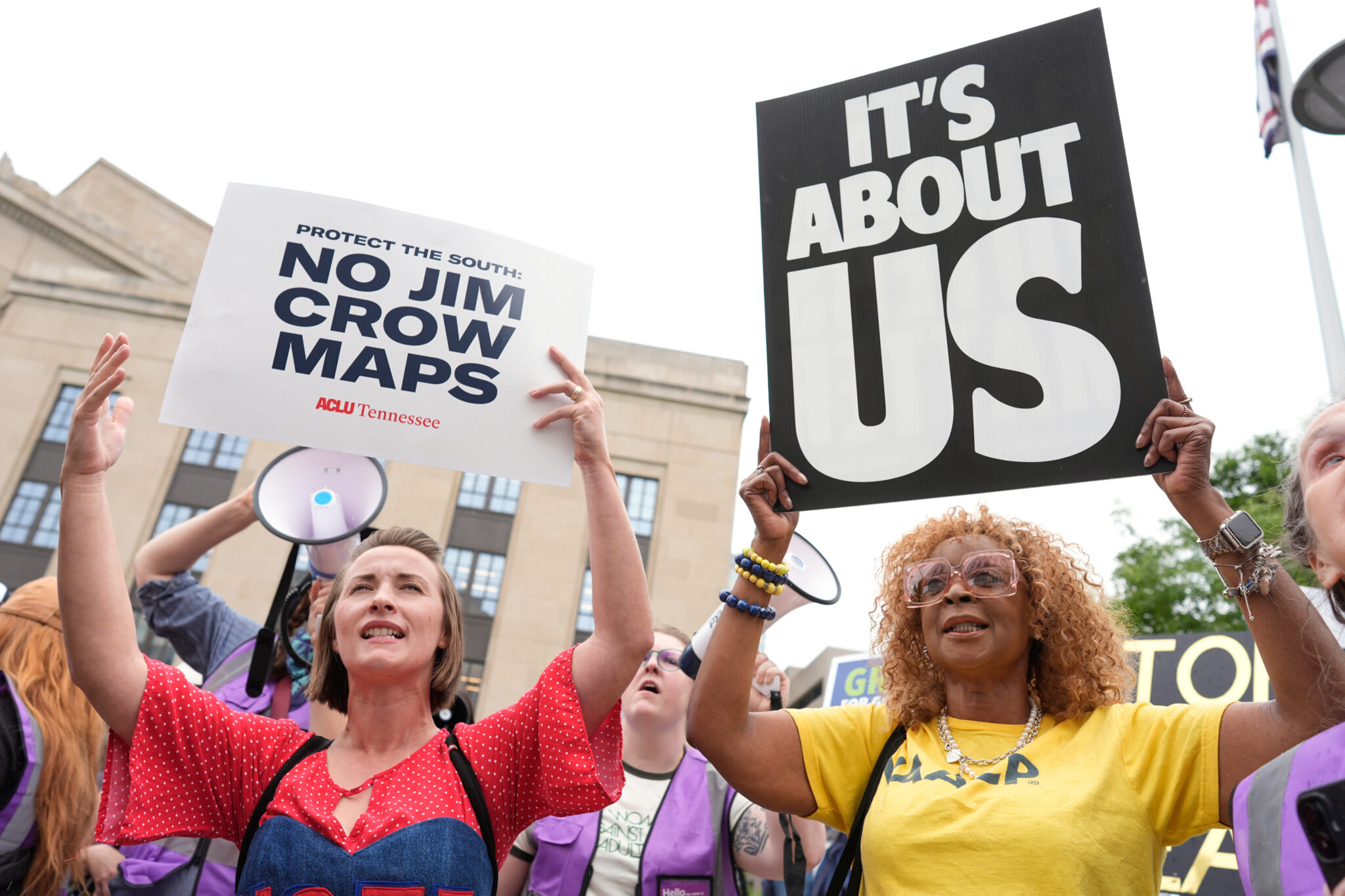
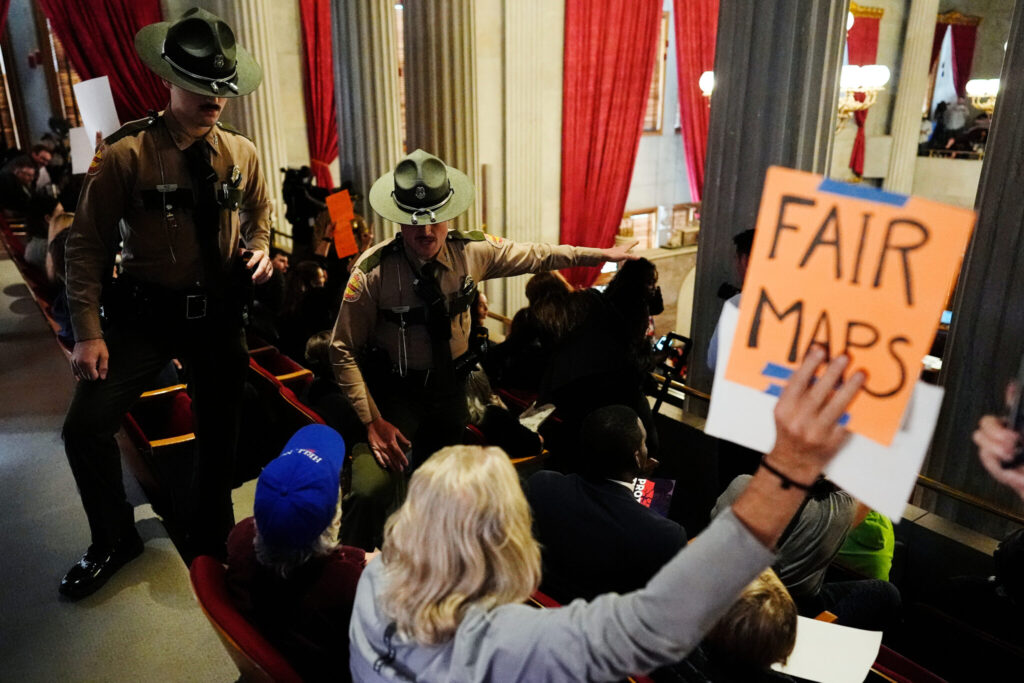
The new map divided Memphis into three separate congressional districts, triggering criticism from voting rights advocates who argue the move weakens minority voting power.
Election officials warned the changes would require extensive reprogramming of voting systems, retraining of poll workers, and possible relocation of polling places.
Voting Rights Advocates Warn of Suppression
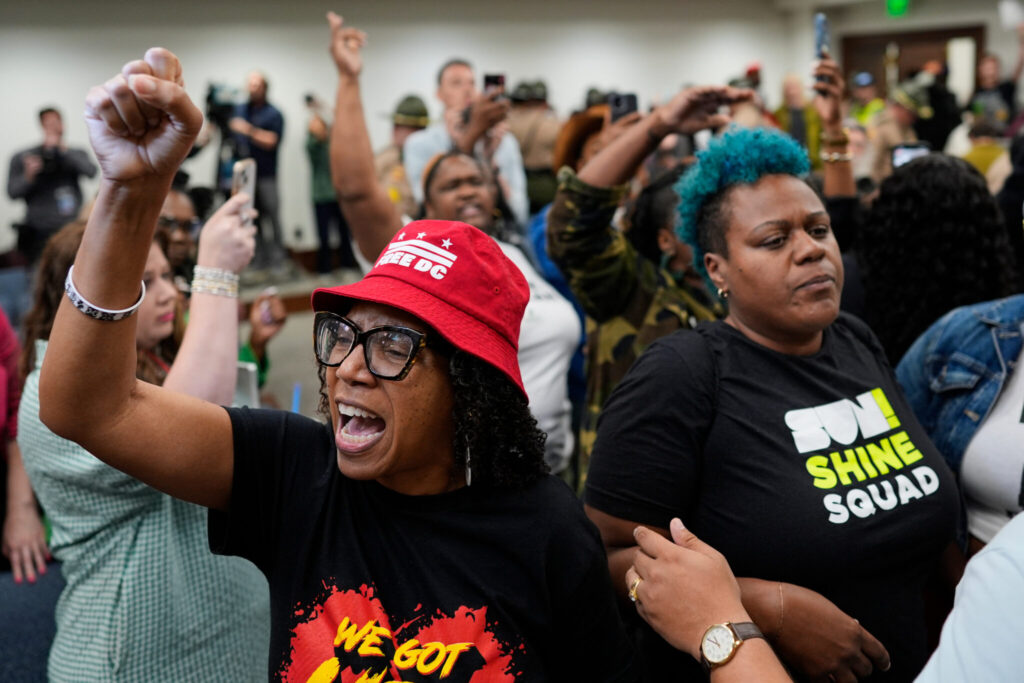
Civil rights organizations and voting advocates across the South say the rapid redistricting efforts risk creating widespread voter disenfranchisement.
Activists argue that confusion over district boundaries, polling locations, and ballot validity could discourage participation in already vulnerable communities.
“Modern-day voter suppression relies on election administration errors and chaos, and that’s what we’re going to see play out in all of these states,” said voting rights attorney Amir Badat.
The NAACP’s Louisiana leadership also reported receiving numerous calls from voters uncertain about whether elections were still taking place.
“People say, ’I ain’t going to vote because the governor’s suspended the election,'” said Michael McClanahan, president of the NAACP’s Louisiana State Conference. “But he didn’t, he only suspended one aspect of it.”
Voting rights groups point to previous election problems in Tennessee as evidence of what could happen again.
After Nashville’s congressional districts were redrawn in 2022, thousands of voters reportedly ended up assigned to incorrect districts and hundreds cast ballots in the wrong races.
“It’s going to be really hard for the election commissions to be able to keep up with this short timeline,” said Matia Powell, executive director of Civic TN.
Concerns Grow Over Public Trust in Elections
Advocates say the biggest long-term danger may be declining public confidence in democratic institutions.
Frequent changes to district maps and election procedures could leave voters believing the system is unstable or politically manipulated.
“Once people stop believing that the process is stable and fair, disengagement is going to increase, and that’s one of the biggest dangers here,” said Anneshia Hardy, executive director of Alabama Values.
At protests in Louisiana, some voters openly questioned whether their voices still matter politically.
David Victorian, a Vietnam veteran attending a protest at the Louisiana Capitol, expressed fears about the future of democracy in the United States.
“I’m concerned for the survival of the democracy that we’re supposed to be living in,” he said.
As legal battles, legislative fights, and election deadlines collide across the South, the redistricting turmoil is expected to remain a major flashpoint heading deeper into the 2026 election season.