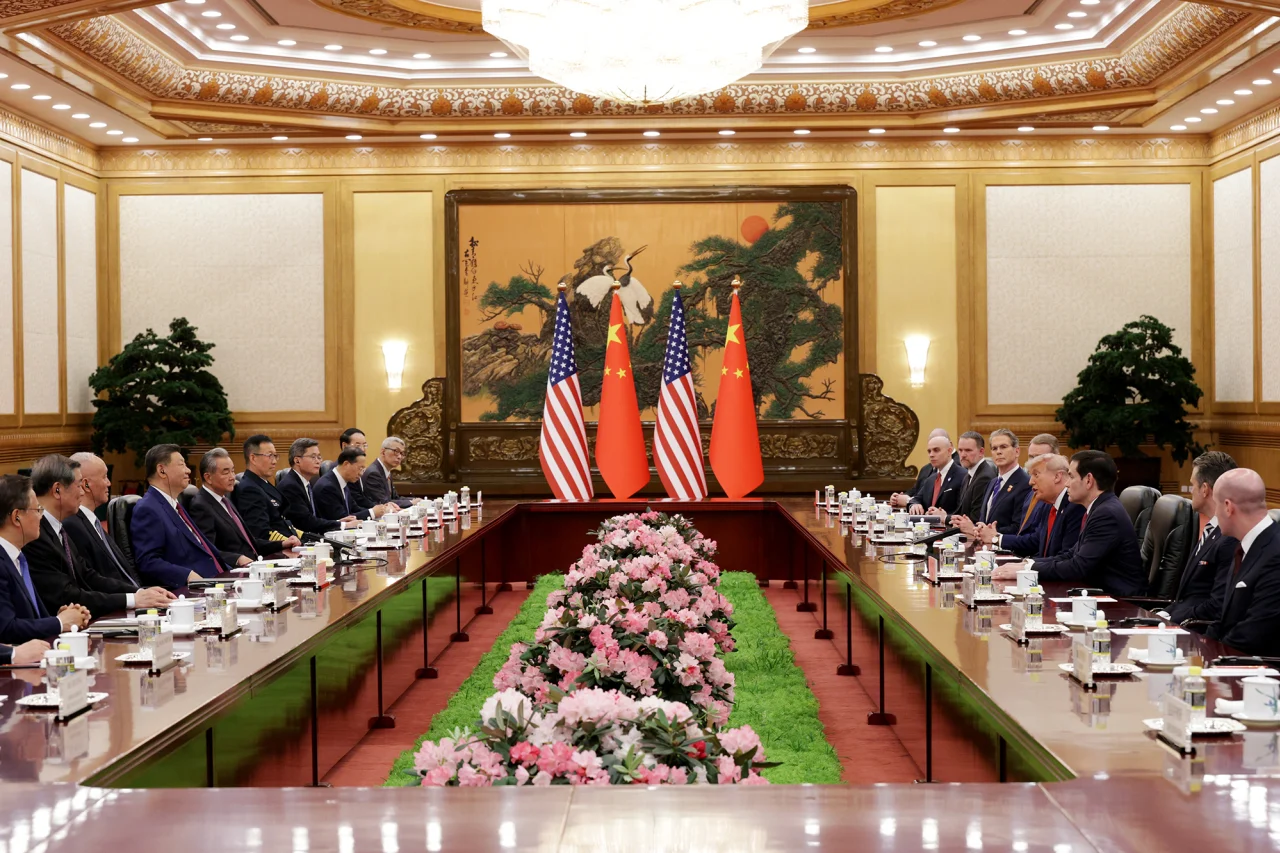
Trump-Xi Talks Raise Prospect of Major China-US Energy Deal/ Newslooks/ WASHINGTON/ J. Mansour/ Morning Edition/ US officials said China may increase purchases of American oil and energy products following talks between President Donald Trump and Chinese leader Xi Jinping in Beijing. Energy cooperation emerged as a key topic during the high-stakes summit amid disruptions caused by the Iran war and the Strait of Hormuz closure. Potential Chinese purchases of US energy could become part of broader trade negotiations between the world’s two largest economies.
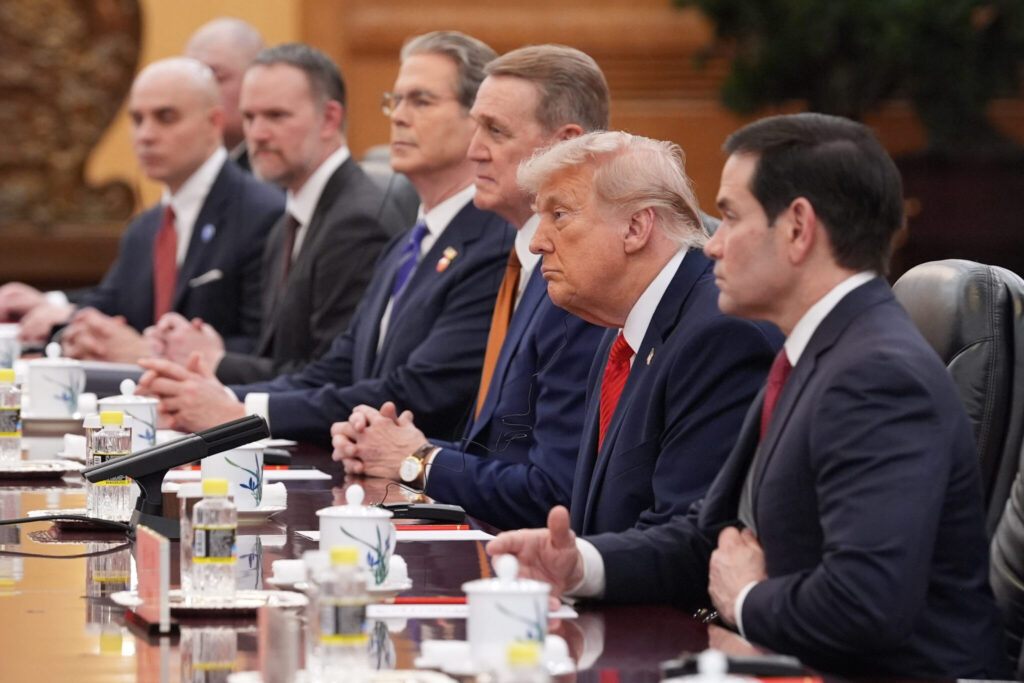
Trump Xi Energy Talks Quick Looks
- US officials say China may buy more American oil
- Energy trade discussions followed Trump-Xi summit talks
- China seeks alternatives to Strait of Hormuz disruptions
- Treasury Secretary Scott Bessent highlighted Alaska energy exports
- China has not imported US oil since May 2025
- Trade tariffs remain a major obstacle to energy deals
- Reuters reports talks may include tariff reductions on $30 billion in goods
- Energy cooperation could reshape US-China trade relations
Deep Look
US and China Explore Energy Trade Expansion
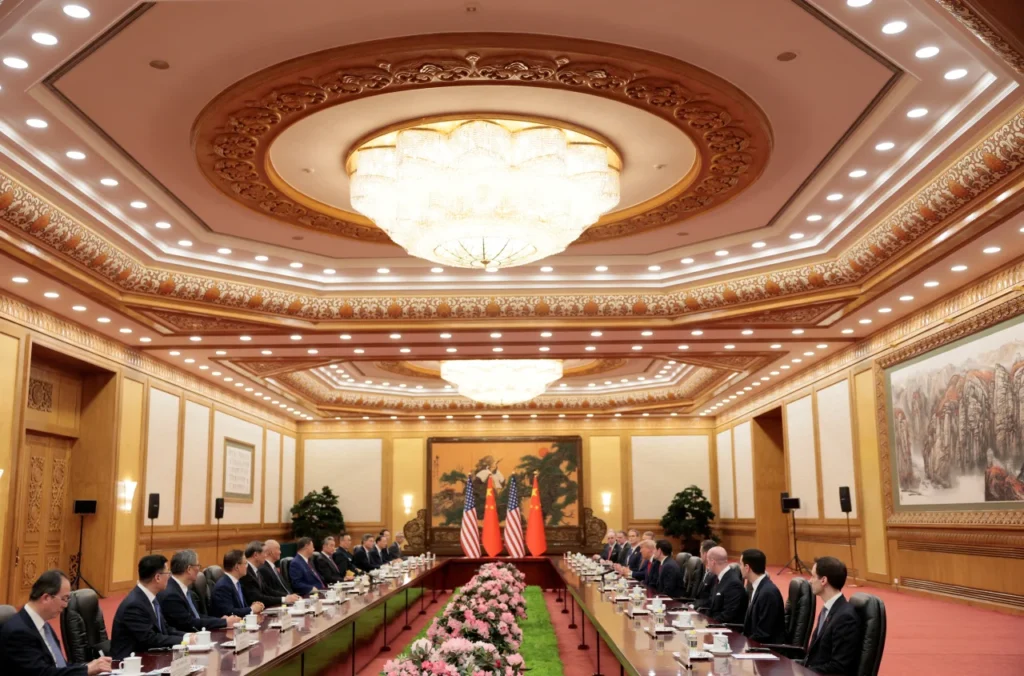
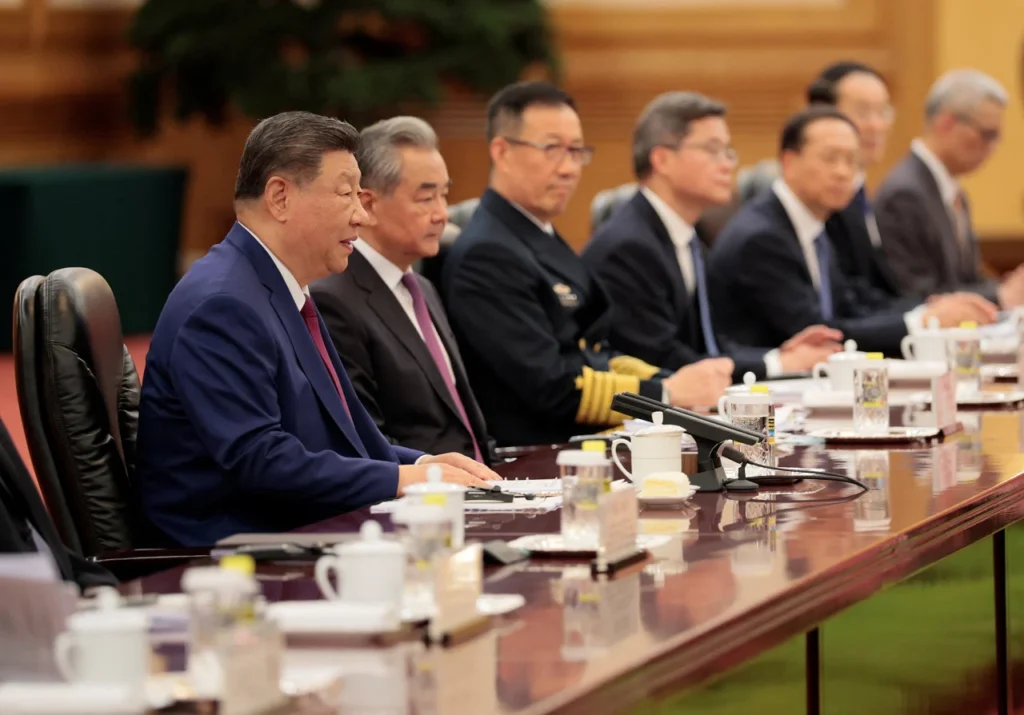
The United States and China may be moving toward renewed energy cooperation following high-level talks between President Donald Trump and Chinese President Xi Jinping in Beijing.
US officials said Thursday that China expressed interest in purchasing more American oil and energy products during discussions between the two leaders.
The topic emerged as global energy markets remain under pressure because of the Iran war and the ongoing closure of the Strait of Hormuz, one of the world’s most critical oil shipping routes.
According to a White House summary of the meeting, Xi raised interest in buying more US oil to reduce China’s dependence on Middle Eastern energy supplies.
Energy Security Becomes Major Summit Issue
Energy security has become increasingly urgent for China as tensions in the Middle East continue disrupting global oil transportation.
The Strait of Hormuz normally handles roughly one-fifth of the world’s oil shipments.
The Iran conflict has severely restricted movement through the strategic waterway, fueling higher oil prices and intensifying concerns among major importing countries like China.
US officials now see American energy exports as a possible alternative source for Chinese demand.
Treasury Secretary Scott Bessent told CNBC that Alaska energy production could become a “natural” fit for Chinese purchases.
Trump-Xi Talks Signal Broader Trade Openings
The energy discussions are viewed as part of broader efforts to stabilize economic relations between Washington and Beijing.
Thursday marked the first day of a two-day summit between Trump and Xi aimed at resetting aspects of the strained US-China relationship.
Chinese state media described the summit as an opportunity to establish a new direction for bilateral ties.
While the White House highlighted potential energy purchases, Chinese summaries of the meeting notably avoided mentioning the topic directly.
That difference reflects the sensitive political and economic calculations surrounding trade negotiations between the two countries.
China Stopped Buying US Oil in 2025
China has not imported US crude oil since May 2025 after trade tensions escalated and tariffs increased during the renewed US-China trade conflict.
A 20% tariff imposed during the trade war effectively halted large-scale Chinese purchases of American oil.
Analysts say removing or reducing those tariffs would likely be necessary before significant energy trade could resume.
At its peak in 2020, China imported approximately 395,000 barrels of US crude oil per day.
Even then, American oil represented less than 4% of China’s total imports.
By 2024, imports had already declined substantially to roughly 193,000 barrels per day, valued at around $6 billion annually.
Alaska Energy Exports Gain Attention
Bessent specifically highlighted Alaska as a potential source for future Chinese energy imports.
Alaska has long been viewed as strategically positioned for exports to Asia because of its geographic proximity to Pacific shipping routes.
Renewed Chinese demand for US energy could provide a significant economic boost for American energy producers while also helping reduce China’s reliance on Middle Eastern suppliers.
The possibility comes as the Trump administration pushes to expand domestic energy production and strengthen US export capacity.
Trade Talks May Include Tariff Reductions
US and Chinese negotiators are discussing a potential mechanism for reducing tariffs on certain non-sensitive goods.
The discussions could reportedly involve up to $30 billion worth of products.
Energy and agricultural goods are believed to be among the sectors under consideration for expanded trade cooperation.
Chinese purchases of American oil, natural gas, and farm products have historically been viewed as politically useful areas for easing trade tensions.
Beijing Balances Strategy Carefully
China faces a complicated balancing act in pursuing any expanded energy relationship with the United States.
While American oil could help diversify supply chains and improve energy security, Beijing remains cautious about increasing dependence on US resources during a period of geopolitical rivalry.
Chinese officials also continue prioritizing domestic energy development and strategic independence.
At the same time, prolonged instability in the Middle East may force China to seek more diversified global suppliers.
CNPC Executive Expected at Summit Events
The chairman of state-owned energy giant CNPC was reportedly expected to attend summit-related events in Beijing.
CNPC already maintains long-term contracts with American liquefied natural gas producers, signaling existing energy ties between the countries despite broader trade tensions.
The presence of energy executives during the summit suggests energy cooperation may remain a significant topic in ongoing negotiations.
Iran War Reshapes Global Energy Politics
The discussions underscore how the Iran conflict is reshaping global economic and geopolitical calculations.
Higher oil prices and disrupted shipping routes are pushing governments to reconsider supply chains and energy partnerships.
For the United States, expanded exports to China could strengthen domestic energy industries while also reducing pressure on global markets.
For China, greater access to US energy could help offset vulnerabilities tied to Middle Eastern instability.
Trump and Xi Project Warmer Relations
The summit itself projected a noticeably warmer tone compared with previous years of escalating US-China tensions.
Trump described discussions with Xi as “extremely positive and productive,” while Xi called the US-China relationship the world’s most important bilateral partnership.
Whether the positive rhetoric results in concrete trade agreements remains unclear.
Still, the possibility of renewed energy trade suggests both countries may be searching for limited areas of cooperation despite continuing strategic rivalry.