US Approves Nvidia H200 AI Chip Sales to Chinese Tech Giants/ Newslooks/ WASHINGTON/ J. Mansour/ Morning Edition/ The US approved Nvidia H200 AI chip sales to major Chinese firms including Alibaba and Tencent, but no deliveries have been completed. Nvidia CEO Jensen Huang joined President Donald Trump’s Beijing trip as negotiations over AI technology and trade intensified. Chinese regulators and US hardliners are both raising concerns about national security, AI competition, and technology dependence.
Nvidia H200 China Sales Quick Looks
- US approved H200 chip sales to around 10 Chinese firms
- Approved buyers reportedly include Alibaba, Tencent, and ByteDance
- No Nvidia H200 deliveries have been completed yet
- Jensen Huang joined Trump’s Beijing summit trip
- China is increasing scrutiny of foreign technology dependencies
- US lawmakers worry exports could weaken America’s AI lead
- Huawei and Chinese AI firms continue pushing domestic chips
- Nvidia’s China market share has sharply declined under export controls
Deep Look
Nvidia’s China AI Chip Deal Faces Delays
Nvidia’s efforts to sell advanced artificial intelligence chips in China remain stalled despite receiving approval from the US government.
According to Reuters, around 10 Chinese technology firms have been cleared to purchase Nvidia’s H200 AI chips, the company’s second-most powerful semiconductor designed for advanced AI workloads.
However, no shipments have been delivered so far, leaving one of the world’s most closely watched technology deals in limbo.
The delays highlight the growing complexity of the US-China technology rivalry, where even approved business transactions are becoming entangled in political, security, and economic tensions.
Chinese Tech Giants Receive Approval
Sources familiar with the matter told Reuters that the approved buyers include several of China’s largest technology companies.
Among the reported approved firms are:
- Alibaba
- Tencent
- ByteDance
- JD.com
Distributors such as Lenovo and Foxconn were also reportedly approved to distribute the chips inside China.
Under US licensing terms, each approved buyer could reportedly purchase up to 75,000 H200 chips.
The approvals mark a significant moment in the ongoing battle over advanced AI infrastructure and semiconductor dominance.
Jensen Huang Joins Trump’s Beijing Visit
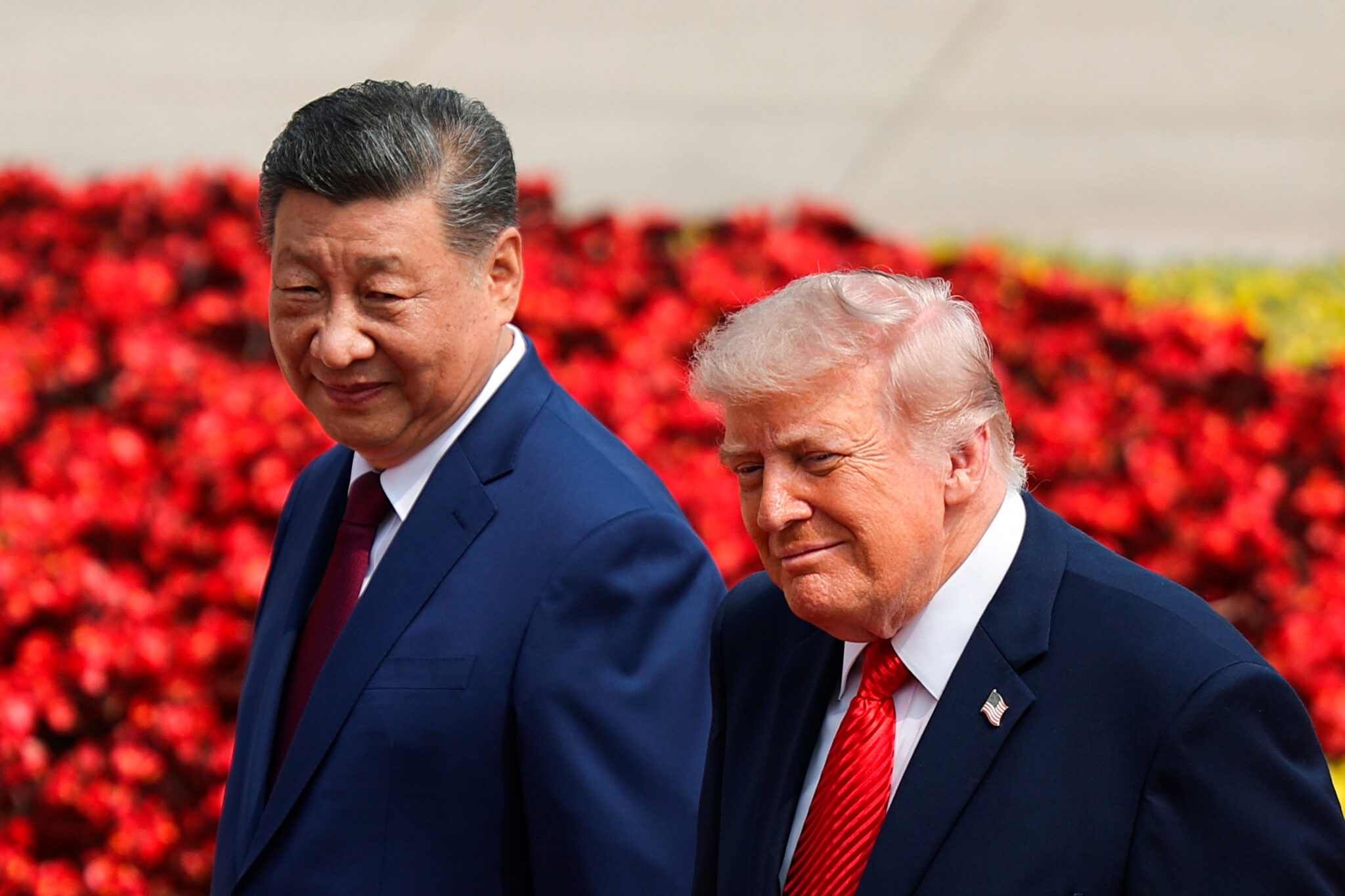
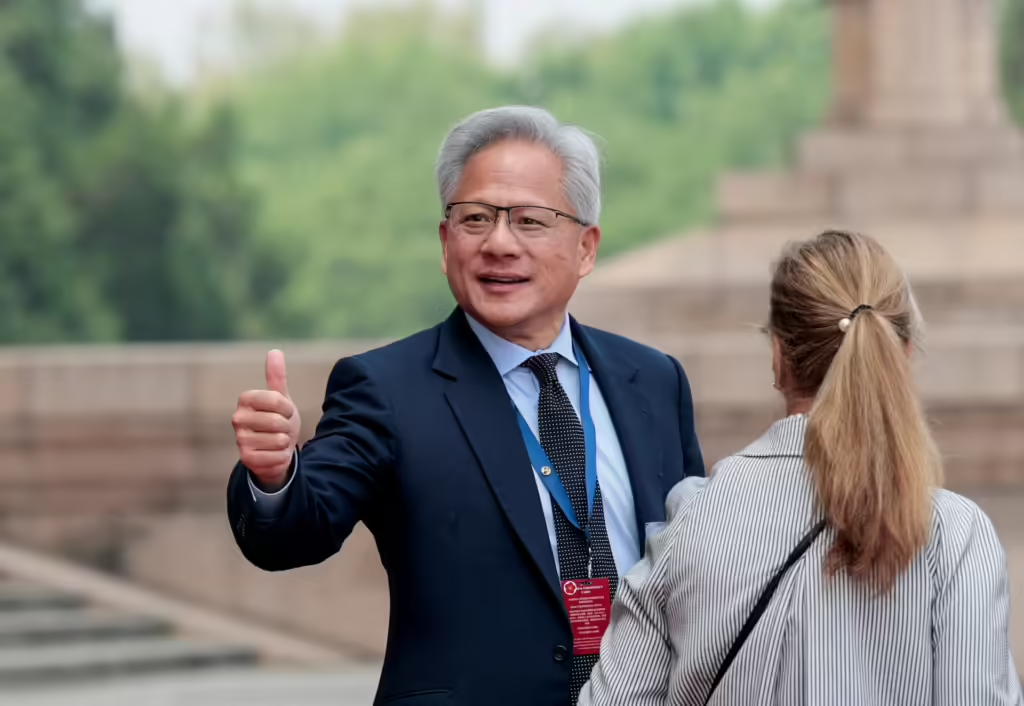
Nvidia CEO Jensen Huang unexpectedly joined President Donald Trump’s delegation during the Beijing summit with Chinese President Xi Jinping.
According to Reuters, Trump invited Huang aboard during a stop in Alaska en route to China.
The move raised speculation that Nvidia’s chip negotiations may have become part of broader US-China trade discussions.
Huang has repeatedly warned that US export restrictions are severely damaging Nvidia’s position in China, once one of its largest markets.
Before tighter export controls were introduced, Nvidia reportedly controlled roughly 95% of China’s advanced AI chip market.
China previously represented about 13% of Nvidia’s overall revenue.
No Chips Delivered Despite Approval
Even though the US Commerce Department approved the sales, no H200 chips have actually been delivered.
Sources said Chinese firms became more cautious after receiving guidance from Beijing regarding foreign technology dependencies and national security concerns.
Chinese authorities are reportedly increasing pressure to either block or tightly scrutinize the purchases.
Commerce Secretary Howard Lutnick suggested last month that China’s own government had slowed the process intentionally.
“The Chinese central government has not let them, as of yet, buy the chips,” Lutnick said during a Senate hearing.
China Pushes Domestic AI Development
China’s hesitation reflects a broader effort to strengthen its domestic semiconductor industry.
Chinese AI firms increasingly promote the use of locally developed chips, particularly products made by Huawei and other domestic manufacturers.
Companies like DeepSeek have publicly emphasized their reliance on Chinese-made AI hardware instead of Nvidia products.
The strategy is part of Beijing’s larger push to reduce reliance on foreign technology suppliers amid escalating geopolitical tensions.
US Export Restrictions Create Complex Conditions
The sale process has become highly complicated due to overlapping requirements from both Washington and Beijing.
US export rules introduced earlier this year require Chinese buyers to prove the chips will not be used for military purposes.
Buyers must also demonstrate strong cybersecurity protections before transactions can move forward.
Meanwhile, Nvidia reportedly must certify that sufficient inventory exists within the United States before any exports occur.
The Trump administration also negotiated an unusual arrangement in which the US government would reportedly receive 25% of revenue from the chip sales.
That structure reportedly requires the chips to pass through US territory before shipment to China.
Beijing Raises Security Concerns
Chinese officials reportedly worry the arrangement could expose the chips to tampering or hidden vulnerabilities.
Recent Chinese supply-chain security regulations have intensified scrutiny of foreign technology products used in critical infrastructure.
According to Reuters, Beijing has launched broader efforts to identify and eliminate foreign dependencies across strategic industries.
The concerns are contributing to further delays in finalizing Nvidia’s sales.
Washington Hardliners Oppose Deal
The stalled transactions have also intensified criticism from US national security hawks.
Some lawmakers and policy analysts argue allowing Nvidia to sell advanced AI chips to China could weaken America’s technological advantage.
Chris McGuire of the Council on Foreign Relations criticized the administration’s approach.
“Any deal that allows Nvidia to sell more chips to China means fewer Nvidia chips for U.S. firms, and a smaller U.S. lead in AI over China,” McGuire said.
Critics fear China could use access to advanced chips to accelerate its own AI capabilities and eventually surpass American firms in key technologies.
Nvidia Caught Between Two Superpowers
The company is trying to preserve access to the massive Chinese AI market while also navigating growing pressure from US policymakers concerned about national security and global AI competition.
At the same time, Beijing is balancing its desire for cutting-edge technology with efforts to build a self-sufficient domestic semiconductor industry.
The outcome of the negotiations could have major implications for:
- Global AI competition
- Semiconductor supply chains
- US-China relations
- Future export controls
- International technology markets
AI Rivalry Continues Escalating
The H200 dispute underscores how artificial intelligence has become one of the defining strategic battlegrounds between the United States and China.
As both nations race to dominate AI development, advanced semiconductors have emerged as a critical economic and national security asset.
Whether Nvidia can eventually complete the approved sales may depend as much on politics and diplomacy as on technology or business demand.