

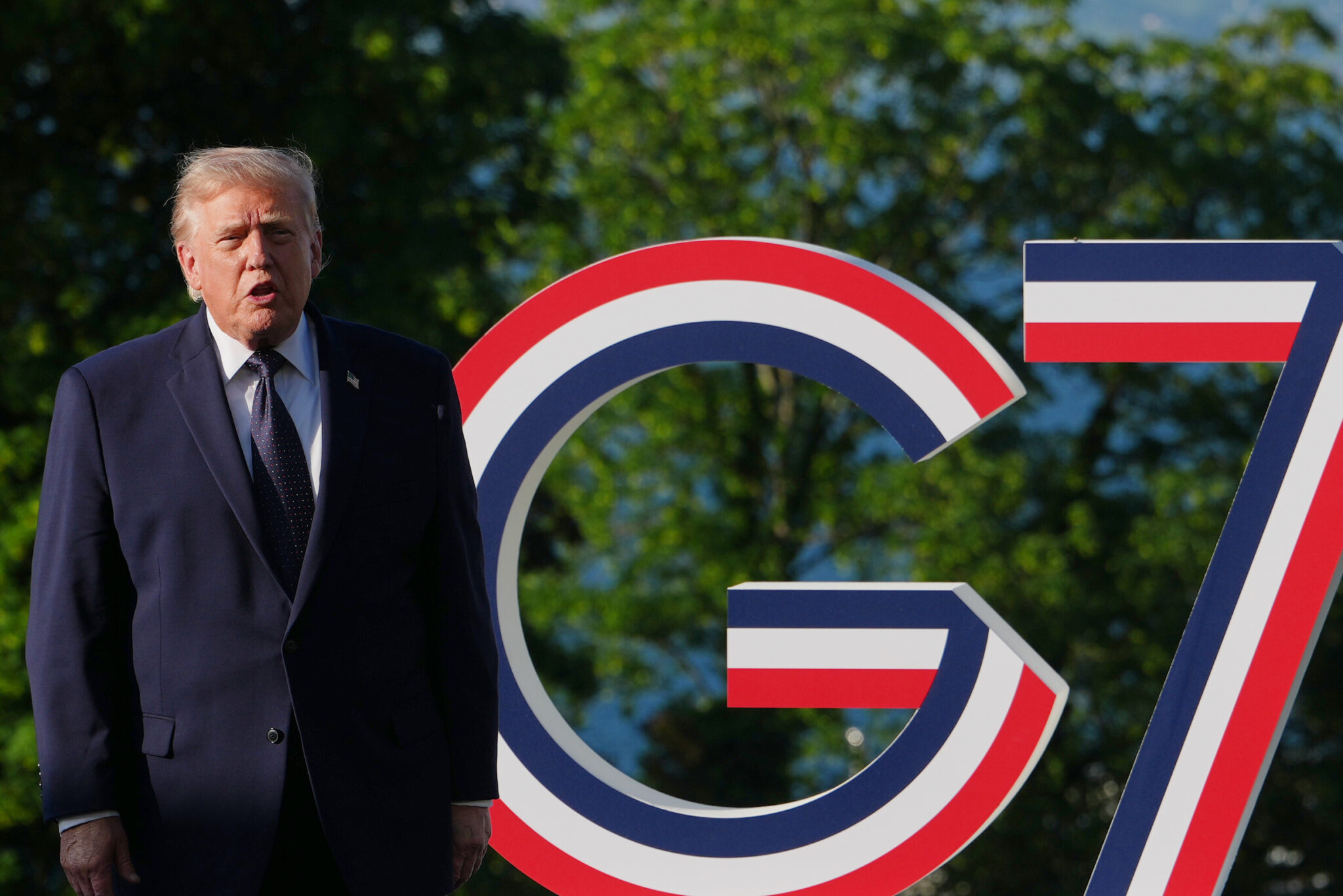
Trump’s Iran Deal Faces Bipartisan Skepticism and Scrutiny on Capitol Hill/ Newslooks/ WASHINGTON/ J. Mansour/ Morning Edition/ Members of Congress from both parties are demanding details on President Donald Trump’s agreement with Iran to end the war. Lawmakers remain concerned about nuclear oversight, sanctions relief, and financial incentives offered to Tehran. The agreement could face congressional review, though its path through Capitol Hill remains uncertain.
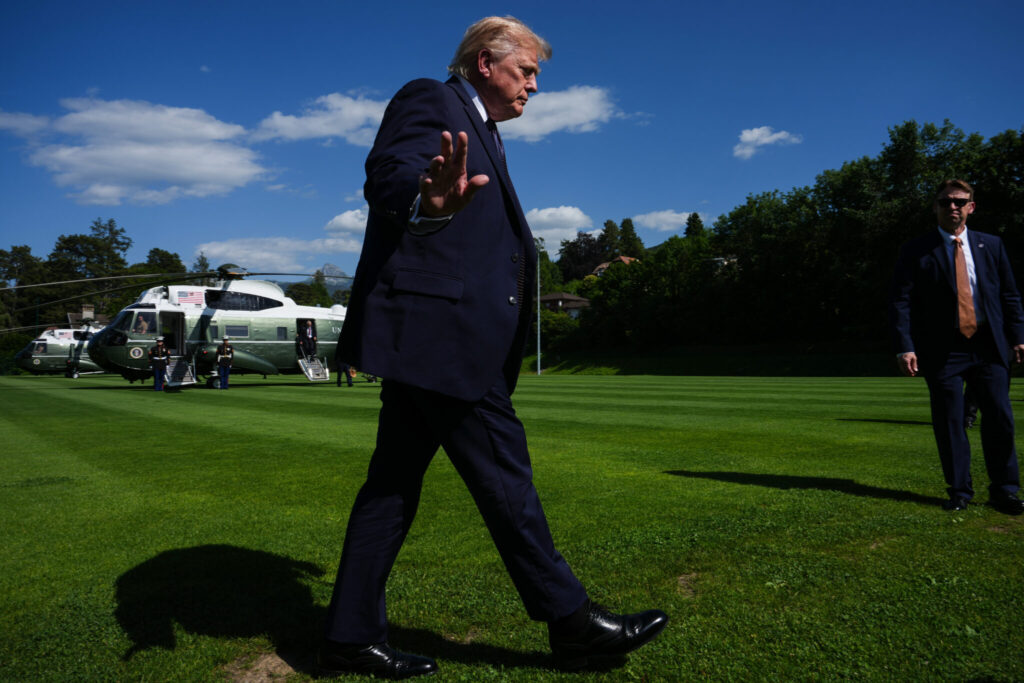
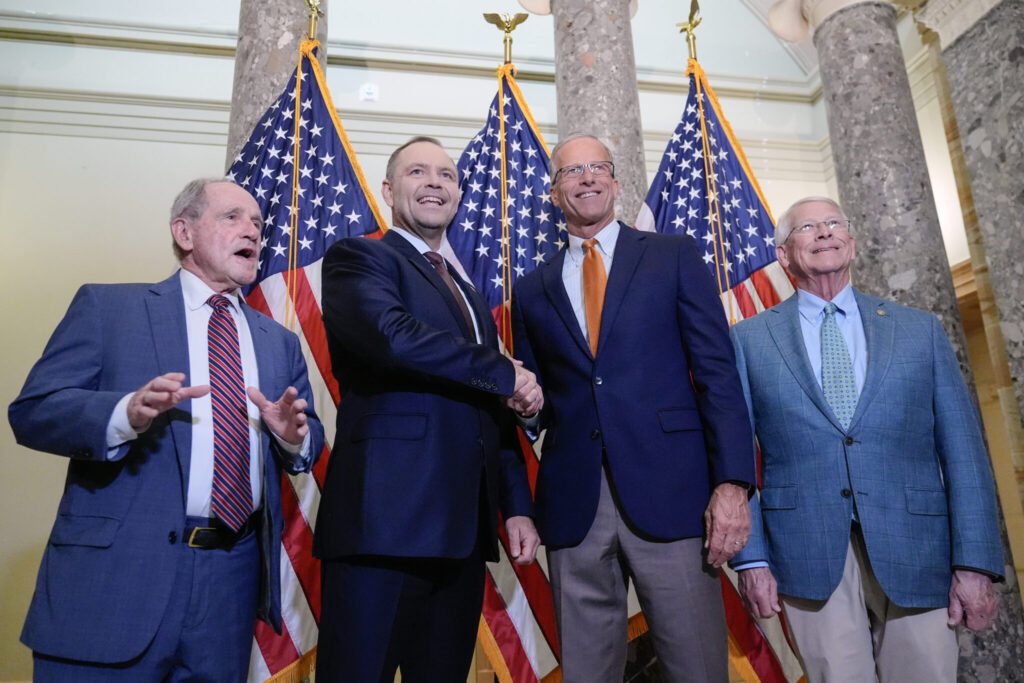
Trump Iran Deal Quick Looks
- Republicans and Democrats say they need more details about the agreement.
- The deal aims to reopen the Strait of Hormuz and lift the U.S. naval blockade.
- Questions remain over Iran’s nuclear program and uranium stockpile.
- Congress has yet to receive the full memorandum of understanding.
- Vice President JD Vance says the agreement text will be released this week.
- Lawmakers are debating whether Congress should vote on the deal.
- Some Republicans praise Trump’s diplomacy while expressing caution.
- Democrats question how the agreement differs from the 2015 nuclear deal.
- Financial incentives and sanctions relief remain under scrutiny.
- A ceremonial signing is scheduled for Friday in Geneva.

Deep Look
Capitol Hill Demands Details on Trump’s Iran Agreement
President Donald Trump’s newly announced agreement with Iran to end months of conflict is facing growing scrutiny on Capitol Hill, where lawmakers from both parties are demanding answers before endorsing the deal.
The agreement, announced Sunday and expected to be ceremonially signed Friday in Geneva, seeks to reopen the Strait of Hormuz, lift the U.S. naval blockade, and establish a framework for future negotiations over Iran’s nuclear program.
However, many senators returned to Washington saying they have seen few details of the agreement and remain uncertain about its long-term implications.
Senate Majority Leader John Thune acknowledged the lack of information available to lawmakers.
“I just don’t know enough about it,” Thune told reporters.
He added:
“Even the people who follow this stuff closely up here don’t know that much about it.”
Republicans Seek Clarity on Enforcement and Compliance
Several Republican senators stressed that the success of any agreement depends on how it is enforced and whether Iran complies with its commitments.
Thune emphasized that enforcement mechanisms will be critical.
“I think that my understanding of what it entails — and, again, not having seen anything — it would require, I think the issues are going to be compliance, and how are you going to enforce that,” he said.
Sen. Thom Tillis questioned the lack of transparency surrounding the negotiations.
“If it’s a secret deal then how can I take it seriously?” Tillis asked.
Meanwhile, Vice President JD Vance sought to reassure lawmakers, saying the administration plans to release the agreement publicly.
“What everybody will see is that Iran doesn’t get a dime of money unless they perform their obligations.”
Nuclear Program Remains the Biggest Unknown
One of the largest unresolved questions centers on Iran’s nuclear program.
Lawmakers are seeking answers on who will verify Iranian compliance and how highly enriched uranium—believed to be buried beneath damaged nuclear facilities—will be handled.
Senior U.S. officials have indicated the memorandum includes provisions for sanctions relief, potential access to frozen Iranian funds, and even a proposed $300 billion reconstruction fund if Tehran meets certain benchmarks.
Senators remain cautious.
Sen. John Kennedy expressed deep skepticism toward Tehran.
“I go into it very skeptical of the government of Iran,” Kennedy said.
He added:
“They learn to lie before they learn to talk. So any agreement we make with them has to have guardrails. It has to have a way to judge through independent inspection if they’re doing what they say they’re doing.”
Could Congress Vote on the Iran Deal?
Under legislation passed during the Obama administration, agreements involving Iran’s nuclear activities can be submitted to Congress for review.
Whether lawmakers ultimately vote on Trump’s deal remains unclear.
Sen. Lindsey Graham, a longtime Iran hawk and close Trump ally, signaled cautious support while urging lawmakers to examine the final text.
“The way Iran describes it, it’s awful. The way we describe it, it makes sense to me,” Graham said.
He added:
“Let’s look at it and see what it actually is.”
Graham has also suggested that Vice President Vance—whom he called “the architect of the deal”—should brief lawmakers directly.
Vance pushed back against criticism.
“I would caution Lindsey Graham and anybody else not to believe the hard-liner propaganda in Iran, but to believe what’s actually in the agreement.”
Republicans Split on Congressional Approval
While some senators insist Congress should vote on the agreement, others believe executive diplomacy should proceed without an up-or-down vote.
Sen. Ted Cruz praised Trump’s actions during the conflict.
“I think he made America safer,” Cruz said.
“The president as commander in chief acted decisively to stop that ayatollah from getting nuclear weapons.”
Sen. James Lankford argued that lawmakers should wait until negotiations are complete.
“Seems like early reports are showing that this is kind of the first step,” he said.
He added:
“If you want a long-term agreement it’s got to be law.”
Democrats Question Whether the Deal Improves on Obama’s Agreement
Democrats are asking whether Trump’s deal offers stronger safeguards than the 2015 Joint Comprehensive Plan of Action (JCPOA), which Trump withdrew from during his first term.
Sen. Mark Warner pointed to the broader international support behind the earlier agreement.
“For all his critique of JCPOA, we had international observers, we actually had an alliance there that included the Europeans, and Russia and China were all signatories.”
Sen. Elizabeth Warren criticized the human and financial costs of the conflict.
Trump has spent “tens of billions of dollars” and lives have been lost, she argued, while Americans still await a clear explanation of the agreement’s benefits.
Sen. Tim Kaine supported ending the conflict but stressed the need for transparency.
“An off ramp is good because it was a war that should have never been started.”
The Next Phase Could Define the Agreement’s Legacy
With the memorandum still unreleased and technical negotiations expected to continue, the next few weeks may prove decisive.
Congressional leaders are demanding briefings, lawmakers want stronger verification mechanisms, and both parties are weighing whether the agreement truly prevents Iran from obtaining nuclear weapons.
As the White House prepares for Friday’s signing ceremony in Geneva, the future of Trump’s Iran deal may ultimately depend as much on Capitol Hill as it does on diplomacy abroad.






You must Register or Login to post a comment.