US Gas Prices Surge to $4.39 Amid Iran Tensions/ Newslooks/ WASHINGTON/ J. Mansour/ Morning Edition/ U.S. gas prices jumped 9 cents to $4.39 a gallon, marking the biggest daily increase in six weeks. Prices are now at their highest level since 2022, driven by rising oil costs tied to the Iran conflict. Analysts warn prices could climb further as supply disruptions continue.
US Gas Prices Surge Quick Looks
- National average gas price rises to $4.39 per gallon
- Largest one-day increase in six weeks (+9 cents)
- Prices up 33 cents in the past week
- Fuel costs have surged 47% since Iran war began
- Highest gas prices since July 2022
- Brent crude النفط near $112 per barrel
- Ceasefire relief short-lived as tensions persist
- Strait of Hormuz disruption driving supply concerns
Deep Look
Gas Prices Jump Sharply Again
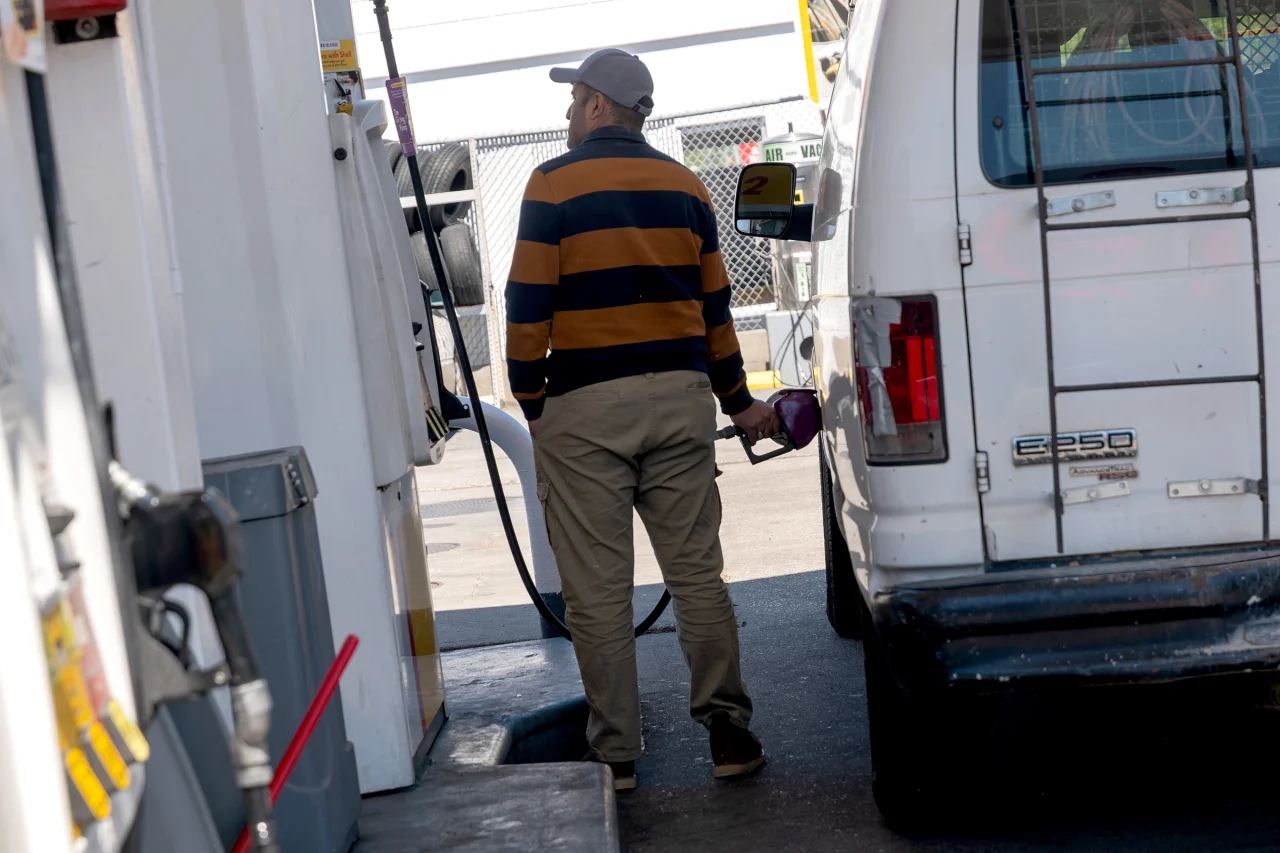
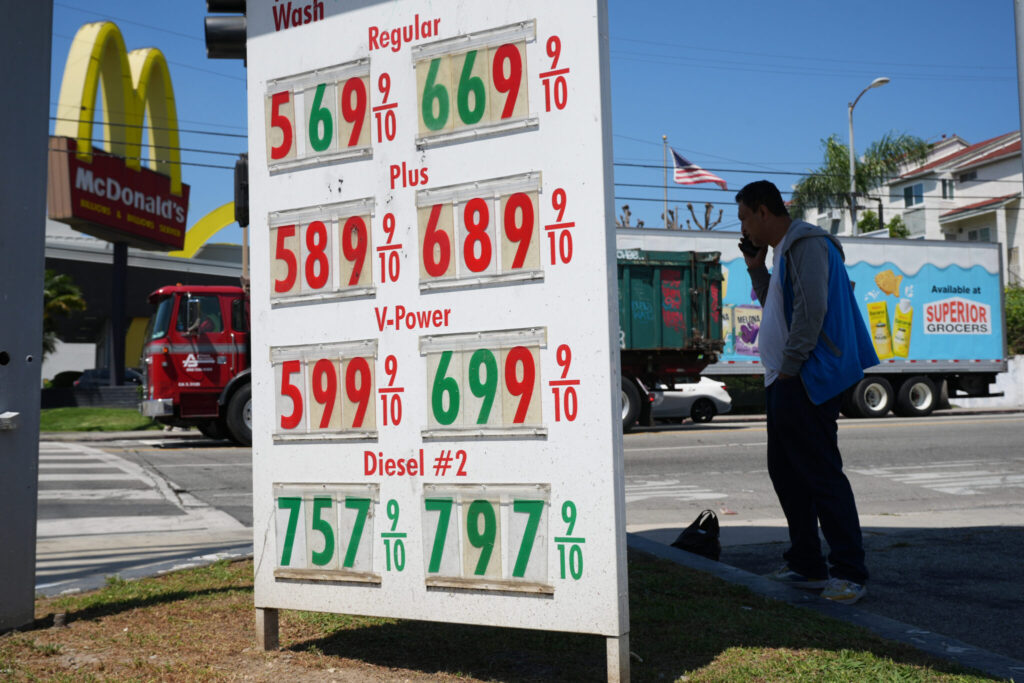
U.S. drivers are facing another surge at the pump, with the national average price for regular gasoline climbing 9 cents to $4.39 per gallon.
The increase marks the steepest single-day rise in more than six weeks, signaling renewed pressure on consumers after a brief period of relief.
Highest Levels Since 2022
Fuel prices have now reached their highest point since mid-2022, reflecting a rapid escalation in energy costs.
Over the past week alone, prices have jumped 33 cents — a roughly 9% increase — while the broader trend shows a dramatic rise since the start of the Iran conflict.
Since the war began, gas prices have surged by approximately 47%, highlighting the significant impact of geopolitical tensions on energy markets.
Oil Prices Driving the Spike
The main force behind rising gasoline prices is the continued increase in crude oil costs.
Brent crude, the international benchmark, is hovering just below $112 per barrel, with futures markets indicating the potential for further gains.
Higher oil prices directly translate into increased costs for refining and distribution, which are then passed on to consumers.
Ceasefire Relief Proves Temporary
Prices had briefly declined following the announcement of a ceasefire earlier in April.
During that period, the national average dropped to around $4.02 per gallon, offering short-term relief for drivers.
However, uncertainty surrounding peace negotiations and concerns that the ceasefire may not hold have reversed that trend.
Strait of Hormuz Remains Key Risk
A major factor in the renewed price surge is ongoing disruption in the Strait of Hormuz, a critical global shipping route for oil and natural gas.
Iran’s continued restrictions on passage through the strait have limited global supply, while U.S. actions, including a naval blockade, have further tightened markets.
Any prolonged disruption in this region is likely to keep energy prices elevated.
What It Means for Consumers
Higher gasoline prices are putting additional strain on household budgets, especially as other costs remain elevated.
Rising fuel costs can also ripple through the economy, increasing transportation and production expenses, which may lead to higher prices for goods and services.
Outlook: More Increases Possible
Market signals suggest that the upward trend may not be over.
Oil futures indicate expectations of continued tight supply and strong demand, meaning gas prices could rise further in the coming weeks.
Much will depend on geopolitical developments, particularly whether a lasting resolution to the Iran conflict can be reached.